 Search


- Kazakhstan's 2026 plan to import 11 billion cubic meters of Russian gas has entered the second half of implementation
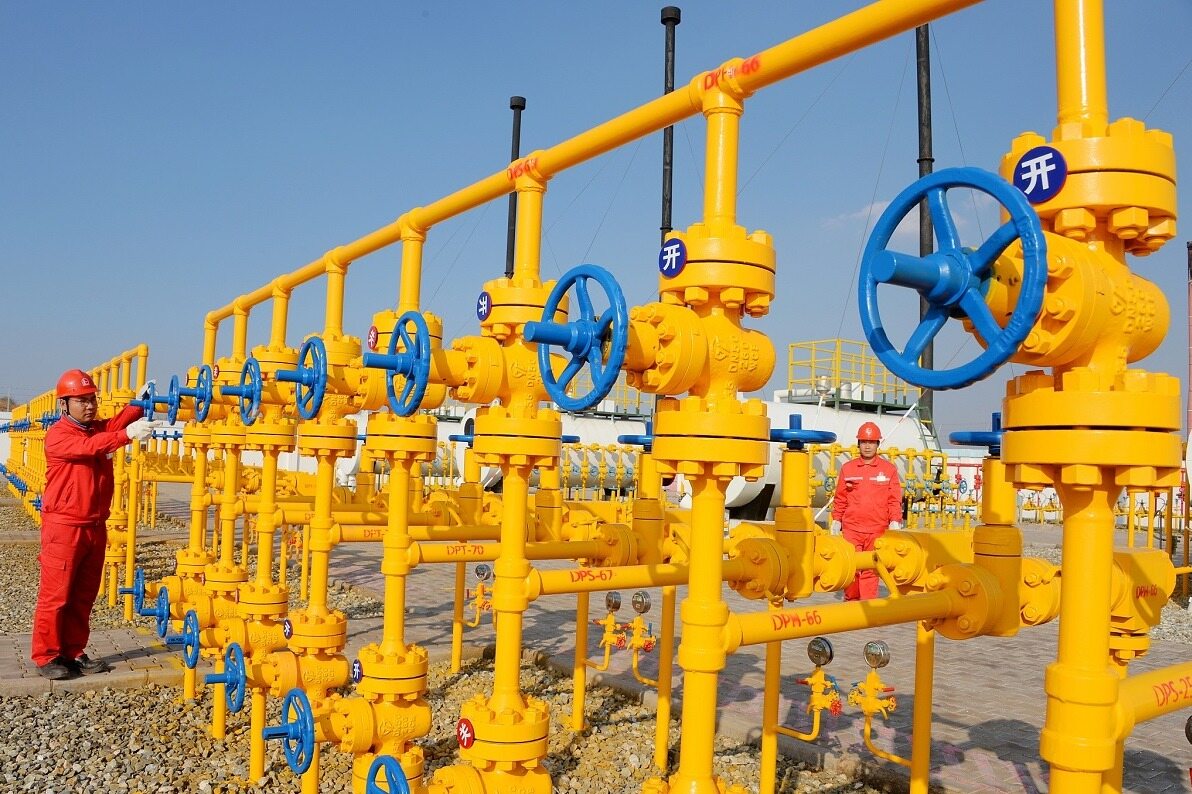
Outside the natural gas processing plant in western Kazakhstan, the frequency of outbound train formations is quietly increasing. On one hand, the export volume of natural gas in our country is steadily increasing, while on the other hand, the pipeline gas imported from Russia continues to expand. The two Central Asian countries are using a strategy of buying Russian gas at low prices and selling local gas at high prices to balance the rapidly rising domestic demand for gas.
Central Asian countries simultaneously adjust gas source structure
According to the supplementary agreement to the natural gas contract signed between Kazakhstan and Russia, Kazakhstan's import of natural gas from Russia is expected to reach 11 billion cubic meters in 2026, a significant increase from 4 billion cubic meters in 2025. Currently, the two sides are negotiating the maximum import scale of 9 billion cubic meters in 2027. By 2025, Kazakhstan's natural gas production will reach a historical peak of 68.1 billion cubic meters, and domestic demand will continue to rise. By introducing affordable gas sources from Russia, Kazakhstan can redirect more local natural gas resources to export markets, ensuring stable export revenue.
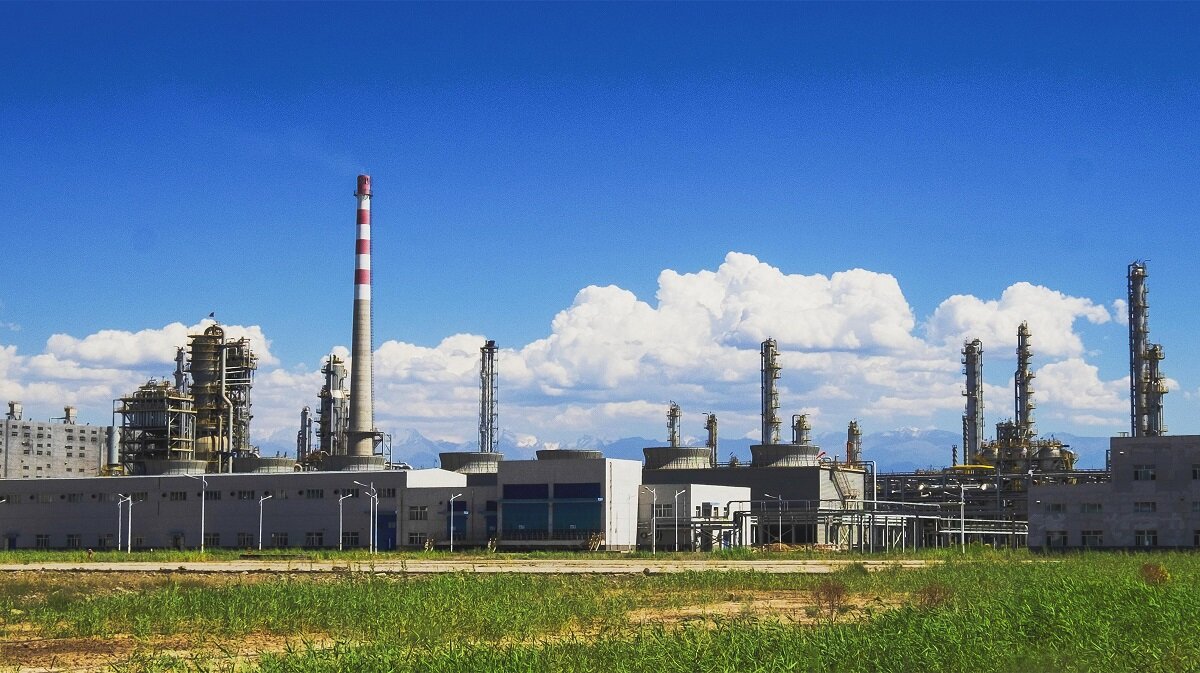
Uzbekistan is also adopting the same gas source strategy. In the first half of 2026, the country's natural gas production decreased to 18.3 billion cubic meters, a year-on-year decrease of 16.4% from 21.9 billion cubic meters in the same period of 2025. Against the backdrop of continuous contraction of local production capacity, importing Russian natural gas has become a core means of filling the domestic supply and demand gap. In 2025, Uzbekistan's natural gas export revenue will be approximately 629 million US dollars, and the total scale of natural gas imports will be approximately 1.66 billion US dollars. The shortfall in imported gas sources will be fully covered by the local gas export revenue and domestic market digestion.
The new sanctions bill brings uncertainty
After losing its high-value market in Europe, Gazprom is expanding its customer base in the CIS region through a significant discount strategy. The current import gas prices received by Kazakhstan and Ukraine are significantly lower than the same period in the European spot market, which is also the core reason why the two countries are willing to continue expanding their Russian gas import scale. Low price gas sources can not only quickly fill the domestic demand gap, but also maximize the export revenue of local natural gas resources, forming a positive cycle between imports and exports.
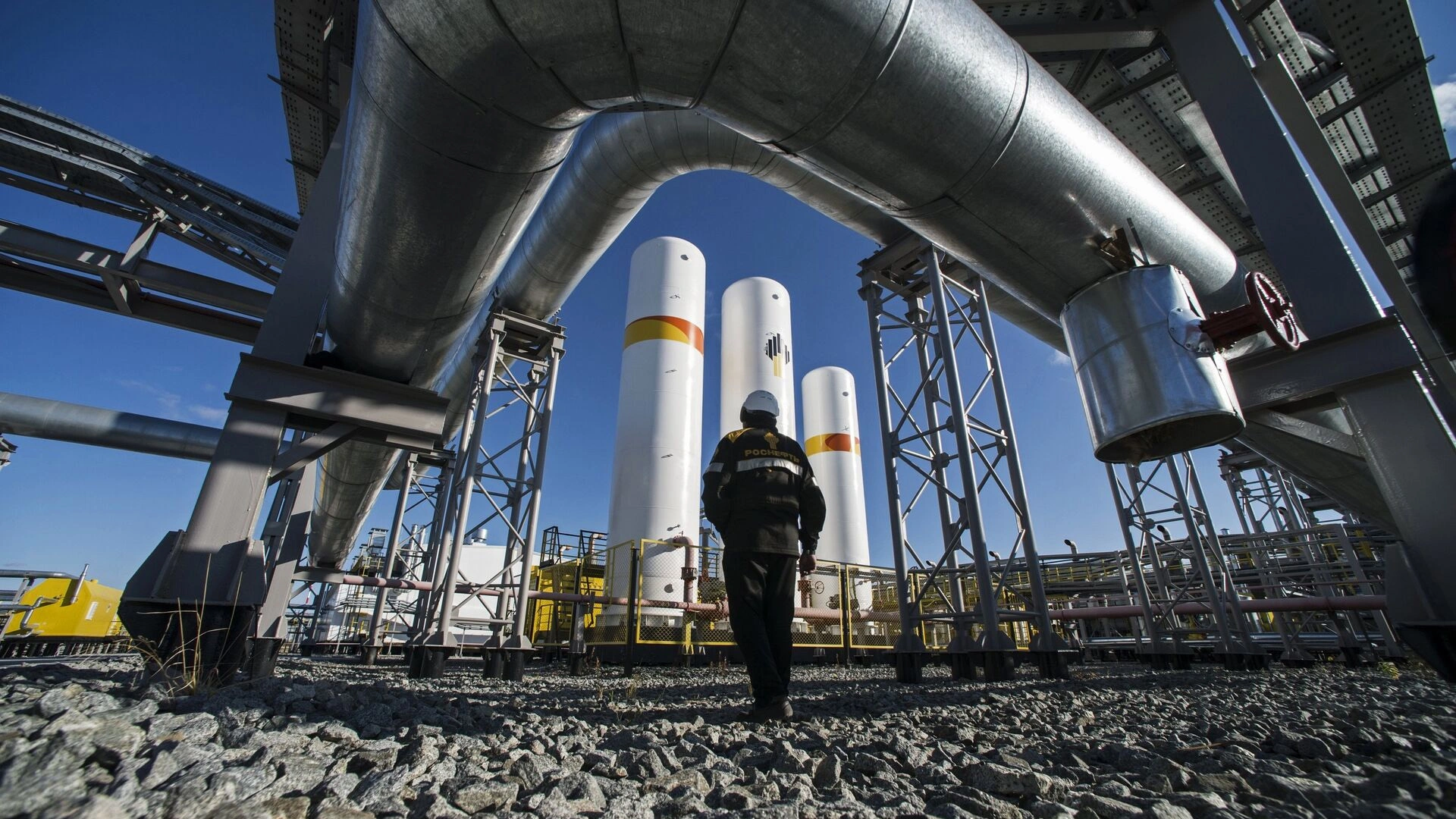
If the latest sanctions bill passed by the US Congress on September 16th is officially signed into effect, it will further tighten restrictions on the Russian energy industry and even allow punitive tariffs to be imposed on countries that purchase Russian energy. Related companies in both countries will also face the risk of secondary sanctions. The original cost controllable gas source supplement plan may experience additional cost increases due to external policy changes, and the cost balance logic of Central Asian natural gas imports is facing new variables.
The gas transmission meters of the Central Asian natural gas pipeline are rapidly fluctuating, driven by the continuous growth of gas demand in both countries and the potential uncertainty of cross-border sanctions. The new balance of the Central Asian energy market still needs to be continuously adjusted through multi-party games.Editor/Cheng Liting
Comment



 Praise
 Collect
 Comment

 Share
Share


Write something~