 Search


- Intelligent implementation in all scenarios, promoting the improvement of quality and efficiency in the oil and gas industry
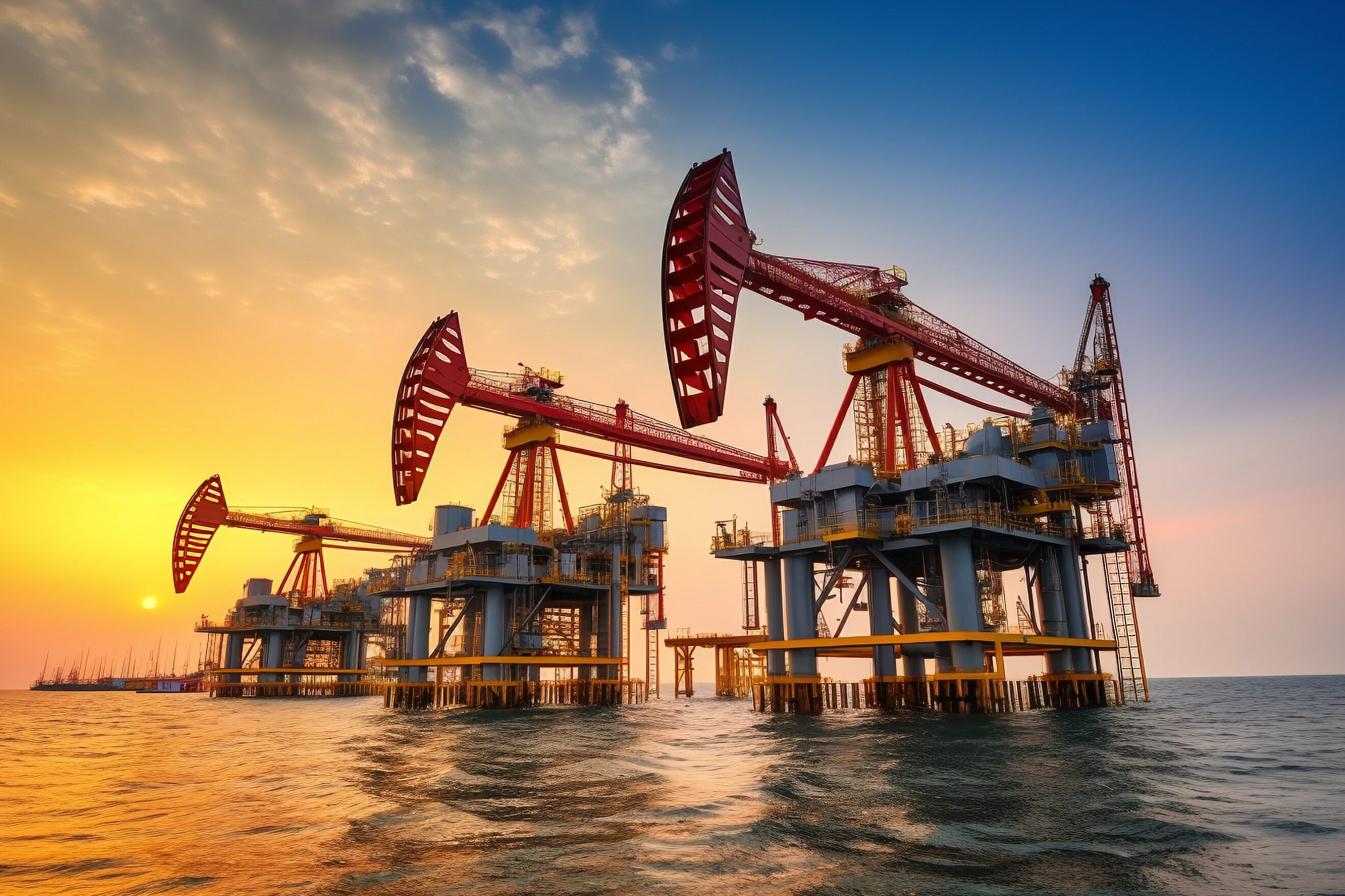
In the late night wellsite, the era of flashlight shining over the mud drilling platform is fading away. The oil and gas veins thousands of meters underground used to rely on the ears, experience, and luck of experienced masters; Nowadays, it is gradually illuminated by sensors, large models, and edge computing power. This is not a technological show to add icing on the cake, but a survival level leap that the traditional oil and gas industry must complete under the triple pressure of cost, safety, and resource grade.
Change from optional to mandatory questions
The "15th Five Year Plan" for the development of oil and gas includes the integration of artificial intelligence, the Internet of Things, and the oil and gas industry in the top-level design, and the direction is already clear: smart oil and gas fields are not the pilot signboard of a certain oil field, but the basic foundation of the next stage of the entire industry. Policy is just a starting gun, the real competition is underground, at the station, and on the inspection road.
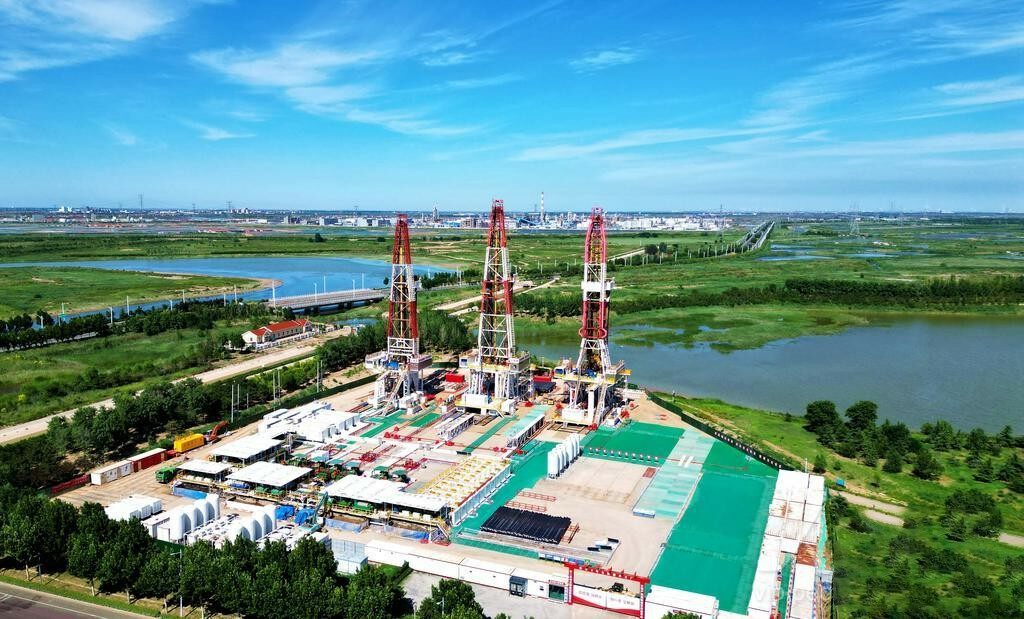
Looking at the layout of Sinopec, the outline is already clear: Shengli Oilfield uses a geological model to replace relying on experience to find oil with relying on data, and video intelligent recognition to close the loop of violations and environmental risks; Zhongyuan Oilfield has taught seismic data and logging processes to 'analyze themselves', improving daily analysis efficiency by over 70%; Jianghan Oilfield has integrated AI into drilling and fracturing decision-making, leading to an increase in mechanical drilling speed, scheme design efficiency, and single well productivity; The automated sucker rod system in East China Oil and Gas replaces people from high-risk well repairs; The AI edge inspection of Jiangsu Oilfield can see through faults in two seconds, turning "manual errand running" into "algorithmic surveillance"; Nearly a hundred intelligent applications and over 90% of on-site business have been launched in Southwest Oil and Gas, integrating single point intelligence into full chain intelligence.
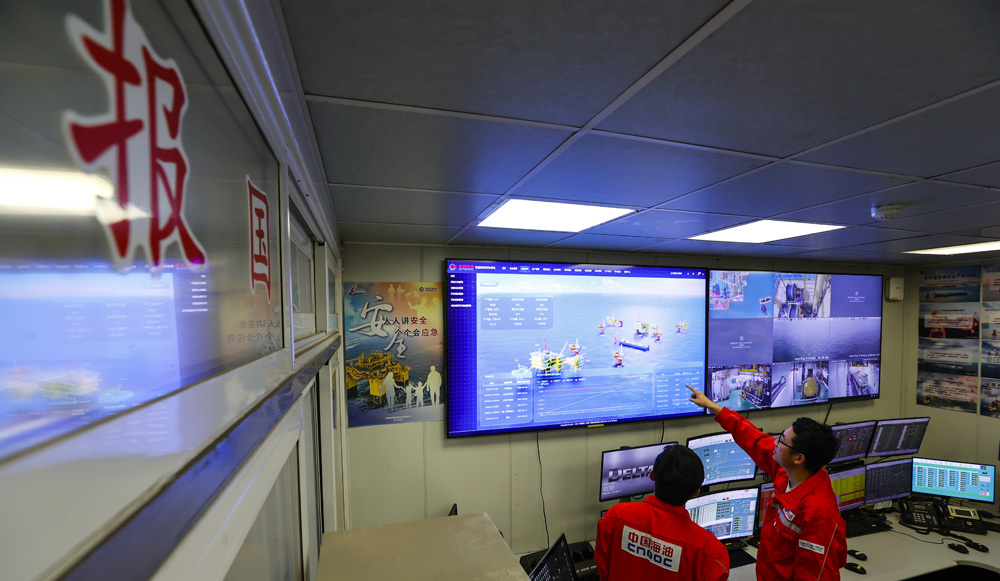
Not buying systems but changing habits
Looking at these changes individually, they are improving efficiency and reducing personnel, with fewer missed detections; Taken together, it is a rewriting of production relations - whoever holds the data holds the reservoir; Whoever can train the model in a local scenario will not be fooled by general technology. But the hardest part is never buying a system, it's changing habits. Old oil fields have the inertia of old oil fields, empiricism, report culture, and data silos, all of which are harder than drill bits. If AI empowerment only stops at "big screens look good, reports are easy to write", then it is just digital decoration; Only by making frontline team leaders willing to trust the system, engineers daring to modify the plan according to the model, and safety officers shifting from "monitoring people" to monitoring anomalies, can the transformation truly be implemented.
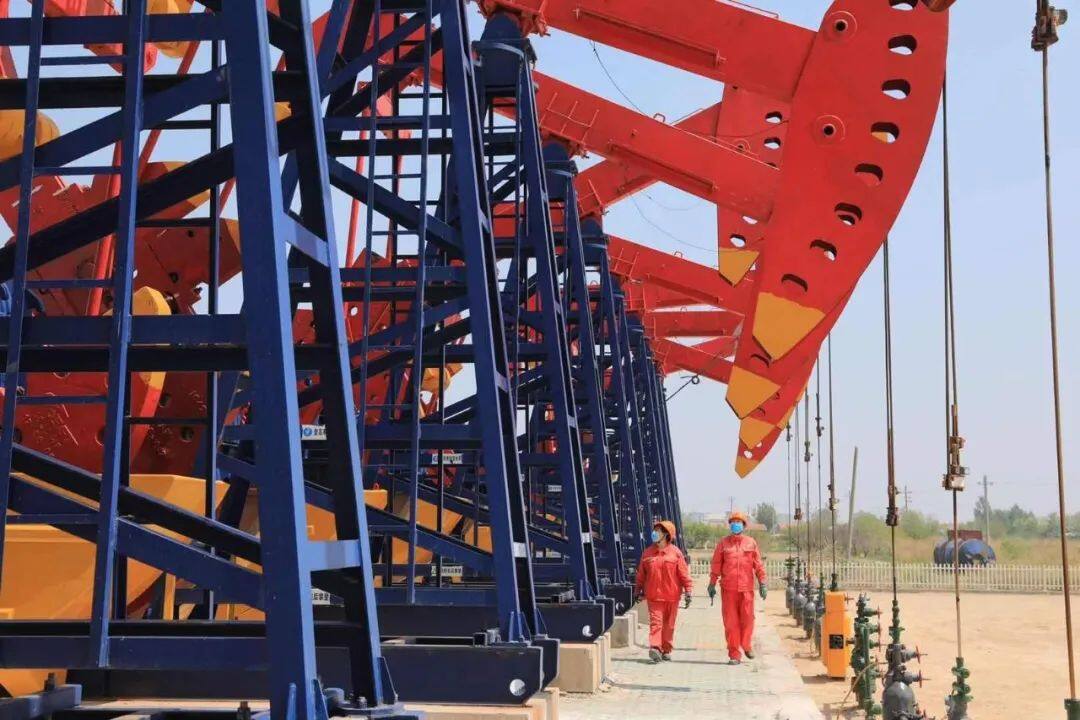
Be even more wary of a misconception: thinking that once you install a large model and inspection robot, you will automatically advance. The core of smart oil and gas fields is not "cool", but "controllable" - visible underground, identifiable risks, traceable decisions, and accountable responsibilities. The data is not clean, the samples are not local, and the algorithm is not iterative. No matter how high the recognition accuracy is, it is only the numbers in the demonstration video.
Oil fields cannot just focus on oil
On a larger scale, digitalization in the oil and gas industry is not just the responsibility of individual companies. Energy security, carbon constraints, green power integration, and coordinated energy grid load storage will all force oil fields to transform from oil extraction units to energy system nodes. The integration of source, network, load, and storage in Shengli Oilfield has revealed this meaning: in the future, the oilfield not only needs to be able to find oil, but also needs to be able to regulate peak load, calculate carbon emissions, and deal with wind and solar energy storage.
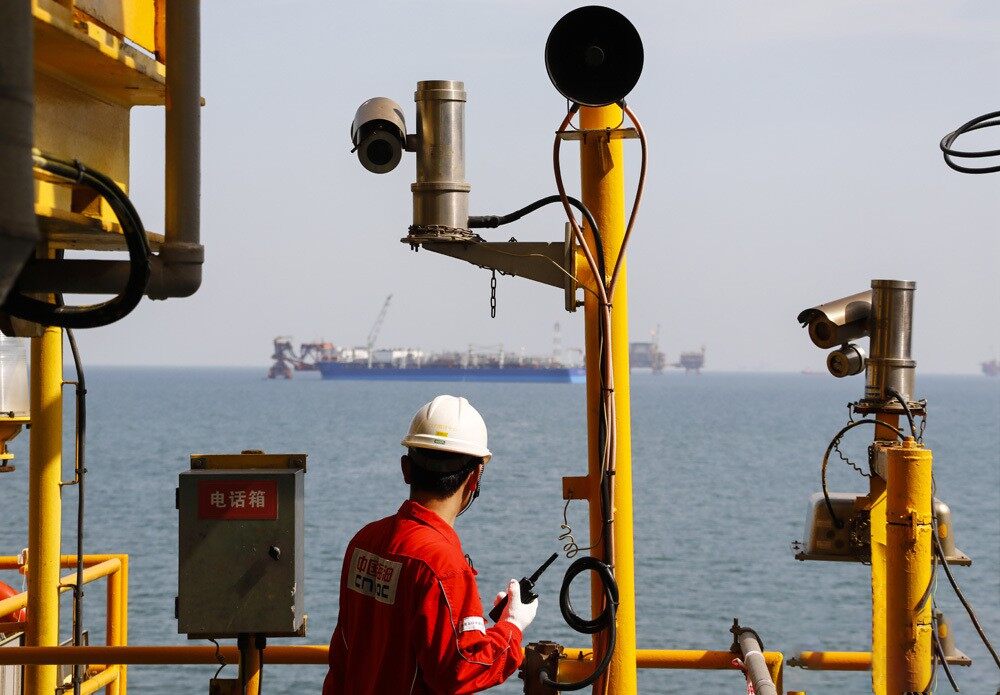
The oil field that first condenses the experience of the experienced master into a model, turns the data from the well site into decisions, and replaces the night watch with a system on duty, will get the ticket to the next round of energy competition first. Oil and gas will not disappear, but oil and gas that rely on crowds, luck, and brainstorming will eventually disappear. Keywords: smart oil and gas fields, AI empowerment, digital transformation, intelligent control
At the end of a smart oil and gas field, it's not a fancy screen, but a quieter well site - there are no footsteps of manual inspection, only sensors speaking; There is no debate based on experience, only data makes the judgment. When the last flashlight goes out, the digitalization of China's oil and gas industry is truly dawn.Editor/Gong Ziwei
Comment


 Praise
 Collect
 Comment

 Share
Share


Write something~