 Search


- Freight vehicles at Khorgos Port keep flowing, and Xinjiang's foreign trade in the first eight months was 394.7 billion yuan
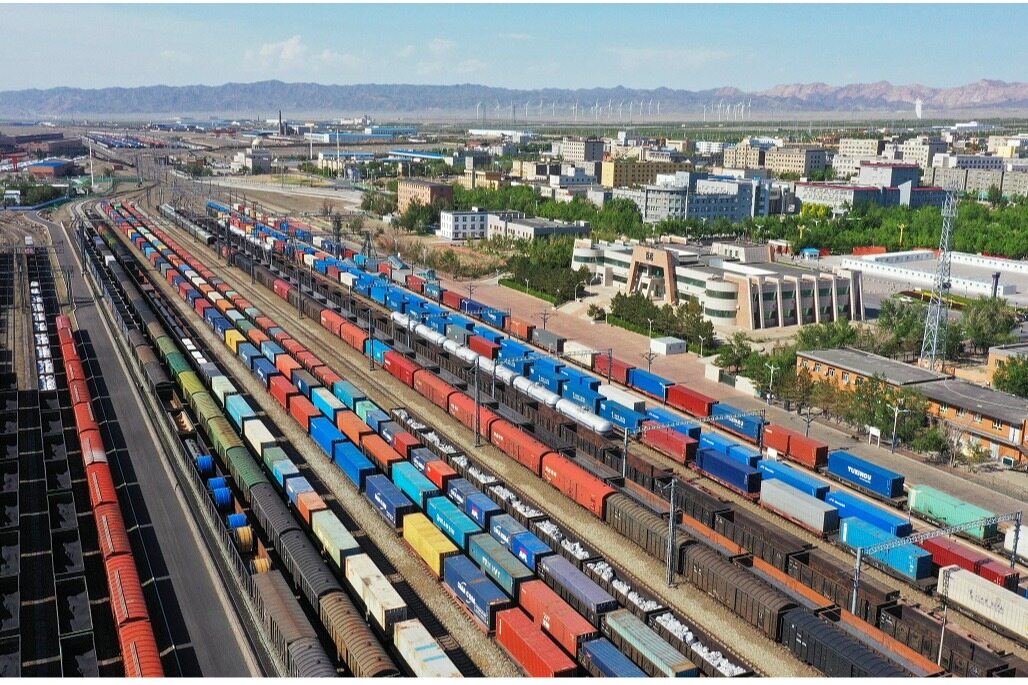
Export commodity vehicles at Khorgos Highway Port queue up to drive out of the gate. Alashankou just exceeded 1.3 million tons of highway freight volume in September, and is transporting batches of electromechanical and new energy commodity vehicles to the Central Asian market. By overlaying the latest port operation data, the growth trajectory of Xinjiang's foreign trade has become clearer.
Regional growth momentum is fully unleashed
In the first eight months of 2026, the total import and export value of Xinjiang's foreign trade reached 394.7 billion yuan, a year-on-year increase of 10.7%. Among them, the import and export volume in August was 59.66 billion yuan, a significant year-on-year increase of 68.1%. The import growth rate continued to be higher than the export rate, and the trade structure continued to optimize. The import and export of 9 prefectures and cities in Xinjiang have achieved positive growth, with Yili, Kashgar, Urumqi, and Bozhou contributing a total of 82.6% of the total import and export value of Xinjiang, further highlighting the supporting role of core open nodes.
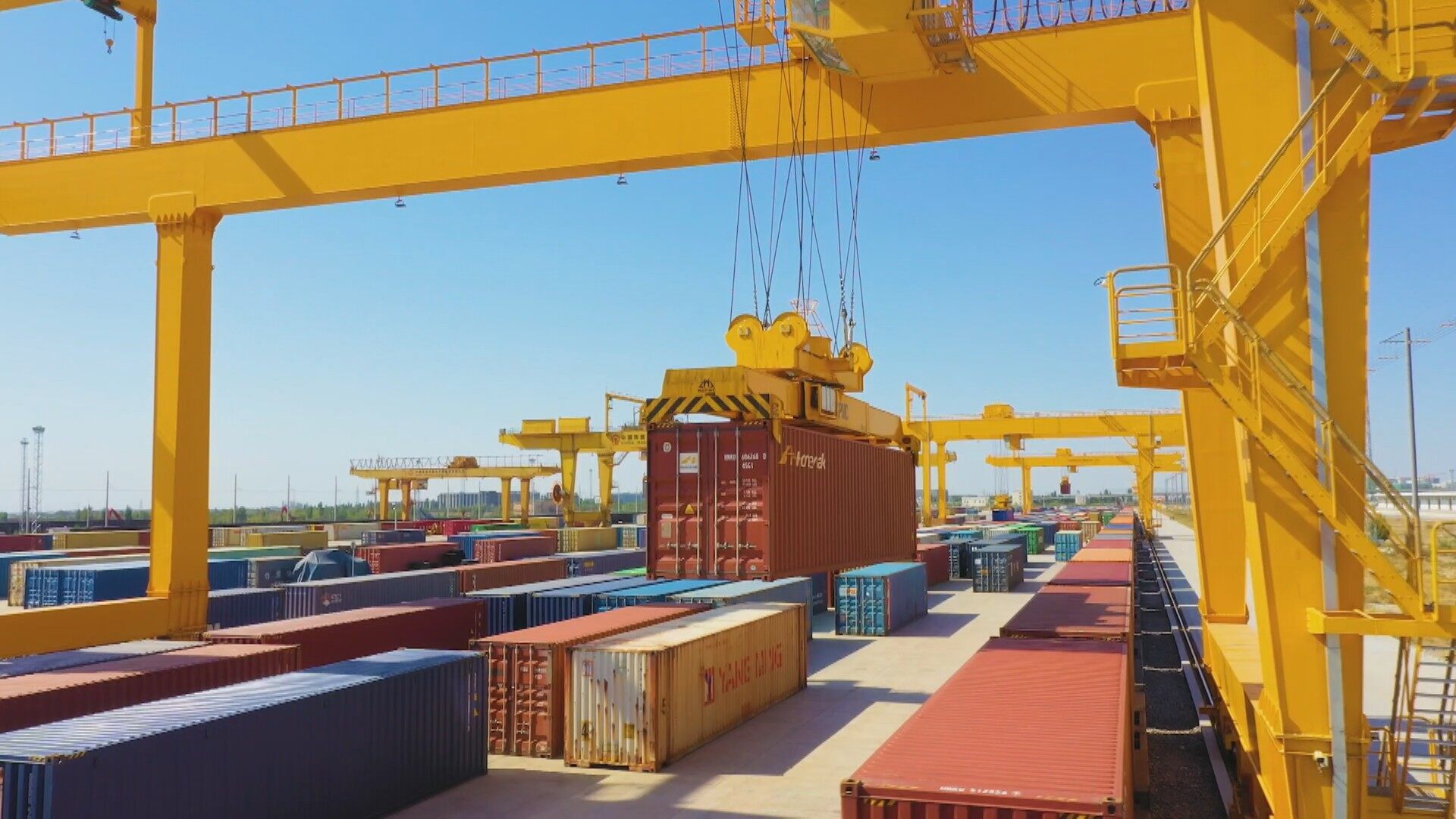
As of September 10th, the cumulative freight volume of Alashankou Highway Port this year has reached 1.306 million tons, a year-on-year increase of 55.93%, equaling the total volume of 2025 ahead of schedule. In August, the growth rate in many places hit a new high. Aksu region grew by 306% year on year, Hotan region grew by 481% year on year, and Karamay City grew by 510% year on year. The growth pattern of multi-point flowering in southern and northern Xinjiang has been formed. Behind this is the implementation of facilitation measures such as 7 × 12 hour customs clearance, and Xinjiang's foreign trade is shifting from a single channel opening to a new stage of high-quality opening up with industry and trade coordination.
Synchronized optimization of market entities and trade structure
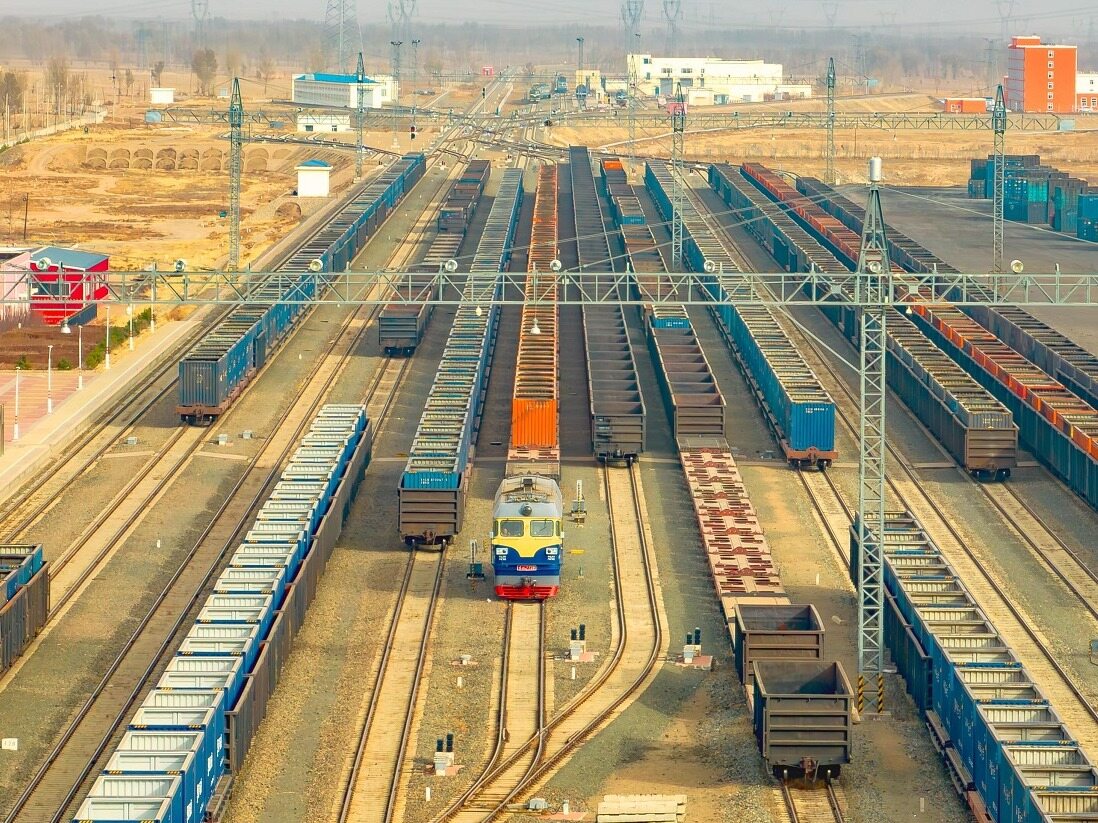
In the first eight months, Xinjiang's imports and exports to countries jointly building the the Belt and Road accounted for 87.6%, its imports and exports to ASEAN increased by 53.5% year on year, its imports and exports to other RCEP member countries increased by 44.7%, its imports and exports to Africa and South Asia increased by 134.4% and 79.2% respectively, and its trade partners continued to extend from the surrounding areas to emerging markets farther along the road. Driven by the construction of the China Kyrgyzstan Uzbekistan railway, the export of contracted engineering goods to foreign countries increased by 67.5% year-on-year, with exports to Tanzania, Uzbekistan, and Tajikistan increasing by 237.3%, 145.3%, and 60.5 times respectively.
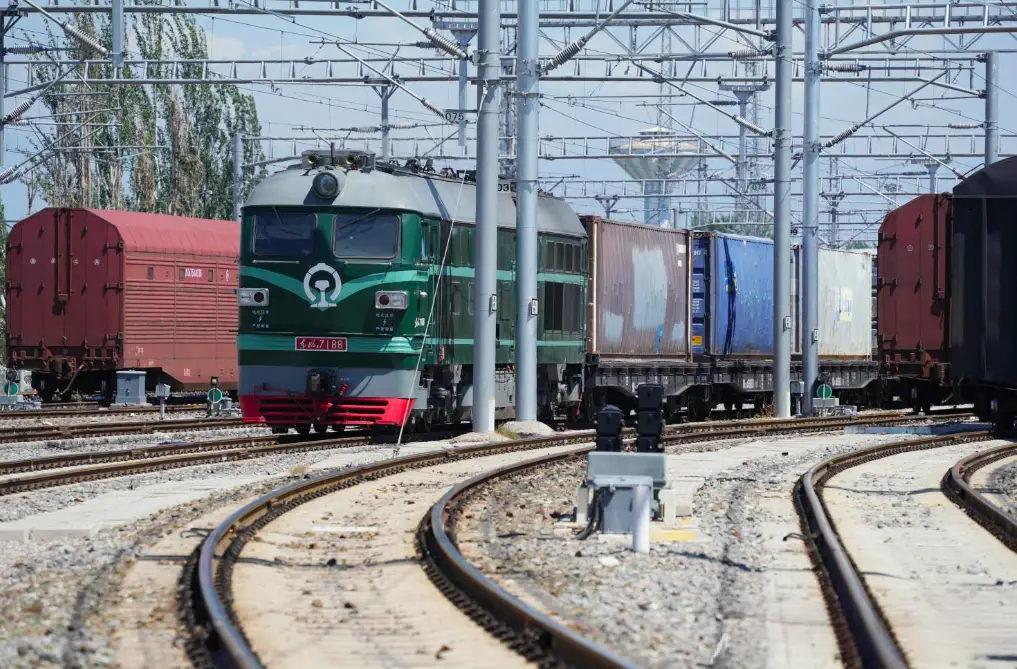
In the first eight months of this year, the total import and export value of goods trade in China increased by 17.6% year-on-year, and Xinjiang's foreign trade growth rate maintained a leading position among western border provinces. There are 4101 foreign trade enterprises with import and export records in Xinjiang, an increase of 15.1% year-on-year. Private enterprises account for 95.2% of the total import and export value in Xinjiang, continuing to remain the largest foreign trade entity. The import and export of foreign-invested enterprises increased by 402.5% year-on-year. Xinjiang has established nearly 2500 foreign-invested enterprises, with actual use of foreign capital of about 40 billion yuan, and the pace of foreign investment landing has significantly accelerated. Keywords: goods trade, import and export
The freight wheels at the port keep turning, and Xinjiang, as a gateway to opening up to the west, is continuously releasing solid foreign trade orders.Editor/Cheng Liting
Comment





 Praise
 Collect
 Comment

 Share
Share


Write something~