 Search


- National oil and gas network extends to counties, benefiting grassroots livelihoods
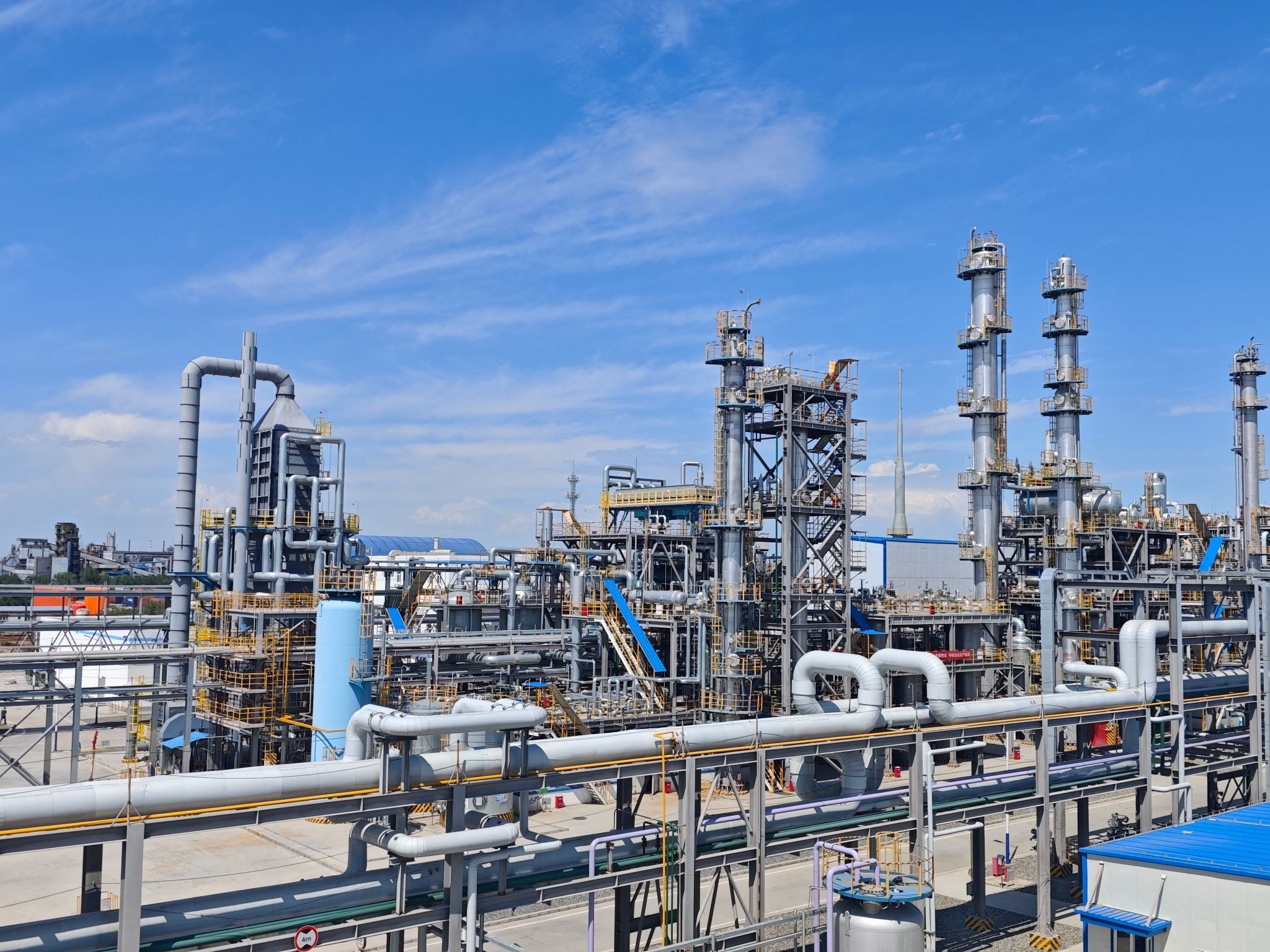
Since 2026, China has continued to accelerate the construction of national level trunk lines, provincial pipeline networks, and direct supply pipelines for oil and gas, accelerating the formation of a nationwide interconnected, safe, and efficient oil and gas network.
In Jiangsu, the 143.8 kilometer long multi million ton crude oil pipeline - Lianyungang Yizheng crude oil pipeline Lianhuai section - has been put into operation, with a daily oil transportation volume of up to 70000 tons, effectively enhancing the oil and gas resource guarantee capacity along the Yangtze River.
Data shows that since 2026, China has built over 2500 kilometers of new main oil and gas pipelines, with a total length of 112900 kilometers, covering 30 provinces, autonomous regions, municipalities, and the Hong Kong Special Administrative Region, forming a pattern of four strategic channels and five vertical and five horizontal natural gas backbone pipelines.
While the main pipeline network is accelerating, the extension of the pipeline network to counties and grassroots levels is constantly breaking through the last mile of oil and gas supply. In Longyan, Fujian, the natural gas pipeline project of the West East Gas Pipeline 3 Liancheng Branch Line has officially started construction. After the project is completed, Liancheng County will achieve direct supply of pipeline natural gas to the county. In Qiannan, Guizhou, with the commissioning of the Changshun branch natural gas pipeline in September 2026, all six branch lines in the local counties have been connected to the national main pipeline network, and more than 28000 households have access to gas.
According to the plan, by 2030, China will add 20000 kilometers of long-distance oil and gas pipelines, and the scale of the national long-distance oil and gas pipeline network will reach 220000 kilometers.
This article was reprinted on CCTV website Editor/Gao Xue
Comment



 Praise
 Collect
 Comment

 Share
Share


Write something~