 Search


- Europe relies on mature market system to grab pricing power in the AI era
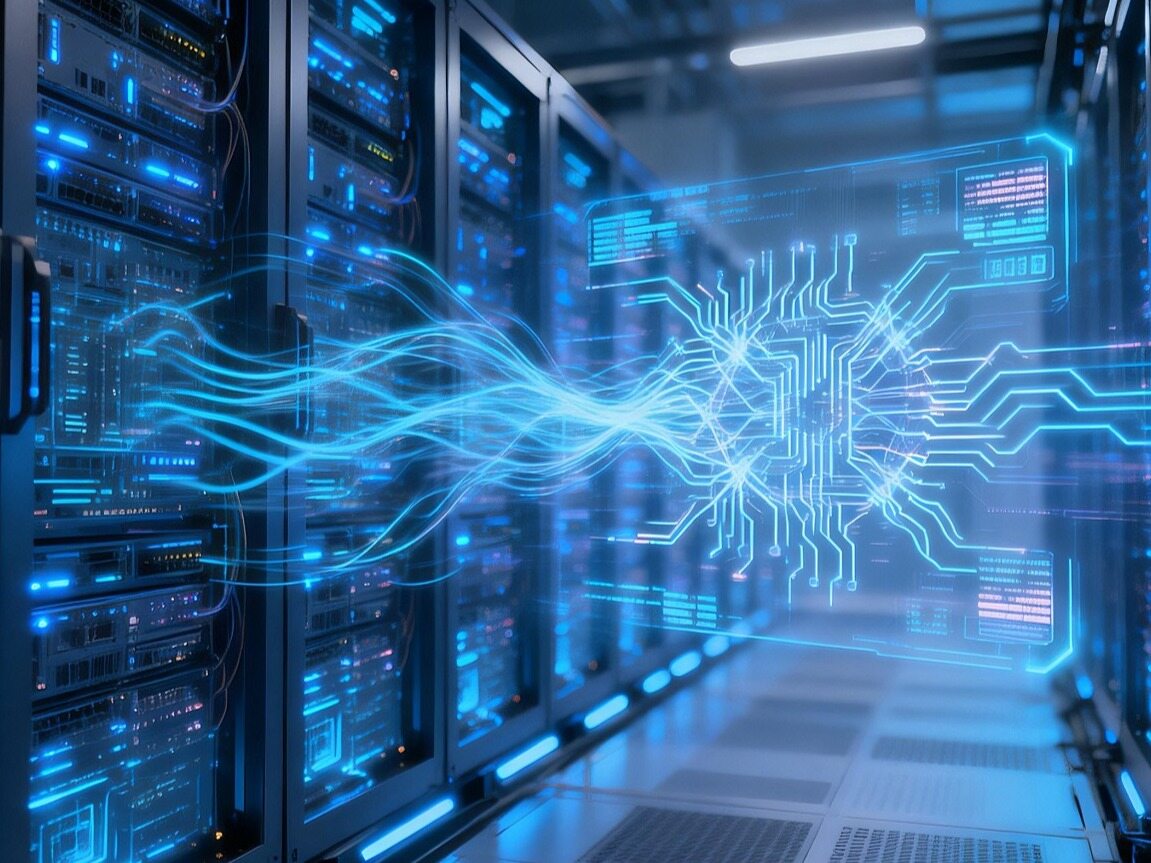
In the operation and maintenance center of a computing power cluster in Europe, real-time electricity prices and GPU load data are jumping on the screen at the same time. The two completely separate numbers in the past are now being connected by a brand new market logic. When 100 euros and 1 megawatt hour of ordinary electricity can be converted into computing power to create an economic value of 10000 euros, Europe is finding a differentiated breakthrough path to bypass the US hardware arms race.
Redefining the value of computing power, Europe avoids hardware arms traps
1 megawatt hour of ordinary electricity can only create a value of about 100 euros in traditional factories. After importing GPU racks, the economic value directly jumps to 10000 euros, and the hundred fold value difference is rewriting the distribution logic of global energy and industry. US tech giants are pouring billions of dollars into AI infrastructure, and Europe is unlikely to compete directly with them in terms of hardware deployment in the short term. There is a significant gap in the number of domestic cutting-edge big model manufacturers and the scale of super large scale computing power that has already been implemented.
Instead of investing massive resources in GPU procurement and data center construction to compete for scale, it is better to activate its mature advantages that have been accumulated for 25 years. Europe has already established a multi country open trading system for electricity and natural gas, with EEX and EPEX SPOT providing transparent price benchmarks for the entire market. The European Commodity Clearing House has built a mature clearing network covering banks and energy companies. This energy market infrastructure, which has been verified for decades, is the most unique trump card for Europe to enter the computing power race.
Cracking the industry's dual risk pain points in the power computing power composite contract
The current AI industry generally faces dual exposure risks of electricity and computing power. Enterprises negotiate long-term power purchase agreements separately while coordinating with cloud vendors to purchase computing power capacity. These two highly volatile variables are completely separated, making it impossible to achieve cross hedging. Europe has launched a "electricity+computing power" composite contract, which can use standardized computing power bound to determine the amount of electricity as a single trading target, integrating two independent high volatility exposures into a unified financial settlement product.
This model can directly transform the hidden computing power capacity that was originally negotiated privately between cloud vendors and customers into standardized assets that can be publicly priced and hedged. A transparent pricing mechanism for computing power can also make future cash flows of data centers easier to evaluate, finance, and securitize, completely breaking the industry dilemma of lacking a unified pricing anchor for computing power assets. At present, both the Chicago Mercantile Exchange and the Intercontinental Exchange have officially announced their plans for computing power futures and indexes, and Europe can completely take a completely different differentiated path.
Anchoring the physical computing power market to seize the global rule making power
Europe does not need to replicate American style pure financial computing futures, but rather to create a computing power market anchored to local physical delivery, where every trading contract is directly linked to renewable energy electricity, grid nodes, and actual computing power clusters within the EU. This underlying trading system that anchors physical energy is more risk resistant than pure financial index products and can attract long-term industrial capital from around the world.
To solve the liquidity problem in the early stage of the new market, there is no need for the government to directly invest in the construction of state-owned data centers. Only through public procurement rules can we guide: all computing power projects that obtain EU public funding risk protection must list a fixed proportion of computing power on the public market; The procurement of computing power for public sectors and research institutions should be prioritized through this open market. Public funds are only used to provide liquidity support, settlement guarantees, and compensation for initial losses, leveraging trillions of private capital to enter with minimal public resources.
Just as the EU ETS and GDPR became global standards in the past, Europe does not need to become the world's largest producer of computing power. It can fully rely on its mature market governance capabilities to become the core hub for global computing power pricing, trading, and rule making. When electricity is transformed into an intelligent value chain and standardized pricing is completed in Europe, this continent gains the core discourse power of industrial competition in the AI era.Editor/Cheng Liting
Comment


 Praise
 Collect
 Comment

 Share
Share


Write something~