 Search


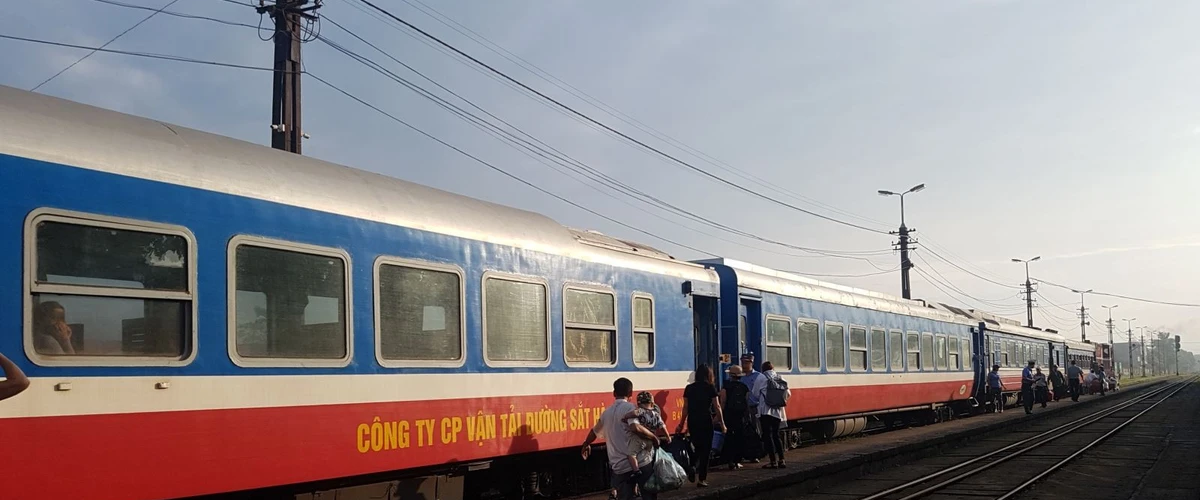
- Open a new entrance for Chinese enterprises to shift from selling equipment to co building industrial chains
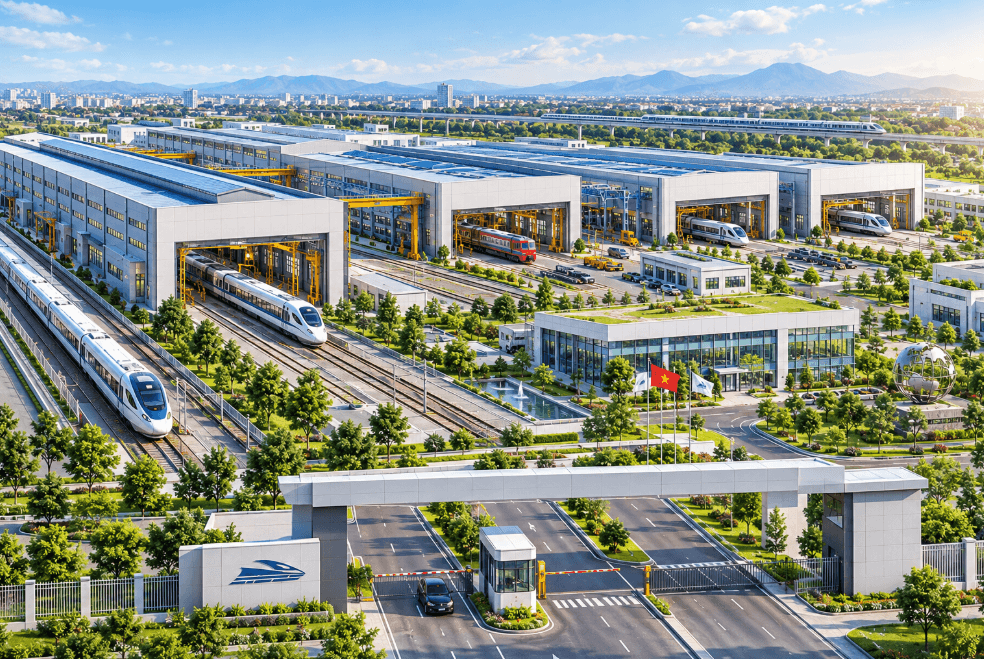
Fuchuan County, located in the southern suburbs of Hanoi, is still surrounded by rice paddies and low rise villages. According to the drawings laid out by Vietnam Railway Corporation (VNR), in a few years, this area will be connected to the adjacent Ying County to form a factory building - cranes, test lines, painting workshops, and training centers squeezed together. Vietnam's first self assembling urban rail transit high-speed train will depart from here.
The car making dream in the southern suburbs of Hanoi
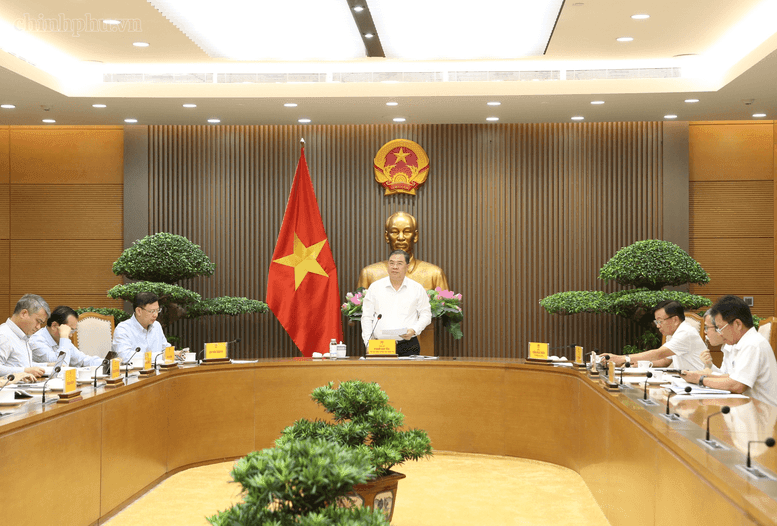
Recently, Vietnamese Deputy Prime Minister Pham Gia Trong presided over a meeting on the investment and construction plan for the railway industry complex project, and agreed that the Vietnamese Ministry of Construction would take the lead in organizing the preparation of a feasibility study report for the project investment, taking a crucial step forward.
According to VNR's previous proposal, the railway industry complex is planned to be located in Fuchuan County and Yinghe County of Hanoi City, with a planned area of approximately 250 hectares. It is planned to be divided into 25 functional zones, covering railway vehicle assembly, maintenance, parts manufacturing, and related supporting industrial facilities. The preliminary total investment scale of the project exceeds 17.5 trillion Vietnamese dong, approximately 670 million US dollars. It is planned to use all national public investment funds, excluding land acquisition and site leveling costs. VNR suggests that it serve as the project management agency.
A two-step timetable
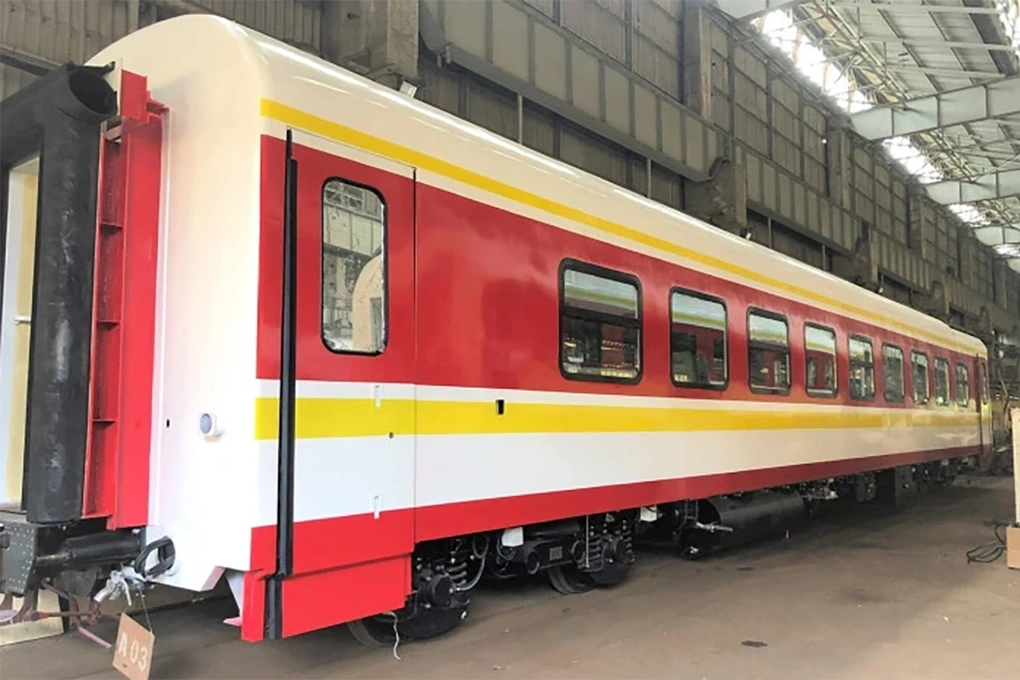
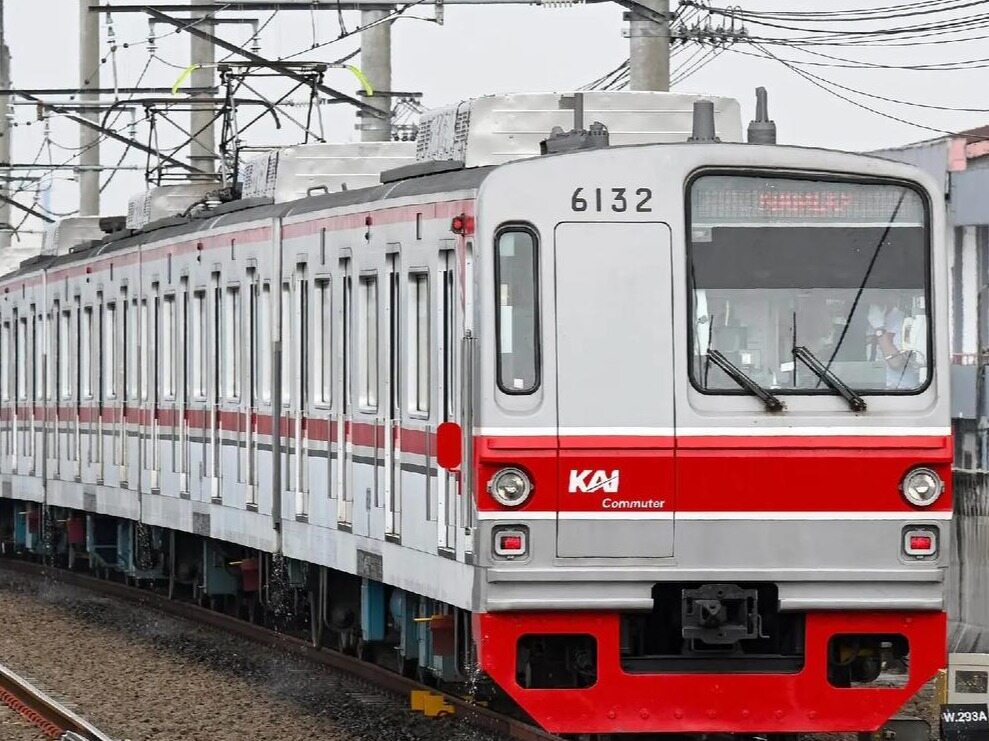
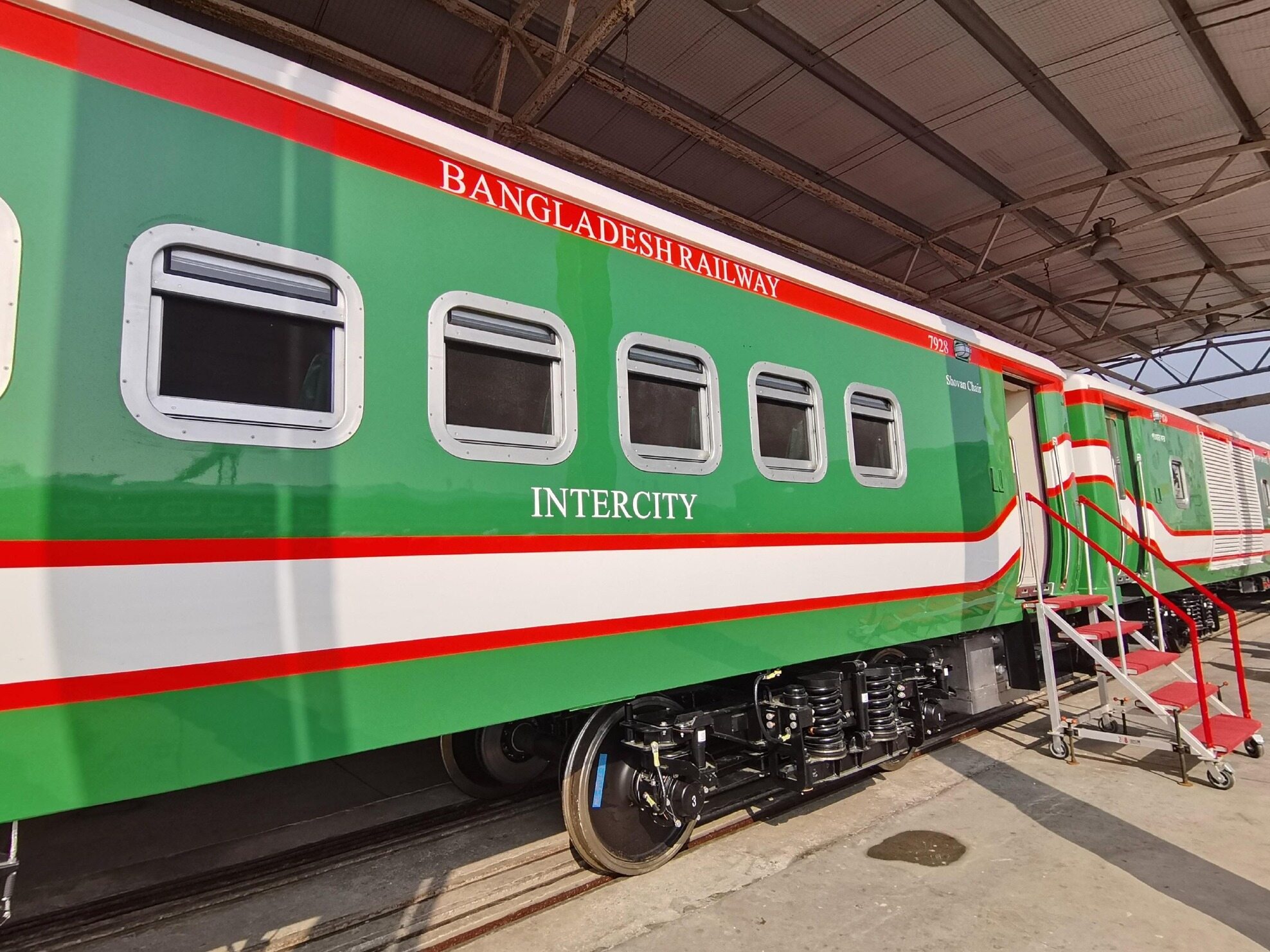
The project construction and equipment installation period is about 3 years, which will be carried out in two stages. The first phase is planned to be implemented from 2026 to 2028, with an investment of over 7.4 trillion Vietnamese dong, mainly used for the construction of technical infrastructure and the installation of mechanical equipment. The goal is to form the assembly capacity of electric locomotives, passenger cars with a speed of 160 kilometers per hour, especially urban rail transit electric multiple units. The second phase is planned to be implemented from 2031 to 2032, with an additional nearly 10.1 trillion Vietnamese dong, focusing on achieving independent production of core components and materials such as bogies, car bodies, and parts.
According to VNR's earlier vision, this path extends further: first master the complete vehicle manufacturing of passenger and freight trains with a speed of less than 160 kilometers per hour, increase the localization rate of electric locomotive assembly to over 30%, and gradually gain the technological share of the assembly of high-speed trains for the North South high-speed railway.
Opportunities for entry of Chinese enterprises
A complex is not an isolated factory building. It aims to serve the railway network that Vietnam is currently expanding: the Lao Cai Hanoi Hai Phong standard gauge railway has started construction on December 19, 2025, with a designed speed of 160 kilometers per hour, using the same 1435mm standard gauge as China, and is planned to be completed by 2030; The two routes of Tongdeng Hanoi and Mangjie Halong Haiphong are also being promoted.
The Sino Vietnamese Joint Statement of April 2026 clearly states that China is willing to cooperate with Vietnam in the railway field in terms of loans, technology, training, industrial capacity, etc., and guide high-quality Chinese enterprises to participate in railway construction. In September, companies such as China Energy Engineering and China Communications Construction expressed their intention to participate in three cross-border railways during the China ASEAN Expo. From the completion and operation of the Hanoi Light Rail Jiling Hedong Line, to the construction of the Ho Chi Minh City Metro and Hanoi Metro Line 5, Chinese enterprises have been deeply involved in the field of rail transit in Vietnam for many years.
Deputy Minister of Construction of Vietnam, Nguyen Minh Fai, reminded that the railway industry complex has complex technology, large investment scale, and long recovery cycle, and needs to be closely linked with railway infrastructure projects. The focus should be on evaluating technology transfer, talent cultivation, participation of domestic Vietnamese enterprises, and localization rate.keywords:Southeast Asia engineering information network
For Chinese enterprises, the strategy during the window period is also changing: low price bidding is becoming increasingly difficult to pass, and the real path to enter the Vietnamese railway industry chain is through equipment export, technology transfer, and local cooperative production.Editor/Yang Meiling
Comment


 Praise
 Collect
 Comment

 Share
Share


Write something~