 Search


- Taijiama's Livelihood Photovoltaic Expansion Helps Upgrade Regional Low Carbon Development
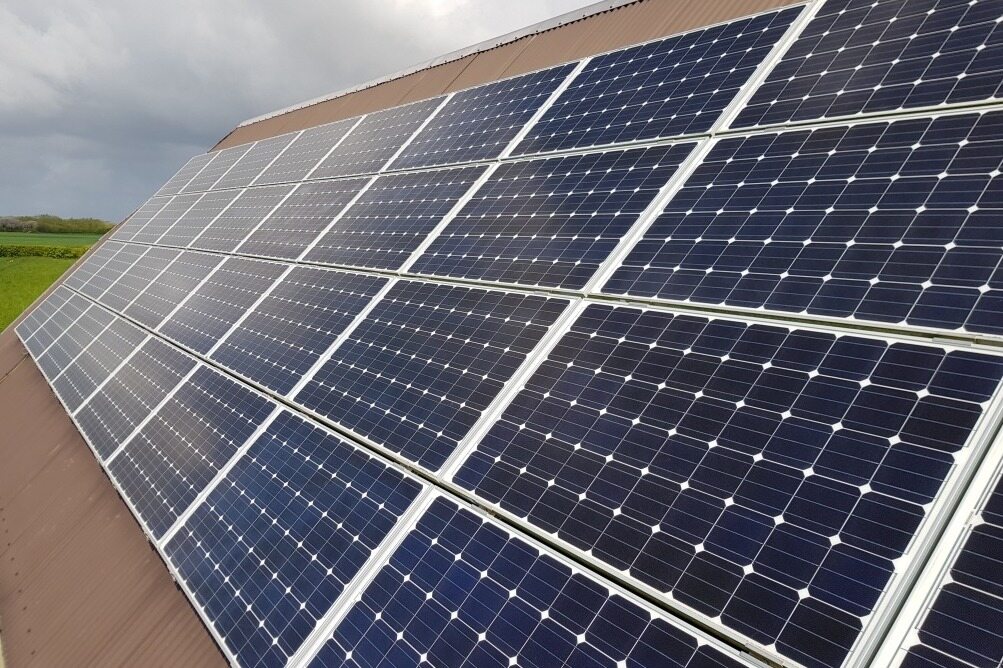
Under the global trend of clean energy transformation, Southeast Asian countries continue to optimize their energy structure, and distributed photovoltaics have become a key focus for popularization. Thailand has heavily upgraded its public solar energy support policies, significantly increased the installed capacity, and activated the vitality of private green power generation through long-term electricity price subsidies.
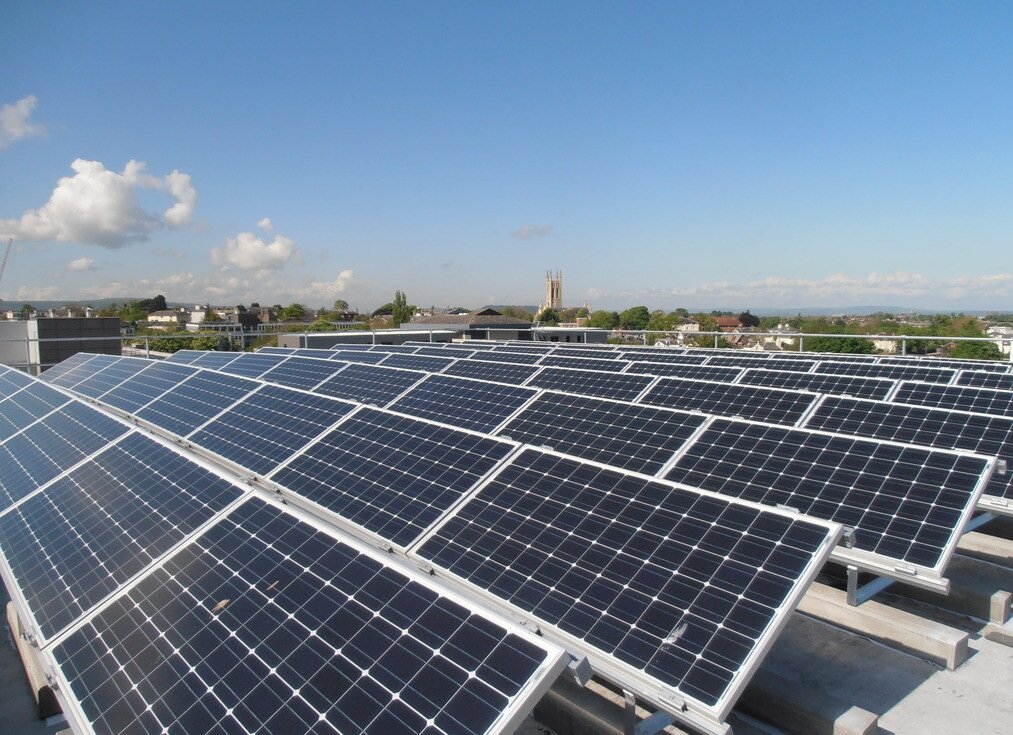
Comprehensive policy upgrade
On September 18, 2026, the National Energy Policy Committee of Thailand officially approved the plan to expand public solar power generation. This policy adjustment will directly double the cumulative power purchase target of 5000 megawatts to 10000 megawatts, significantly expanding the scale of private photovoltaic grid connected power generation. The official has established a unified electricity price standard, and the surplus electricity generated by residential photovoltaic power generation is sold on the grid at a fixed purchase price of 2.20 baht per kilowatt hour, with a stable purchase period of up to 20 years. Long term income guarantee effectively eliminates public investment concerns and greatly mobilizes the enthusiasm of households to install photovoltaic equipment. Keywords: Thailand's photovoltaic policy, clean energy for people's livelihoods
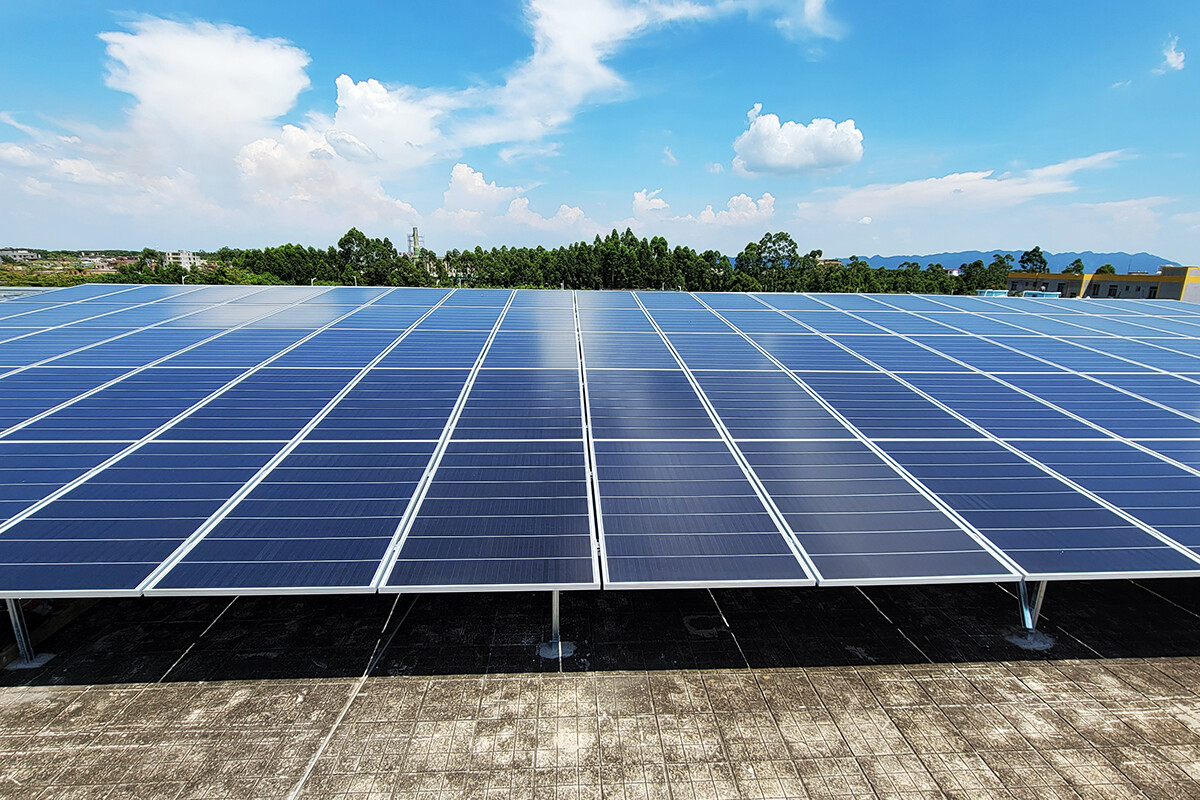
Empowering Energy Innovation
This large-scale expansion is a key measure for Thailand's energy transformation, relying on the distributed photovoltaic mode on residential rooftops to activate dispersed private clean energy resources. It can effectively supplement the national power supply, alleviate the pressure of power grid supply, reduce the dependence on traditional thermal power, and lower the level of carbon emissions. At the same time, it aims to transform ordinary people from electricity consumers to energy producers, and broaden channels for increasing household income. The implementation of this policy will continue to improve the layout of Thailand's clean energy industry, accelerate the elimination of traditional energy dependence, and provide important reference for the development of Southeast Asia's green energy industry.Editor/Min Jing
Comment




 Praise
 Collect
 Comment

 Share
Share


Write something~