 Search


- Find a pivot for its own light asset transformation
- Also add flexible film to the puzzle of local photovoltaic manufacturing in Indonesia
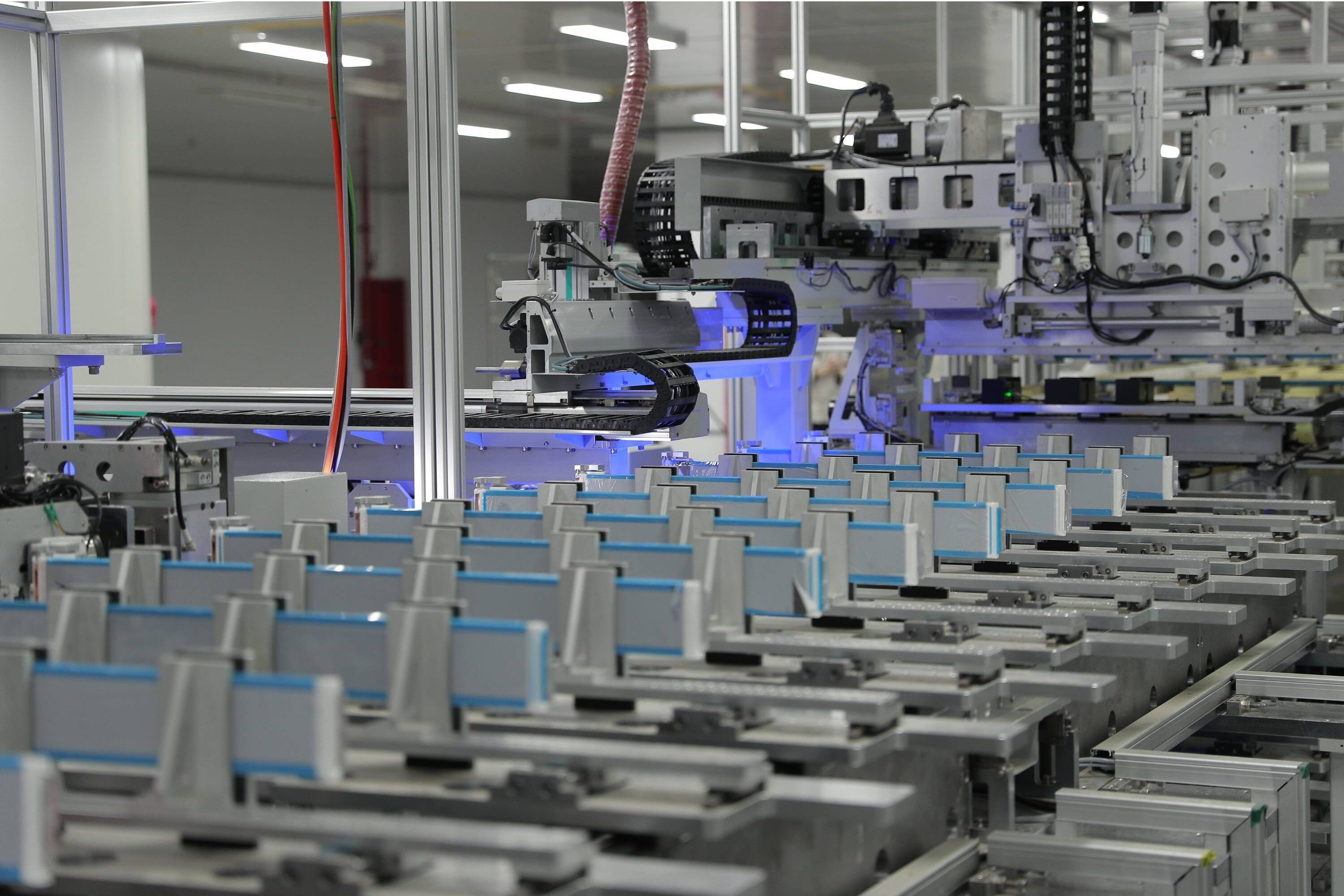
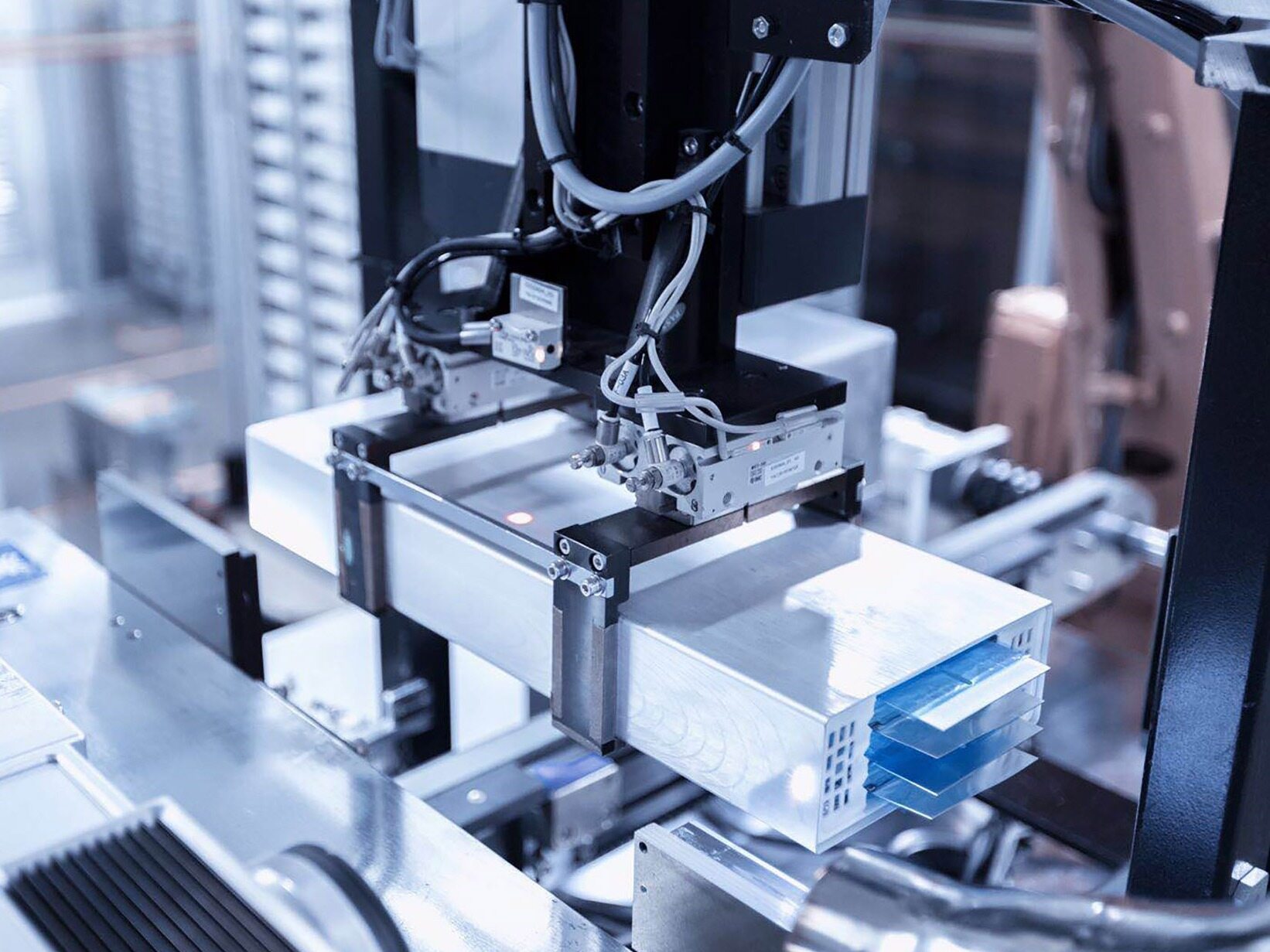
A DUO thin-film battery production equipment was originally scheduled to operate in a factory in Fren, central Sweden. In early September, as the subsidy application for the Swedish Energy Agency's industrial leap project was rejected, Midsummer voluntarily gave up the approved 32.3 million euro EU Innovation Fund, and the planned annual production capacity of 200MW copper indium gallium selenide thin-film battery factory was put on hold. In less than a month, the destination of similar devices changed direction - Southeast Asia, Indonesia.
Subsidies fail, factory dreams come to an end
The Fren factory was not a spur of the moment idea, and the original plan was to conduct trial production in 2026 and reach production by 2028. But after the subsidy failed, the internal rate of return of the project has become difficult to meet. The company has made it clear that it is unwilling to borrow heavily for a heavy asset factory and does not intend to raise large amounts of funds from shareholders. Sweden will only retain about 5MW of R&D and trial production lines for technological iteration, and will no longer undertake large-scale manufacturing tasks. The setback in local expansion has actually led to a strategic shift: shifting the focus of mass production overseas and collaborating with industrial partners in various regions through a light asset model.
Starting from 20MW, the Indonesian bureau
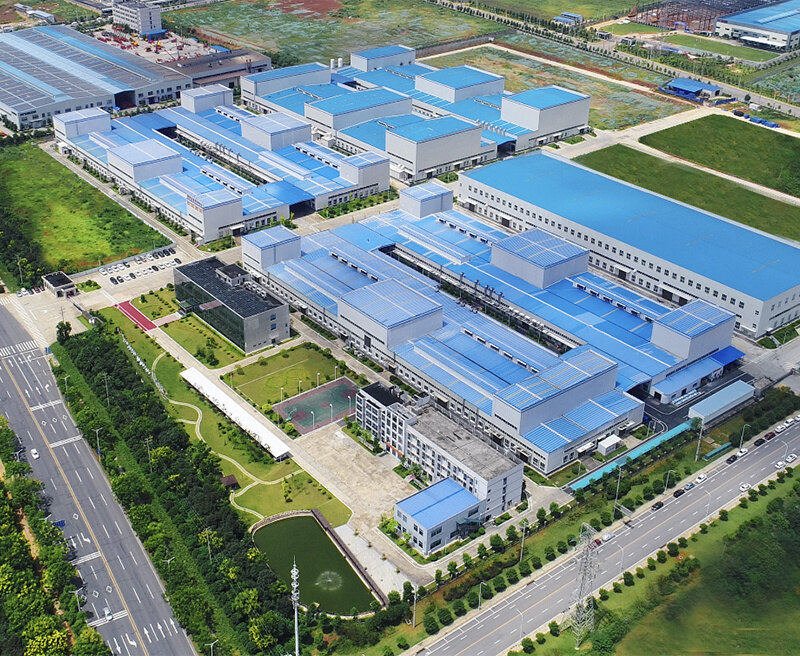
The investment and industrialization framework agreement signed with Indonesian technology company PT Metalogika Rekayasa Sistem is binding. According to the plan, the initial annual production capacity of the joint venture factory is 20MW. After completion of commissioning and successful operation, both parties plan to evaluate the expansion to 200MW. If market demand, financing, operational performance, and subsequent investment decisions allow, it can further move towards GW level.
In terms of division of labor, Midsummer holds a minority stake in the Indonesian joint venture and is responsible for providing production equipment and related services. The first batch of equipment will include its self-developed DUO thin-film battery production system. The equipment procurement will be initiated after the joint venture company is officially established and the agreed conditions are met. This arrangement is quite sophisticated: before the manufacturing equipment arrives in Indonesia, the required investment and import framework must be established first. Initially supplying to the Indonesian domestic market, and later supporting Southeast Asia and other markets.
Global decline of light assets
Indonesia is the key landing point for this transformation. The country has set ambitious targets for photovoltaic installation, accompanied by local content requirements, providing a policy moat for local production capacity. Midsummer CEO Eric Jaremalm stated that the company hopes to establish long-term industrial cooperation, combining its own technology and manufacturing experience with Metalogika's industrial capabilities in Indonesia. Firrisky Nurtomo, President and Director of Metalogika, pointed out that the first factory is a feasible entry point for Indonesia to establish greater photovoltaic manufacturing capacity, and the long-term roadmap provides a path for significantly improving local manufacturing capabilities.
Outside of Indonesia, this Swedish company is synchronously advancing its overseas layout: exploring the feasibility of building a 200MW battery factory in Thailand with Saab Group, the Colombia project has brought about equipment orders of about 380 million Swedish kronor, and the Bari factory in Italy continues to expand production, with a target annual capacity of 50MW.keywords:New energy information network
It should be noted that the Indonesian project still needs to obtain relevant approvals, implement financing, complete the establishment of joint ventures, and sign the final equipment agreement. There is still a long way to go from framework to mass production.Editor/Yang Meiling
Comment


 Praise
 Collect
 Comment

 Share
Share


Write something~