 Search


- Chinese robot companies establish factories overseas for the first time, opening up new space for local industrial upgrading

In the autumn of 2027, in a middle school classroom in Almaty, children may no longer just watch robot videos through screens, but instead hold a set of parts, tighten screws and type a line of code with their own hands, and watch the little robot standing up swaying in front of them. This scene is becoming a reality. On September 25, 2026, at the Almaty Kazakhstan China Investment Forum, Yellan Nabiev, CEO of NERO Group in Kazakhstan, revealed that the company is working with Chinese robotics company UBTech to promote a robot localization production project, with a first phase investment of approximately $440 million.
From meeting to signing a contract
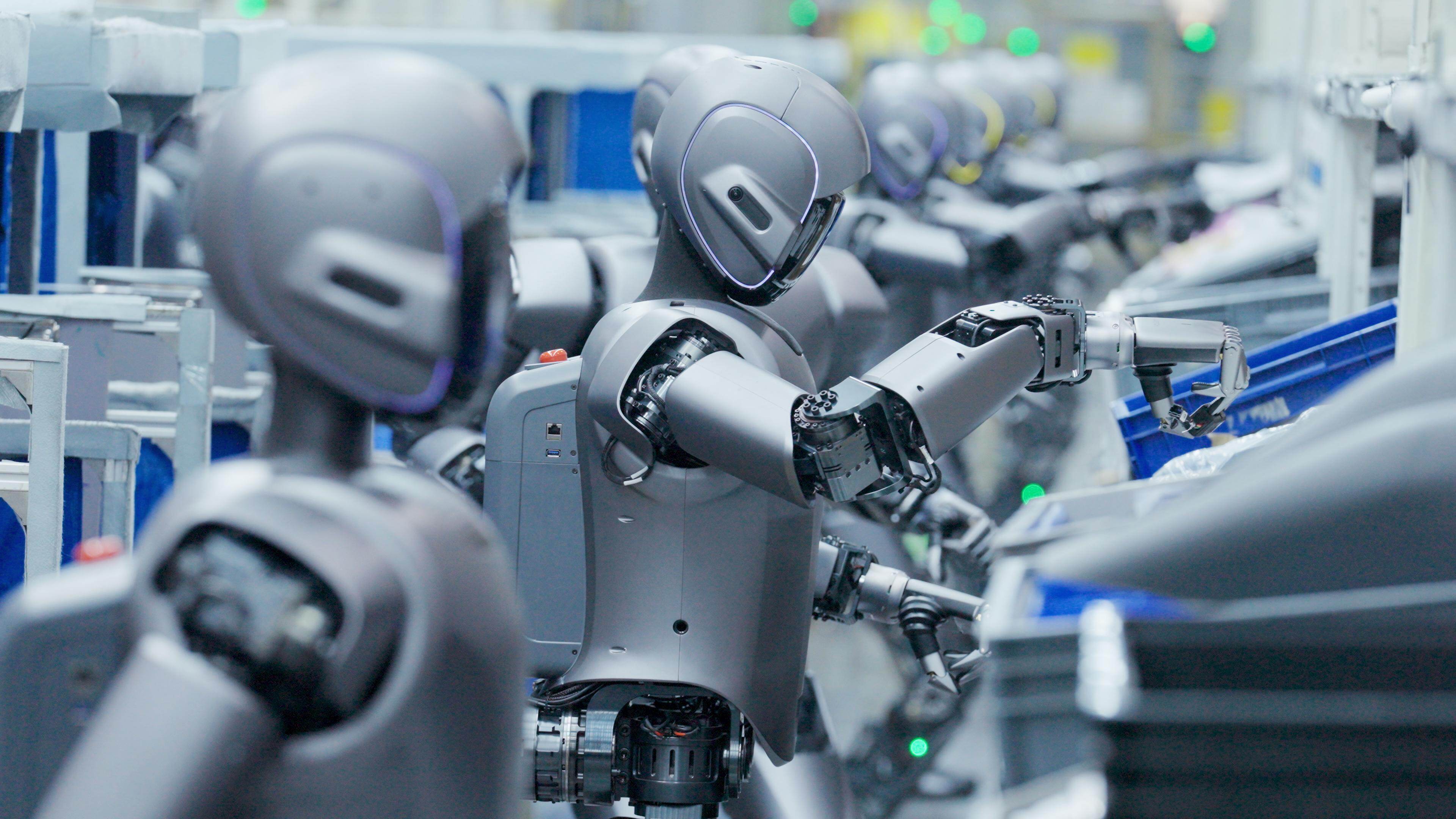
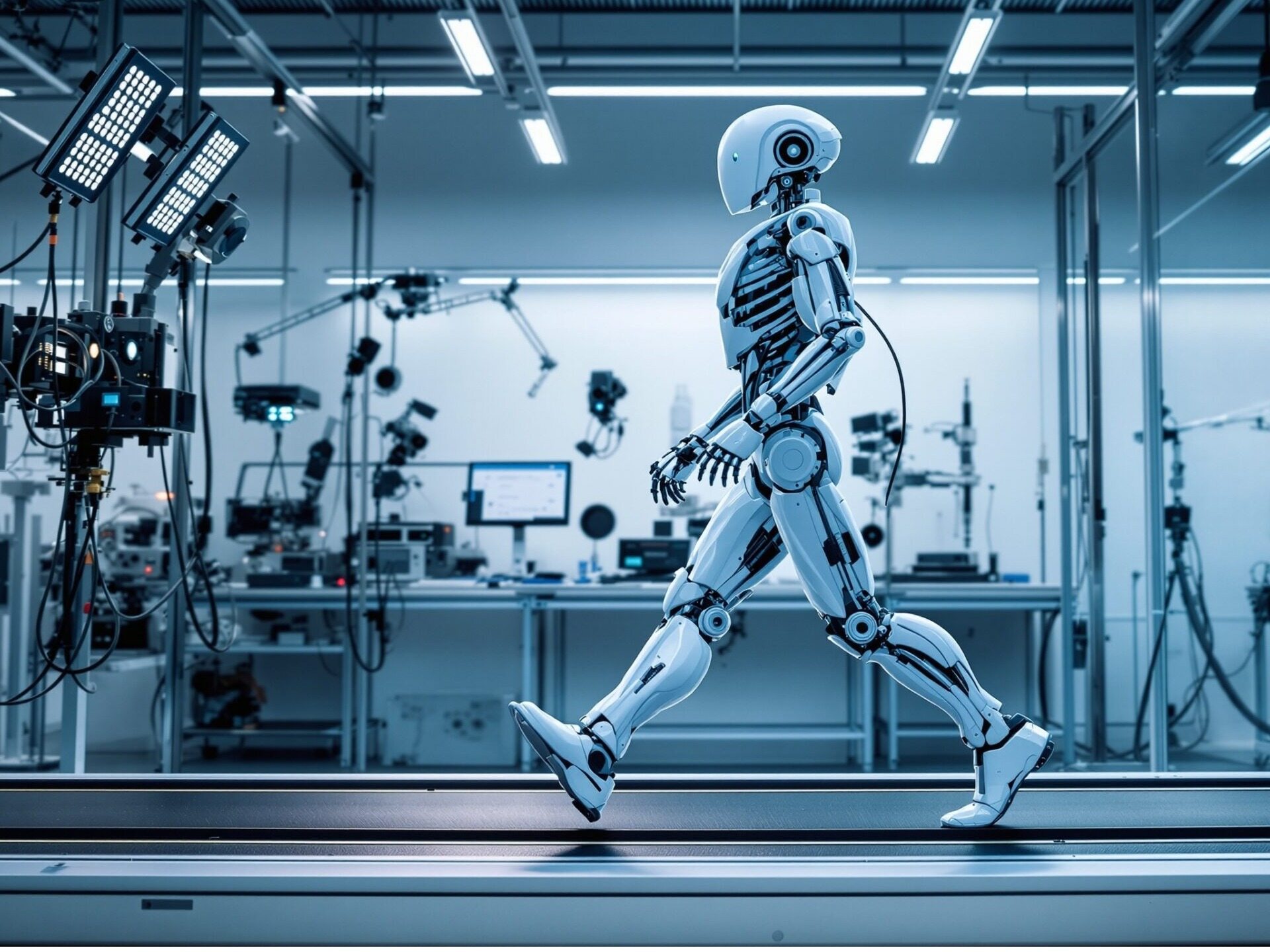
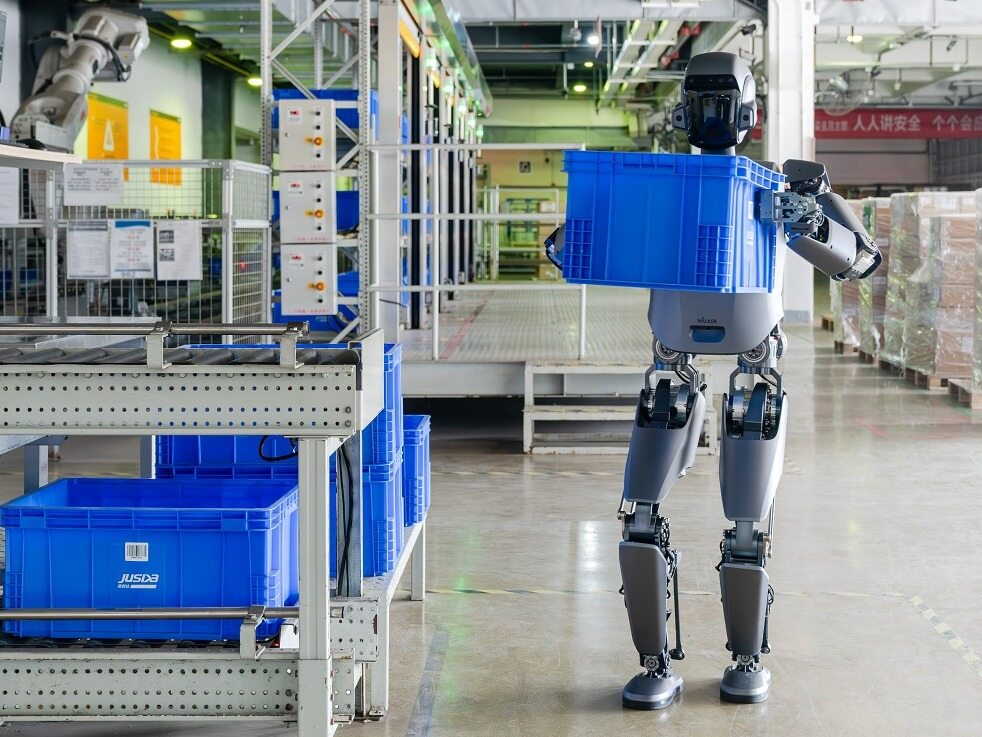
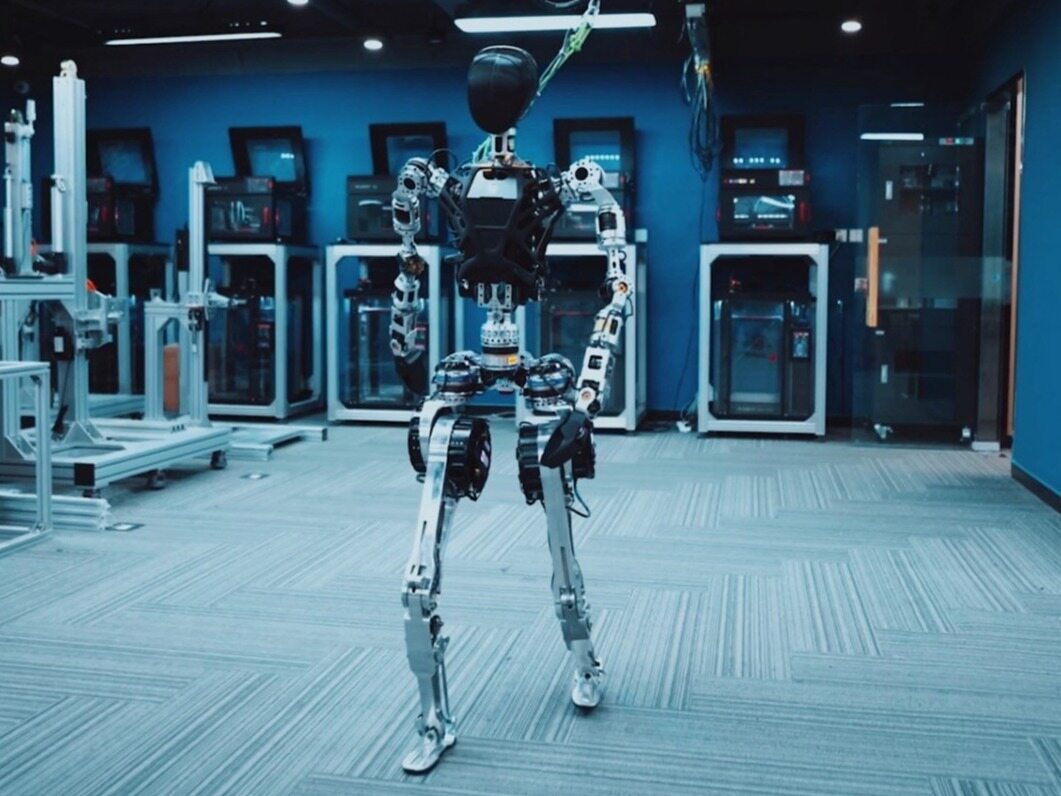
The story begins in November 2025. Under the promotion of the Almaty Municipal Government, representatives from NERO Group sat together with the management team of Ubiquitous. Subsequently, cooperation continued to heat up: in July 2026, during President Tokayev's work visit to Shanghai, the Almaty Municipal Government, NERO Group, and UBTech signed a cooperation agreement on the development of artificial intelligence and robotics technology. According to the division of labor announced by the Almaty Municipal Government, UBS provides teaching materials, software, technology, and engineering solutions, as well as production technology for AI education and service robots. NERO Group, as a local partner, provides production capacity, technical personnel, and operational support. This will be the first production base of this company, founded in Shenzhen in 2012 and known as the first stock of humanoid robots, outside of China.
Teaching aids are implemented first
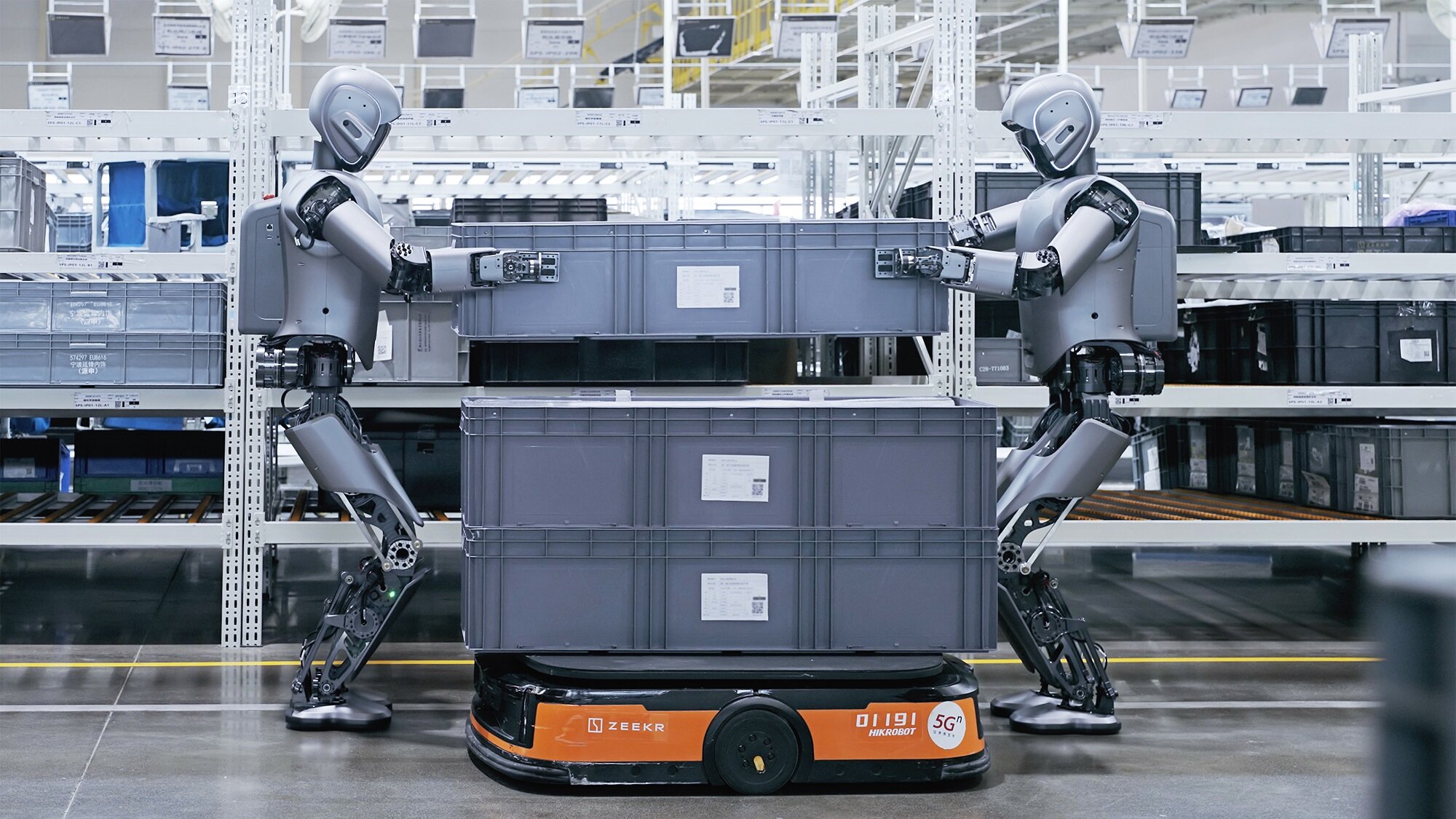
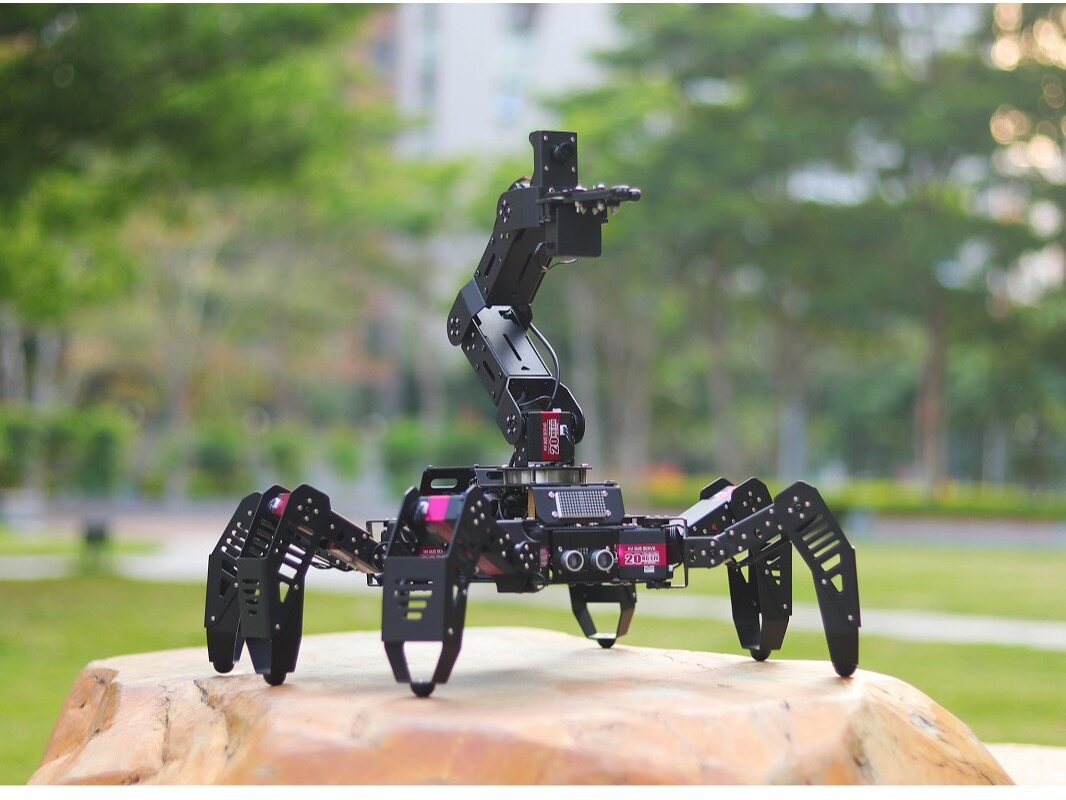
According to the disclosed investment structure, approximately 340 million US dollars will be used to introduce the production technology of Ubiquitous humanoid robots, with approximately 100 million US dollars invested by NERO Group. The project will be located in the Almaty Innovation Technology Park Economic Zone. A production and research center with an area of approximately 25000 square meters is currently under construction. The first to start is the education line: the education robot kit project is planned to be launched in October this year, with an annual production capacity of 50000 sets. The first batch of products will enter 30 schools based on orders from the Almaty municipal government, and the plan is to expand to 200 schools by 2028. Nabiev said that the most important thing is that children will personally assemble domestically produced Kazakh robots and learn robot assembly, programming, and artificial intelligence technology.
More than one factory
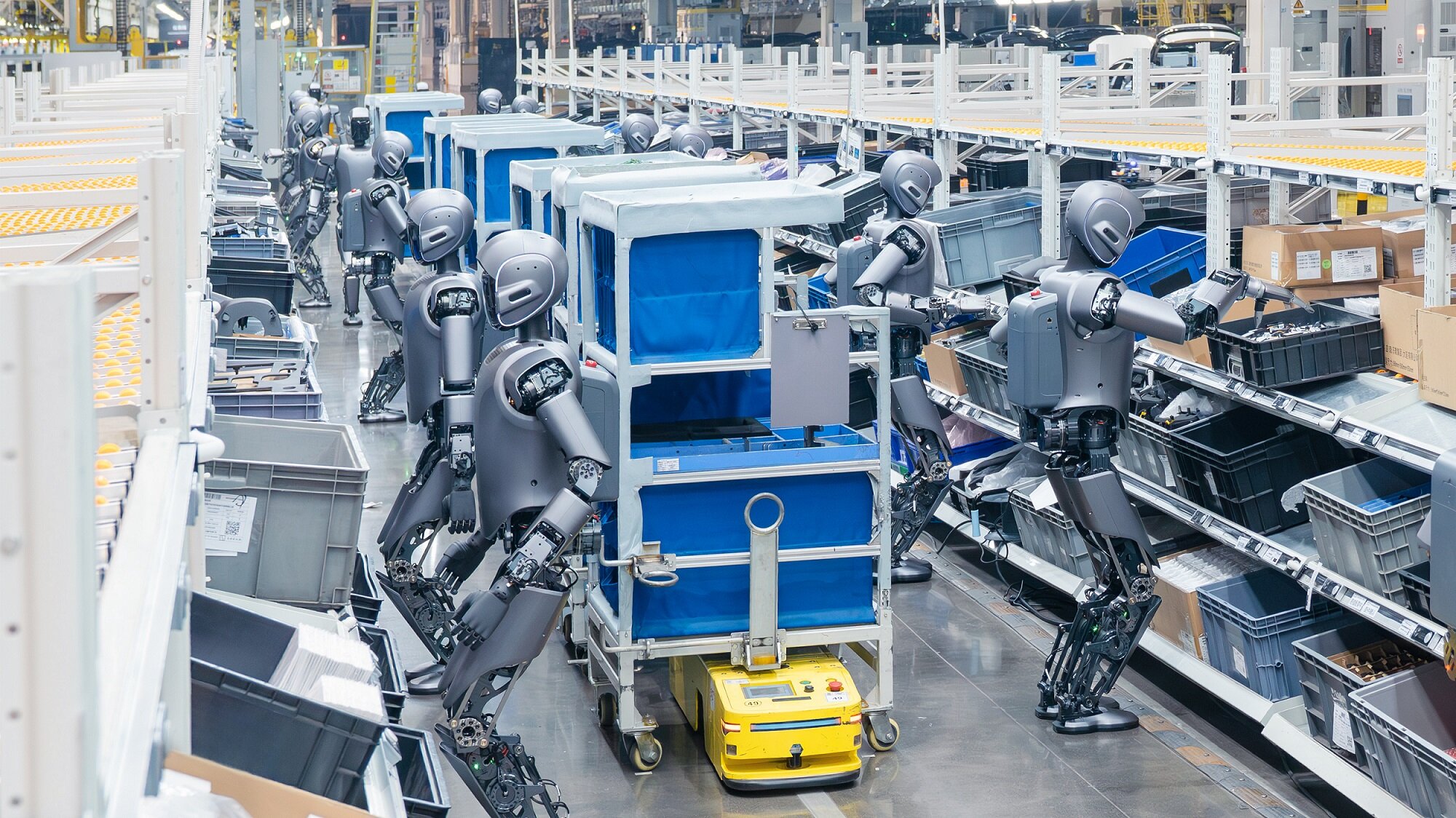
In addition to hardware, software will also be developed locally in Kazakhstan. The localization production plan for service robots and humanoid robots will be launched in the second quarter of 2027, with a planned annual output of 1000 units. The application scenarios will focus on education, commercial services, industrial manufacturing, and logistics. Nabiyev repeatedly emphasized that the goal is not to replace humans with robots, but to make robots assistants to humans, with a focus on education and services rather than entertainment. To this end, NERO Group is establishing cooperation with universities such as Al Farabi Kazakh National University and Satbayev University to attract researchers to participate in robot technology research and talent development. The project will also create a large number of job opportunities. Keywords: Latest news from Central Asia, high-tech industries, robotics
Looking at it in a larger context, this cooperation occurred during the window period of China Kazakhstan economic and trade warming: this forum gathered more than 600 representatives and nearly 200 Chinese companies, signing commercial documents totaling over 8.2 billion US dollars, covering fields such as automobiles, pharmaceuticals, robots, and coal chemical industry. Chinese companies are shifting from selling products to building factories, and the path of education first, research and development follow-up, and industrial undertaking has made the significance of this Central Asian factory go beyond production capacity itself.Editor/Yang Meiling
Comment



 Praise
 Collect
 Comment

 Share
Share


Write something~