 Search


- In the factory passage, humanoid robots carry trays and walk by. By 2026, they will no longer be just performers on stage
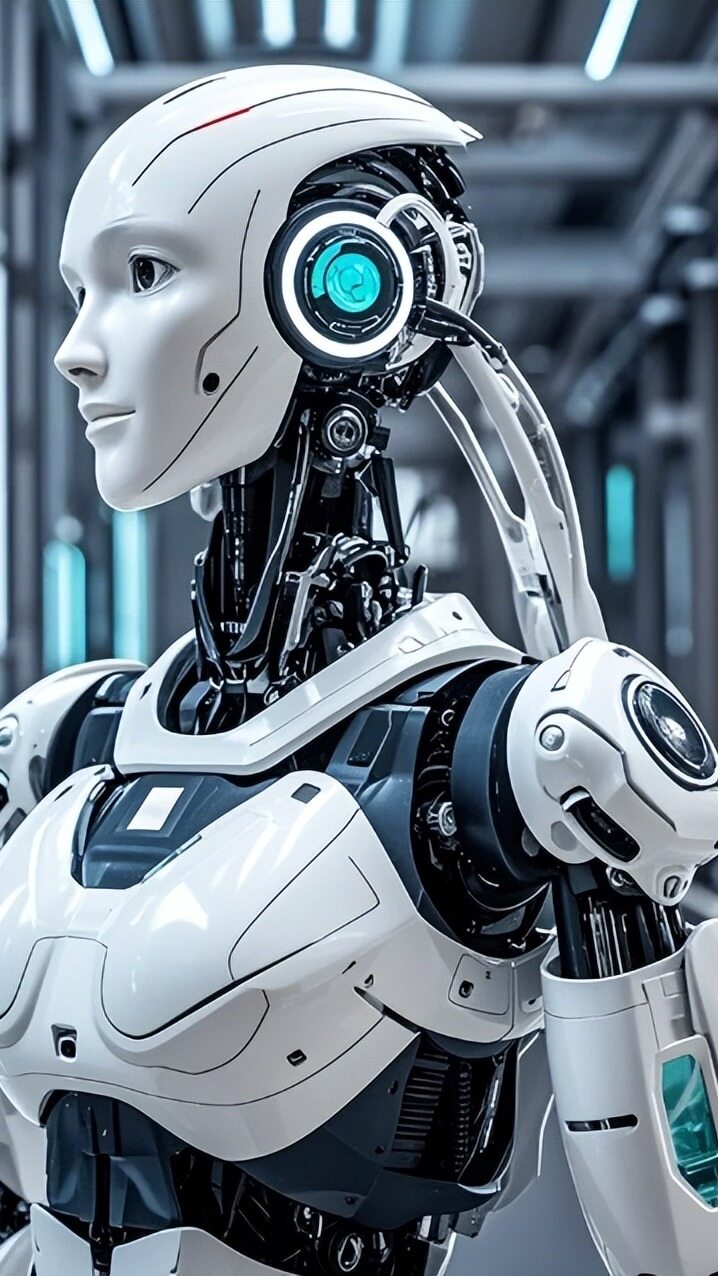
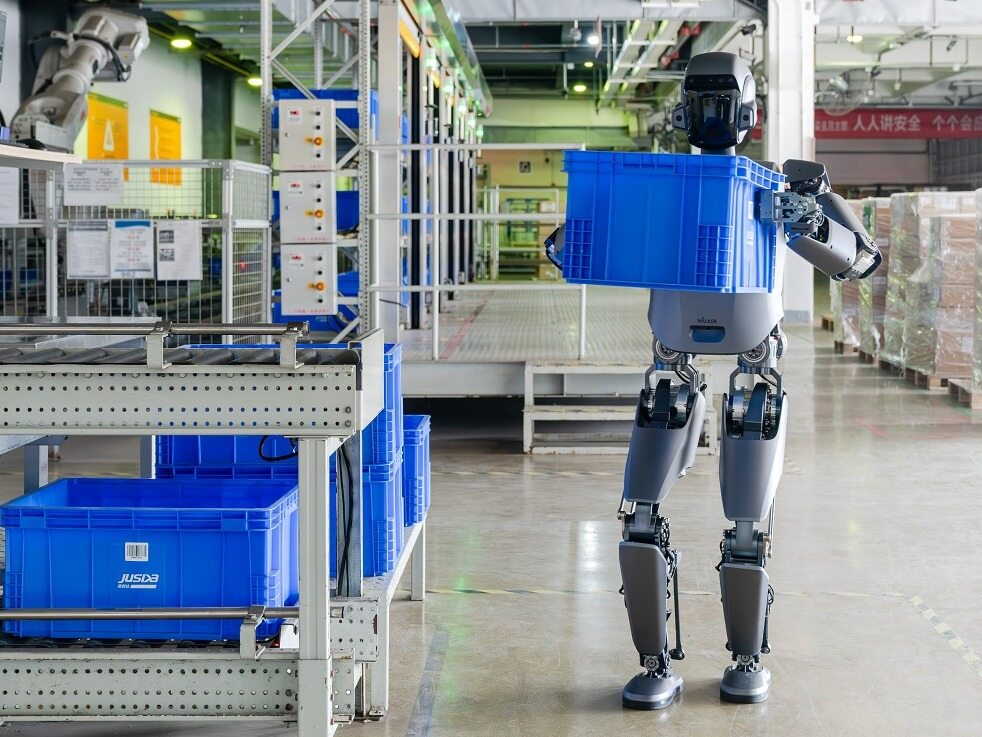
In the material channel of Beijing Yizhuang Intelligent Factory, a humanoid robot with a height of 1.8 meters is steadily holding the tray, bypassing the cable joints on the ground, and accurately delivering the components to the workstation. In 2026, humanoid robots that used to only perform somersaults on stage will have truly entered a group of real-life work scenarios.
Industrial scene takes the lead in small-scale implementation
Automobile manufacturing is currently the most mature pilot field. In the welding and assembly workshops of many leading domestic car companies, humanoid robots are undertaking repetitive tasks such as wire harness insertion, component transportation, and screw fastening. Some 3C electronics factories have introduced robots to complete fine processes such as screen inspection and accessory placement. With the help of embodied intelligent algorithm iteration, their repeated positioning accuracy can be stably controlled within 0.02 millimeters.
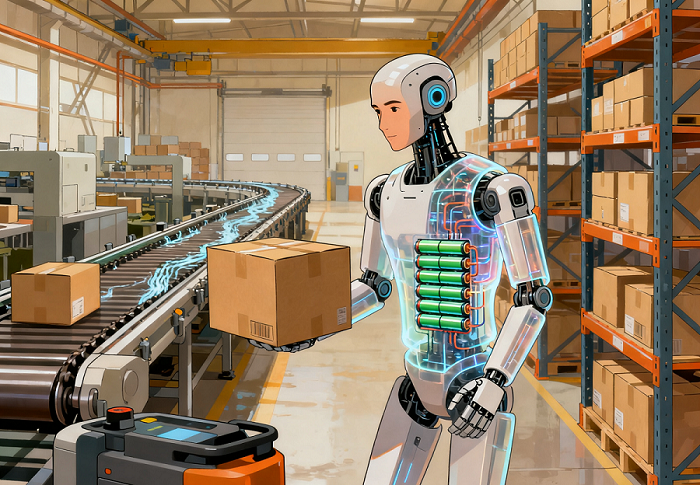
The landing speed of warehousing and logistics scenarios is also accelerating. In multiple e-commerce warehouses in the Yangtze River Delta and Pearl River Delta, humanoid robots are replacing manual labor to complete tasks such as high-level shelf picking, express sorting, and inventory counting. They can adapt to the originally designed work channels without the need for large-scale renovation of existing sites. In the first half of 2026, industrial applications accounted for nearly 30% of global shipments of humanoid robots.
Multiple flowering points in public service scenarios
Cultural tourism and commercial exhibition scenes are currently the highest proportion of landing areas. More than 20 cities' museums and theme parks across the country have introduced humanoid robots to undertake tasks such as guided tours, interactive performances, and cultural and creative sales. Robots in some scenic spots can also provide tourists with simple route guidance and emergency assistance services.
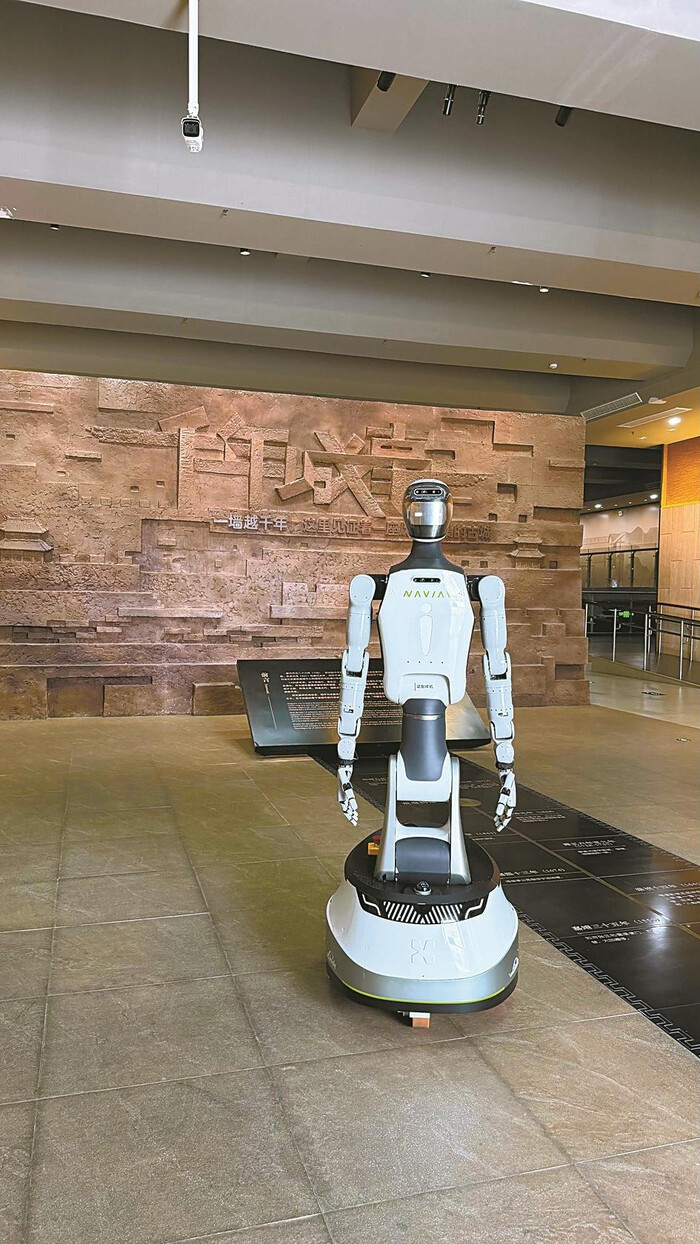
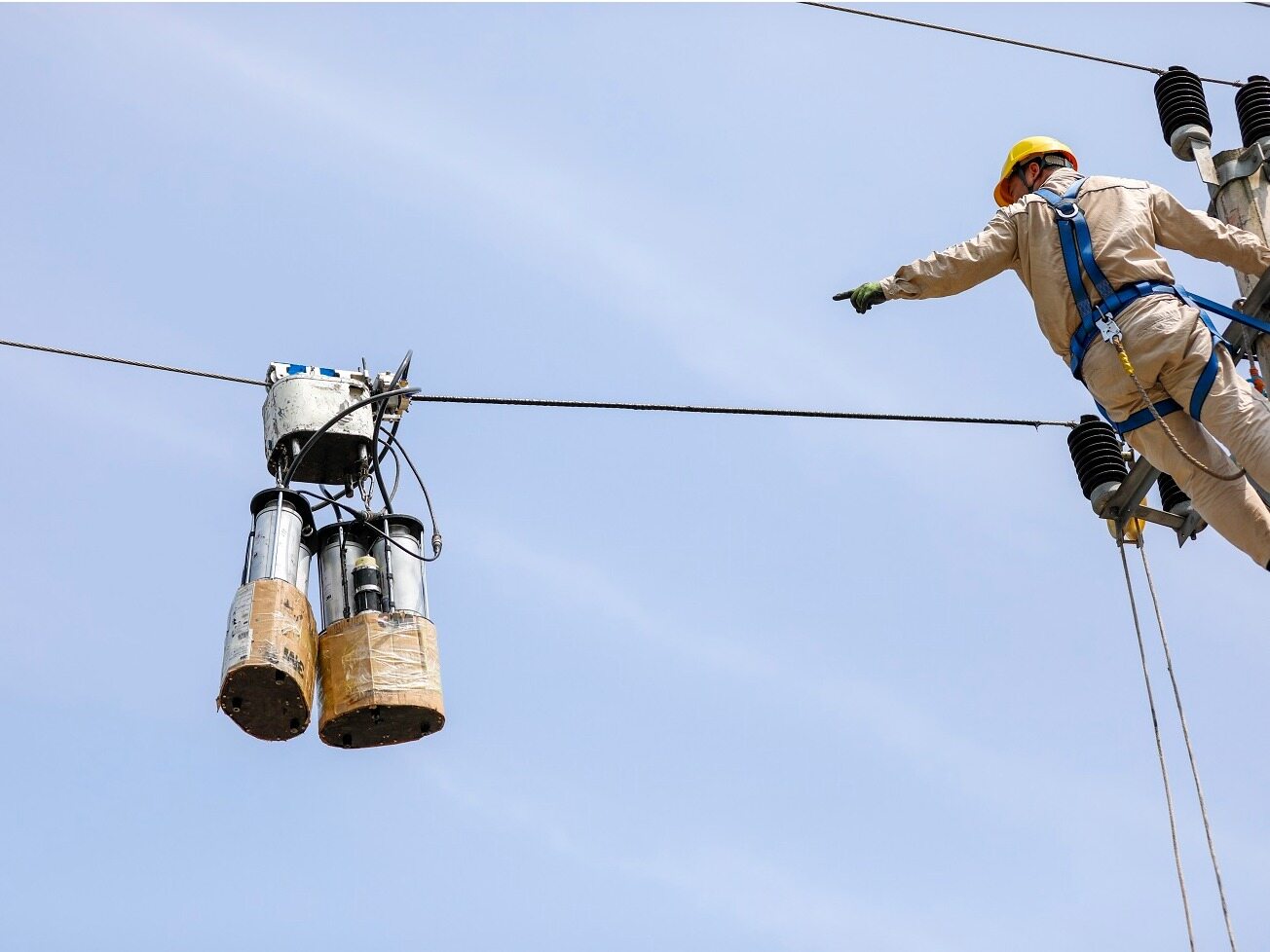
The pilot of special inspection scenarios is also rapidly advancing. Some domestic thermal power plants and hydropower stations have deployed humanoid robots to replace manual entry into high-risk areas to complete tasks such as equipment inspection, dial recording, and hidden danger investigation. They can work continuously for more than 4 hours in complex working conditions with high temperature and high noise, greatly reducing the operational risks of frontline personnel. Keywords: high-tech, robotics
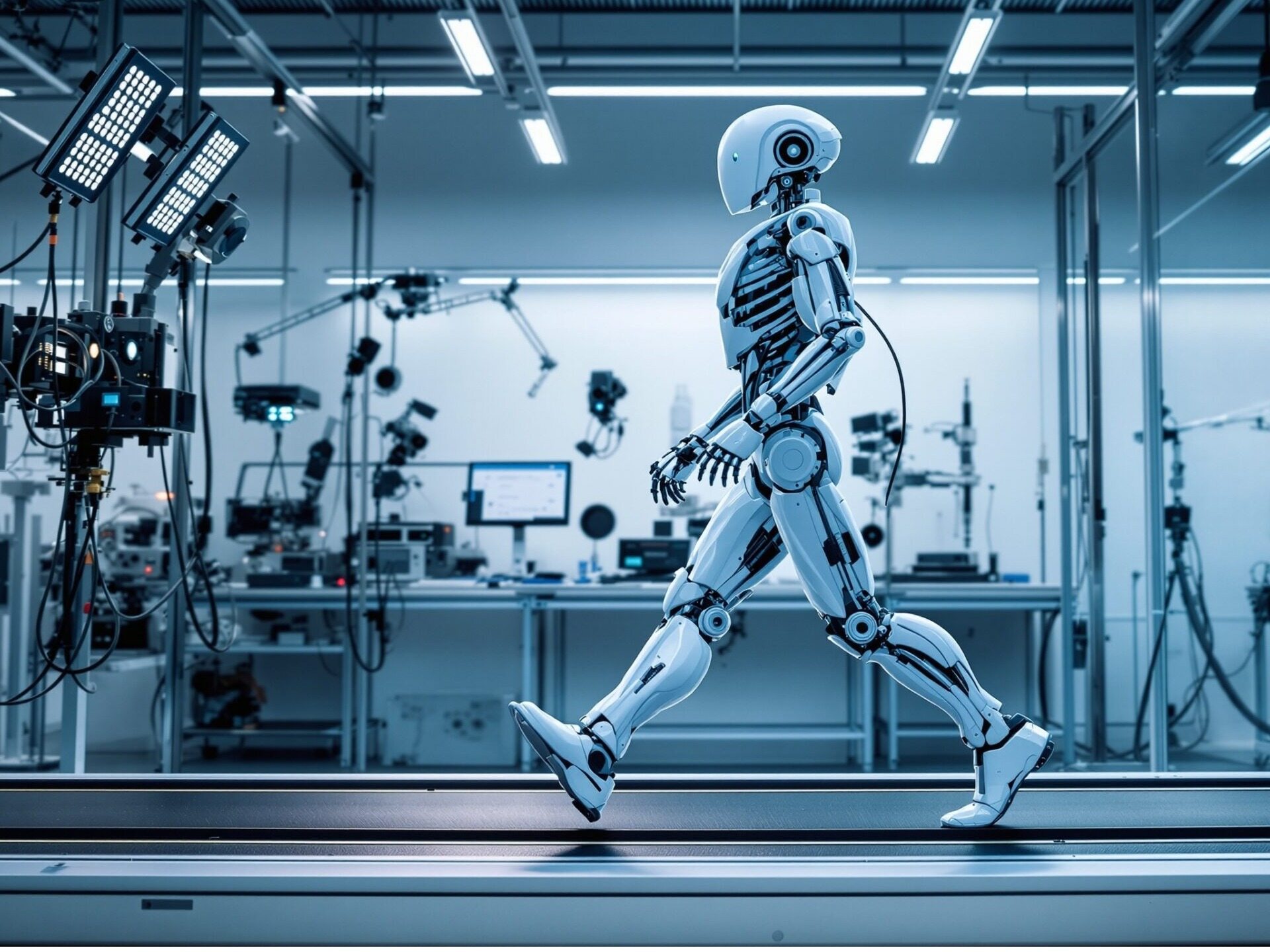
From the testing bench in the laboratory to the real work site, the practical year of humanoid robots has quietly arrived at each specific workstation.Editor/Cheng Liting
Comment


 Praise
 Collect
 Comment

 Share
Share


Write something~