 Search


- The dual track parallel laying of the China Mongolia New Railway rewrites the logistics pattern
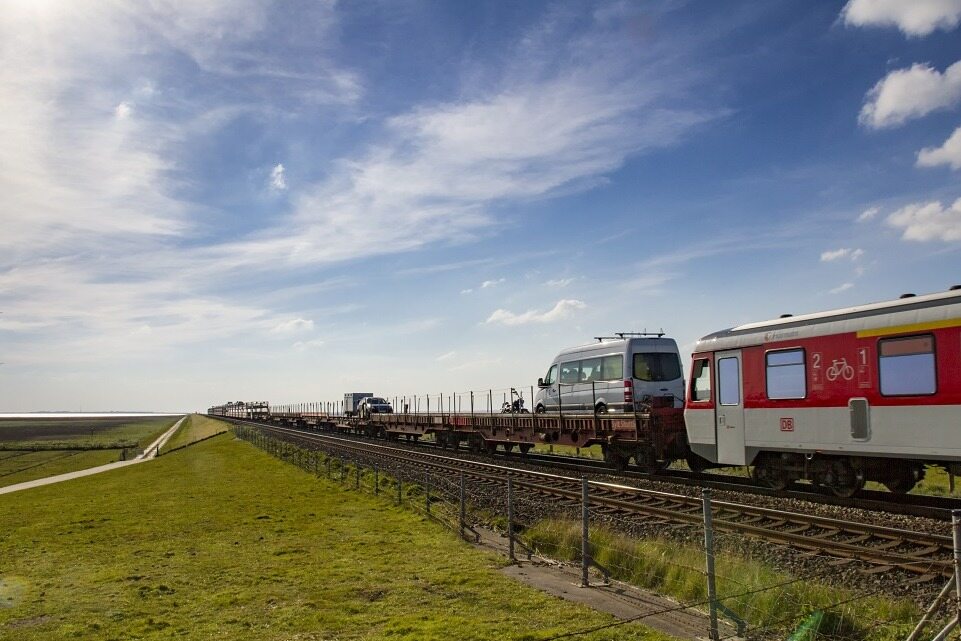
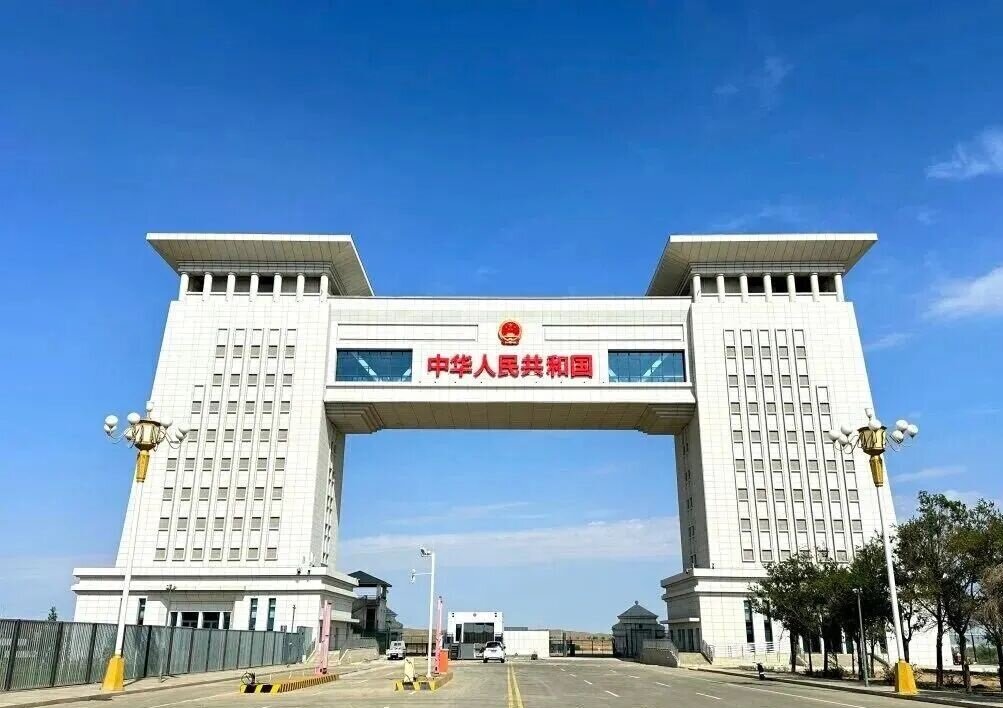
The long queue of trucks at Ganqimaodu Port finally waited for the track to clear the siege. The scene of heavy trucks loaded with coal and copper concentrate queuing up to clear customs is about to be rewritten by a 33.5-kilometer railway. In September 2026, the second cross-border railway between China and Mongolia was officially laid, with a dual track parallel design that allows trains to travel directly without changing equipment, and a north-south transportation artery is about to emerge.
Dual track parallel dismantling and replacement
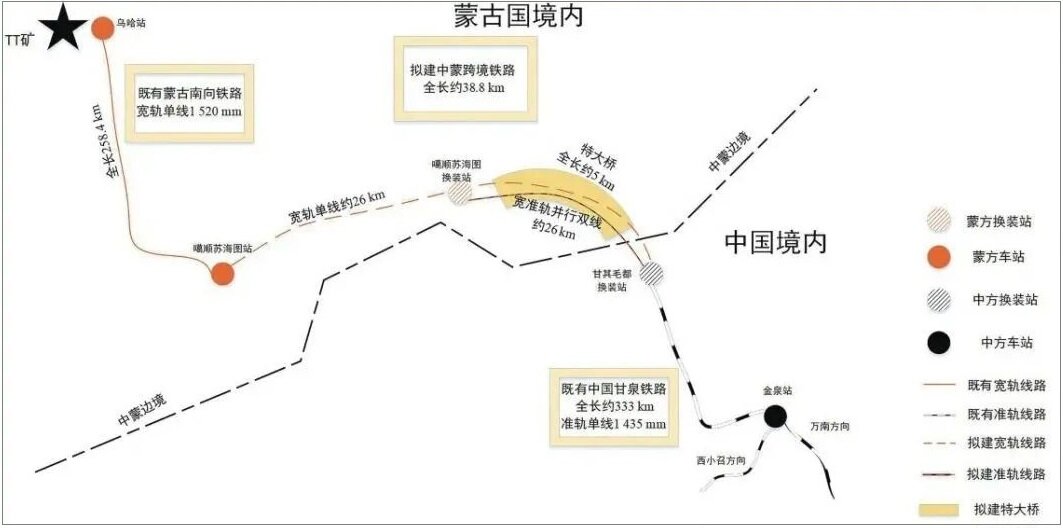
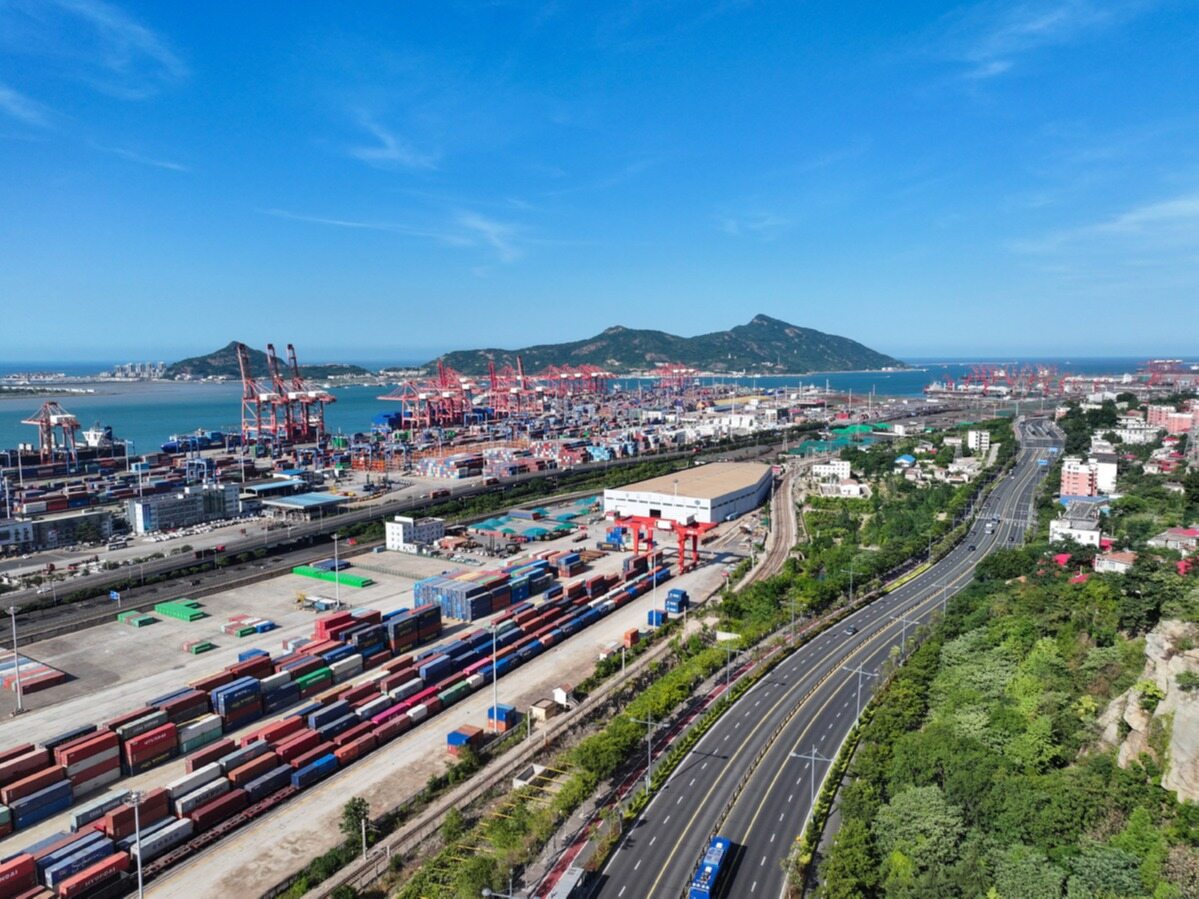
Ganqimaodu is the highway port with the largest freight volume between China and Mongolia. From January to April 2026, the cumulative freight volume completed was 18.391 million tons, a year-on-year increase of 53.4%. The transportation capacity is approaching saturation, and queuing for customs clearance has become almost a daily routine. After nearly 70 years, China and Mongolia have built their second cross-border railway. The track gauge design is the biggest highlight. The 1520mm Mongolian wide gauge and 1435mm Chinese standard gauge are laid in parallel, and trains do not need to change wheels or equipment. Mongolian wide gauge trains can directly reach Ganqimaodu Station, and Chinese standard gauge trains can also enter the Gashusu Port, solving the long-standing problem of time-consuming equipment changes. From the perspective of the road network, this line is the key puzzle of the China Mongolia Russia Economic Corridor. Keywords: Cross border railway, parallel double track distance
Leveraging the Regional Logistics Landscape
The project will start in May 2025, and the pile foundation, abutment, and pier body have been fully completed. More than 110 large machinery will be put into operation on site, with over 200 people working during peak hours. The highest daily track laying is 1500 meters, and the plan is to install the beams in October and complete the laying by the end of the year. After completion, the annual transportation capacity will reach 30 million tons. The Ganquan Railway is connected to the southbound railway in Mongolia, and goods can reach Russia through the Mongolian road network. It is connected to the Trans Siberian Railway to the north and directly reaches North China and coastal ports through the Ganquan, Baoshen, and Shuohuang railways to the south. Mongolia's exports to China account for 93.6% of its total exports, with copper concentrate and coal being the main force. The transportation capacity and stability of railways cannot be compared to highways. This channel also provides new options for China Europe and Central Asia freight trains, easing congestion at the Alashankou and Manzhouli ports. The idea of dual track parallel is more worthy of attention. Once replicated and promoted, the entire land transportation system in Northeast Asia may be redefined.Editor/Min Jing
Comment


 Praise
 Collect
 Comment

 Share
Share


Write something~