 Search


Strategic construction
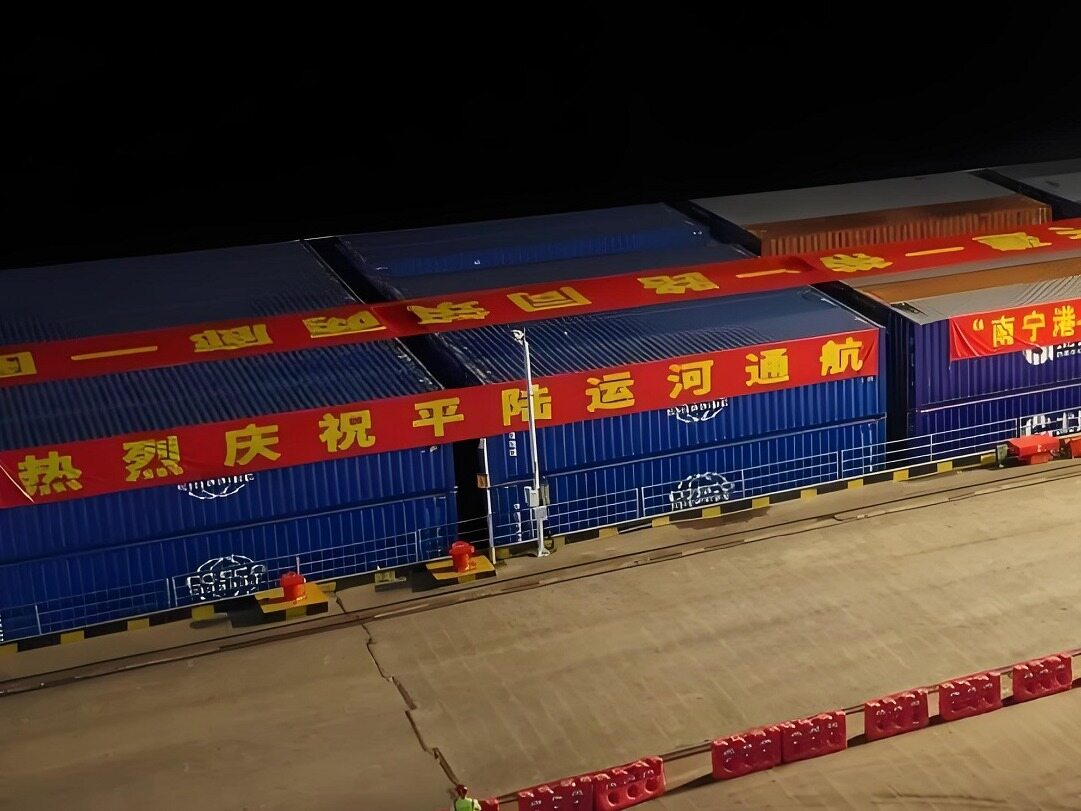
The Pinglu Canal unlocks three major highlights of the Century Project!
09-17
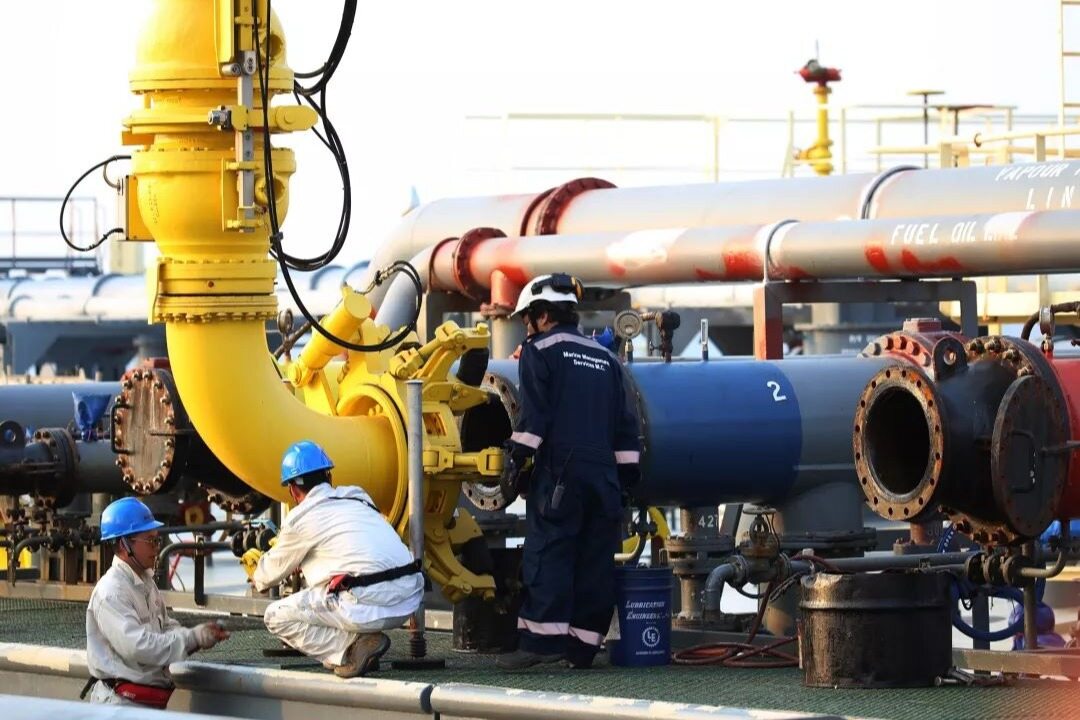
In the early morning, blue flames rose up from the kitchen of a household in Changshun County, Qiannan, Guizhou. The stove is clean and bright, and the water heater provides hot water 24 hours a day. You can cook and take a shower by simply turning the switch. A few years ago, this place was still the days of coal smoke walls and carrying cans for ventilation. The source of the change is the recently put into operation Changshun branch natural gas pipeline. With its connection to the national backbone pipeline network, all six branch lines in Qiannan Prefecture have been connected, and more than 28000 households have access to gas.
Acceleration during mainline running
The changes in Changshun are a microcosm of the accelerated construction of the national pipeline network. Since the beginning of this year, China has continued to accelerate the construction of national level trunk lines, provincial pipeline networks, and direct supply pipelines for oil and gas, and the formation of a nationwide interconnected, safe, and efficient oil and gas network has accelerated.
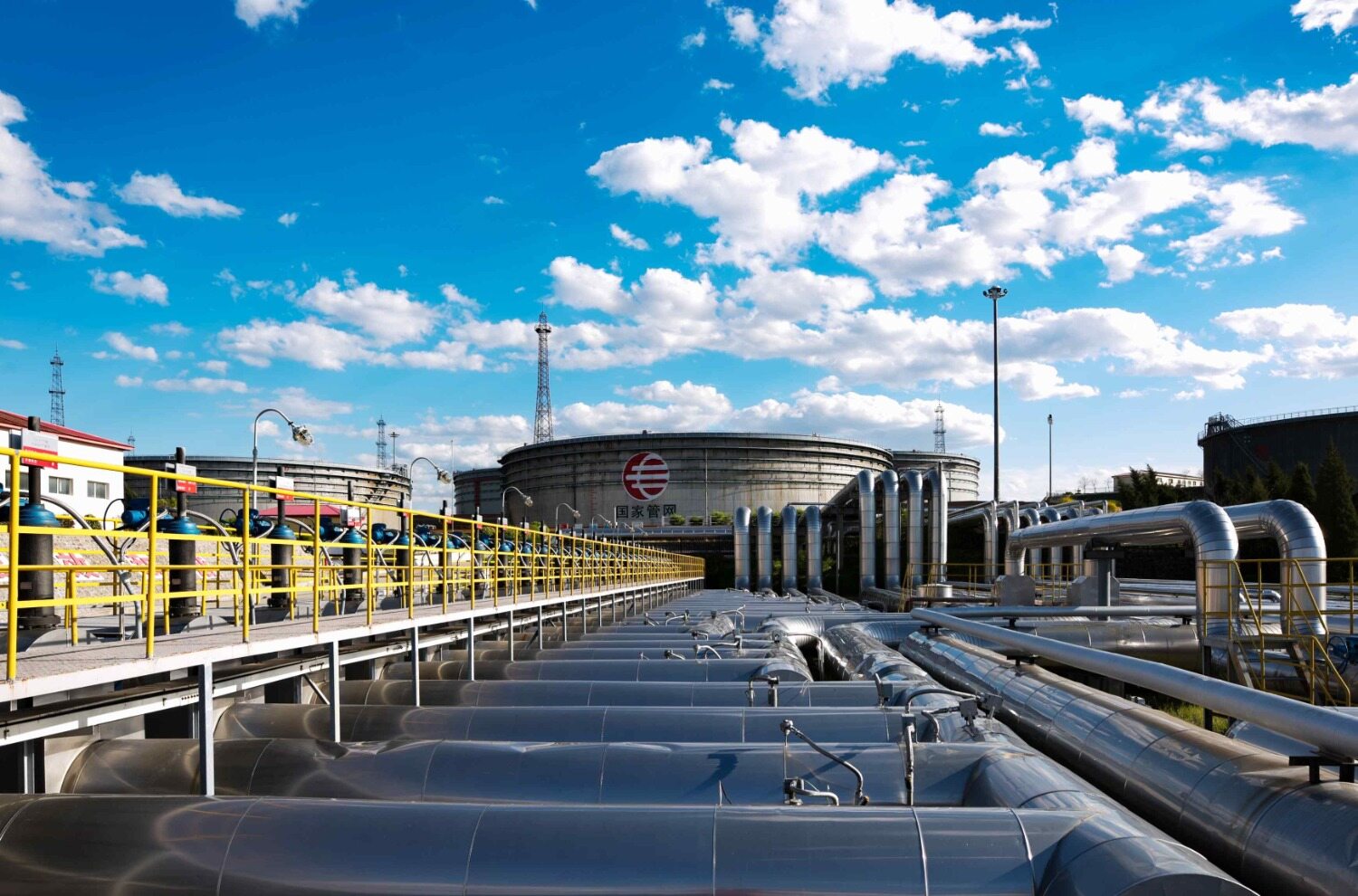
In Jiangsu, the 143.8 kilometer Lianyungang Yizheng crude oil pipeline, the Lianhuai section, was put into operation on August 13th, becoming the first 10 million ton crude oil pipeline to be put into operation at the beginning of the 15th Five Year Plan period. The pipeline will start construction in October 2024 and be fully connected by June 2026. The river channels and ditches along the route are densely distributed, and the proportion of water network lines exceeds 95%. Since its operation, the daily oil transportation volume has reached up to 70000 tons. After connecting with the existing Dayi pipeline, crude oil is directly sent to the core hub of Yizheng Station in the east, serving Jiangsu and refining enterprises along the Yangtze River, effectively enhancing the oil and gas resource guarantee capability of the Yangtze River region.
Data shows that since the beginning of this year, China has built over 2500 kilometers of new main oil and gas pipelines, with a total length of 112900 kilometers, covering 30 provinces, autonomous regions, municipalities, and the Hong Kong Special Administrative Region. This has formed a four strategic channels+five vertical and five horizontal natural gas backbone pipeline network pattern, with a natural gas transmission capacity of about 420 billion cubic meters per year.
The branch line leads into the county town
As the main pipeline network accelerates, it extends to counties and grassroots levels, continuously connecting the last mile of oil and gas supply.
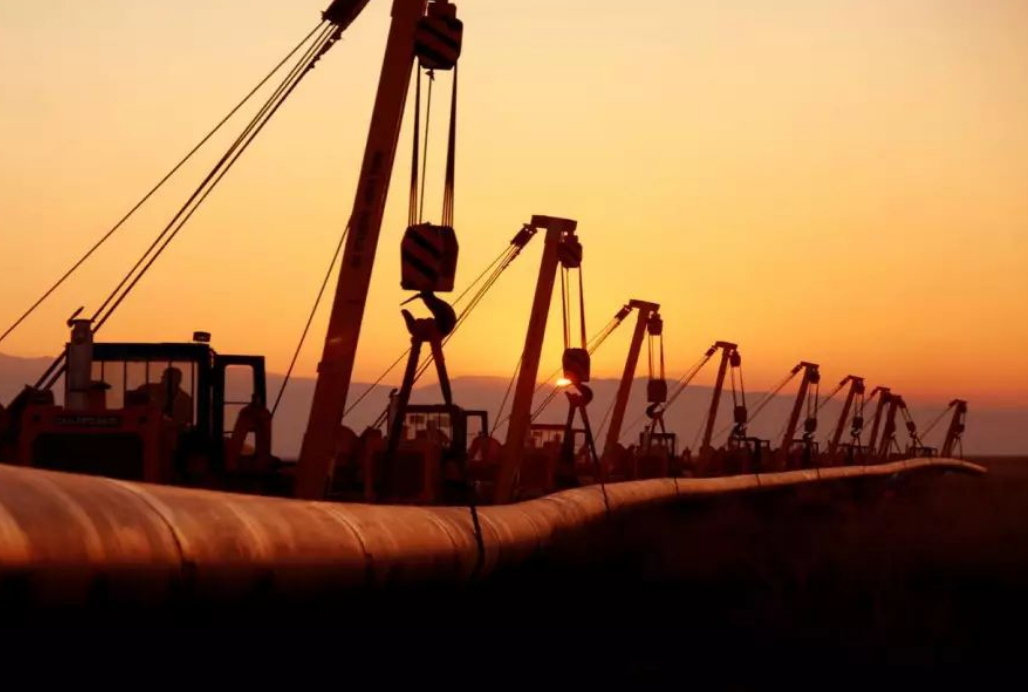
In Longyan, Fujian, the West East Gas Pipeline Third Line Liancheng Branch Project in the revolutionary old area of Liancheng County has officially started welding. The total length of the route is about 57 kilometers, passing through multiple towns and villages such as Xinquan, Pengkou, and Xuanhe. After the completion of the project, Liancheng County will achieve direct supply of pipeline natural gas to the county, filling the gap in local long-distance pipeline natural gas. The cost of gas for residents will significantly decrease, and the county's leading industries such as new building materials, sweet potato products, and food processing will also receive stable gas sources.
The story of Qiannan in Guizhou is also being continued. The gas source of the Changshun branch line comes from the China Myanmar natural gas pipeline, which has covered surrounding towns and villages. More than 28000 households have the conditions to open accounts, covering over 3500 households. Gas expenses have been saved, and the living environment has also been revitalized.
The New Landscape of 2030
A bigger blueprint has been laid out. According to the plan, by 2030, China will add 20000 kilometers of oil and gas long-distance pipelines, and the scale of the national oil and gas long-distance pipeline network will reach 220000 kilometers.
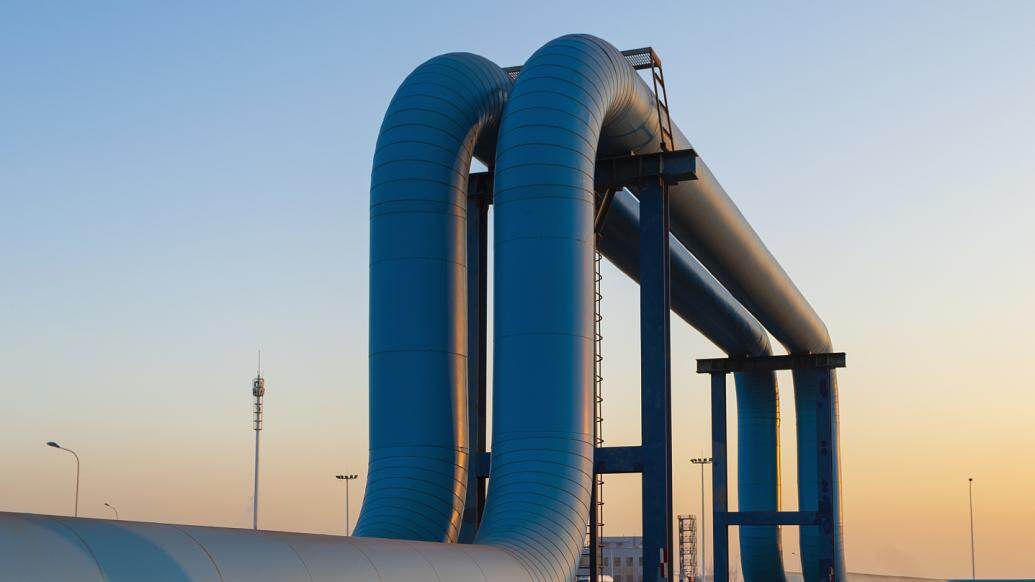
During the 15th Five Year Plan period, the overall goal will be to achieve strategic channels at the source, cross regional allocation of national trunk lines, provincial pipeline networks as provincial hubs, and direct supply pipelines to key users, forming a complete transportation chain. Being able to quickly allocate oil and gas resources during seasonal peaks and supply and demand fluctuations, better ensuring national energy security. During this period, China will build major projects such as Heihe Daqing Changling, Hulin Changchun Shijiazhuang, and the Sichuan East Gas Pipeline 2, and timely launch the construction of the West East Gas Pipeline 4 and 5.keywords:Engineering infrastructure
At that time, the national oil and gas network will be more interconnected and efficient, from national trunk lines to county-level stoves, providing a more solid energy guarantee for high-quality economic and social development.Editor/Yang Meiling
Comment

 Praise
 Collect
 Comment

 Share
Share


Write something~