 Search


- Chinese enterprises move from ore mining to local deep processing and full industry chain layout in Guinea
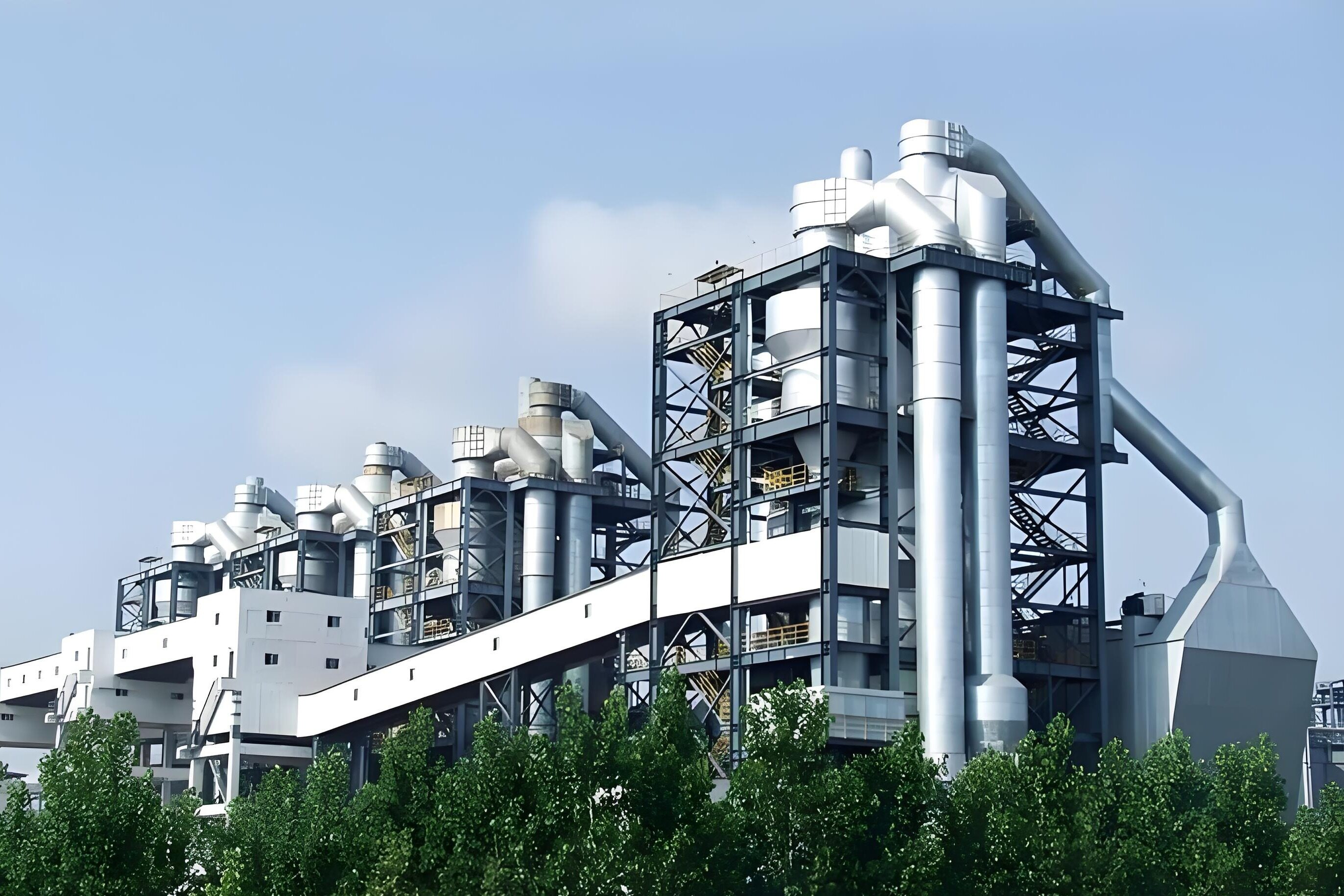
When the Simandou iron ore project is officially put into operation, Guinea's resource development pattern has opened a new chapter. In the past, Guinea's mining cooperation mostly focused on ore mining and export; Nowadays, with the simultaneous construction of three alumina factories with an annual output of 1.2 million tons, coupled with the landing of supporting railway, port, and self owned power plant projects, Chinese enterprises in Guinea are completing a leapfrog upgrade from resource extraction to local deep processing and integrated operation of the entire industry chain.
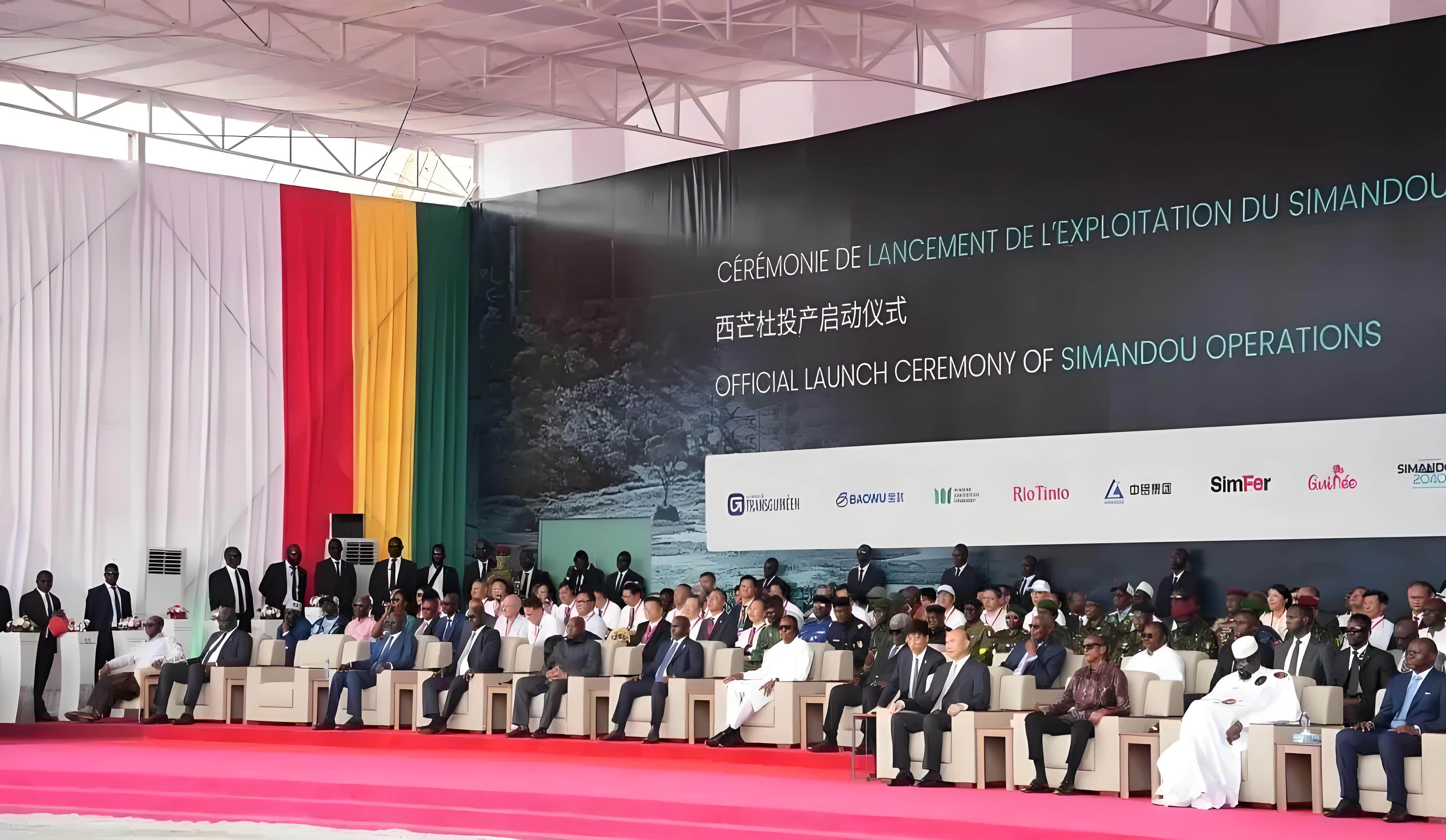
The Simandou project is fully operational
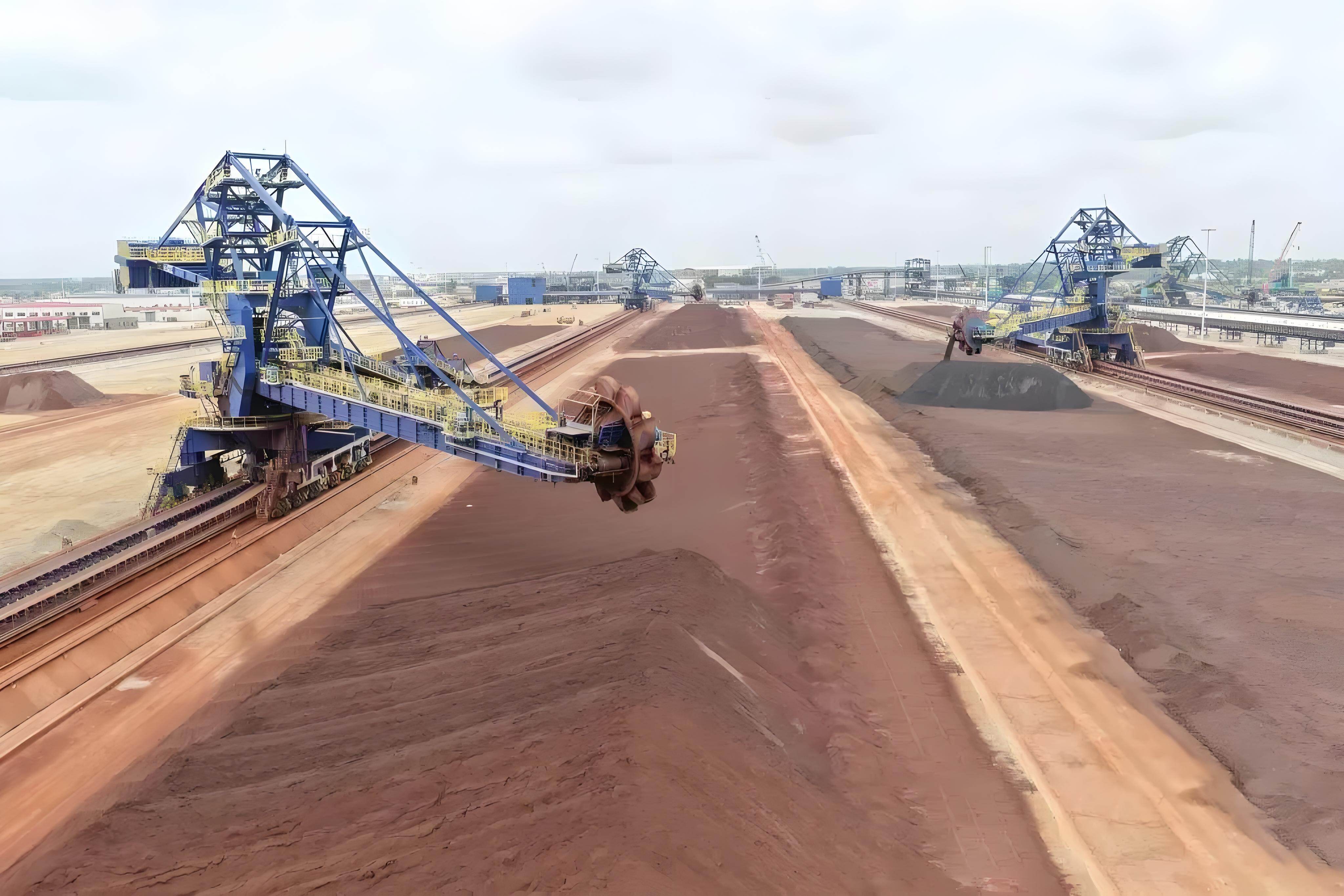
The Simandou project is a landmark project in Guinea's mining development. The entire project consists of two large mining areas with an annual output of 60 million tons, a cross Guinea heavy-duty railway spanning over 600 kilometers, and an Atlantic seaport. After the project is completed and put into operation, the railway port system can support up to 120 million tons of iron ore for export annually. In January 2025, the Simandou project was officially put into operation, and in December of the same year, the first batch of iron ore set sail from Guinea. In terms of project equity division, Chinese companies have deeply rooted themselves in two major mining areas. The North No.1 and No.2 mining areas are operated by BSG resources. In January 2026, China Baowu will increase its shareholding from 49% to 51% and gain control of the project operation. The southern mining areas 3 and 4 are developed by SimFer, with the CIOH consortium led by Chinalco participating in the shareholding. The supporting railway and port assets are uniformly operated by Trans Guiean Company. China Railway First Group, China Railway Fourth Group, China Railway Tenth Group and other infrastructure enterprises are deeply involved in the entire process of railway track laying, section construction, inspection and maintenance.
Three alumina factories have been established
While iron ore development is steadily advancing, Guinea's aluminum industry is experiencing significant breakthroughs. In less than 15 months, Guinea has launched three consecutive alumina plants invested and constructed by Chinese enterprises, with State Power Investment Corporation, Weiqiao Qiaolian, and China Aluminum each undertaking one, with a single plant capacity of 1.2 million tons per year. The three projects will add a total of 3.6 million tons of alumina production capacity annually, with an overall investment scale of approximately 3.7 billion US dollars. For a long time, Guinea has had a huge production of bauxite, with over 70% of the bauxite directly exported to China, lacking deep processing links locally; And the landing of three alumina plants means that the industrial chain extends downstream, achieving on-site conversion of bauxite in Guinea. Keywords: infrastructure news and information, international, alumina
Continuous release of equipment procurement
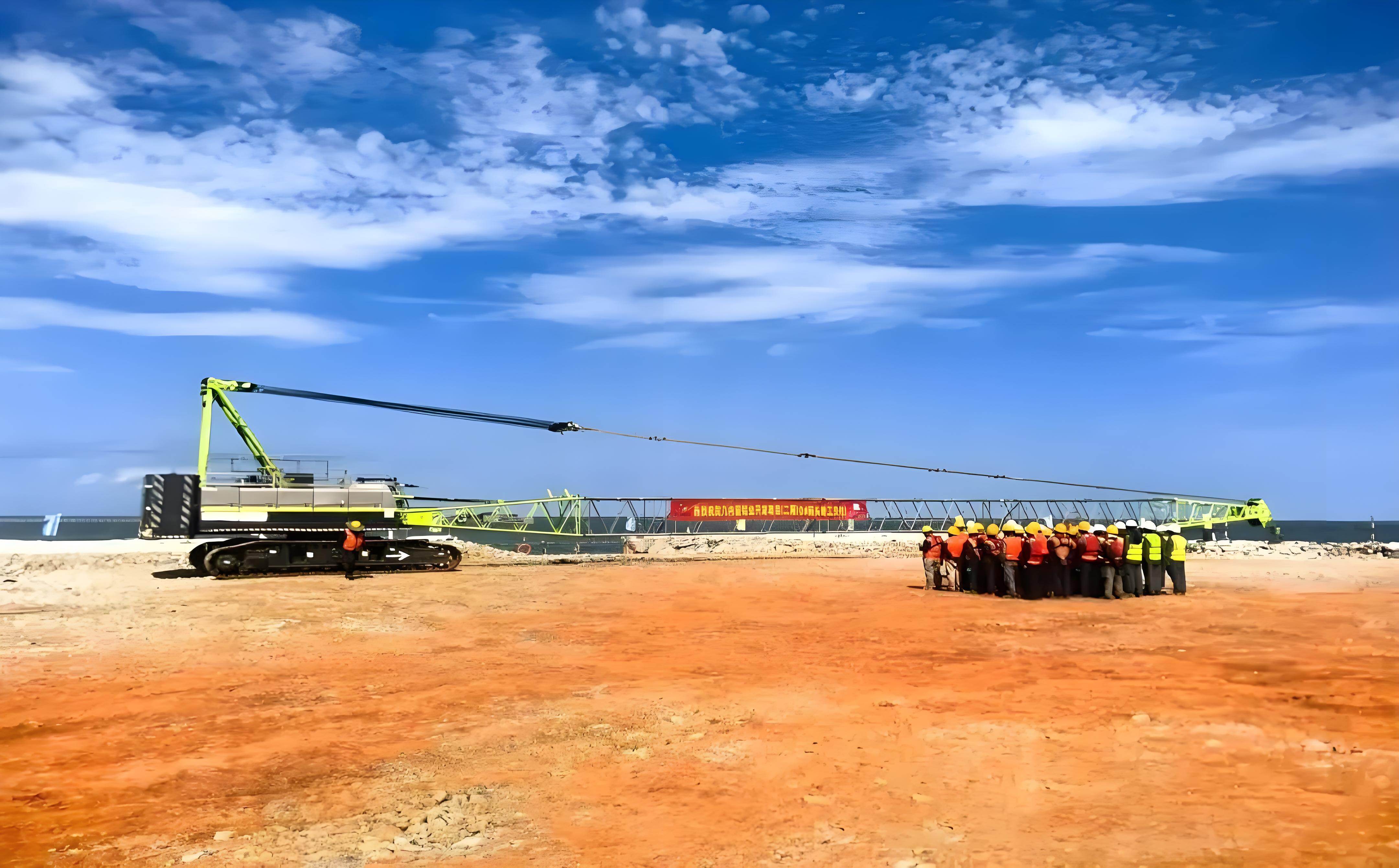
Mining development will inevitably drive the demand for supporting infrastructure and massive equipment procurement. The SMB Wining Alliance, composed of Weili International, Weiqiao, and others, has created an integrated system of mines, railways, and Dapilon ports. As early as 2025, its annual bauxite production exceeded 70 million tons. The Boffa project of Chinalco adopts a long-distance belt transportation system to connect the mine and the dock, with a first phase production capacity of 12 million tons and a long-term expansion to 15 million tons. The National Electric Investment Corporation's alumina project is being promoted through the EPC model and is currently undergoing continuous external bidding. The procurement list includes a large number of industrial equipment such as high-temperature and high-pressure boilers, steam turbine units, photovoltaic energy storage systems, large non-standard storage tanks, electrical boxes, conveying equipment, steel structures, water treatment, and fire protection. From mining excavation, to railway and port logistics, to self owned power plants and alumina smelting, the investment logic of Chinese enterprises in Guinea has undergone fundamental changes. The early model was to extract raw ore and directly export it; And now, a complete industrial system is being established in Guinea, with resources being processed locally and infrastructure, equipment, and maintenance orders continuously being released.Editor/Gao Xue
Comment

 Praise
 Collect
 Comment

 Share
Share


Write something~