 Search


- The supply security capability of the core energy hub in Northwest Europe has been significantly upgraded
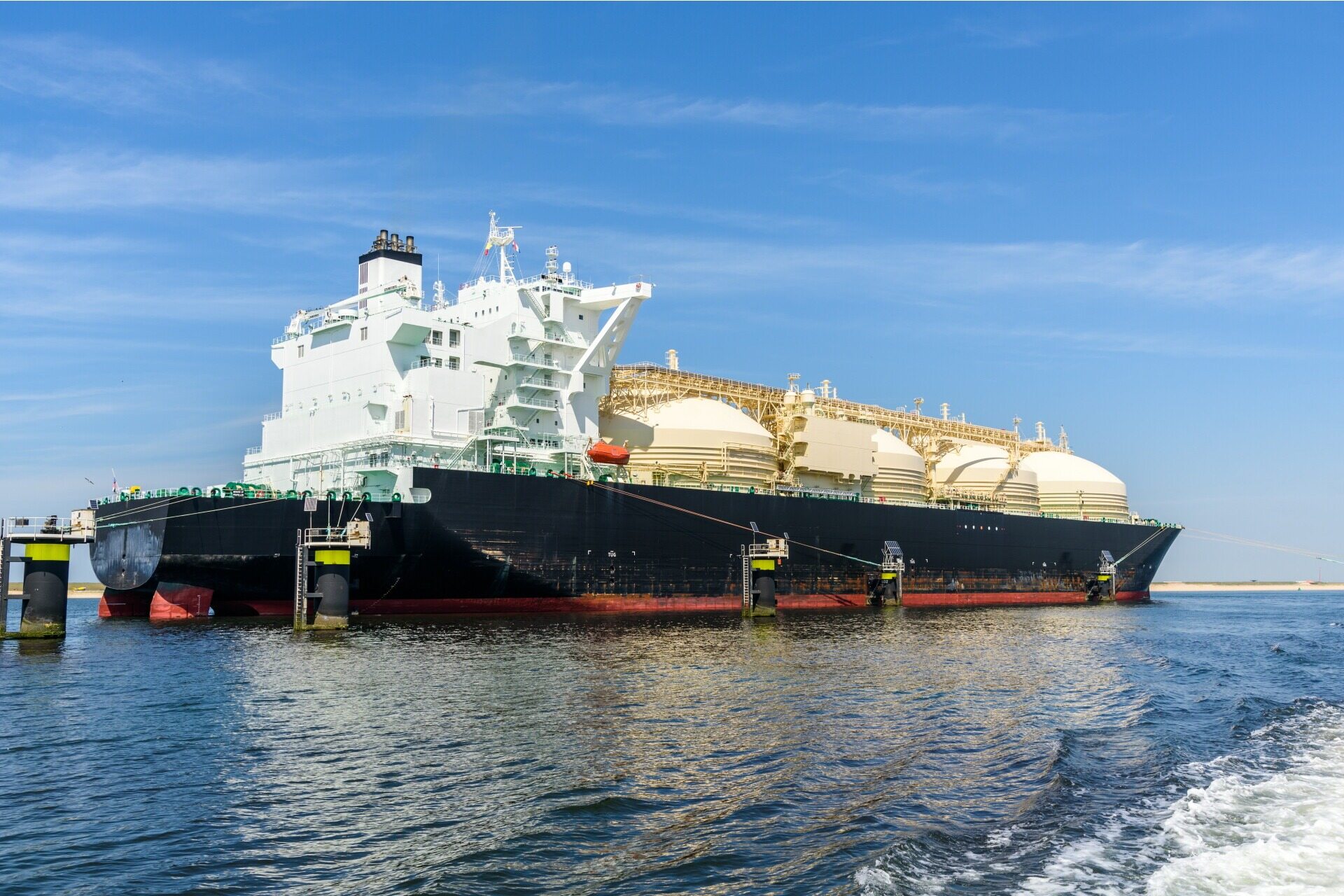
The Maasvlakte port area of Rotterdam has officially completed the construction of its fourth 180000 cubic meter LNG storage tank, marking a crucial end to the three-year expansion project. After the new tanks are put into operation at this core LNG receiving station in the Netherlands, it will directly lift the buffer pad of energy security in Northwest Europe to a new height.
Expansion of the core hub to an annual production capacity of 20 billion cubic meters
The fourth LNG storage tank at the Gate receiving station is scheduled to be completed after a three-year construction period and will be officially put into operation on October 1, 2026. The new storage tank alone has an LNG storage capacity of 180000 cubic meters, adding 4 billion cubic meters of re gasification capacity to the receiving station every year, directly increasing the total processing capacity to 20 billion cubic meters per year.
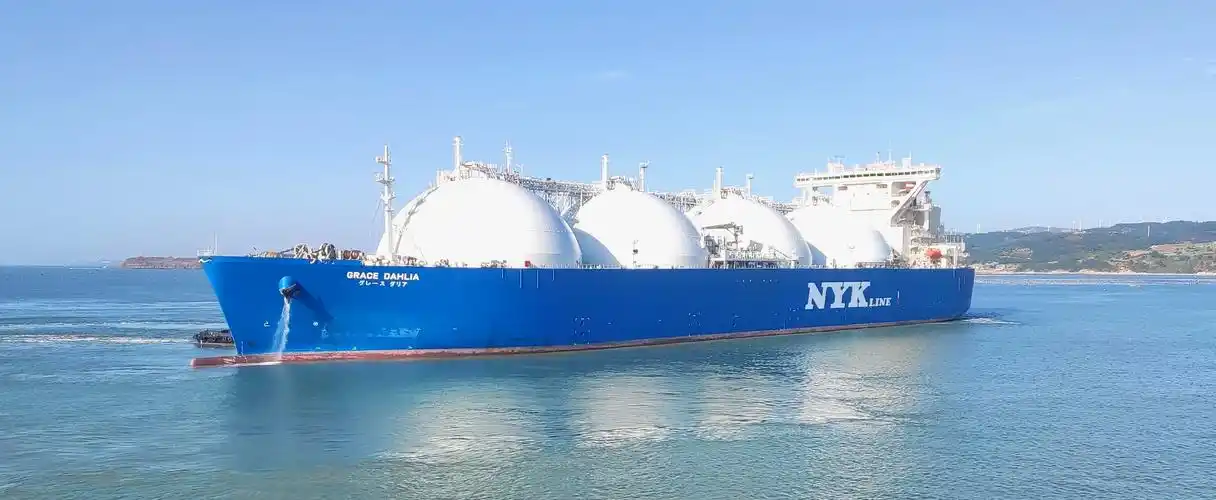
This scale is equivalent to two-thirds of the total natural gas market capacity in the Netherlands for the whole year. The core motivation for the expansion can be traced back to the 2022 European energy crisis. The project has been smoothly promoted from the final investment decision to the landing, directly strengthening the Netherlands' position as a strategic gateway for energy supply in Northwest Europe. The receiving station receives LNG resources from around the world and transports them to the Netherlands and surrounding countries through natural gas pipelines, greatly expanding the available sources of energy supply in Europe.
New terminal cluster synchronously promotes layout
After the final investment decision was made in January 2026, the construction of Terminal 4 at Rotterdam Port is progressing smoothly. It is expected to start small-scale ship loading and LNG refueling services by the end of 2028, providing clean marine fuel supply for maritime shipping. Keywords: core energy hub, natural gas pipeline network transmission
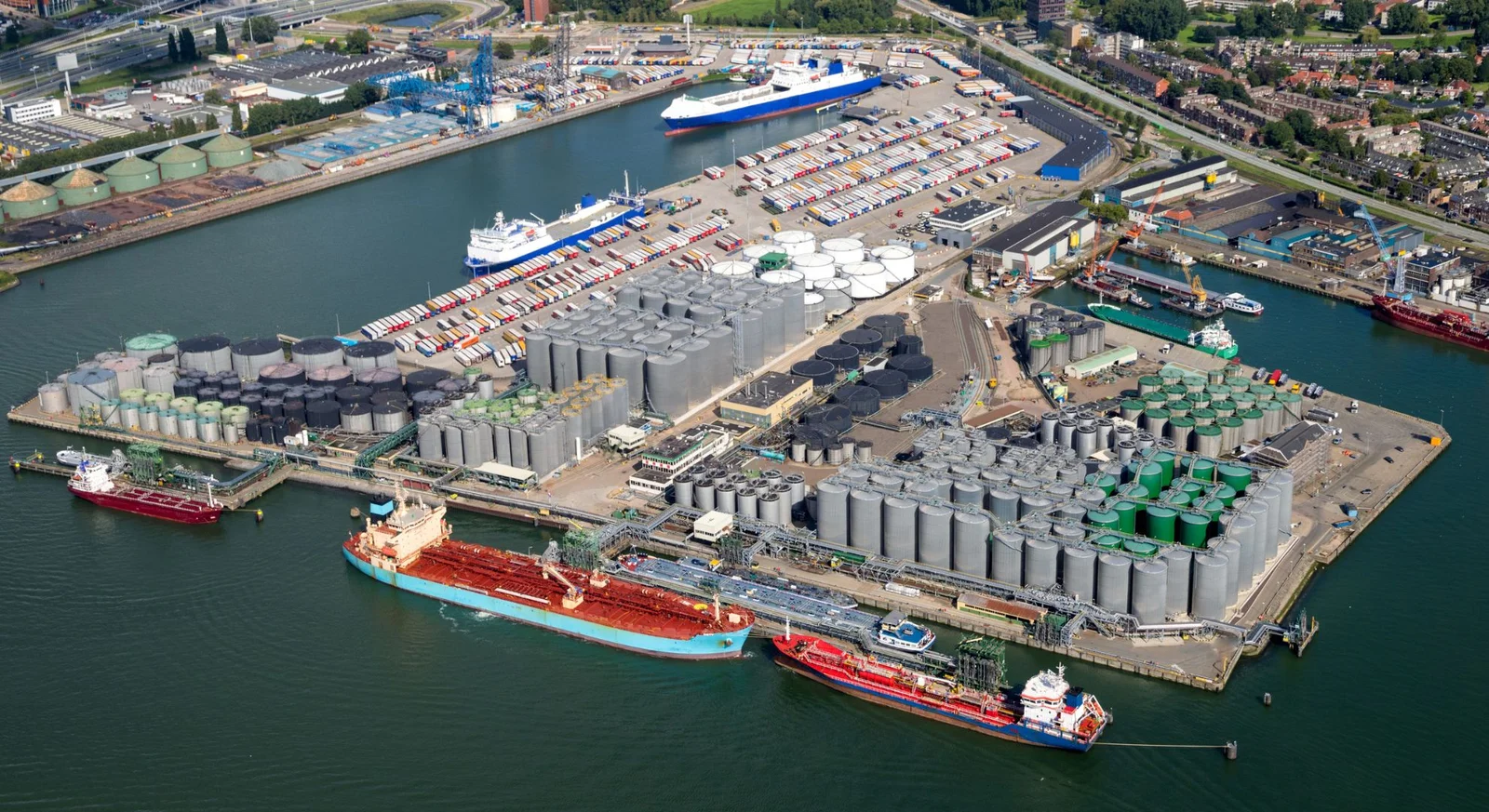
The Gate receiving station has initiated a non binding intention inquiry on August 31st, opening up the registration of future loading capacity requirements for the proposed Terminal 5 to the market, further connecting with the continuously rising demand for clean marine fuels in the market. The layout of the entire port area is gradually upgrading from a single onshore natural gas transportation hub to a comprehensive energy transfer node covering both sea and land scenarios, from tank expansion to dock extension.Editor/Cheng Liting
Comment


 Praise
 Collect
 Comment

 Share
Share


Write something~