 Search


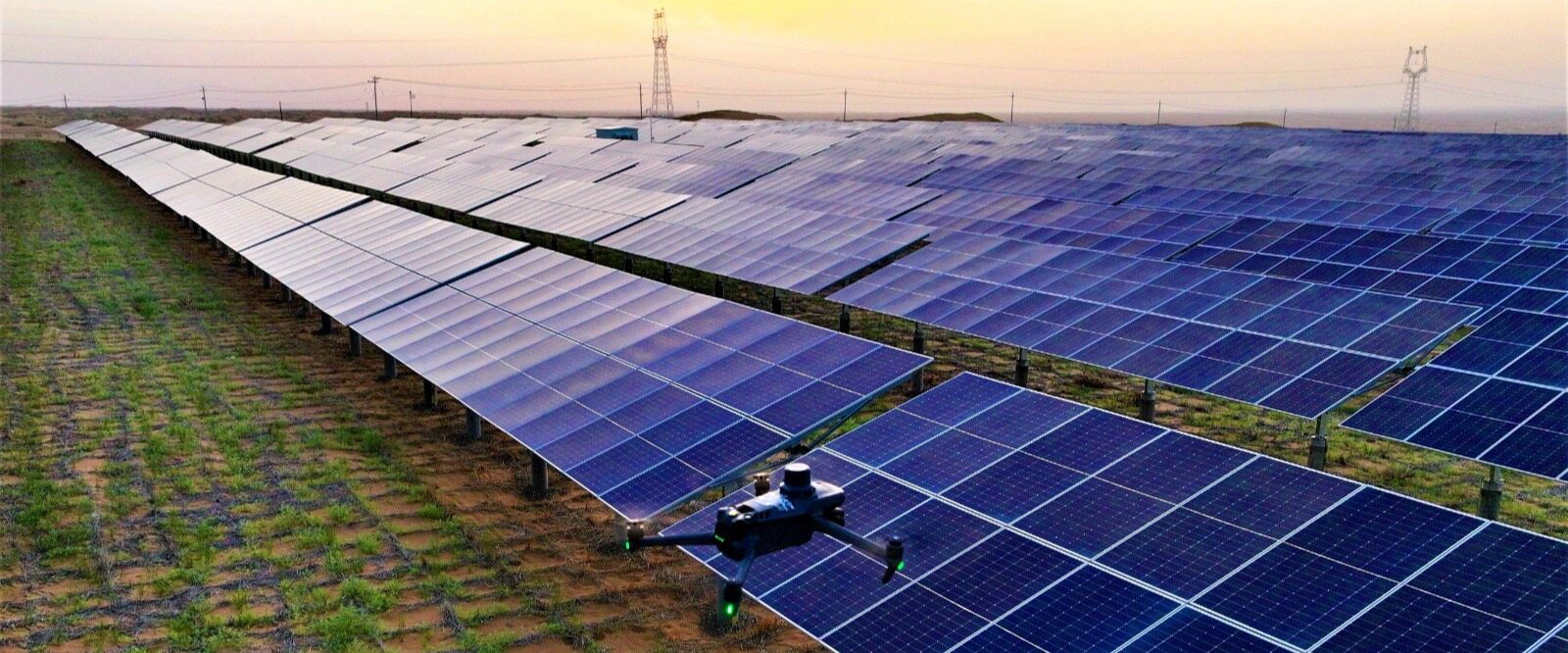
- Provide replicable samples for a country's energy transition and the European clean power map
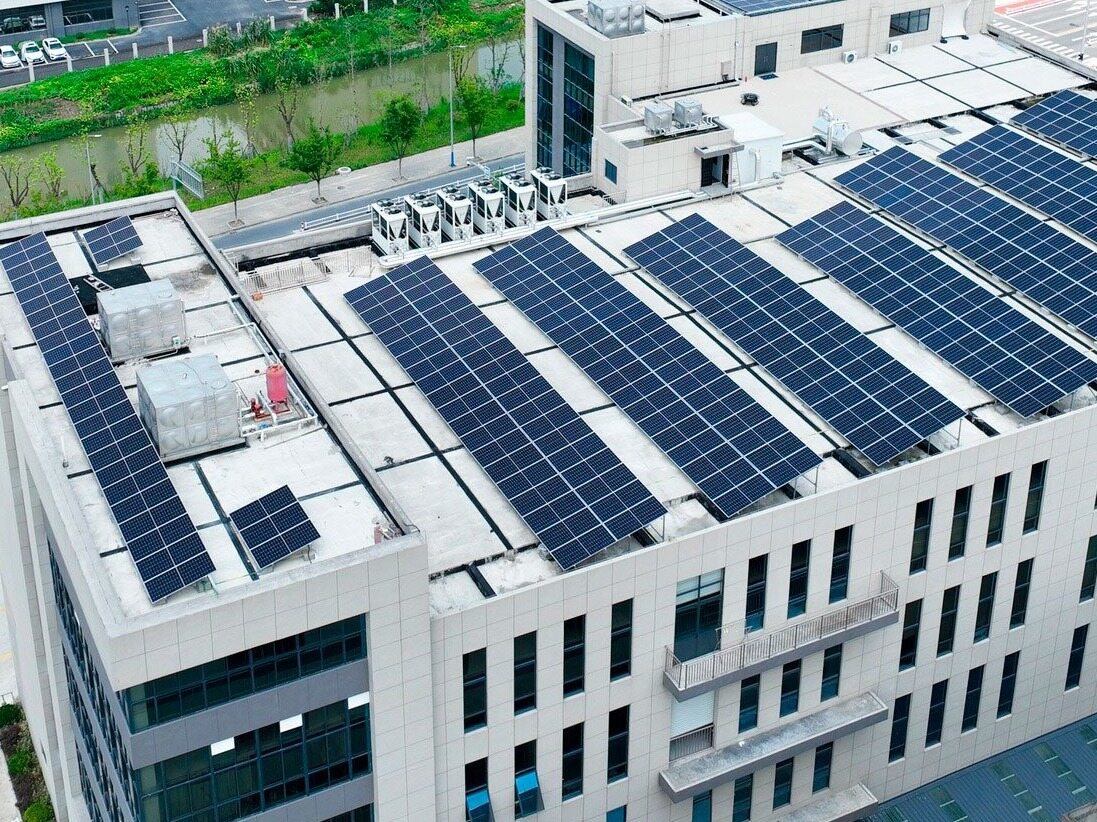
Arad County in western Romania, located between Pilu and Granicheri on the Hungarian border, is a plain that has been blown by the wind for a long time. For a long time, people grew crops and kept bees here, watching cranes fly over the wetlands. Now this land has a new identity: the construction site for photovoltaic projects on the largest continent of the European Union. With Rezlov Energy, an independent power producer headquartered in Prague, announcing the completion of the financing and delivery of the Dama photovoltaic project, the footsteps of machinery and components have officially replaced the tranquility here.
From farmland to super power plants
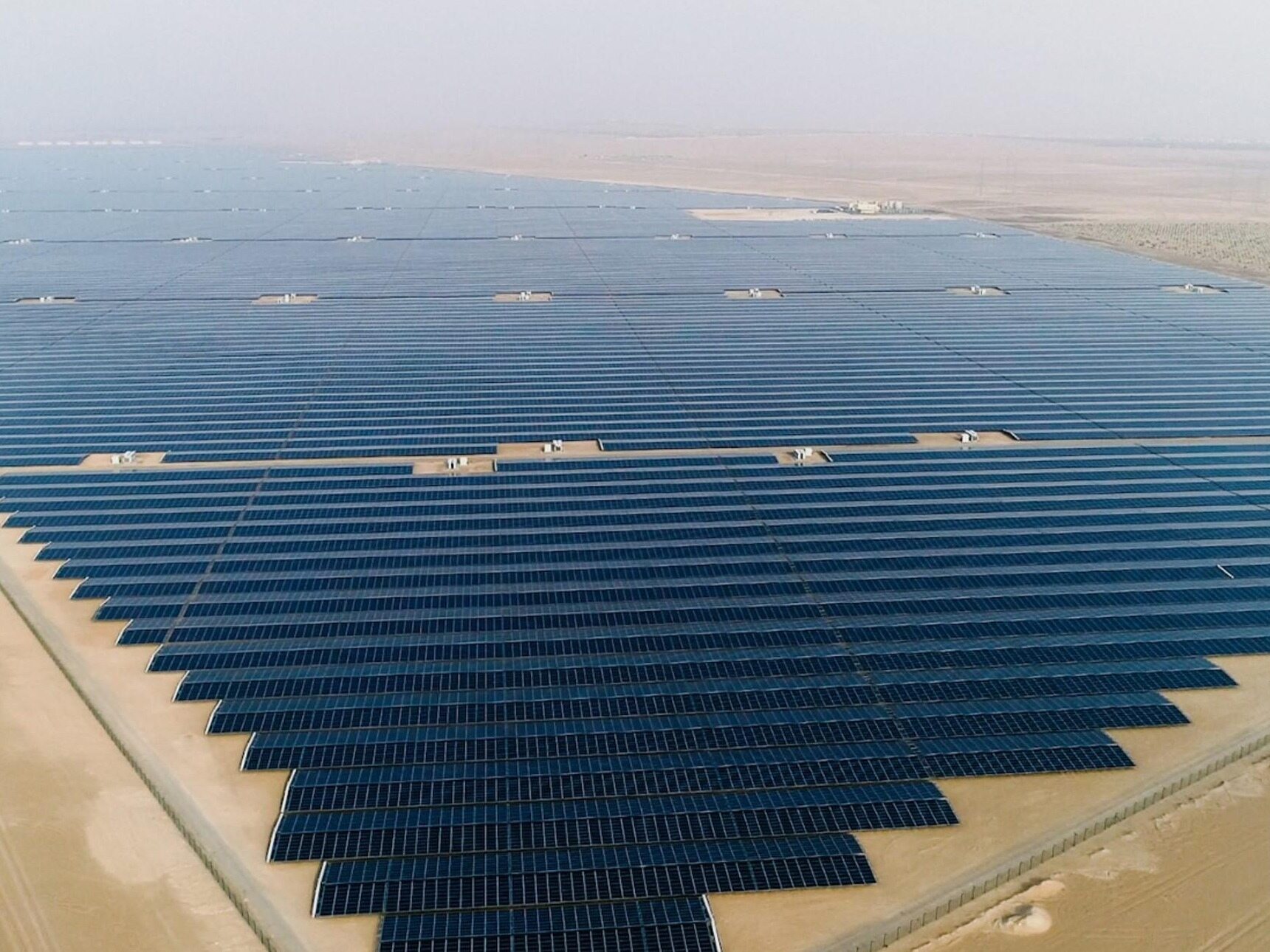
The scale of the Dama project is sufficient to rewrite the record map of photovoltaics in Europe. Prior to this, the largest single photovoltaic power station in operation in Europe was Weitznitz in eastern Germany, with a peak installed capacity of 650 megawatts; Spain has an 850 MW photovoltaic cluster consisting of 17 power generation units. Dama entered the market with a scale of 1.3GW, and after being put into operation, its average annual power generation can reach 1.8TWh, equivalent to 36% of Romania's total photovoltaic power generation in 2025, supporting nearly 40% of the country's photovoltaic power supply; Stable electricity supply for over 280000 households in the local area, covering nearly one million people.
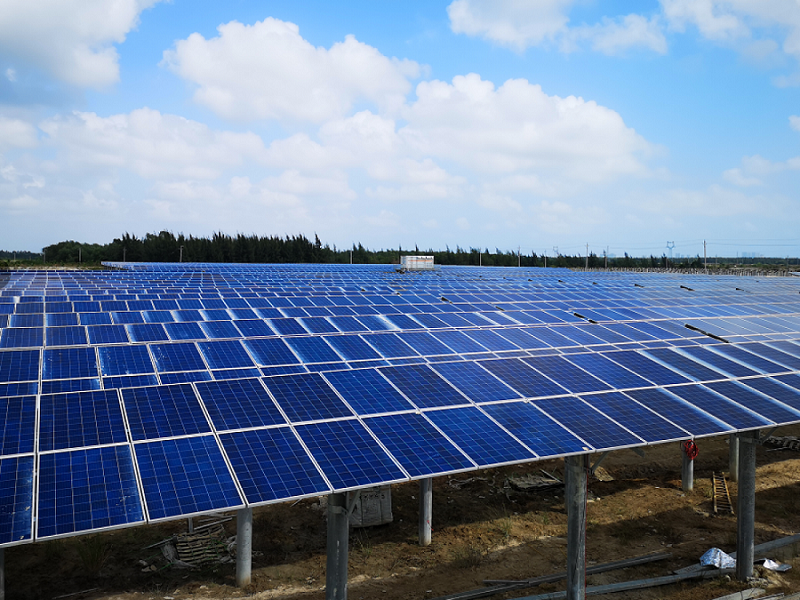
The project has obtained all final legal approval procedures from the Romanian Energy Regulatory Authority and has officially entered the construction phase. It is planned to achieve commercial grid connected operation in the second half of 2028. At least thousands of workers are required during the peak construction period, and approximately 200 permanent positions will be provided during the operation period, along with supporting solar vocational training centers. At the same time, the project plans for large-scale battery energy storage, shifting the surplus electricity during the day to the evening peak, turning intermittent sunlight into reliable electricity that can be called upon.
Where does money come from?
Supporting this photovoltaic ocean is a financing plan of up to 561 million euros, approximately 637.3 million US dollars, which is also the largest single investment and financing transaction for Rezlov Energy since its establishment. The funding lineup is led by the European Investment Bank as the core cornerstone investment, forming a loan consortium with 14 authoritative financial institutions: in addition to 10 mainstream commercial banks, international development banks such as the European Bank for Reconstruction and Development, the International Finance Corporation, and the Black Sea Trade and Development Bank have all joined.
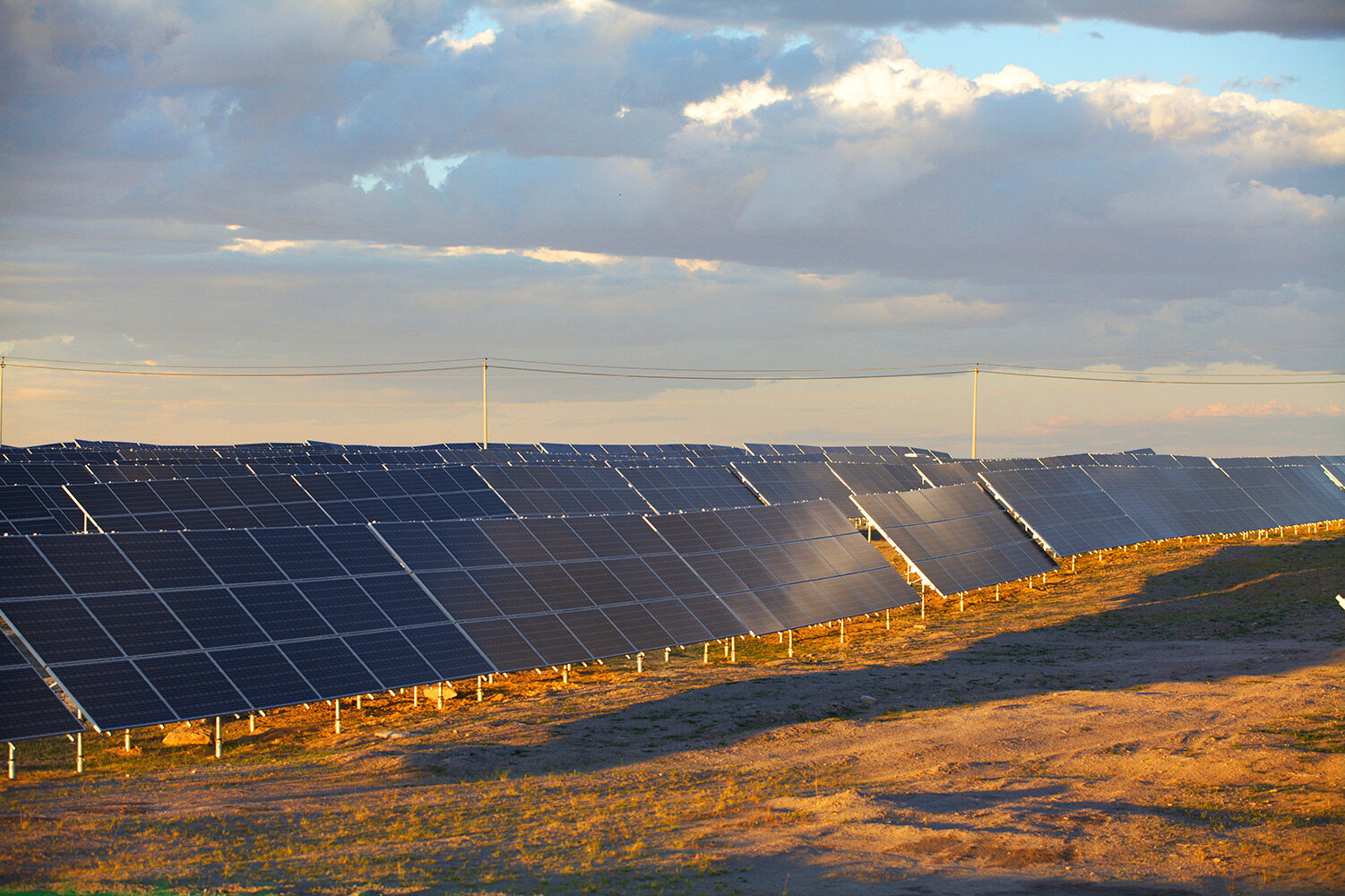
The syndicate dares to place bets, and their confidence comes from two layers of returns as a bottom line. The Dama project has successfully won a contract for difference in the second round of renewable energy auctions in Romania with a capacity of 520MW, locking in long-term stable returns for 15 years. The average bid price for the photovoltaic project in this round is about 40 euros per megawatt hour, and the funding comes from the EU Modernization Fund; The project also signed an enterprise power purchase agreement with an undisclosed electricity consuming company. Double protection significantly reduces the risks of consumption and return. Rezlov was founded by British investment group Actis in 2022 and received a 300 million euro investment from Abu Dhabi sovereign fund Mubadala. The background of the Central and Eastern European platform also adds weight to this financing.
The hotbed of sunshine economy
Romania has become one of the fastest-growing markets for photovoltaics in Europe. Data shows that as of the end of July 2026, the cumulative installed capacity of photovoltaic power in the country has exceeded 8.5GW, with approximately 1.8GW added in the first seven months of this year alone. The growth rate of installed capacity is expected to reach 45% in 2025. Photovoltaics have become the largest power source in Romania, meeting nearly half of the country's electricity demand during the day. More importantly, Romania did not follow the old path of building photovoltaics first and then supplementing energy storage. Instead, photovoltaic energy storage is being promoted simultaneously, and the national energy storage capacity has approached 2000MWh. Chinese companies such as Longi and Sany have also been deeply involved in local solar storage and hybrid energy projects.
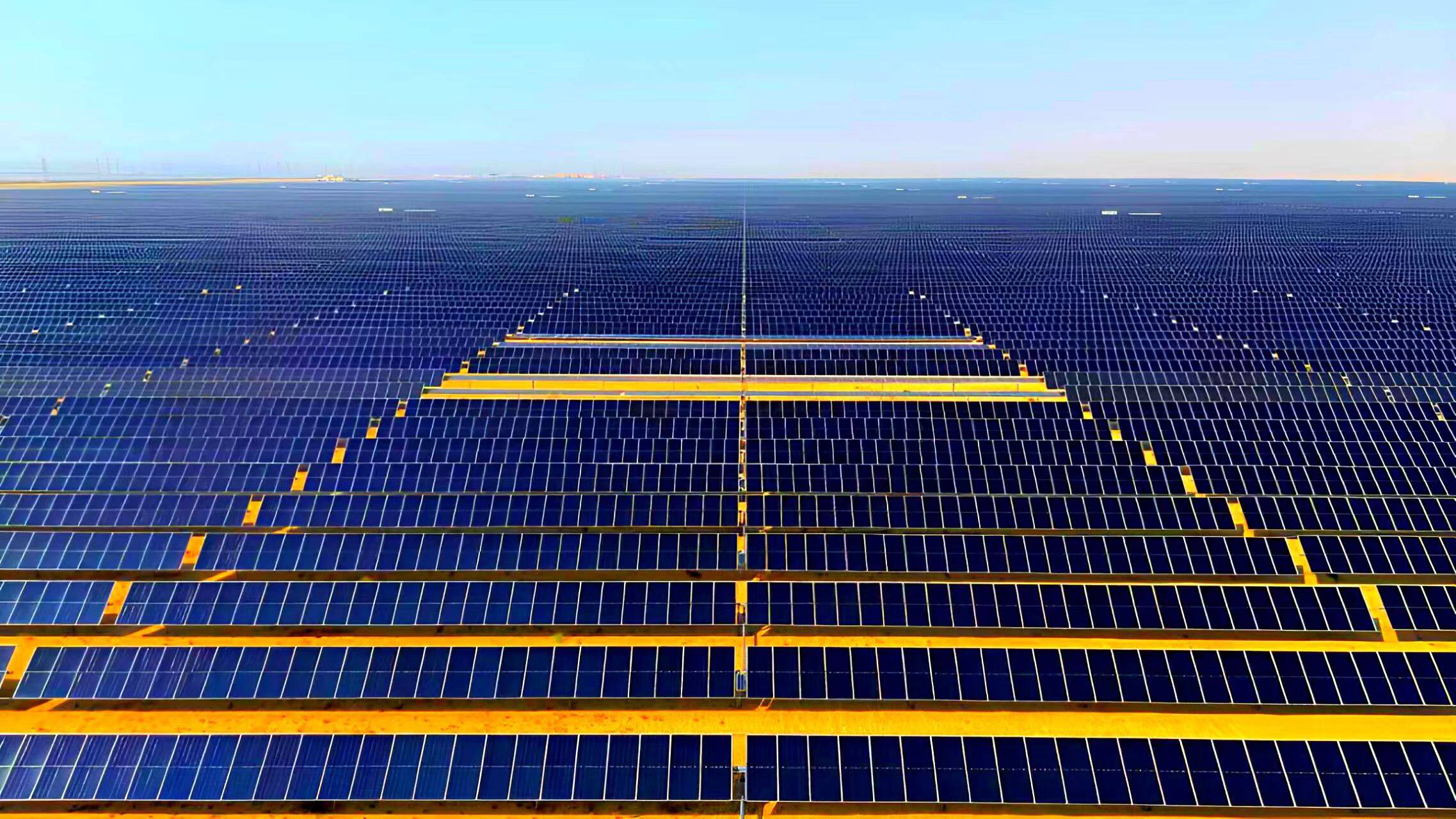
Of course, super engineering is not without controversy. Part of the project is located within a nature reserve, and environmental organizations have filed lawsuits regarding the impact on birds and biodiversity. The investors have promised to install environmental monitoring systems and allow beekeepers to enter, allowing technology to coexist with nature.keywords:New energy information network
In the second half of 2028, when the current from this plain flows into the grid, it will not only test the power generation capacity of a power station, but also the answer to the question of whether large-scale onshore photovoltaics in Europe can be implemented on a large scale and commercially.Editor/Yang Meiling
Comment

 Praise
 Collect
 Comment

 Share
Share


Write something~