 Search


- Abu Dhabi plans to increase its photovoltaic installed capacity to over 35GW and equip it with 15GW of energy storage by 2035
- Supporting economic growth with larger and cleaner hydroelectric systems, while reducing carbon emissions by over 45%
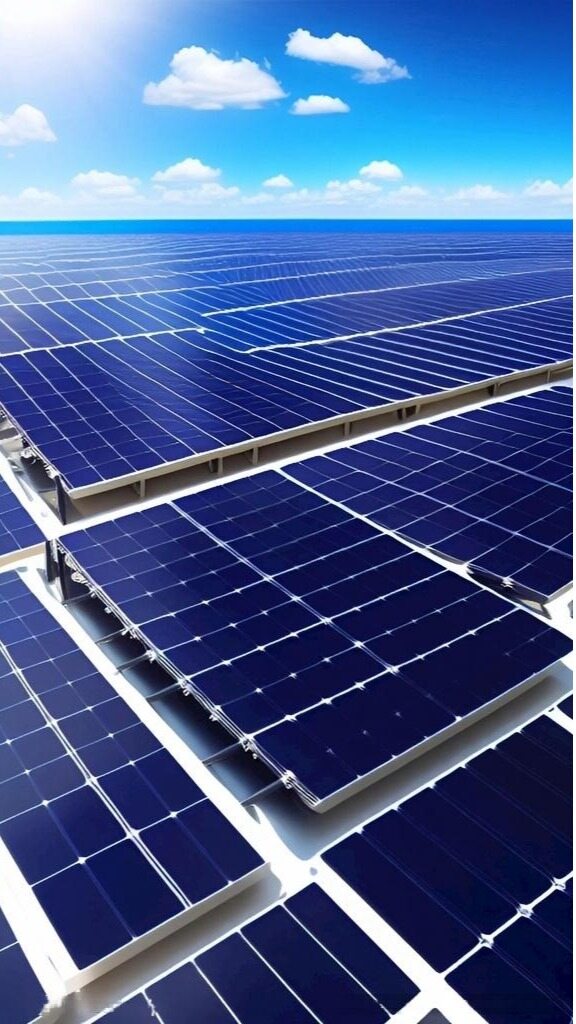
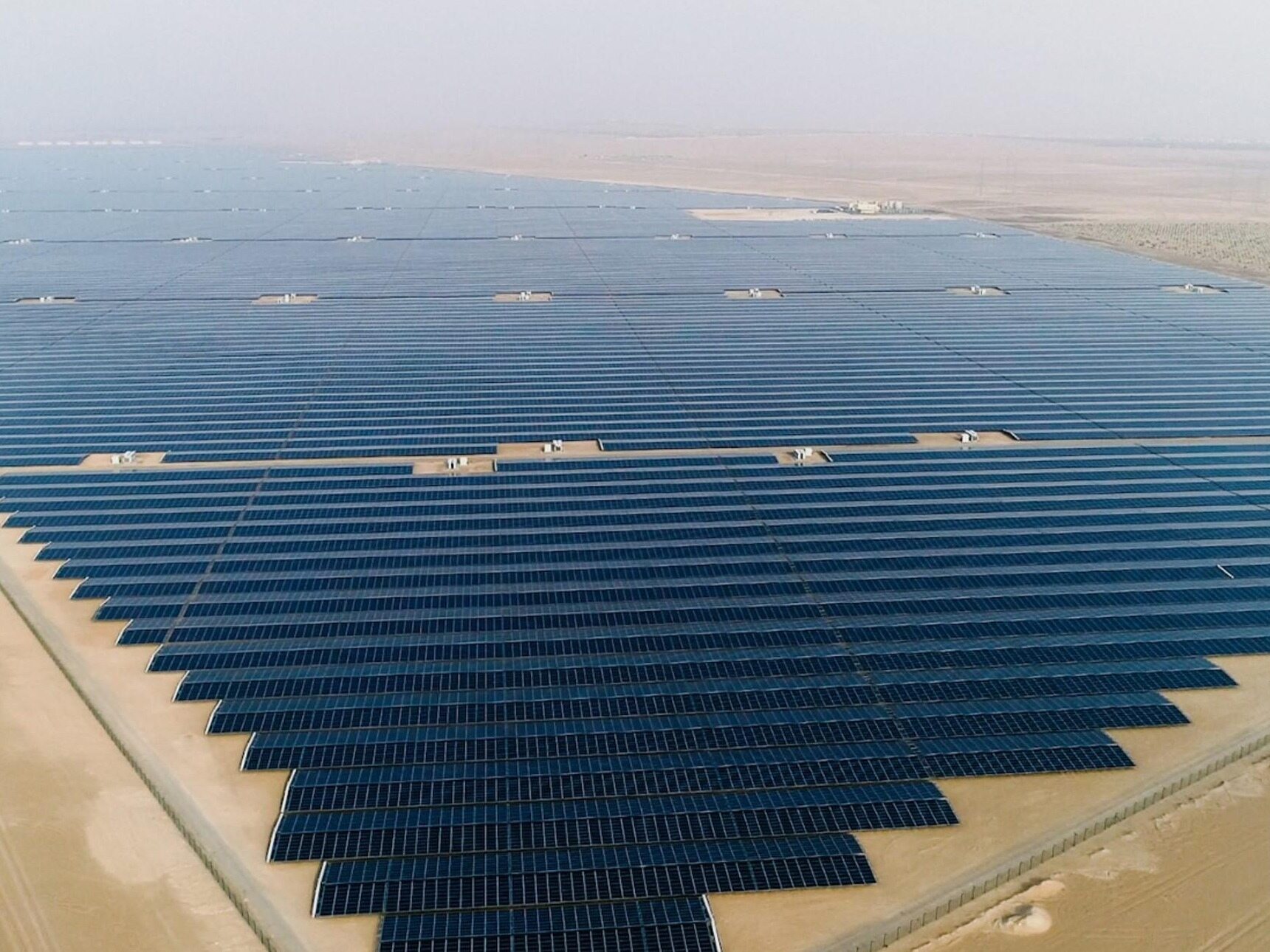
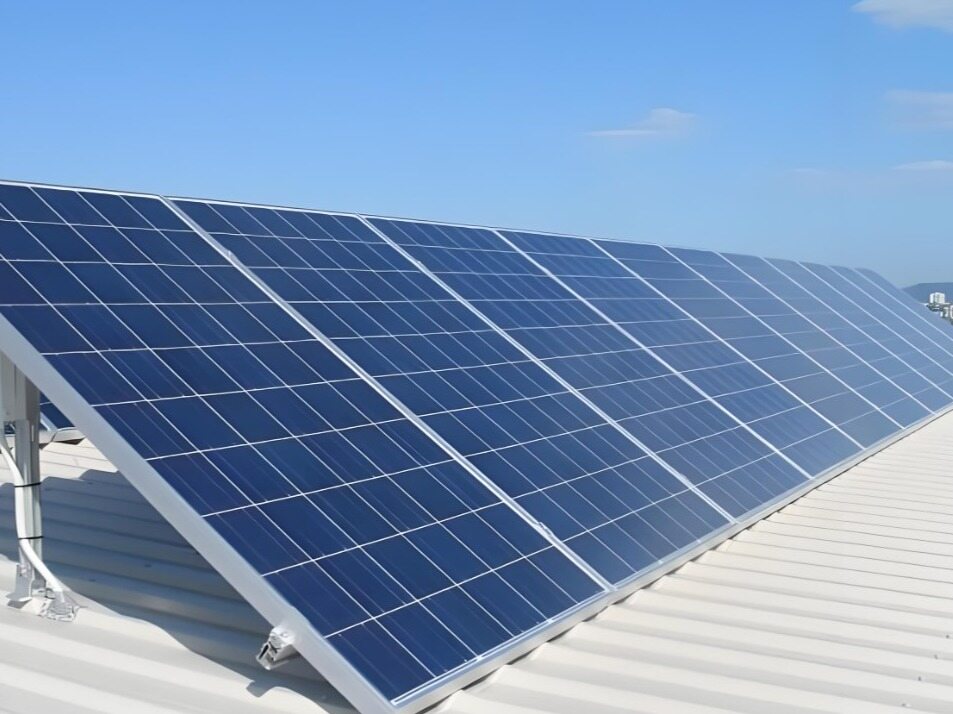
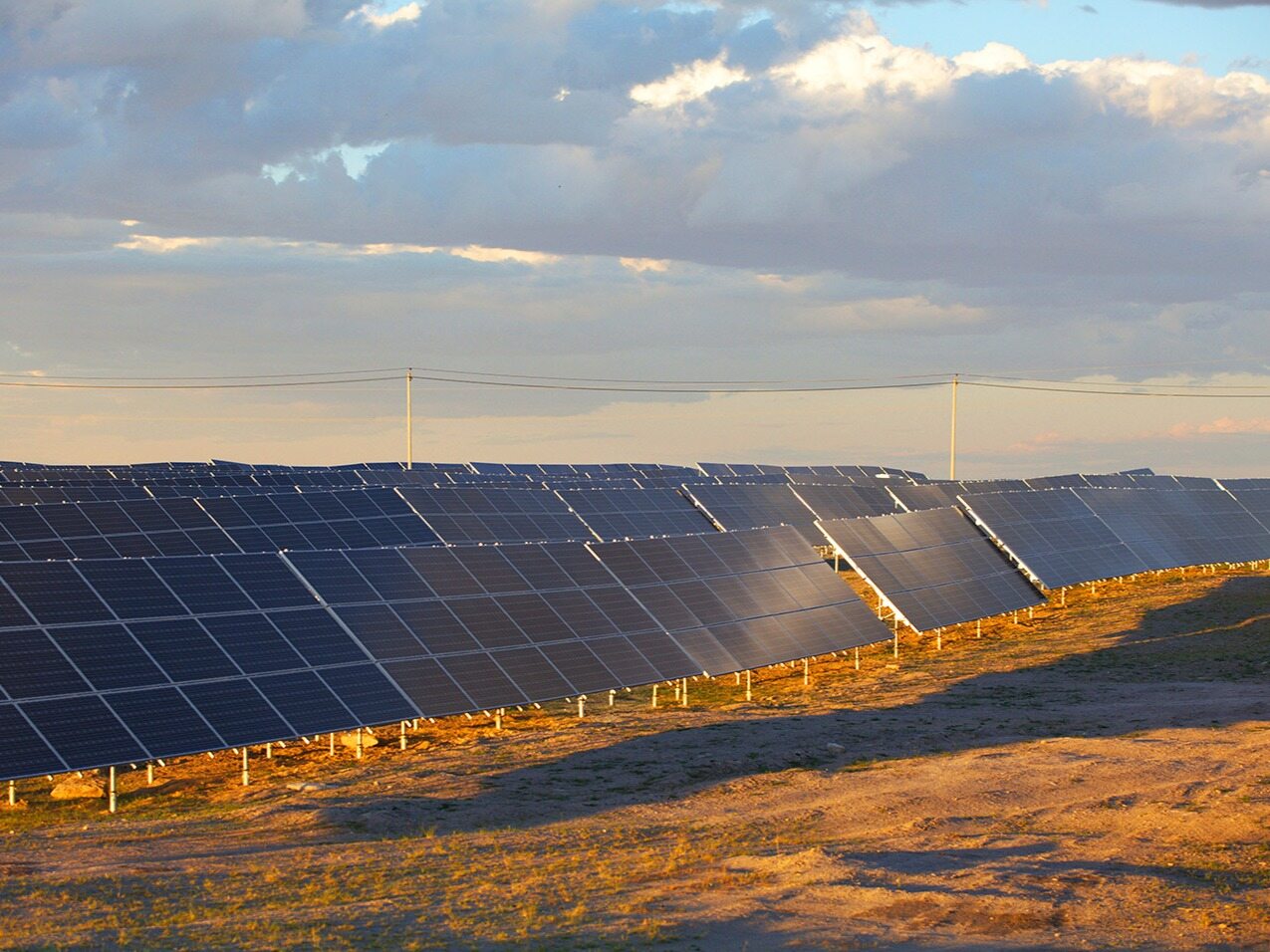
In the desert hinterland about 35 kilometers south of Abu Dhabi, nearly 4 million double-sided photovoltaic modules are spread out into a blue ocean. This is the Al Dhafra photovoltaic power station that supplies power to approximately 200000 households, with an installed capacity of 2GW. It was once the world's largest single photovoltaic power station. More than a decade ago, the photovoltaic installed capacity in the United Arab Emirates was almost negligible; Nowadays, this desert is becoming the starting point of a bigger gamble.
Goal three times upward adjustment
In late September, on the occasion of World Zero Emissions Day, the United Arab Emirates Water and Electricity Corporation (EWEC) disclosed its latest long-term system plan: Abu Dhabi's photovoltaic installed capacity will be pushed from 14GW by 2030 to over 35GW by 2035, and up to 15GW of battery energy storage will be deployed simultaneously.
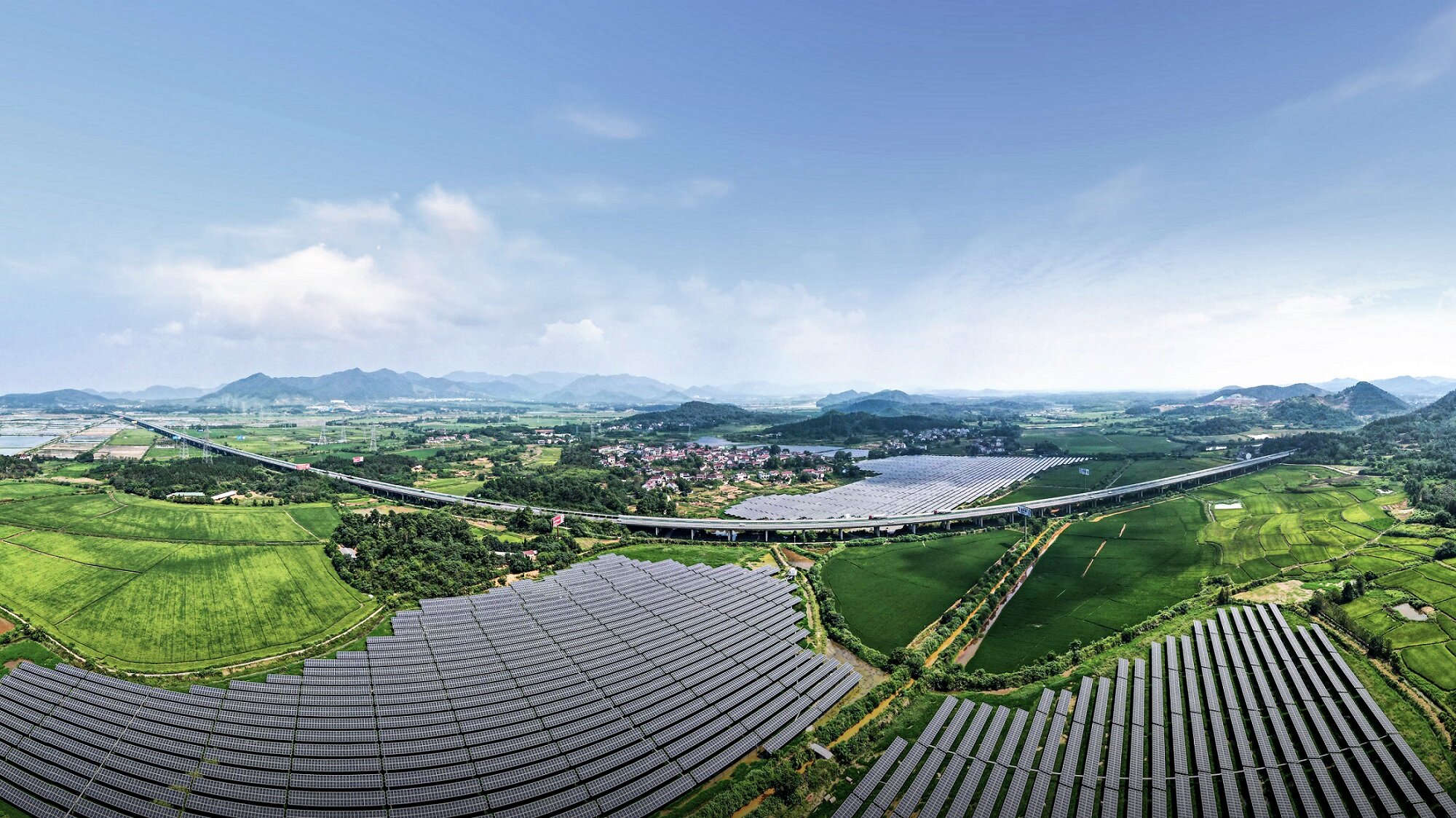
This is a constantly rising curve. Previously, EWEC's target was 10GW by 2030 and 18GW by 2035. In May 2026, the company signed a strategic cooperation framework with Masdar, planning to deploy over 30GW of photovoltaic and over 8GW of battery energy storage in the UAE; Now the target for 2035 has reached another level, reaching over 35GW. According to the new pace, at least 21GW of photovoltaic power needs to be added between 2031 and 2035, with an annual average of over 4GW. The confidence comes from reserves: by the end of 2024, the three major areas of Al Faya, Al Khazna, and Al Zarraf have locked in 4.5GW of photovoltaic plots, all of which will be included in the project library of independent power generation mode.
Let the sun generate electricity all day long
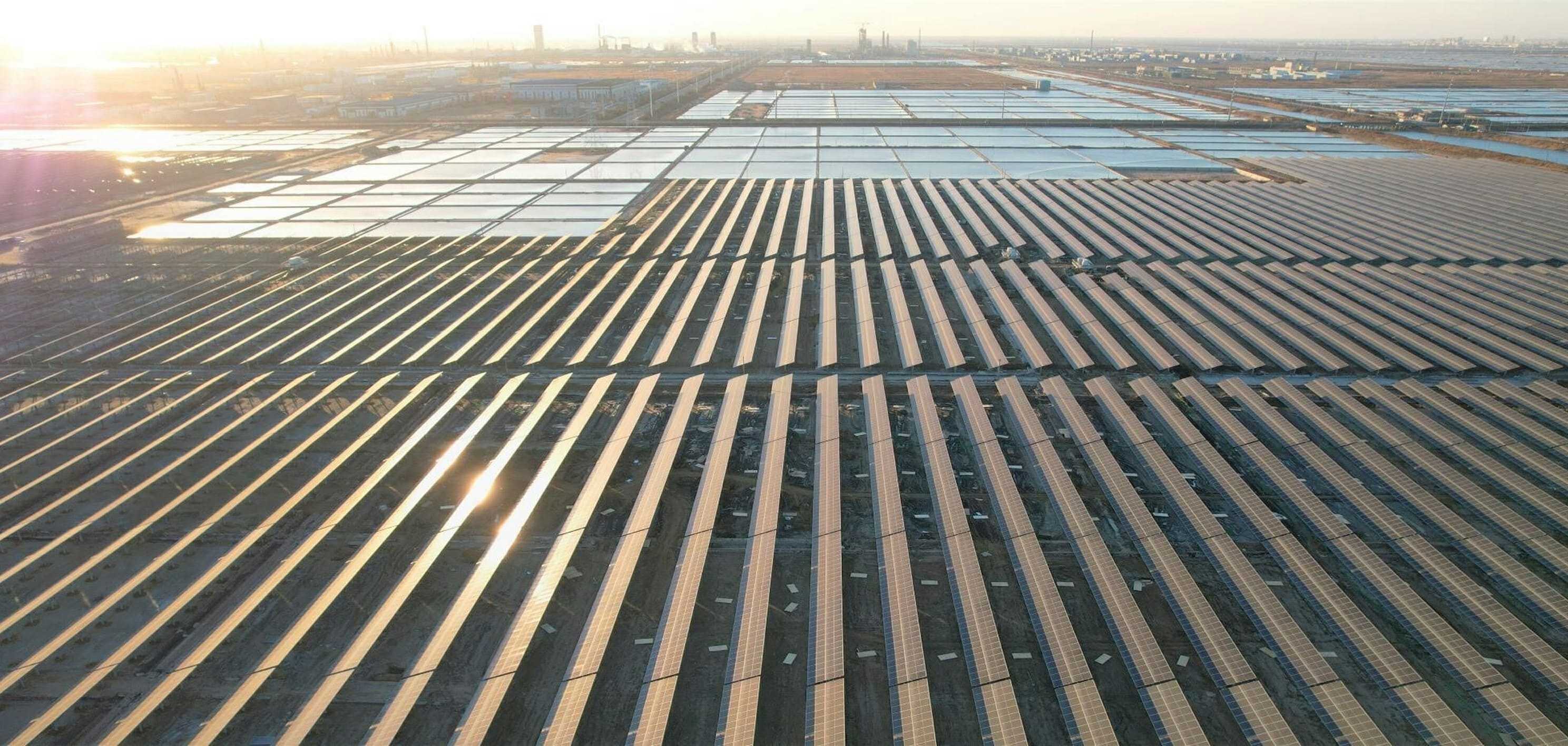
The other half of the answer to scale expansion lies in energy storage. The 5.2GW photovoltaic with 19GWh battery storage project jointly promoted by EWEC and Masdar is known as the world's first gigawatt level renewable energy project aimed at all-weather power supply. It is located in the Abu Dhabi desert, covering an area of about 90 square kilometers, and can stably output 1GW of continuous clean electricity. It is expected to start construction in 2025 and be put into operation in 2027.
The project introduces virtual power plants, grid construction and black start technologies, as well as artificial intelligence prediction systems, to transform photovoltaics from intermittent power sources that generate electricity during the day and shut down at night into a dispatchable and adjustable main power source. It is expected to create over 10000 job opportunities.
Gas gives way, reducing emissions by 45%
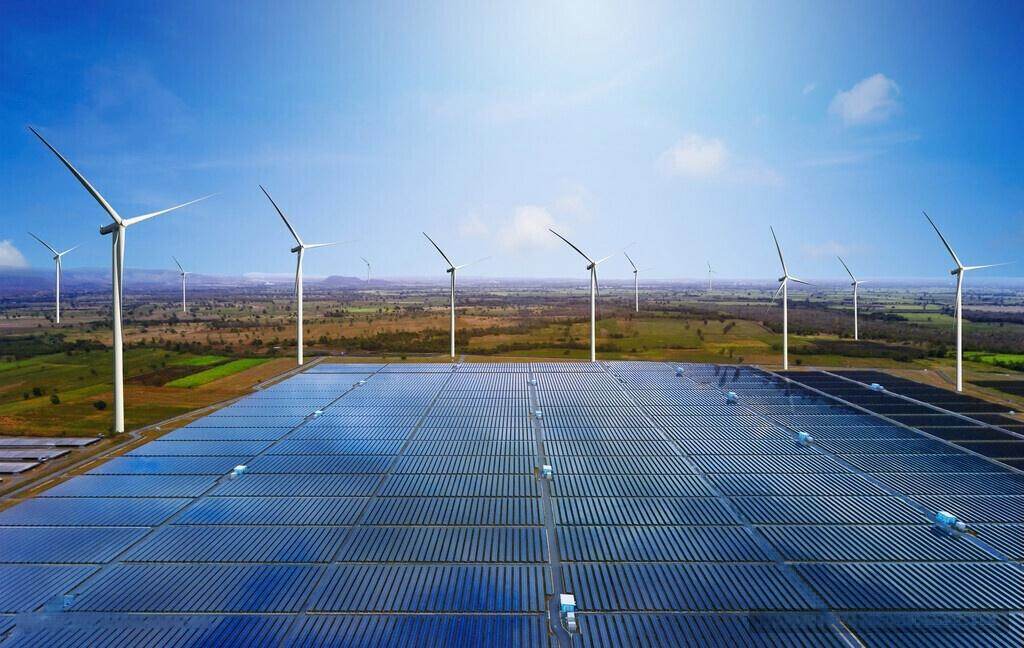
EWEC judges that natural gas power generation still needs to provide flexibility for volatile renewable energy in the near future, but its power generation contribution will decrease with the expansion of photovoltaics and energy storage. The company is procuring utility scale photovoltaics, battery energy storage, and reverse osmosis seawater desalination capacity to structurally reduce the system's dependence on gas. It is expected that by 2035, reverse osmosis technology will account for over 95% of water production, decoupling the production of water and electricity.
The result is that even if electricity demand is expected to increase by about 70% from 2026 to 2033, the total carbon emissions from electricity and water production will still decrease from about 42 million tons in 2019 to about 23 million tons in 2035, a decrease of over 45%.keywords:New energy information network
Mohamed Almarzooqi, Chief Asset Officer of EWEC, stated that the company's strategic plan will significantly expand water and energy infrastructure to support economic growth, while achieving a significant reduction in total carbon emissions. This path supports the Abu Dhabi Ministry of Energy's 2035 clean energy strategy goals and directly serves the UAE's 2050 net zero emissions strategy.Editor/Yang Meiling
Comment

 Praise
 Collect
 Comment

 Share
Share


Write something~