 Search


- The implementation of new embargo regulations by shipping companies helps global governance of plastic pollution
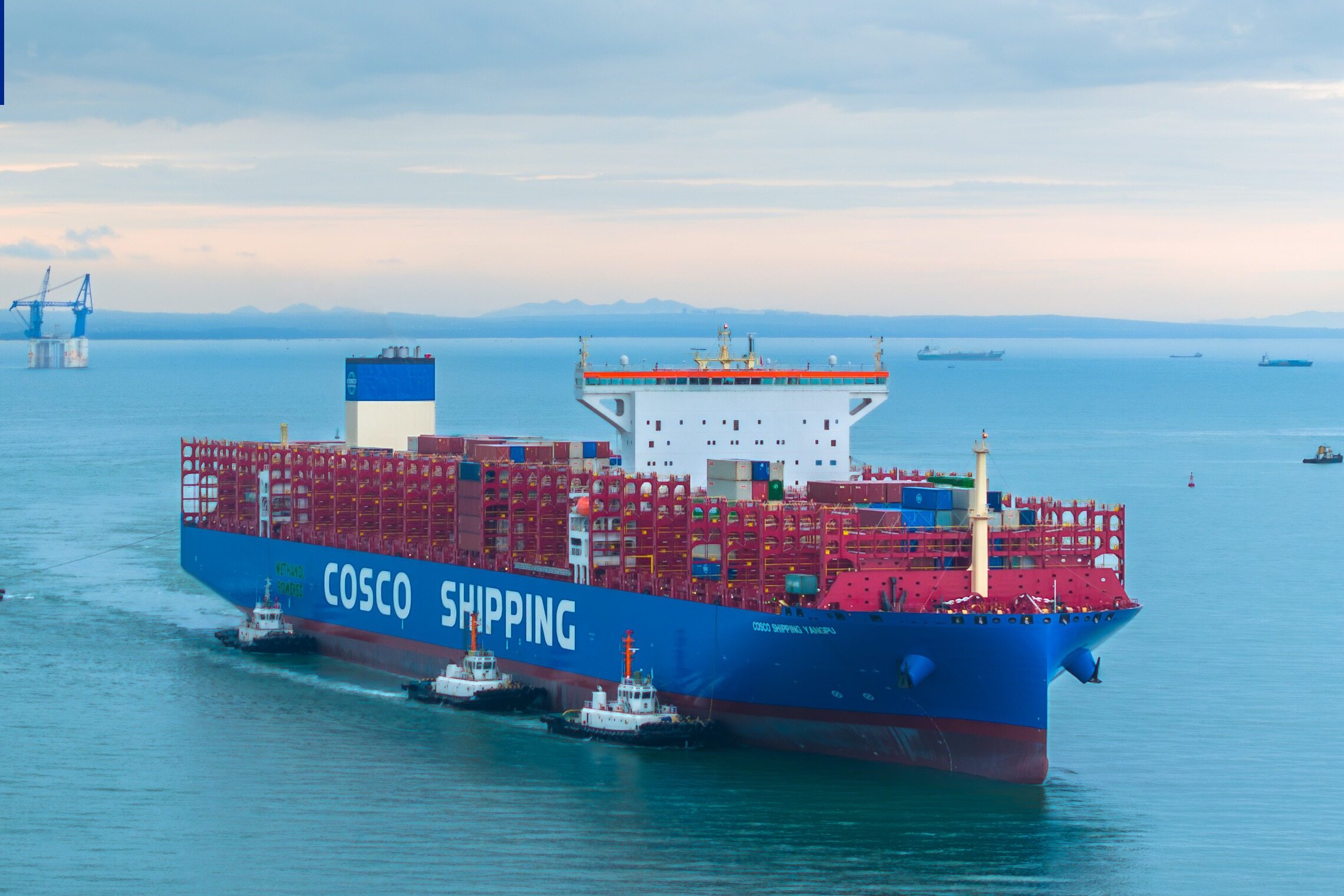
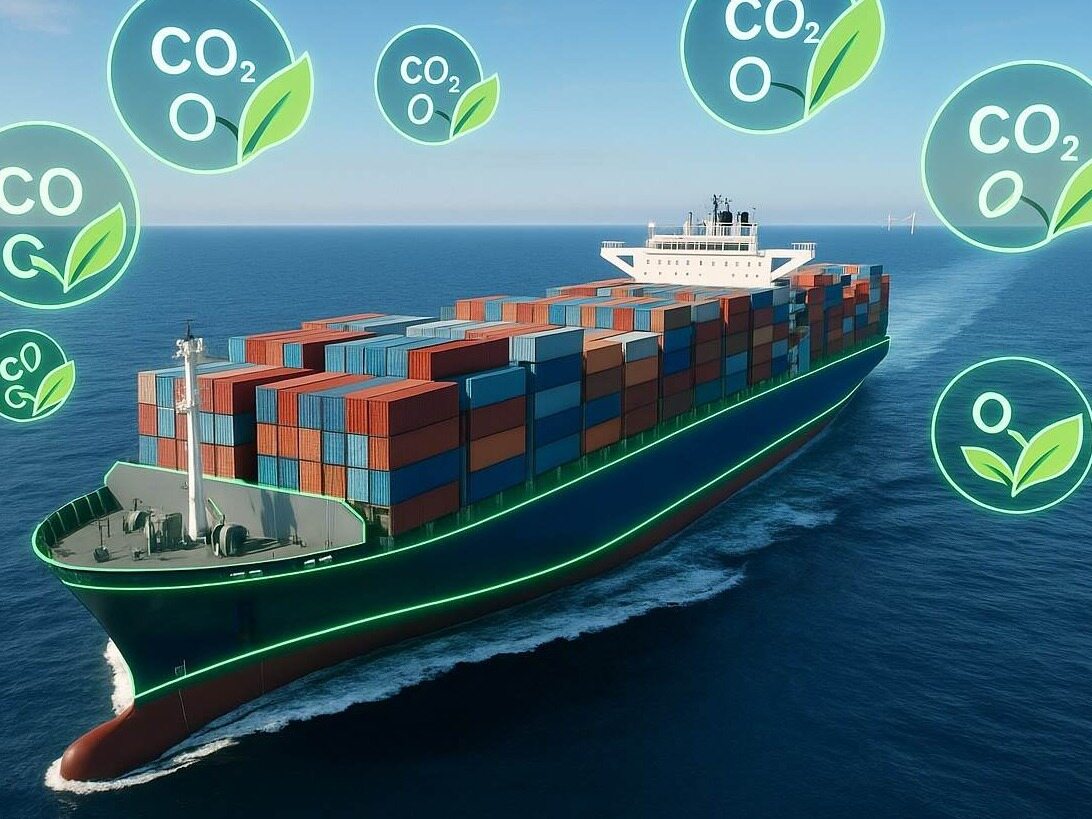
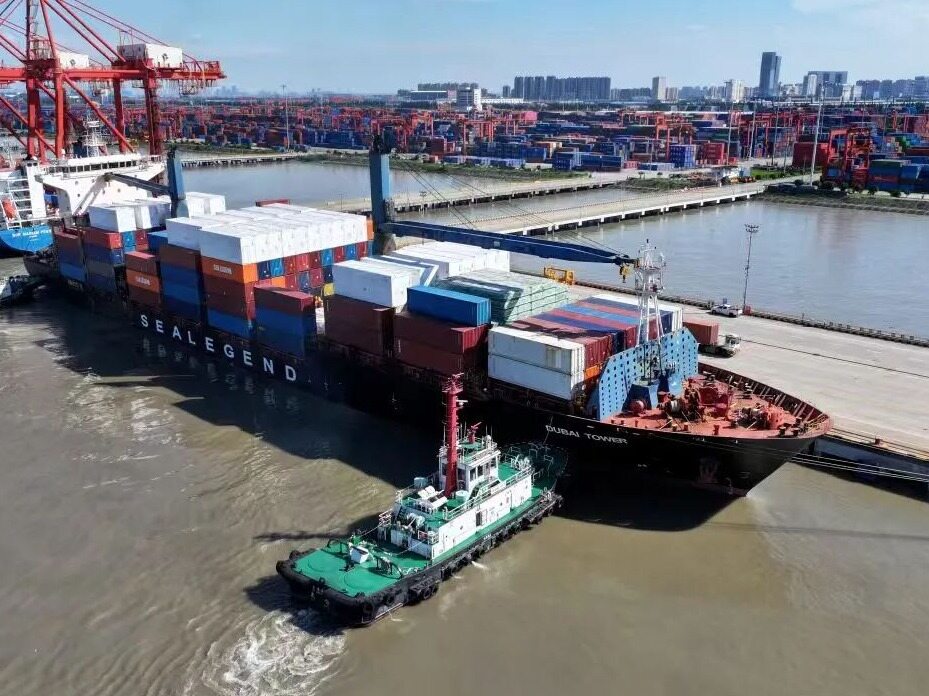
Ocean going cargo ships shuttle through ports of various countries every day, and a large number of waste plastics flow to various places through cross-border shipping channels. Improper disposal continues to erode the marine ecology, and the environmental protection of the shipping industry has made new progress.
Shipping companies implement policies to ban waste plastics
Emirates Shipping, headquartered in Dubai, has issued a transportation adjustment notice to the public, implementing environmental protection transportation measures and taking the maintenance of marine ecological integrity and biodiversity as the starting point, fully terminating the transportation of waste plastic related goods. Starting from October 1, 2026, enterprises will no longer accept all booking applications for waste plastic goods.The control standards for the goods declaration process have been tightened simultaneously. In case of misreporting of the goods category or discrepancies between the declared information and the actual goods, the corresponding responsible parties will be included in the transportation cooperation blacklist by the enterprise, and they will also be required to bear the related costs arising from the misreporting of goods.
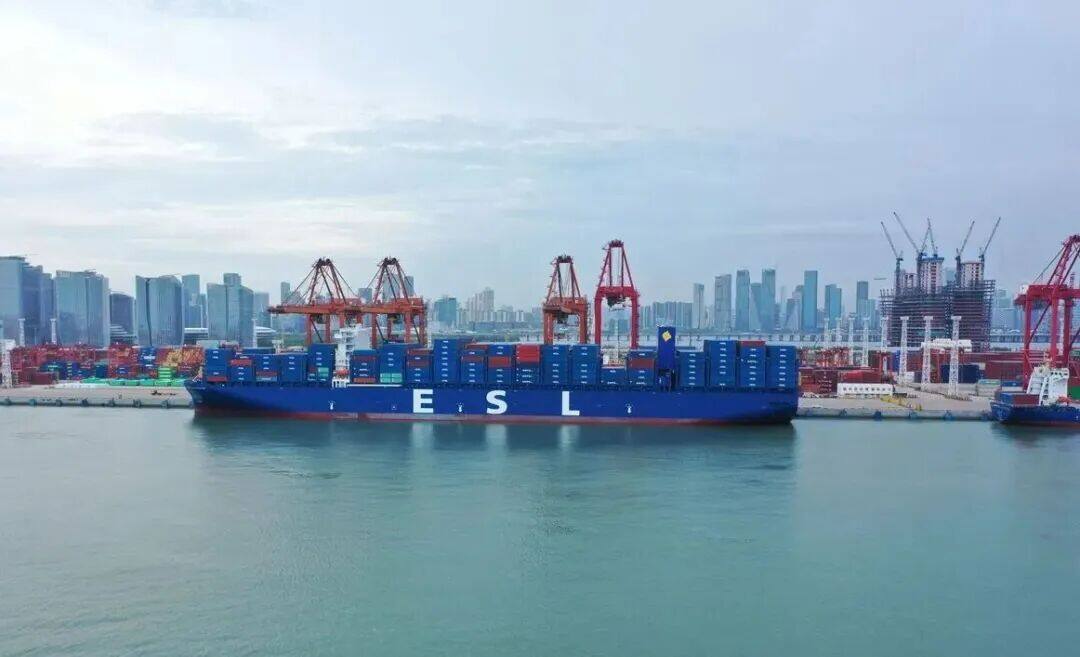
Michael Davies, the head of operations at Emirates Shipping, stated that the adjustment to cease the transportation of waste plastics has positive industry value and can promote standardized and compliant transportation operations throughout the shipping industry. This company is also the second shipping company in the industry to implement a similar embargo policy. As early as 2022, Dafei Group had already introduced a similar transportation control plan.
Environmental organizations promote industry co governance
The Basel Action Network is a public welfare organization dedicated to curbing the cross-border circulation of toxic waste. The organization has long been promoting major shipping companies to abandon accepting orders for the transportation of waste plastics. Christopher Hudak, Senior Policy Advisor of the institution, commented that the implementation of the policy by Emirates Shipping is a key progress in blocking the process of developed countries transporting hazardous plastic waste to developing countries.
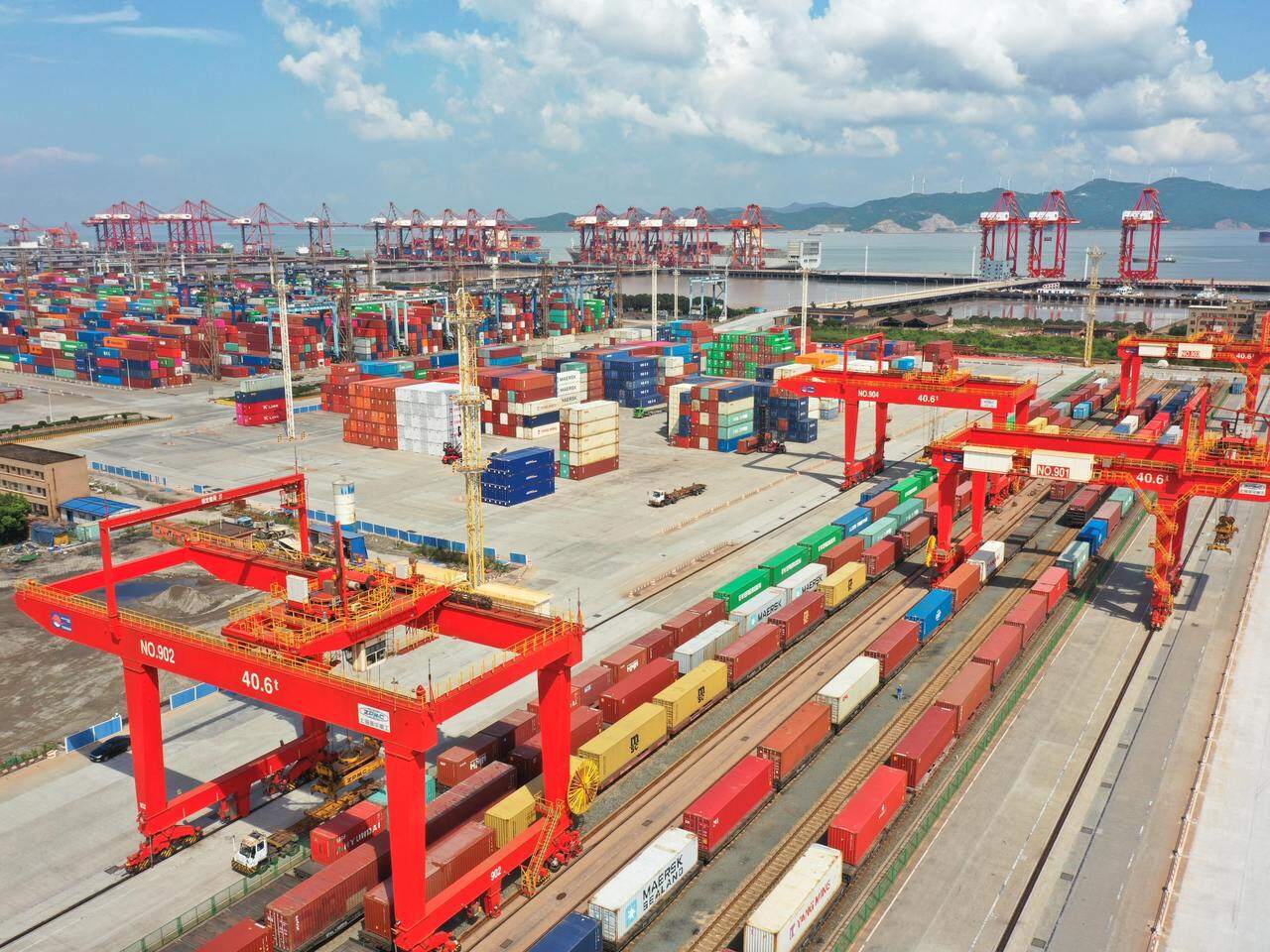
The practice of Emirates Shipping and Dafei Group can set a governance model for the entire industry. The organization calls on all companies under the World Shipping Council to follow up and implement similar plastic waste embargo measures, reducing cross-border plastic waste flow from the source of transportation.
The problem of cross-border plastic waste pollution is prominent
There have been serious governance loopholes in cross-border plastic waste circulation for a long time, with hundreds of tons of plastic waste being sent from developed countries to various developing countries every day. The relevant exporting parties claim that such waste will enter the recycling and processing process, but a large number of on-site disposal situations show that most of this batch of plastic waste is subjected to open burning, random dumping, or simple disposal in sites that do not meet safety standards. Keywords: UAE shipping, plastic waste embargo, cross-border plastic pollution
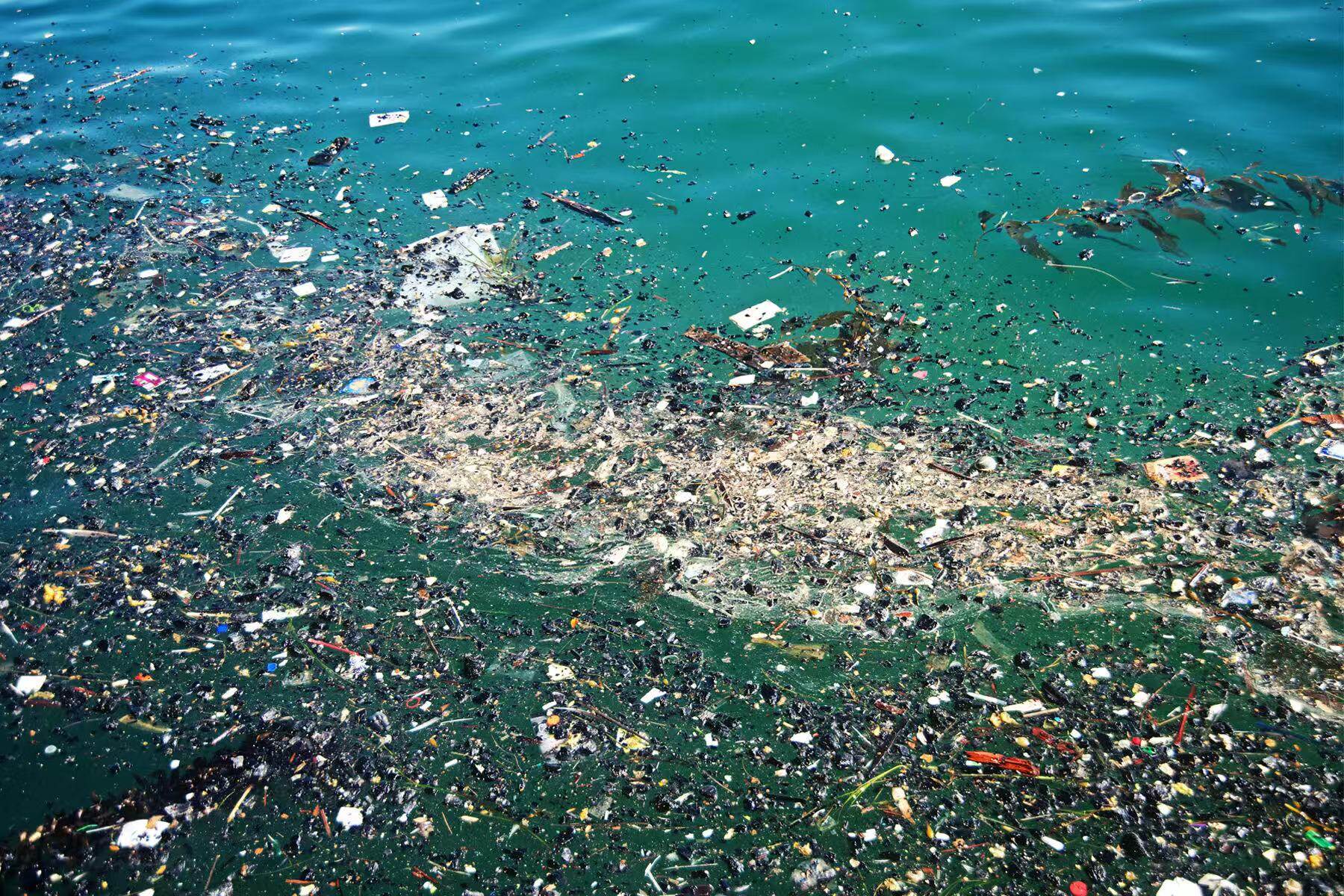
A large amount of untreated plastic waste continues to damage the soil, water, and ecological environment of developing countries. Several leading shipping companies have successively introduced embargo policies, which can cut off the cross-border circulation path of harmful plastic waste from logistics transportation channels, cooperate with global waste control policies, and alleviate the long-term ecological burden caused by cross-border plastic pollution.Editor/Huang jiali
Comment




 Praise
 Collect
 Comment

 Share
Share


Write something~