 Search


- Building a large wind farm and energy storage on the old coal city
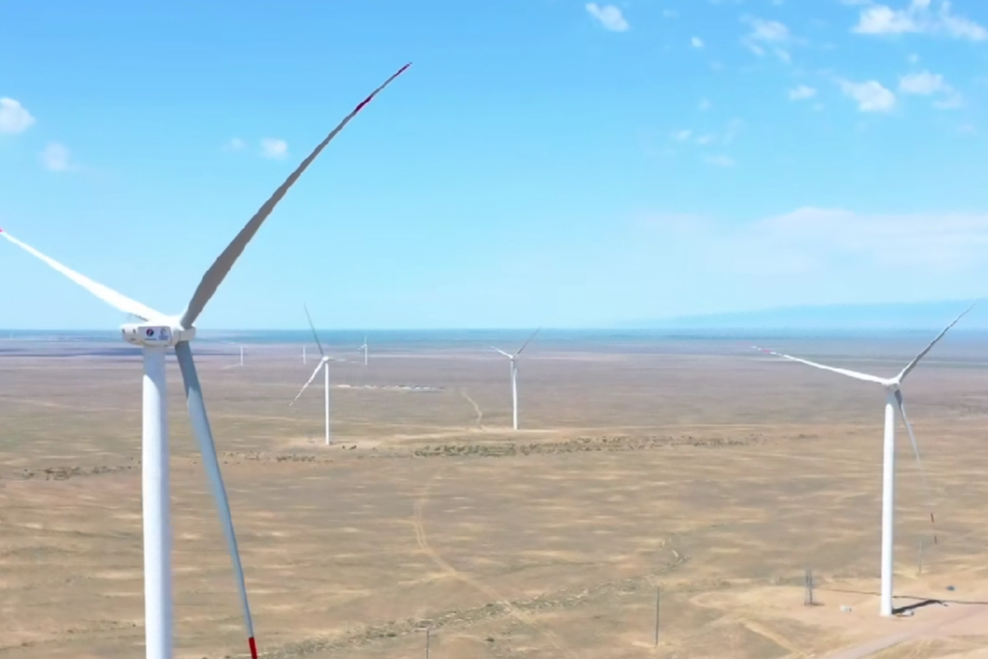
SPIC, in collaboration with Pavlodar Green Energy, is constructing a 1GW wind power project in the Ekibastuz area of Pavlodar Oblast, along with supporting 300MW/600MWh energy storage systems. The total investment is approximately 1.2 billion US dollars and the project is scheduled to be put into operation in 2029. This is not simply selling a few wind turbines, but an integrated approach of "wind power+energy storage+grid connection+long-term operation".
From signing to commencement: how the project started
Looking at the timeline straight, the rhythm is tighter than what the outside world feels: In November 2024, the governments of China and Kazakhstan signed an intergovernmental agreement in Baku, leaving a legal and policy foundation for subsequent projects; On January 29, 2026, the Ministry of Energy of Kazakhstan, State Power Investment Corporation, and Pavlodar Green Energy officially signed a package of cooperation documents, and the project entered the substantive implementation stage; Around March 30, 2026: Ejibastuz held a launch/"time capsule" installation ceremony on site, with the Chinese Ambassador to Kazakhstan in attendance via video conference. The Governor of Kazakhstan and representatives of the Samruk Kazena system were present, and the sign walked from paper to the construction site;
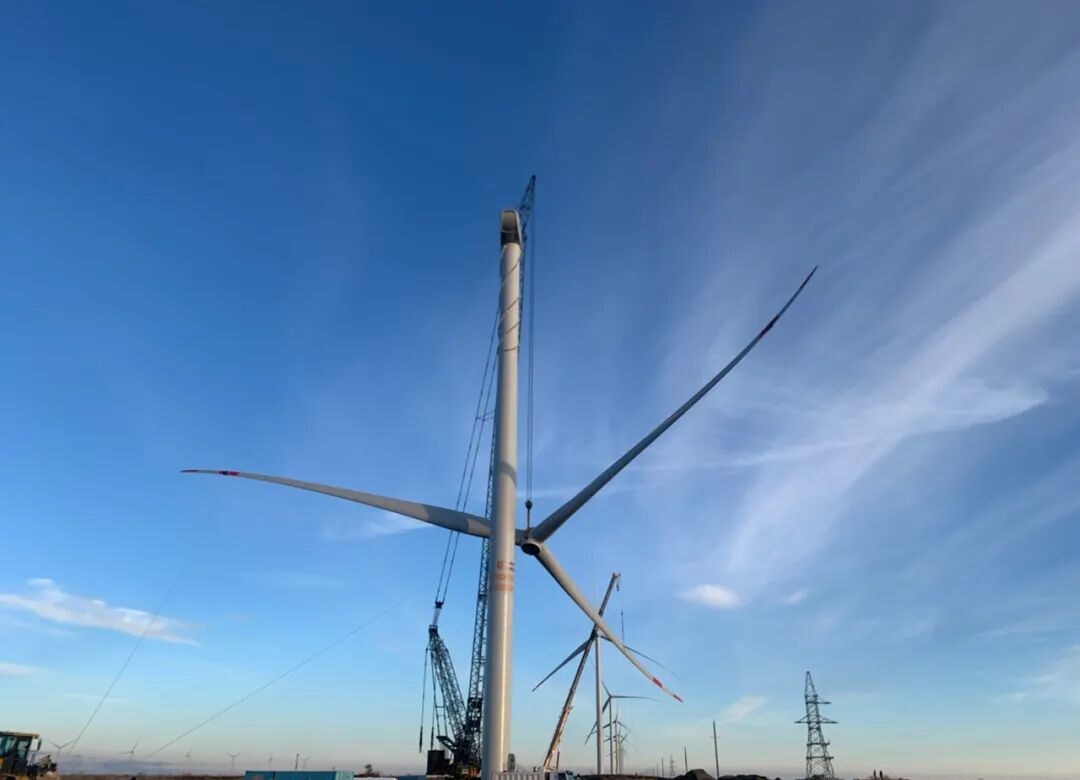
On September 10, 2026, the Ministry of Energy of Kazakhstan held another working meeting with State Power Investment Corporation to focus on equipment selection, construction organization, and grid connection plan, and confirmed that it will still be put into operation around the second quarter of 2029. In one sentence: It's not just an announcement, but a whole chain of intergovernmental agreements, package signing, launch ceremony, and quarterly promotion meetings is in motion.
Why is the configuration 1GW+600MWh
Many projects only focus on installation without mentioning energy storage - the key to this question lies precisely in energy storage. Wind power has inherent intermittency: rush to generate when the wind is strong, drop output when the wind is weak, and directly inject it into the old power grid will wash away the frequency; The foundation of the Ha country system is coal-fired power: coal-fired power units have slow ramping and difficult thermal electric decoupling, making it increasingly difficult to rely on traditional power sources to support them; So the project is equipped with 300MW power and 600MWh capacity energy storage, which is equivalent to installing a "buffer pool" for 1GW wind turbines: peak shaving and valley filling, smoothing fluctuations, and improving user friendliness, allowing the unified power system to achieve "stable electricity" rather than "relying on the weather for electricity".
Placed on the energy plate of Ha country, it helps with the hard target of 15%
Kazakhstan's figures: By the end of 2025, renewable energy generation accounted for approximately 7%. In the first quarter of 2026, renewable energy generation reached 2.3 billion kilowatt hours, a year-on-year increase of 15%; The proportion has climbed to 8.08% in the first half of the year. 2030 goal: Increase the proportion to 15%. In the long term, by 2035, more than 8GW of renewable installed capacity will be added. As of the first half of 2026, the total installed capacity of renewable energy in Kazakhstan is about 3.75GW, of which wind power has just exceeded 2GW - the State Power Investment Corporation's project has reached 1GW, which is equivalent to a single project taking a large part of the country's wind power volume up. More importantly, the landing point was chosen in Ekibastuz: this was originally a coal burning energy city, not a pilot project in an open wasteland. The construction of a wind farm and energy storage on the old coal city has a straightforward symbolic meaning - transformation is not about starting anew, but about rewiring the old energy base.Editor/Xuning
Comment


 Praise
 Collect
 Comment

 Share
Share


Write something~