 Search


- Morocco Airshow signs multiple agreements, accelerating the upgrade of aviation and local oil and gas supply chains

On October 7, 2026, at the Marrakesh Air Show in Morocco, Safran signed a memorandum of understanding for a new factory. Royal Aeronautics and the industrial sector agreed to expand local procurement, and multiple aviation companies joined the research and development alliance. On the same day, geophysical technology company Viridien announced a partnership with the Moroccan National Oil, Gas and Mineral Agency to develop exploration data. These arrangements point to the same issue: how can Morocco retain more production, procurement, and technical work locally after introducing international enterprises. The aviation industry already has factories and customers, and is now deepening its supporting facilities. The focus of oil and gas cooperation is on improving the evaluation capability of underground resources.
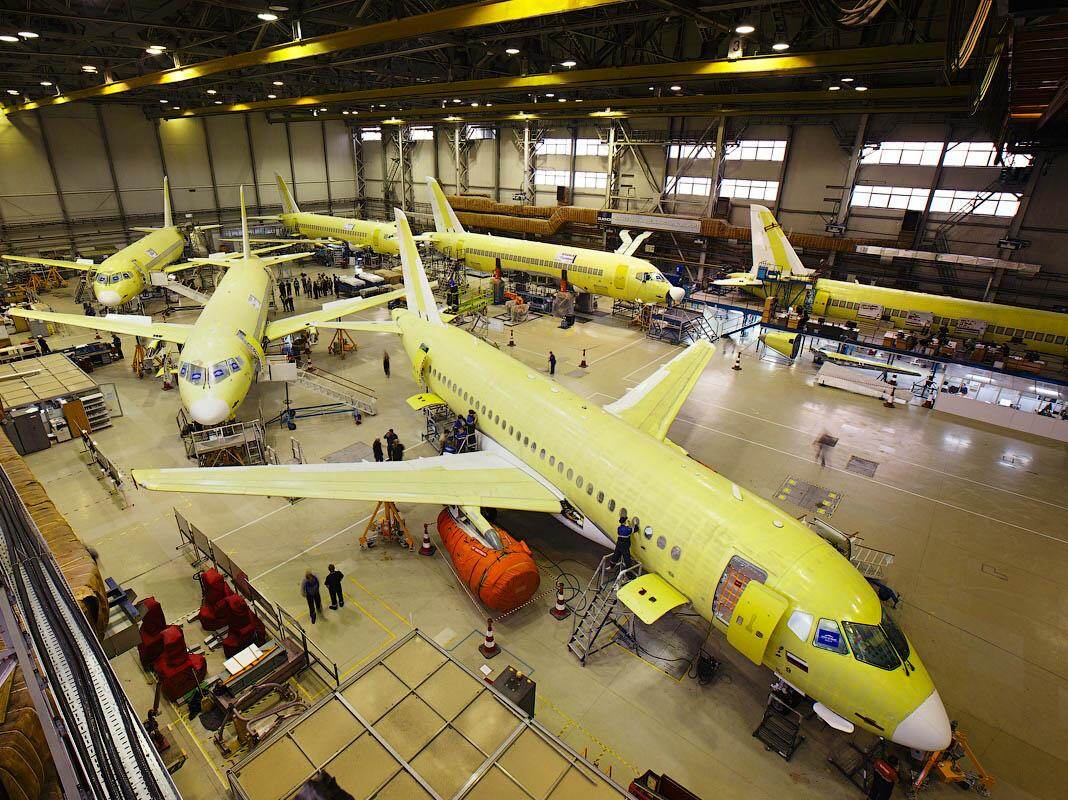
Safran continues to increase its engine business
The factory proposed by Safran for the production of aircraft engine lubrication and fluid management systems plans to invest 120 million dirhams and create 100 jobs. The current progress is the signing of a memorandum of understanding. This investment follows the previous engine layout. In October 2025, Safran announced the launch of two different businesses in Casablanca: a € 120 million LEAP engine maintenance project and a € 200 million LEAP-1A engine assembly plant. This lubrication system project is priced in dirhams, corresponding to system manufacturing, engine assembly, and maintenance. For Safran, the Moroccan base is designed to keep up with the growing global aviation demand and expand engine production capacity; For Morocco, the increase in business types means that there are more diverse processes and technical positions that can be undertaken locally.
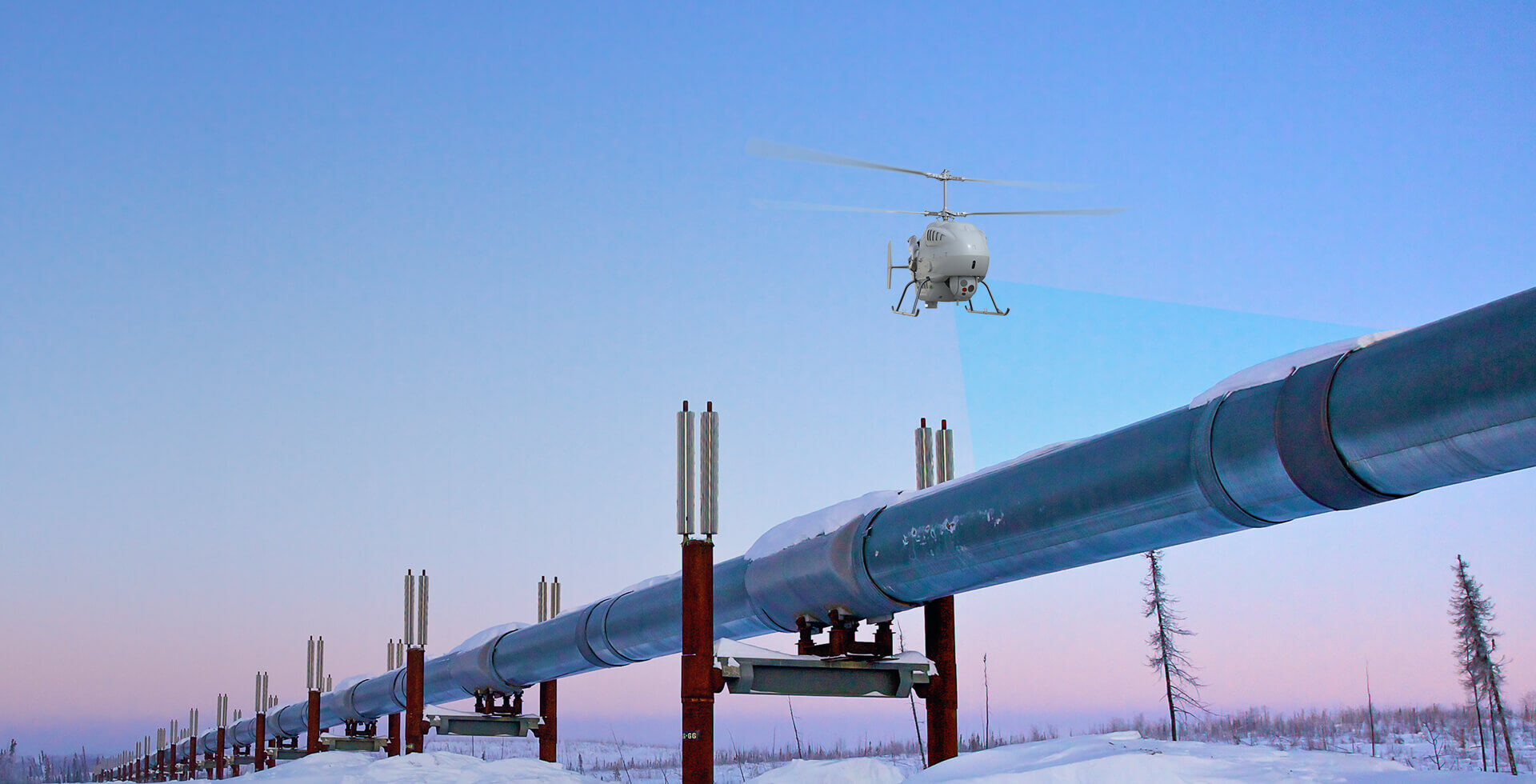
Royal Airlines provides procurement direction
The framework agreement signed between Royal Aeronautics and the Ministry of Industry and Trade proposes to replace the current demand that relies on imports with local products and services in the long term, with a maximum proportion of 60%. This is a goal, where the denominator is the existing import demand, and the actual procurement also needs to meet quality, cost, delivery time, and safety requirements. The arrangement in the agreement that directly affects the operation of the enterprise is that Royal Airlines provides the required categories, quantities, and timing to the industry sector. Based on this, suppliers can determine which item they can do and when to deliver, and the industrial department organizes matching accordingly. The agreement also encourages foreign suppliers to set up factories in Morocco, bringing in technology and experience, thus opening up local supply to foreign-funded enterprises. The procurement of aviation products has its own verification procedures, for example, Safran publicly requires suppliers to specify applicable standards according to business categories, supply of parts in applicable categories requires first article inspection and Safran approval, and products and batches must be traceable. Keywords: High tech News Network, Aerospace, International
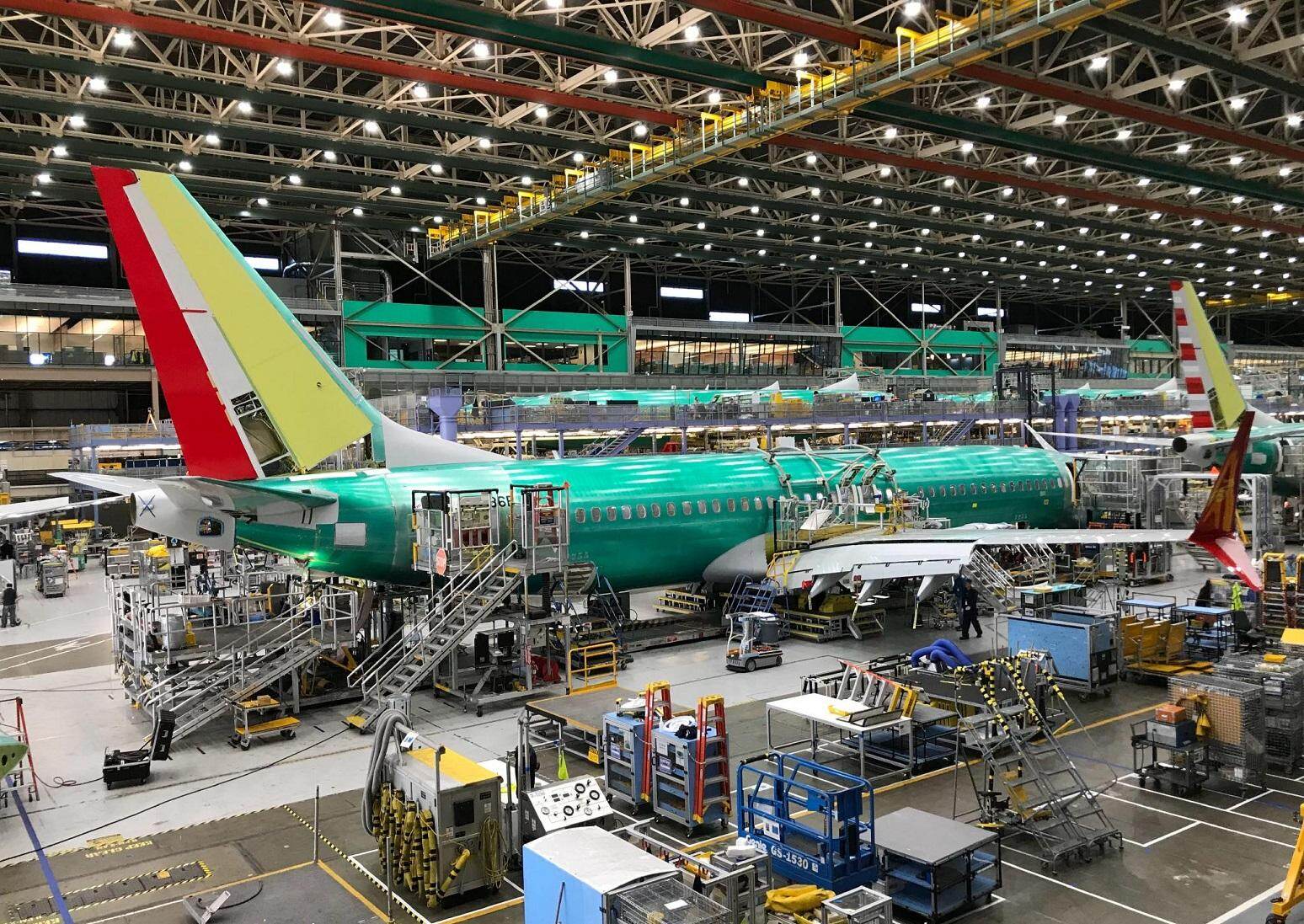
R&D alliance connects factories and engineers
Local enterprises need to have the ability to experiment and engineering in order to take over more complex products. The R&D alliance established this time is based on the African Manufacturing Excellence Center ACME located in Nouvelle, Mohammed VI University of Technology. In addition to companies such as Boeing, Airbus, Lockheed Martin, and Safran Nacelles, it also involves research and industrial institutions in Morocco. The alliance will share research and development equipment, conduct research and training in areas such as materials, additive manufacturing, composite materials, robotics, metrology and testing. In June 2025, Boeing announced its cooperation with ACME. This multi-party signing is an expansion of participation in existing cooperation, and the agreement also involves governance, funding, and intellectual property arrangements. In terms of oil and gas cooperation, Viridien and the Moroccan National Oil, Gas and Mineral Bureau plan to combine local geological knowledge and underground imaging and data analysis technologies to provide information for multiple clients in onshore and offshore sedimentary basins.Editor/Gao Xue
Comment



 Praise
 Collect
 Comment

 Share
Share


Write something~