 Search


- Pipeline connected trains, Chinese enterprises connect industries to distant places along the steel artery
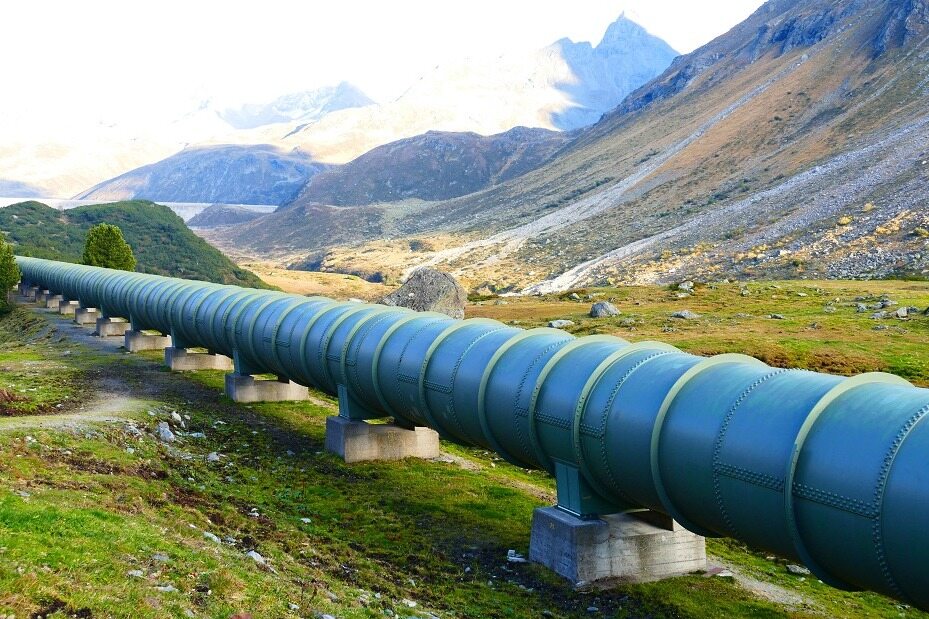
Kazakhstan sits in the heartland of Asia and Europe, where oil pipelines and China Europe freight trains intersect. In the first eight months of 2026, the Ha Zhong pipeline transported 13.121 million tons of oil, a year-on-year increase of 2%; The China Europe freight train operated 11178 trains in the first half of the year, an increase of 20% year-on-year. Over the past decade, this steel channel has tightly linked energy, commodities, and industrial chains, becoming a window for observing Central Asia.
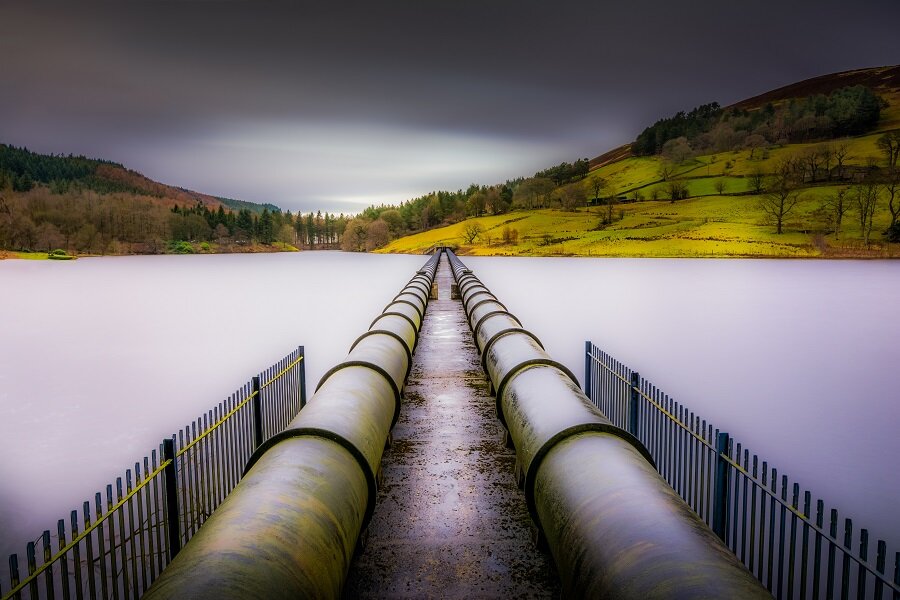
Two channels support the great arteries of Asia and Europe
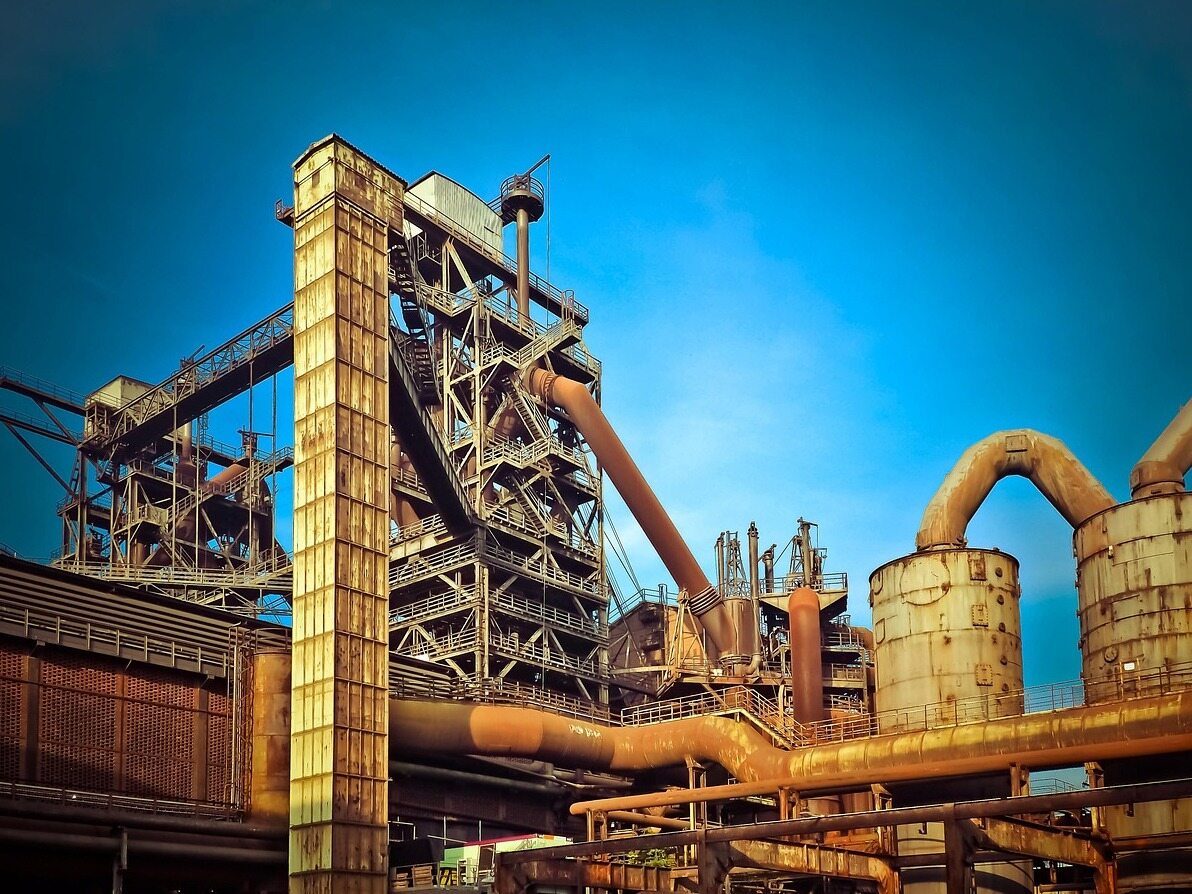
In the latest data released by KazTransOil, there is a hidden high-intensity operation of Kazakhstan's energy exports. From January to August 2026, the Kazakhstan China oil pipeline transported 13.121 million tons of oil, a year-on-year increase of 2%, and the oil turnover was 11.879 billion ton kilometers, a year-on-year increase of 3%; The MunaiTas Northwest Pipeline transported 4.302 million tons of oil, an increase of 10%, with a turnover of 1.784 billion ton kilometers, an increase of 8%; Batong Petroleum Terminal Group processed 1.251 million tons of petroleum, petroleum products, and natural gas, an increase of 3%. The entire main pipeline system transported 30.639 million tons of oil in the first eight months, a year-on-year increase of 4%. Under the surging oil flow, it is a clear signal of the continuous diversification of export routes.
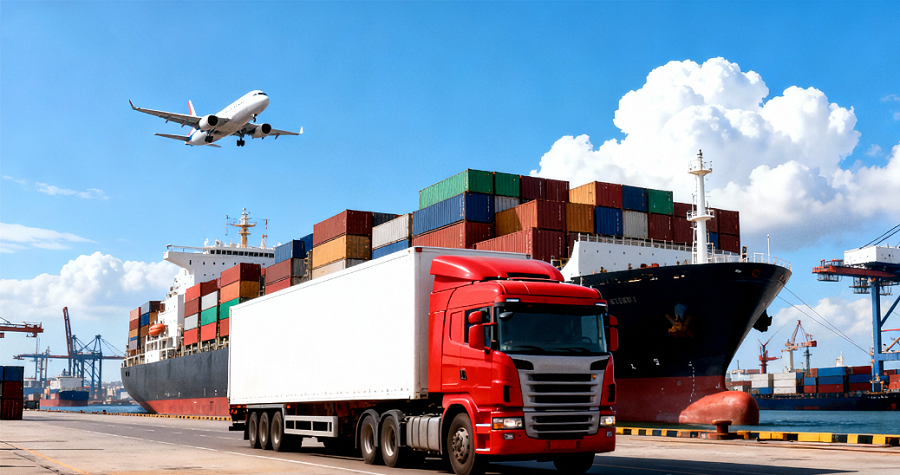
Oil Dragon sets sail westward with multiple heads
For a long time, Kazakhstan's energy exports have been highly dependent on cross-border transportation. In addition to stabilizing traditional routes, it is working together with Azerbaijan to optimize cross-border transportation in the Caspian Sea, with approximately 250000 tons of Kashagan oil field and 1.5 million tons of Tengiz oil field exported through Azerbaijan annually. Connecting China to the east, reaching Europe through the Caspian Sea to the west, and relying on regional networks to the north, a multi-directional energy transportation network is gradually expanding towards the sea. Every time the route changes, new infrastructure needs arise, including oil pipelines, pumping stations, oil storage facilities, intelligent metering, and operation and maintenance services.
New shoots of industry emerge at the extension of the channel
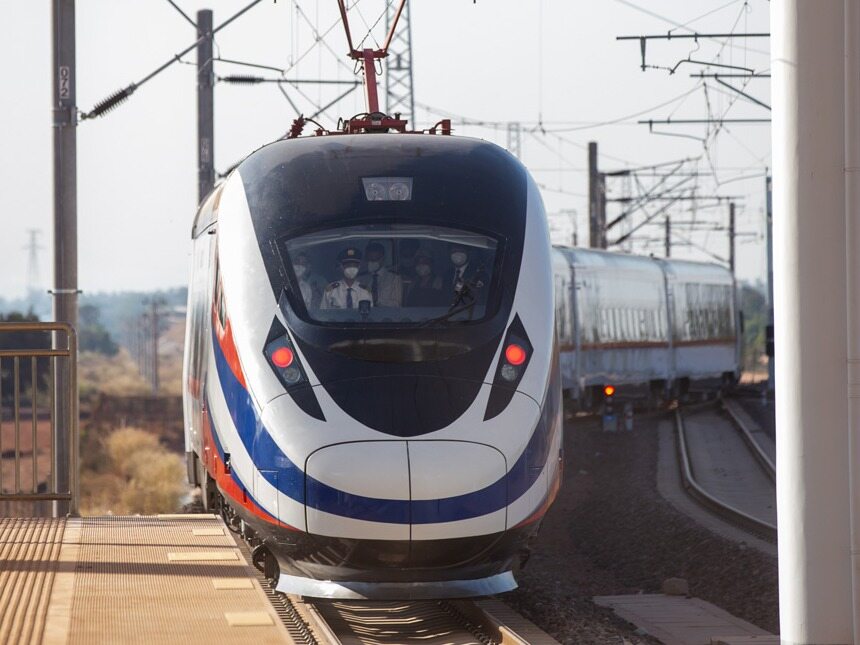
If the pipeline connects energy, the China Europe freight train connects goods and manufacturing. In 2026, coinciding with the tenth anniversary of the unified brand operation of China Europe freight trains, 11178 trains were operated in the first half of the year, a year-on-year increase of 20%, with a total of over 130000 trains operated and a transportation value of over 520 billion US dollars. The heavy container rate remained at 100% for 46 consecutive months. From 1702 trains in 2016 to 20022 trains in 2025, the growth rate has exceeded tenfold, connecting 129 cities in China with 236 cities in 26 European countries. Kazakhstan is sandwiched between China and Europe, with 12 international transportation corridors, 5 railways, and 7 highways within its borders. It is also promoting the Dostyk Moyynty railway, with plans to construct and renovate approximately 5000 kilometers of railways and maintain approximately 11000 kilometers by 2030. It is transforming from a resource supplier to a logistics transit country and a regional industrial hub. Keywords: China Europe freight train, Kazakhstan, energy export
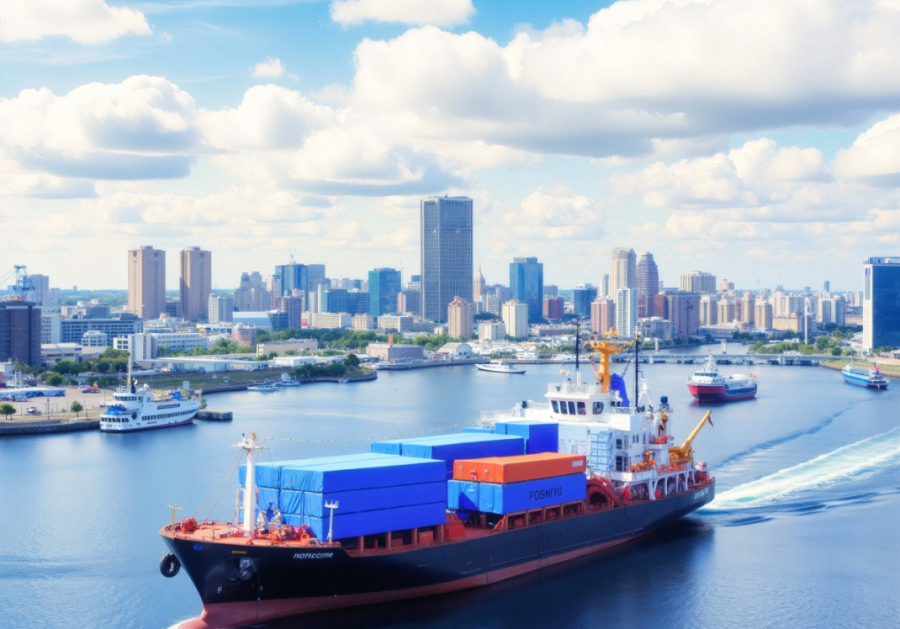
Wherever the channel extends, industrial opportunities grow. Railway construction, cross-border warehousing and logistics, energy infrastructure, engineering machinery, and photovoltaic energy storage exports have all ushered in new spaces. For Chinese companies that are laying out in Central Asia and building overseas factories, keeping a close eye on this steel channel is keeping a close eye on the next market cake.Editor/Min Jing
Comment


 Praise
 Collect
 Comment

 Share
Share


Write something~