 Search


- ML-1 railway financing landing, Pakistani local enterprises shoulder the heavy burden
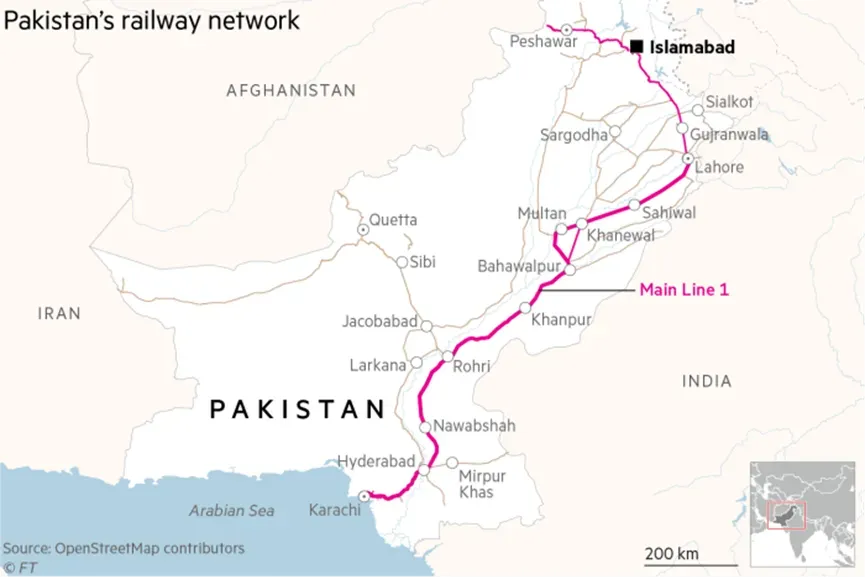
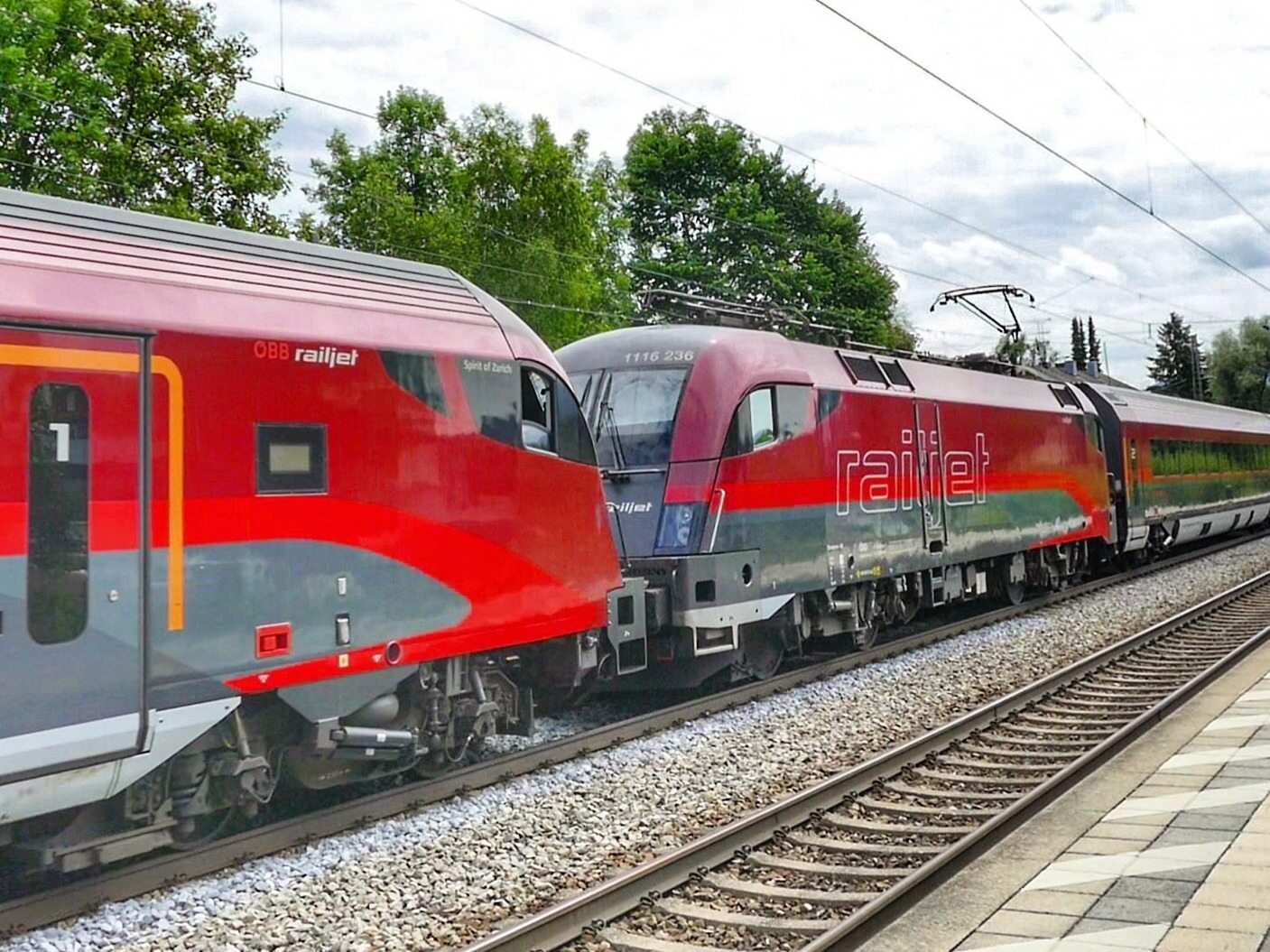
In the conference room in Islamabad, a discussion about the future of railways is heating up. The Pakistani government has convened various departments to study the construction plan for the Multan Rohri section of the ML-1 railway proposed by the local border engineering organization FWO. This is a north-south steel artery that is moving from paper to reality.
Local enterprises take the lead
Pakistan's Planning Minister Iqbal recently chaired a financing meeting for the ML-1 railway Rohri Multan section project, with officials from the Ministry of Finance, Ministry of Railways, Ministry of Economic Affairs, Special Investment Promotion Committee, and other departments in attendance. According to the plan proposed by FWO, the total investment of the Multan Rohri section project is about 470 billion Pakistani rupees, approximately 1.7 billion US dollars, and it is planned to adopt a construction lease transfer model. FWO will be responsible for project construction and will raise loans through local commercial banks, covering up to 80% of the project cost, with the federal government providing at least 20% and up to 40% funding support. FWO plans to complete railway construction within 3 years, and after completion, the line will be handed over to Pakistan Railways for operation and leased for 25 years. After the lease term expires, the ownership of railway assets will be officially transferred to Pakistan Railways. Keywords: ML-1 railway FWO
Financing plan to be determined
However, the financing plan for the project has not yet been finalized, and the differences among Pakistani government departments mainly focus on who will repay the money and how much sovereign guarantee to provide. Officials have stated that if FWO raises large-scale loans from local banks, it still needs to be further clarified who will bear the debt repayment responsibility in the future. Pakistan Railways had previously been cautious about assuming full loan repayment responsibility. The Pakistani Ministry of Finance has not yet explicitly agreed to provide sovereign guarantees, but has requested the railway department to evaluate whether the railway company can use its own revenue to bear the debt repayment after the project is completed and taken over by the railway company. Planning Minister Iqbal stated that the federal government will not provide feasibility gap funding for the project through public sector development plans, but does not rule out providing relevant support through other means.Editor/Min Jing
Comment


 Praise
 Collect
 Comment

 Share
Share


Write something~