 Search


- Tashkent Metro New Car Bidding, CRRC Solution Leads the Way
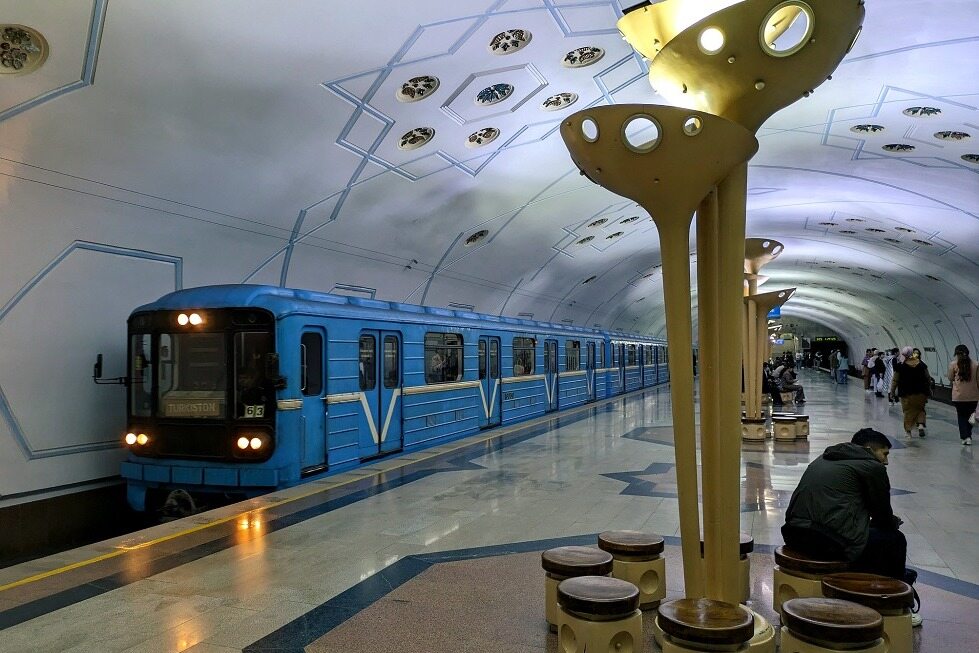
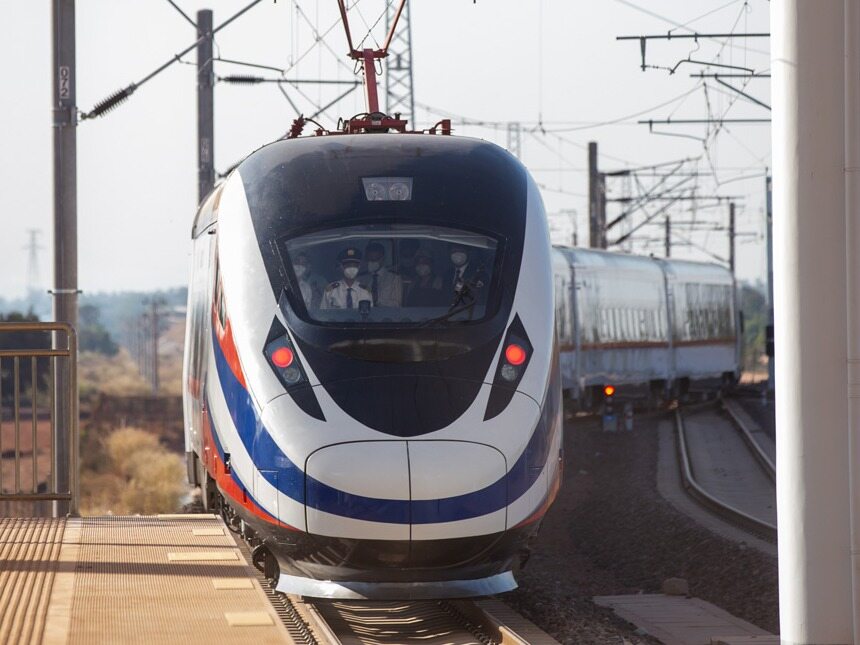
At Tashkent subway station in the early morning, passenger flow surged like a tide, and old Soviet era trains were still carrying heavy loads. This Central Asian city, with a daily throughput of over 800000 people, is urgently looking for a batch of brand new trains. On October 8, 2026, the Tashkent City Council approved the procurement of 14 five car subway trains, marking the start of a bidding process spanning Asia and Europe.
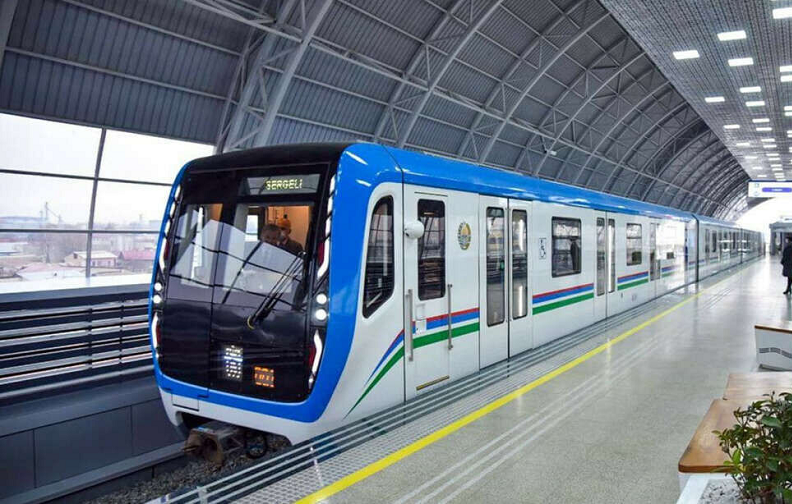
Seven strong bidding competition
The project plan compares 7 international manufacturers, with a focus on evaluating vehicle procurement costs, financing conditions, and requirements for vehicle depots and maintenance facilities. The participating companies include CRRC China, Kawasaki Heavy Industries of Japan, Alstom of France, CAF of Spain, GTS of Russia, Skoda of Czech Republic, and Rotem of Hyundai of South Korea. Siemens Mobility of Germany did not submit a quotation due to the inability to meet the requirements of the plan. The estimated project cost for each company ranges from 169 million US dollars to 357 million US dollars. Keywords: Tashkent Metro, CRRC shortlisted
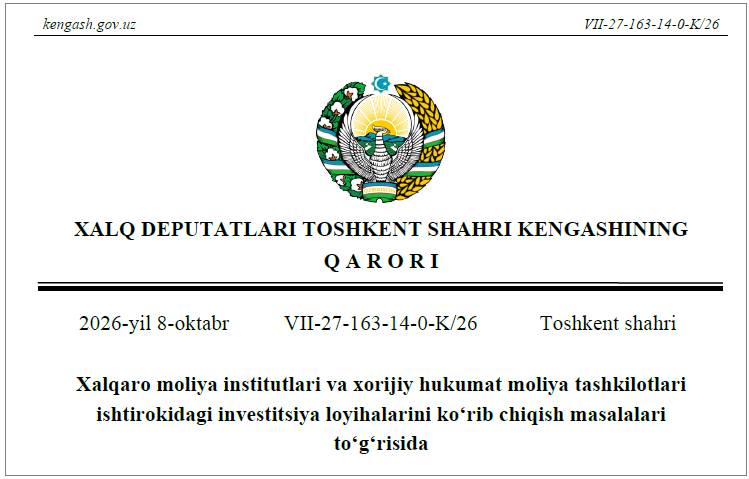
CRRC Optimal Selection
The plan suggests that the proposals of CRRC China, GTS Russia, and Hyundai Rotem South Korea are more applicable. The Tashkent Metro delegation will inspect CRRC Dalian Company in August 2026; GTS does not require the renovation of the vehicle depot, but high loan interest rates drive up costs; Modern Rotem proposes a 0.05% base financing rate. Most of the existing trains are made in Russia with four sets, and six sets were considered to be abandoned due to insufficient station length. Eventually, five sets were chosen, and the new train will replace the old DC motor with a 170 kW asynchronous traction motor. The Tashkent Metro currently has 4 lines, approximately 70.8 kilometers in operation, and 50 stations, with an average daily passenger flow of over 800000 people. By late September 2026, the daily passenger flow will exceed 1.2 million people. Updating old vehicles has become an urgent task to improve transportation services.Editor/Min Jing
Comment

 Praise
 Collect
 Comment

 Share
Share


Write something~