 Search


- 77.5 billion tons of oil-rich coal have been discovered in the Turpan Hami Basin
- If fuel is converted into raw materials, a large oil field can be rebuilt
- Open up new space for energy security and green transformation of coal
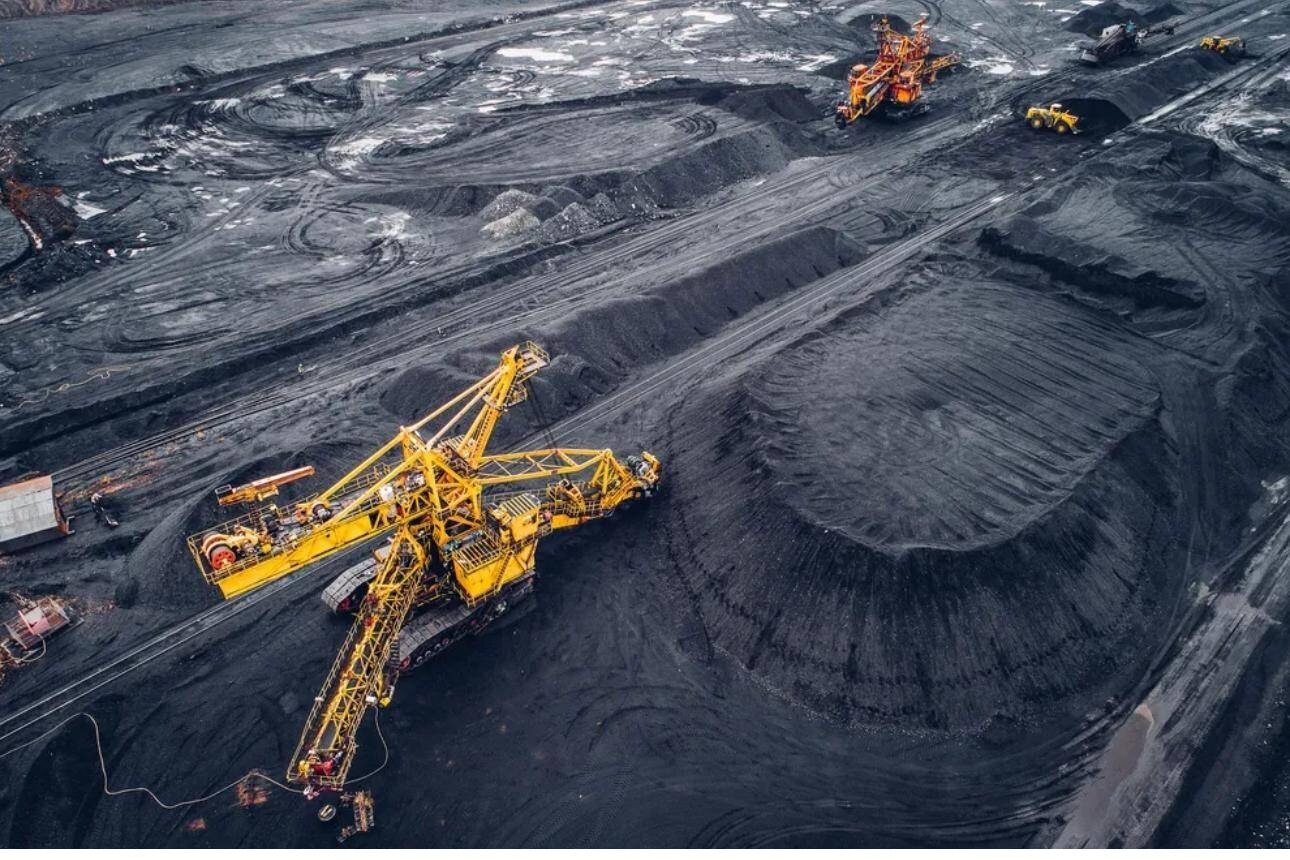
In 2021, the third comprehensive scientific expedition to Xinjiang was launched, and Professor Jia Dianzhi from Xinjiang University led his team to visit the mines in Hami repeatedly to take samples. This scholar, who originally studied nanomaterials, completely changed his research direction due to a few pieces of black coal. He wrote this sentence in the inspection report: This is a great waste of valuable resources. What made him unable to sit still were the special coal types underground in the Tuha Basin that looked no different from ordinary coal but were rich in oil and gas.
A treasure trove of oil and gas in a piece of coal
On October 10, 2026, the third Xinjiang Comprehensive Scientific Expedition Results Release Conference was held in Urumqi. This scientific expedition, which lasted for 5 years and involved more than 6400 participants from 46 units across the country, has yielded a weighty answer: the Tuha Basin is highly enriched in oil and coal resources, with proven reserves exceeding 77.5 billion tons, including over 64 billion tons in Hami and 13.5 billion tons in Turpan.
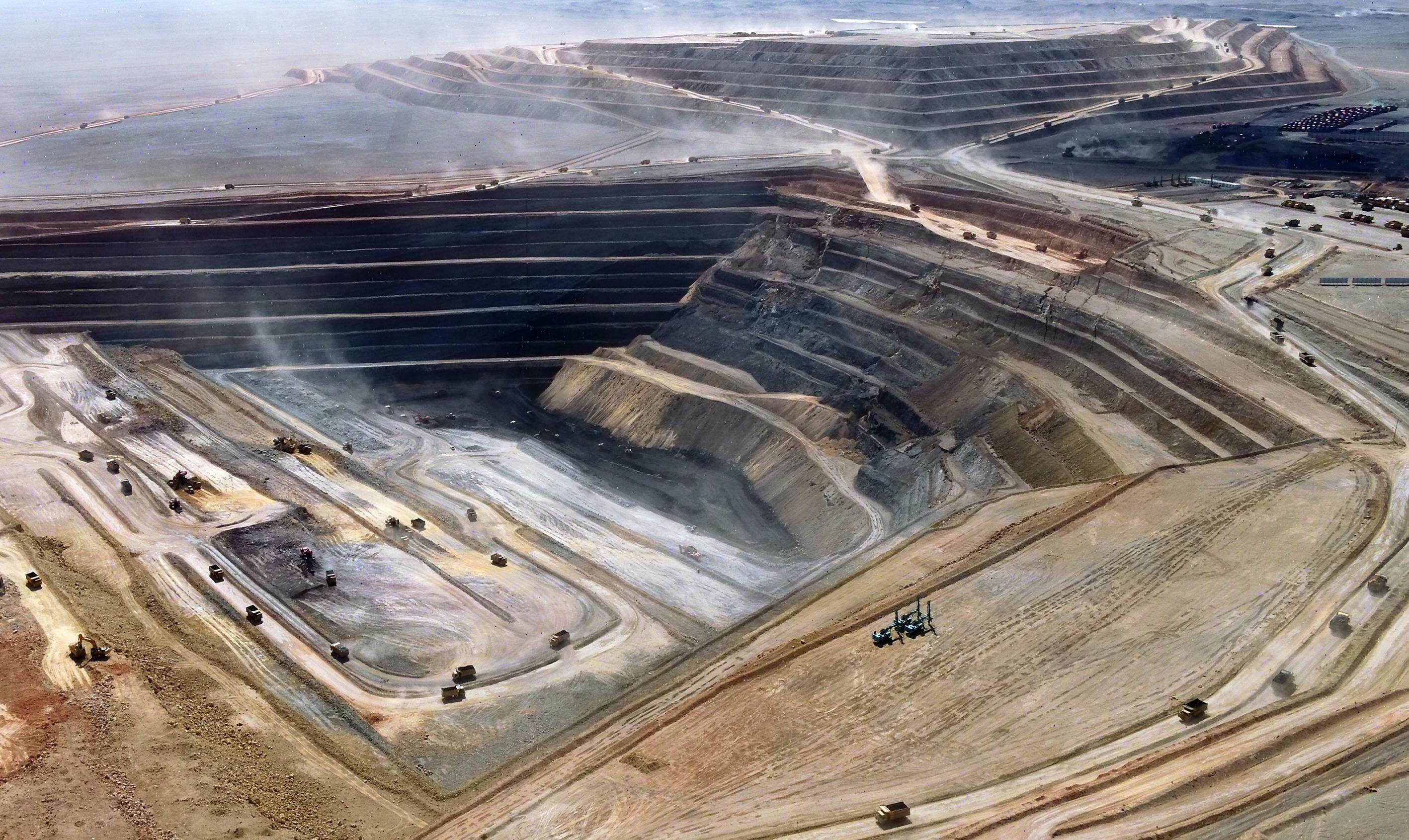
Rich oil coal is a special type of coal that combines coal, oil, and gas properties. The average tar yield in the Tuha Basin is 12%, with the highest being nearly 20%. It is estimated that for every 100 million tons of oil rich coal processed, 34.5 million tons of oil and gas equivalent can be produced, including 12 million tons of coal tar and 25 billion cubic meters of co produced natural gas. For a long time, most of these coals have been sent as ordinary power coal to boilers for combustion and power generation, and more than half of their oil and gas properties have been wasted. In the words of Jia Dianzi, it is an untapped treasure trove of oil and gas.
Three technological routes to overcome challenges
Technological breakthroughs are the key to turning coal into oil. At present, Xinjiang University, Xi'an University of Science and Technology, and China Academy of Coal Science are jointly tackling three routes: integrating pyrolysis and gasification to convert all oil-rich coal into oil and gas; Mild liquefaction and development of liquefaction technology suitable for rich oil coal structures under lower pressure conditions; Underground in-situ pyrolysis is used to explore the in-situ transformation of resources with thin coal seams and deep burial. It is expected to achieve significant breakthroughs in the next 2 to 3 years.
This road does not start from scratch. In October 2023, the underground in-situ pyrolysis pilot test of rich oil coal in Shenmu, Yulin, Shaanxi successfully extracted the world's first barrel of underground in-situ pyrolysis coal tar, providing process parameters and engineering references for similar technologies. In Xinjiang, if new pyrolysis technology is adopted to increase tar yield from the current 8% to over 12%, 100 million tons of oil-rich coal can produce an additional 4 million tons of oil, which is equivalent to the oil production of Tuha Oilfield in two years. Jia Dianzhi suggested that rich oil and coal should be included in the management of unconventional oil and gas resources at the national level, promoting efficient conversion and high-value utilization.
Green hydrogen coupling new track
This scientific expedition also suggests leveraging the advantages of rich oil and coal, as well as the coexistence of oil, gas, wind, and light in the Tuha Basin, to promote the large-scale development of industries such as wind solar thermal storage, green electricity, and green hydrogen energy. The processing of rich oil coal requires hydrogenation, and traditional grey hydrogen comes from coal. If green hydrogen is produced by wind, solar and green electricity instead, it will not only solve the problem of new energy consumption but also reduce carbon emissions.
The industry is already in motion. Hami is one of the five strategic bases for coal to oil and gas production in China. The local Rich Oil Coal Research Institute pilot base has built six sets of pilot equipment with independent intellectual property rights and entered the commissioning stage, including an electrolytic water hydrogen production device; The integrated project of wind solar ionization network hydrogen production in Yiwu County has been approved, with an annual output of about 30000 tons of green hydrogen and an annual consumption of about 1.65 billion kilowatt hours of green electricity after completion.
The results of scientific research are also accelerating their implementation. The efficient and comprehensive utilization suggestions proposed by experts have been adopted by six ministries including the National Development and Reform Commission, the Ministry of Industry and Information Technology, etc; The proposal to promote the construction of coal to oil and gas strategic bases in Hami and other areas has been included in the National Development and Reform Commission's "15th Five Year Plan" for the development of petroleum and natural gas. The black coal that was once only sent for combustion is becoming a new insurance to ensure national energy security.Editor/Yang Meiling
Comment





 Praise
 Collect
 Comment

 Share
Share


Write something~