 Search


- Kenya's expressway is completed ahead of schedule, and logistics in the northern corridor is further accelerated

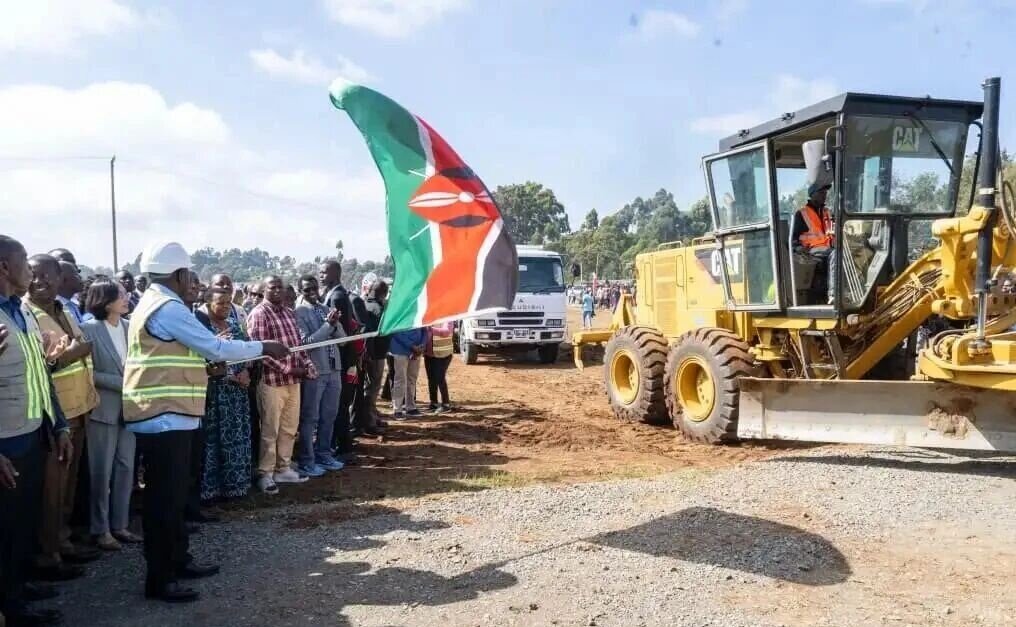
Kenyan President Ruto announced an exciting news for transportation companies, as the Lironi Maofeng Expressway, originally scheduled to open in June 2027, has been moved up to April 2027. This transportation artery connecting Mombasa Port with inland countries is advancing at an unprecedented pace.

There are many details to speed up the project
This 233 kilometer highway adopts a government social capital cooperation model, with an investment of approximately 184 billion to 200 billion shillings, equivalent to approximately 1.418 billion to 1.541 billion US dollars. It is funded by the National Social Security Fund and constructed by CRBC and Shandong Hi Speed Road&Bridge International. According to the plan, the Lironi to Naivasha section will be opened to traffic on October 30, 2026. After the first phase is opened, the 237 kilometer Maofeng to Malaba section will be launched immediately. This independent project aims to start construction in June 2027, and the entire northern corridor is accelerating the opening of roads from Mombasa Port to inland countries such as Uganda. Keywords: Kenya Expressway, constructed by Chinese enterprises
Drive the upgrading of building materials demand
The acceleration of the project and the construction period have directly driven the demand for building materials such as asphalt, aggregates, cement stabilized crushed stone, prefabricated bridge and culvert components, and traffic safety lighting, becoming an important pipeline in the local building materials market. After its opening, the more profound impact will be on the logistics end. The dual width transformation of the northern corridor will significantly reduce the road costs of transporting heavy goods such as cement and steel inland, and improve the landed prices of building materials in Uganda, Rwanda, and eastern Democratic Republic of Congo. Under the PPP structure, local subcontracting, material supply, and equipment leasing have become the main ways for Chinese enterprises to enter the local market.Editor/Min Jing
Comment




 Praise
 Collect
 Comment

 Share
Share


Write something~