 Search


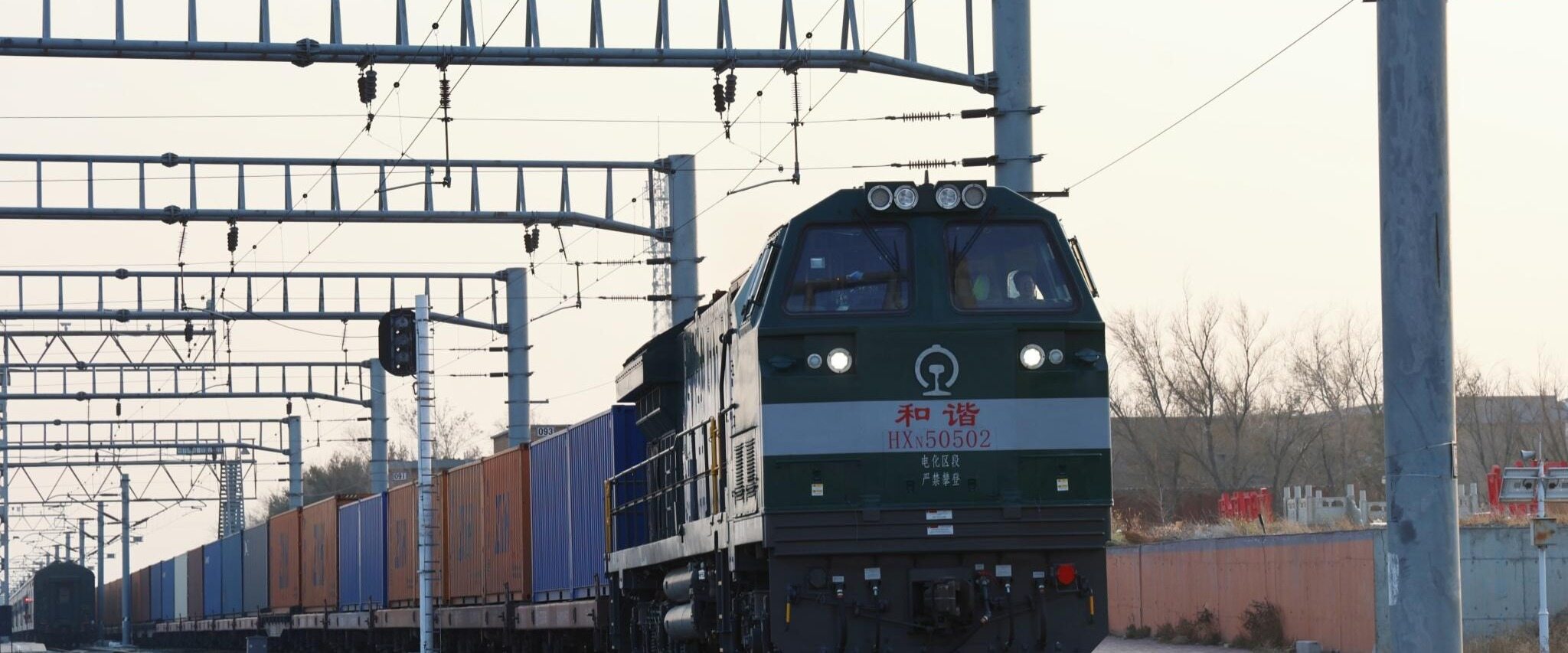
- Kazakhstan is transforming from a landlocked country to an Asia Europe logistics hub
- Open up a more stable channel for Chinese goods to export westward
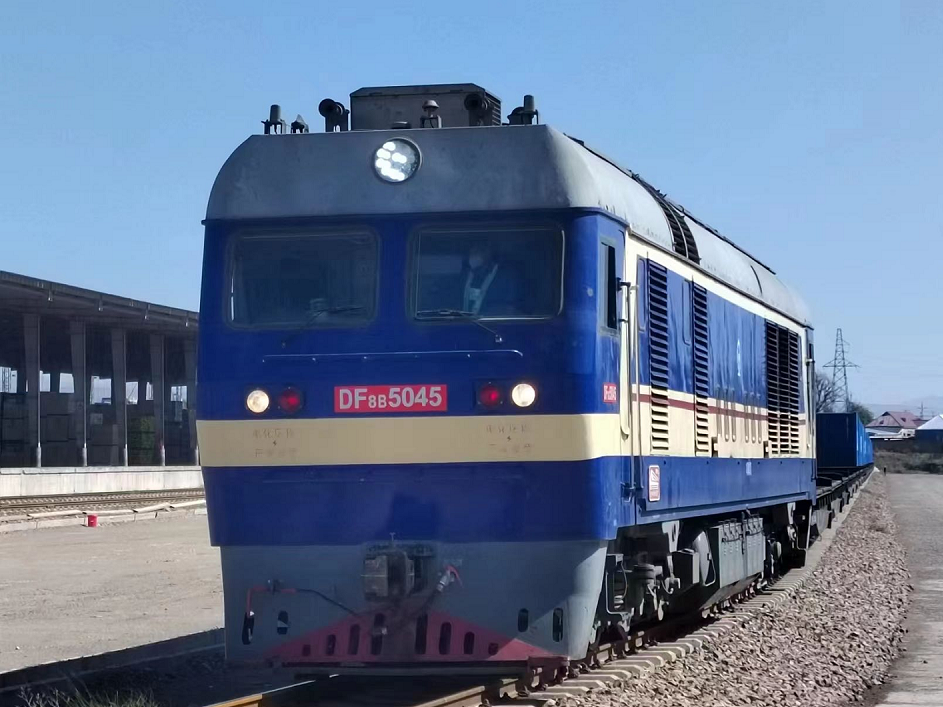
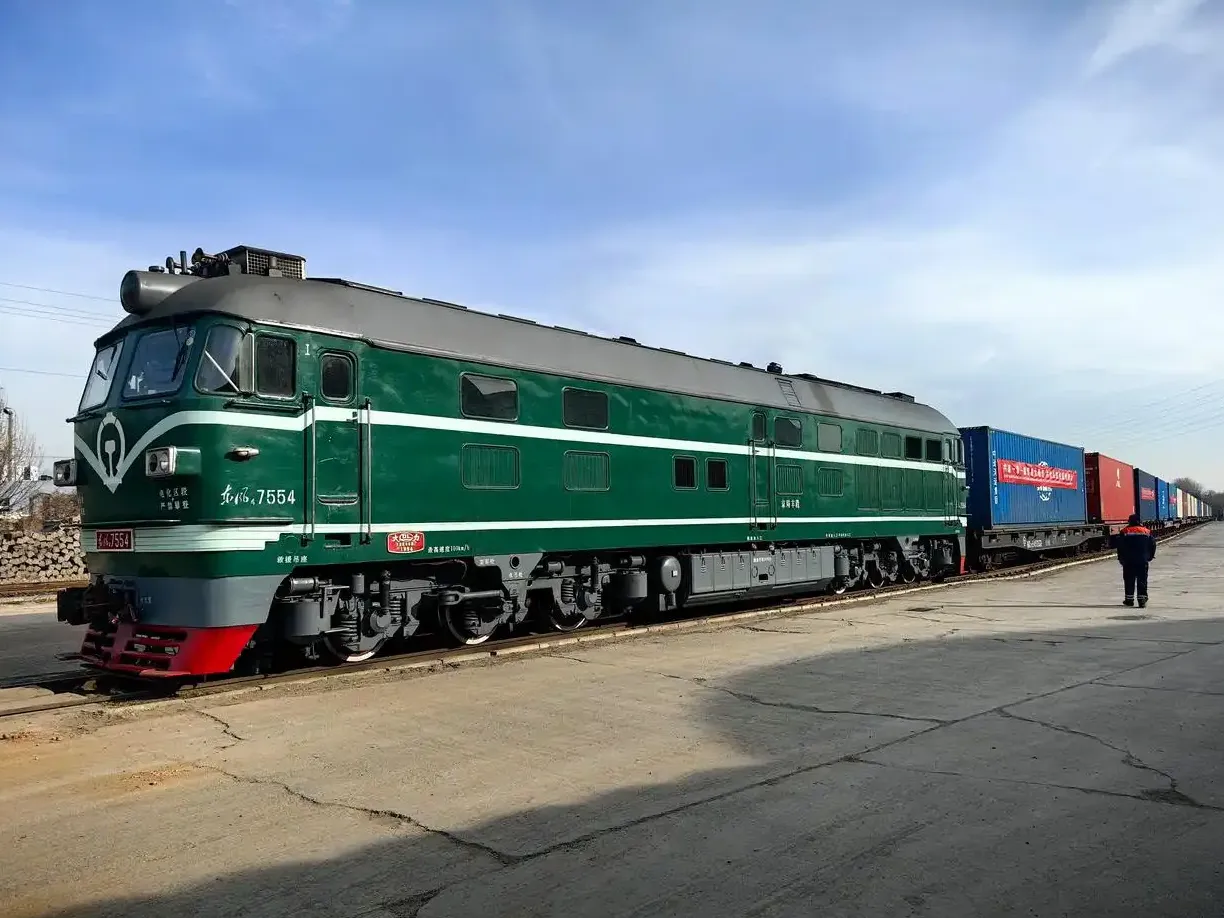
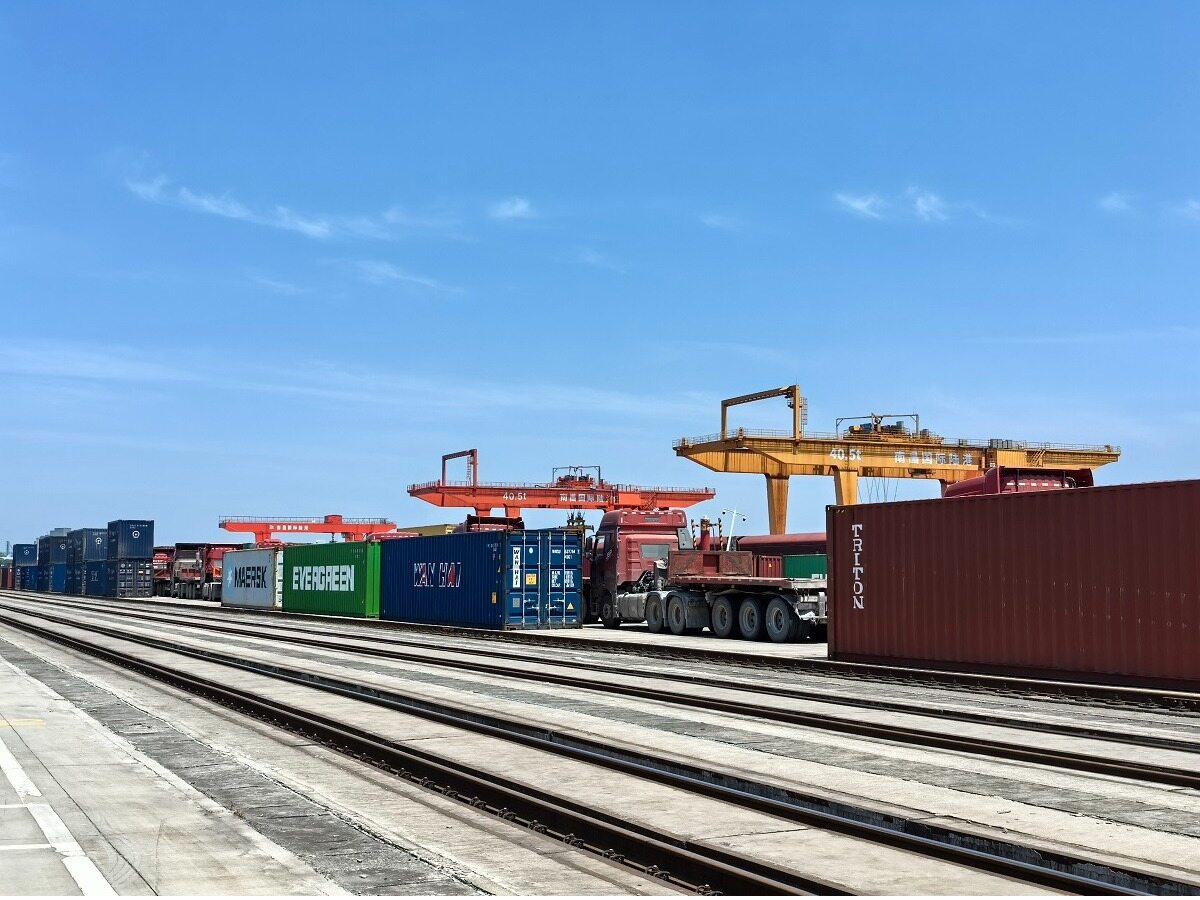
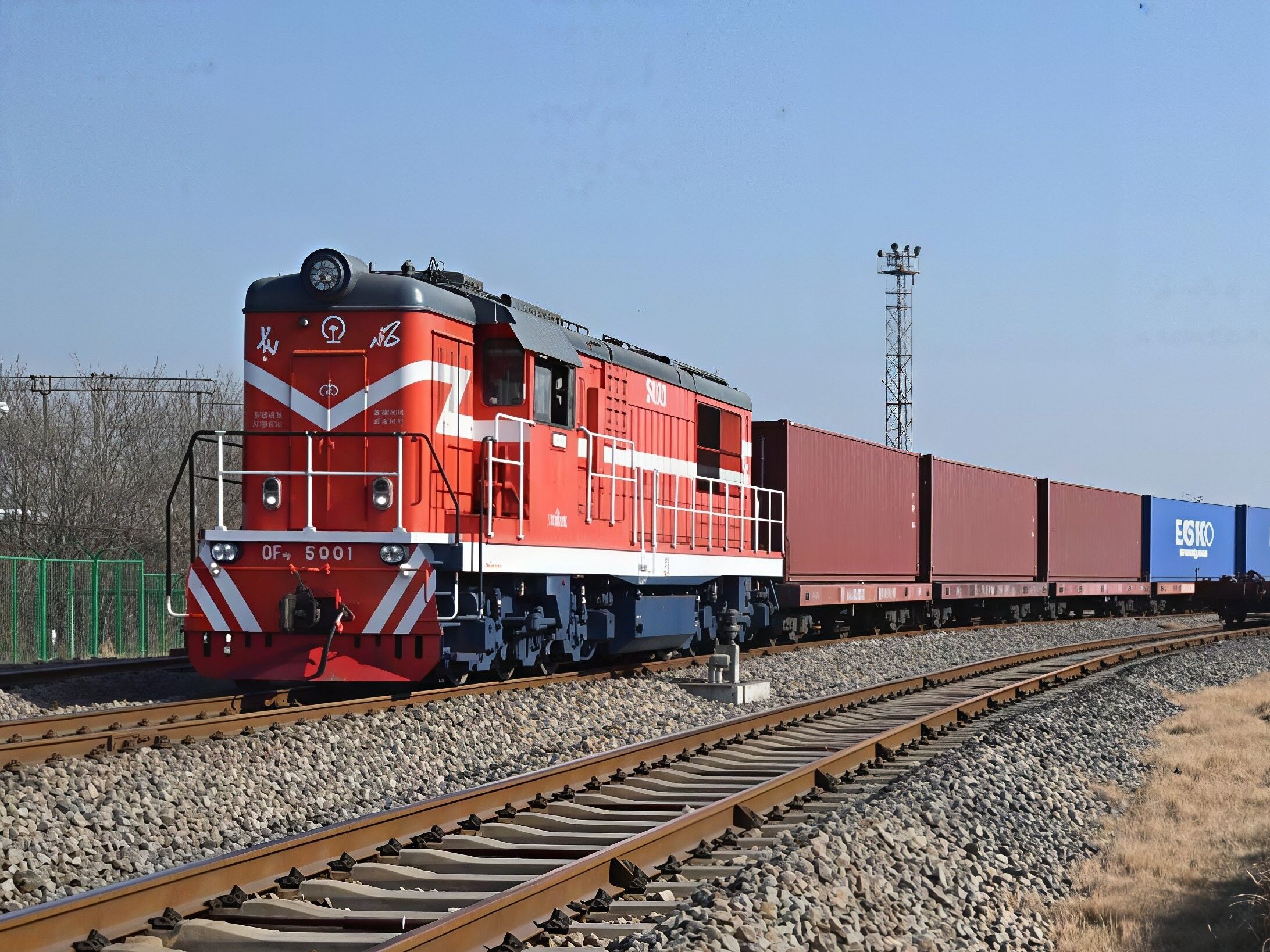
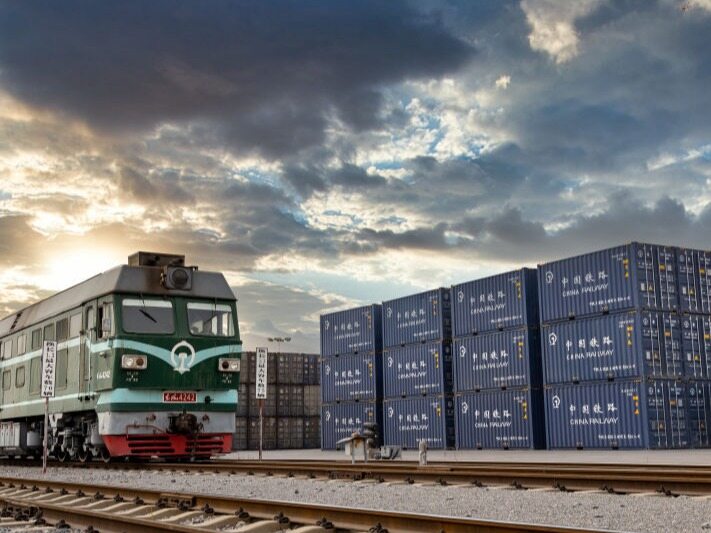
At the end of August 2026, a China Europe freight train loaded with daily necessities, industrial products, and automotive parts departed from Xi'an International Port Station, crossed the Caspian Sea via Aktau Port in Kazakhstan, landed at Aliyat Port in Azerbaijan to continue the railway, and finally arrived in Poti, Georgia. With the departure of this train, the number of trains on the China Europe South Corridor will exceed 600 in 2026, a year-on-year increase of 82%. The core of the South Passage is the Trans Caspian International Transport Corridor, also known as the Middle Corridor. This path, once considered an alternative, has now completed a crucial leap from exploration and cultivation to large-scale operation.
Train running acceleration
According to the latest statistics from Harbin Railway, from January to August 2026, the container transportation volume of the cross Caspian Sea route was about 44200 TEUs, an increase of 16200 TEUs compared to the same period in 2025, a year-on-year increase of 58%. During the same period, a total of 419 container trains originating from China and passing through Kazakhstan were operated, an increase of 191 trains compared to the same period last year, a year-on-year increase of 84%. Looking back at the whole year of 2025, the container transportation volume of the Trans Caspian International Transport Corridor was about 77000 TEUs, an increase of nearly 20300 TEUs or 36% compared to 2024. The utilization rate of a freight channel connecting Asia and Europe is continuously increasing.
Railway freight transportation is a major burden
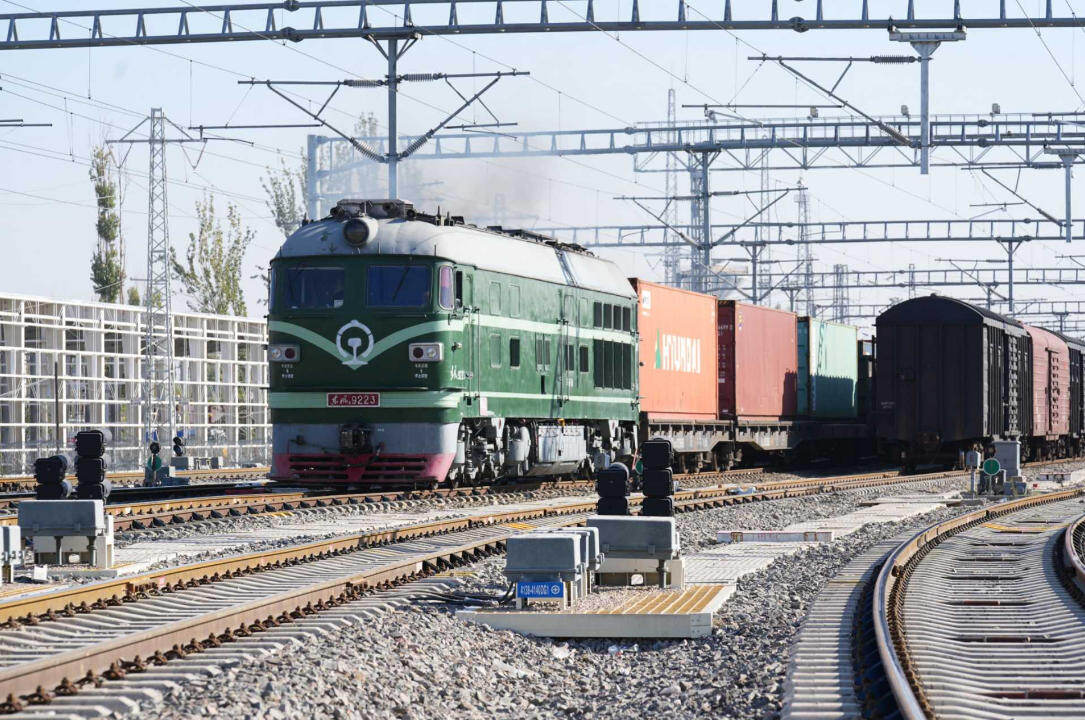
In addition to transit trains, Kazakhstan's own railway exports are expanding simultaneously. From January to September, Harbin Railway exported 69.4 million tons of goods, a year-on-year increase of 7.1%, with growth in categories such as iron ore, grain, fertilizer, and coal; The total volume of railway freight in China was 241.7 million tons, a year-on-year increase of 3.4%, and the increase in railway exports became the core factor driving the growth of total freight volume. By category, iron ore exports reached 10.1 million tons, an increase of 32.1%, grain exports reached 8.3 million tons, an increase of 17.6%, fertilizer exports reached 1.2 million tons, an increase of 9%, and coal exports reached 25.8 million tons, an increase of 2.1%. The increase mainly came from Central Asian countries, Afghanistan, and China. The simultaneous strengthening of transportation demand for multiple categories of bulk commodities indicates that busy channels are not a single phenomenon.
Consolidate the hub position again
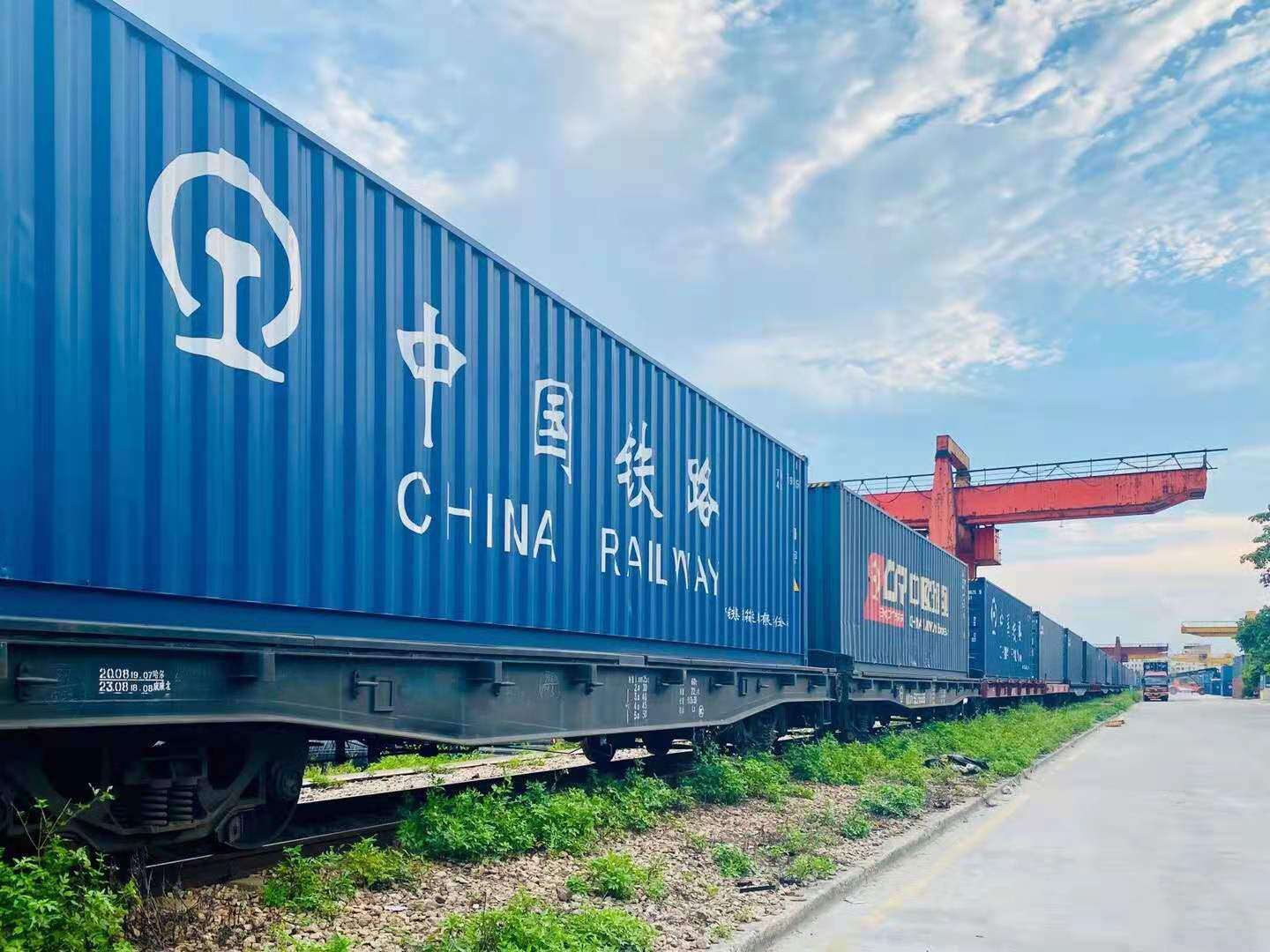
Against a larger backdrop, the China Europe freight train has exceeded 130000 trains and sent goods worth over 520 billion US dollars. This steel camel caravan is transforming from an emergency spare tire to a regular mainline. Kazakhstan is also simultaneously strengthening its financial situation: the completion of the Dostyk to Moint railway double track has improved port traffic capacity, the acceleration of the third border passage from Bakht to Tacheng, and the opening of the cross mile maritime tracking information platform in April has opened up blind spots for overseas information; In the first half of the year, the freight volume of the Harbin China Railway reached 18.7 million tons, a year-on-year increase of 9%, of which exports to China increased by 20%. The industry expects that the corridor container transportation volume is expected to increase from 77000 TEUs in 2025 to 300000 TEUs by 2029.
However, the cargo flow structure is still a shortcoming. In the first eight months, about 80% of the containers were transported from east to west, and the source of return goods was obviously less. The return organizations in Europe and Türkiye were still cultivating. The long-term development of the corridor ultimately depends on the deepening collaboration of countries along the route in infrastructure such as railways and ports, turning one-way busyness into two-way balance.Editor/Yang Meiling
Comment

 Praise
 Collect
 Comment

 Share
Share


Write something~