 Search


- Reducing transportation clearance time by over 30% with just one order
- It not only disperses the risk of a single channel, but also makes the logistics to Central Asia more stable, faster and more cost-effective
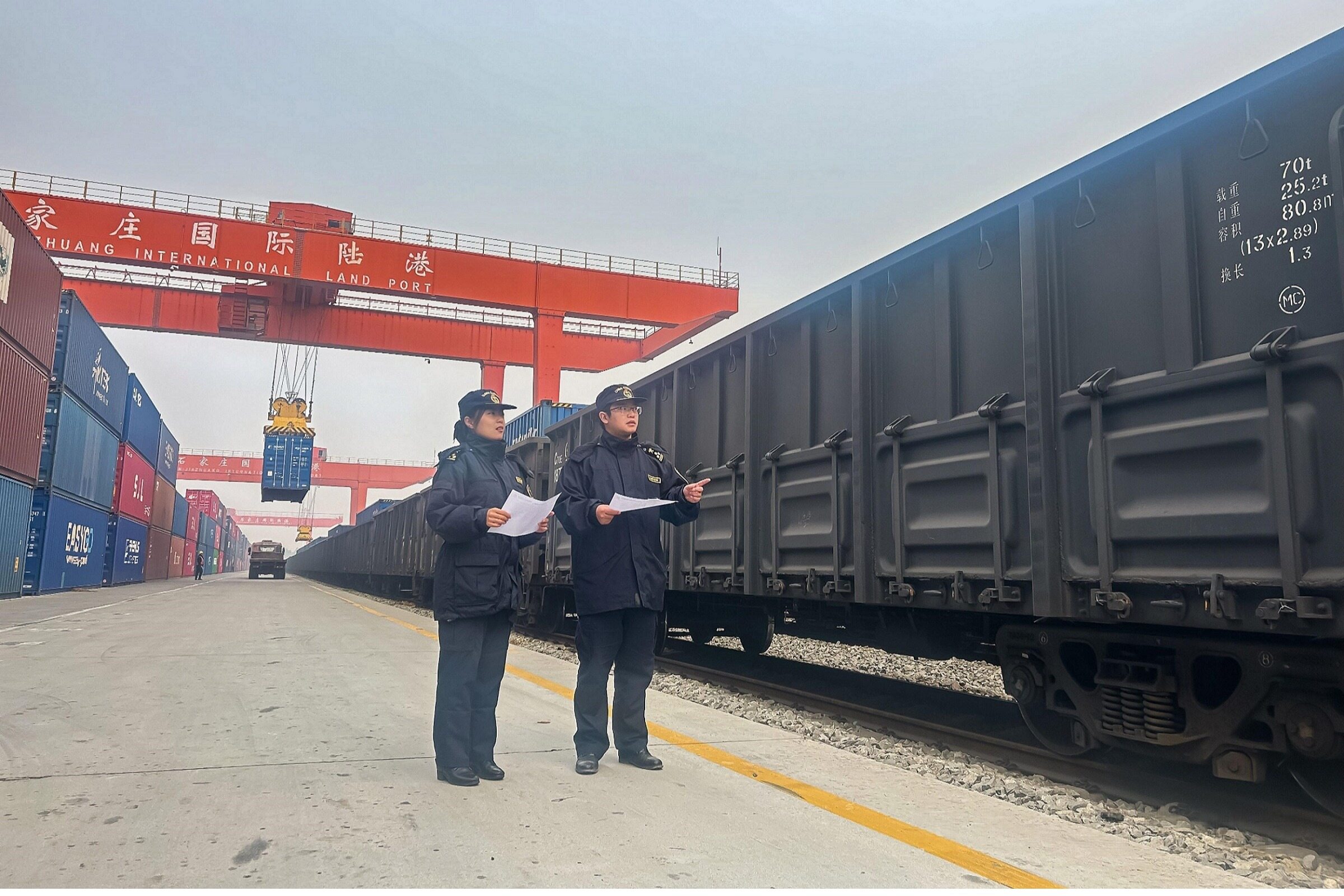
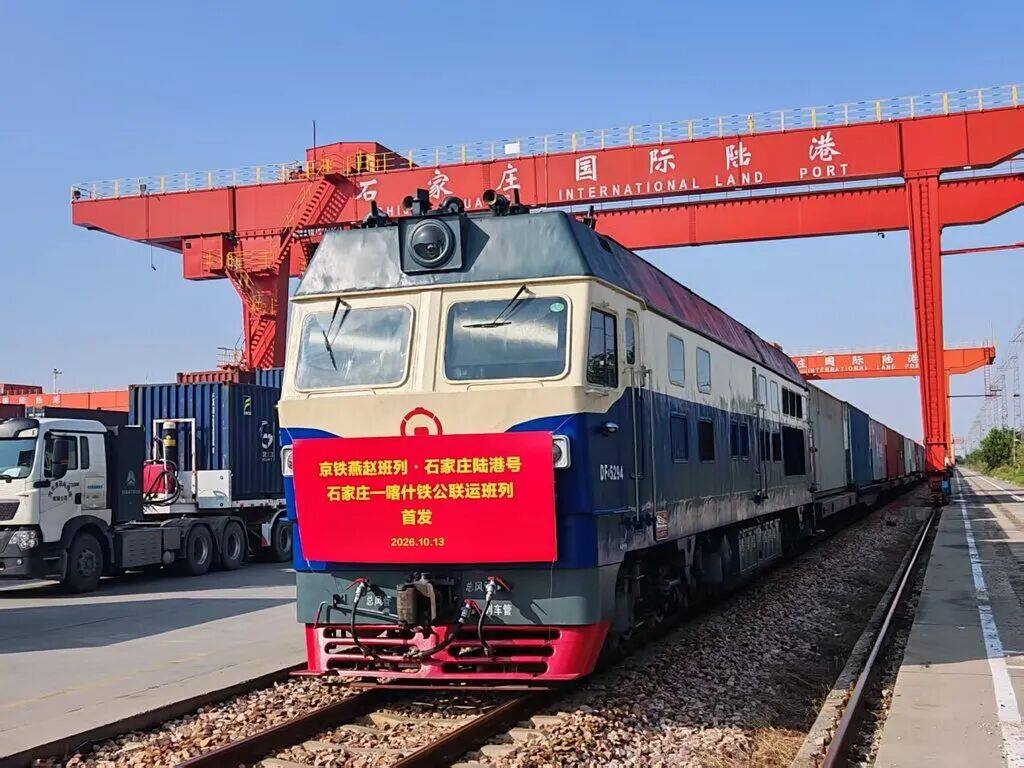
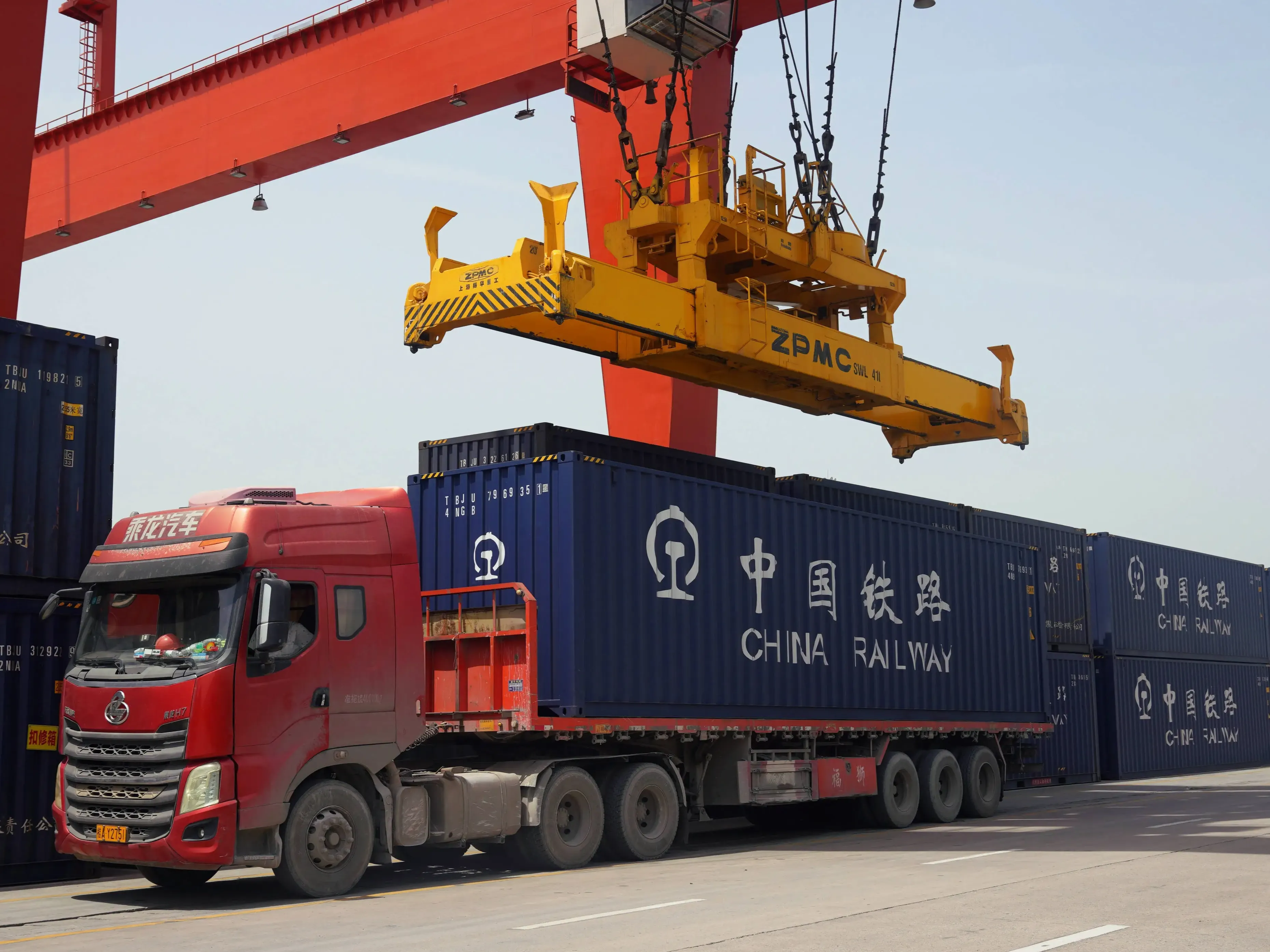
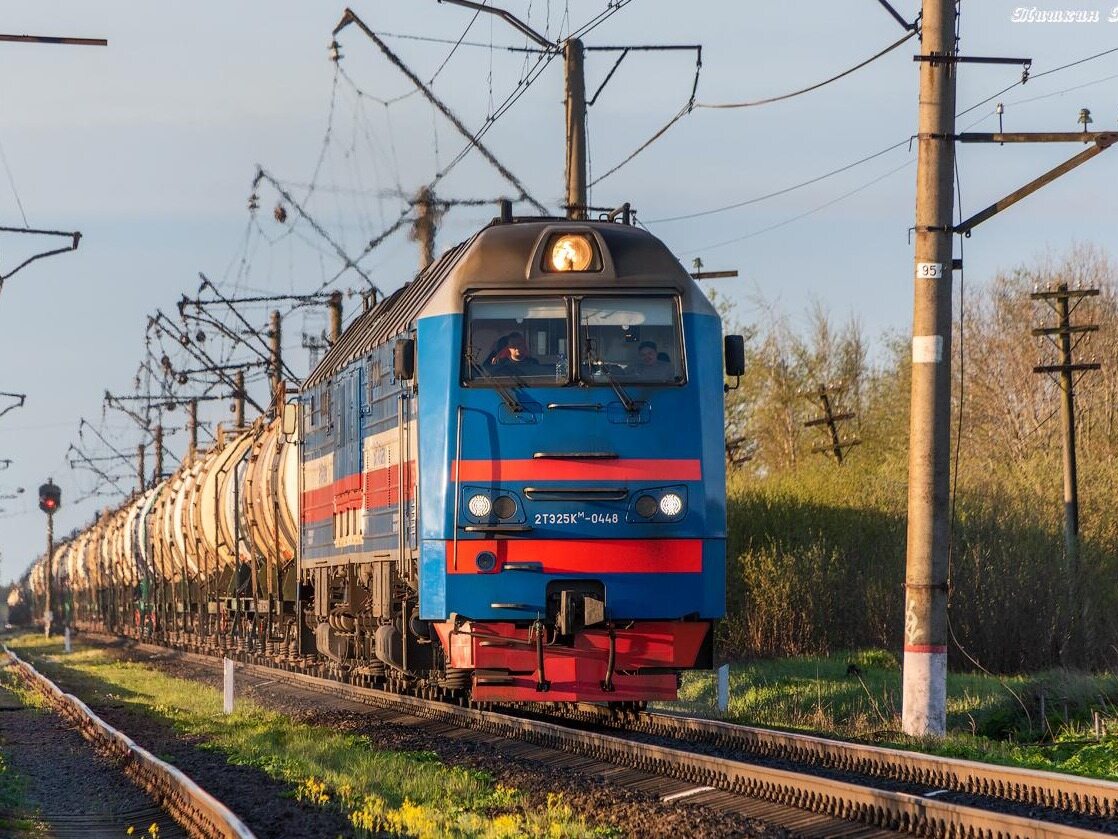
On October 13, 2026, 110 standard containers were lifted into place one by one under the gantry crane at Shijiazhuang International Land Port. The box contains car parts and mechanical equipment, all from local factories in Beijing Tianjin Hebei region. A few hours ago, they were still waiting for shipment in the workshop; After the whistle sounds, this batch of goods will cross half of China to Kashgar, Xinjiang, and then be transported by road trucks all the way west to Bishkek, Dushanbe, and Tashkent.
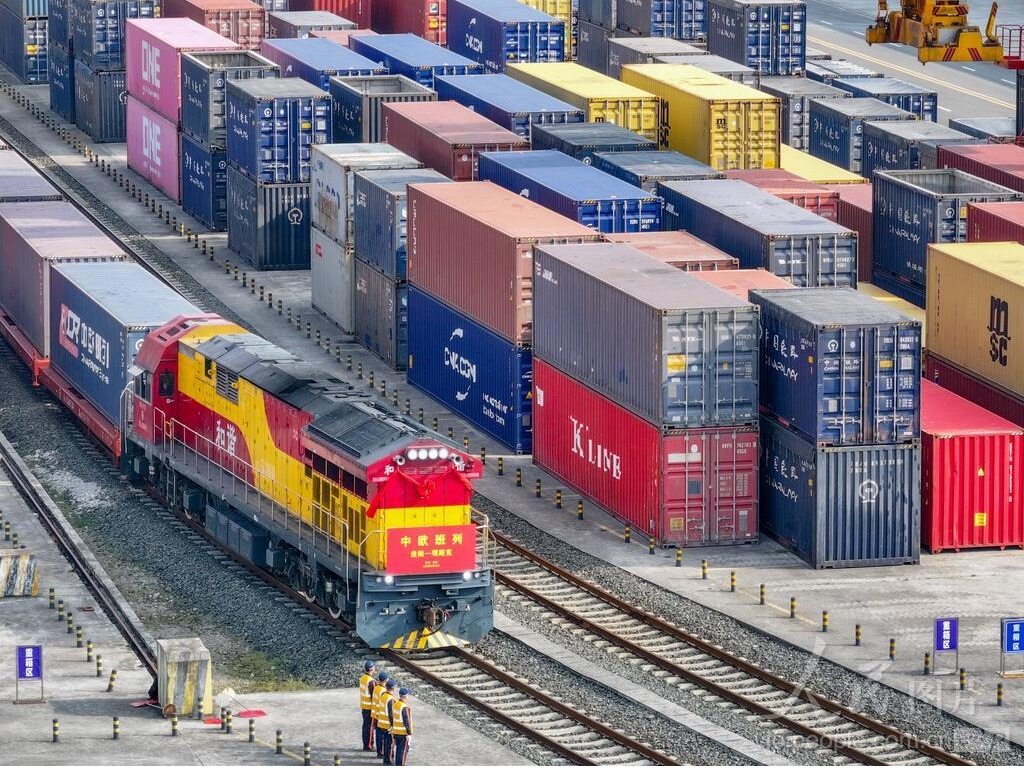
This is the 10th line of the Beijing Railway Yanzhao Train family, and also the first international railway public intermodal train in the Beijing Tianjin Hebei region to operate under the logistics general contracting single unit mode.
One commission, one order to the end
Doing cross-border business is most afraid of trouble. In the past, when a shipment went out, customers had to coordinate multiple links such as railway, highway, customs declaration, etc., including document handover, short haul transportation, and cargo reloading. Any section that got stuck was a delay.
This time is different. Customers can complete a single order with one payment and one commission, and enjoy integrated services such as transportation, storage, loading and unloading throughout the entire process. China Railway Container Transport Co., Ltd. issues multimodal transport bills of lading in a single bill of lading mode, implementing refined control over the entire operation both domestically and internationally. According to Liu Zhiwei, Deputy Manager of the Marketing Department of Shijiazhuang Railway Logistics Center of China Railway Beijing Bureau, the seamless connection between railways and highways can compress transportation and customs clearance time by more than 30% compared to traditional modes. In order to make the train run more steadily, Shijiazhuang Railway Logistics Center optimizes the transportation organization plan according to the five priority principle and continuously improves the operation process.
Double directional force of one south and one north
Kashgar is located in southern Xinjiang and is an important distribution hub for China to face Central Asia, West Asia, and South Asia. Liu Jinpeng, General Manager of Shijiazhuang International Land Port, stated that the opening of a new route towards Kashgar Port is equivalent to adding a new exit route from southern Xinjiang for foreign trade enterprises. This not only reduces the operational risks of a single channel, but also enriches the logistics solutions for Central Asia due to the radiation of multiple countries.
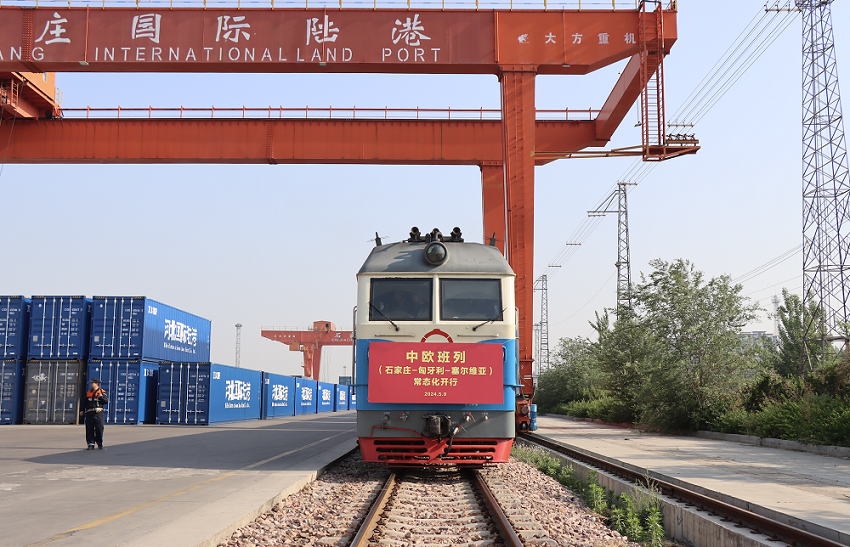
On the same day, the railway and bus intermodal trains from Shijiazhuang to Tacheng were launched simultaneously. This route was first launched on October 1st, carrying 110 standard containers of automotive parts to cities such as Almaty in Kazakhstan. It has now entered a regular scheduled operation state with a fixed frequency of one train per week. Two cross-border channels, one in the south and one in the north, are working in both directions to create a differentiated and complementary transportation pattern between the north and south of Xinjiang for Shijiazhuang International Land Port, greatly enhancing the freight accessibility and supply guarantee capabilities of the Beijing Tianjin Hebei region to Central Asia.
Frontier of inland hinterland opening up
Shijiazhuang, which is not along the border or by the sea, has pushed itself to the forefront of openness through a series of trains.
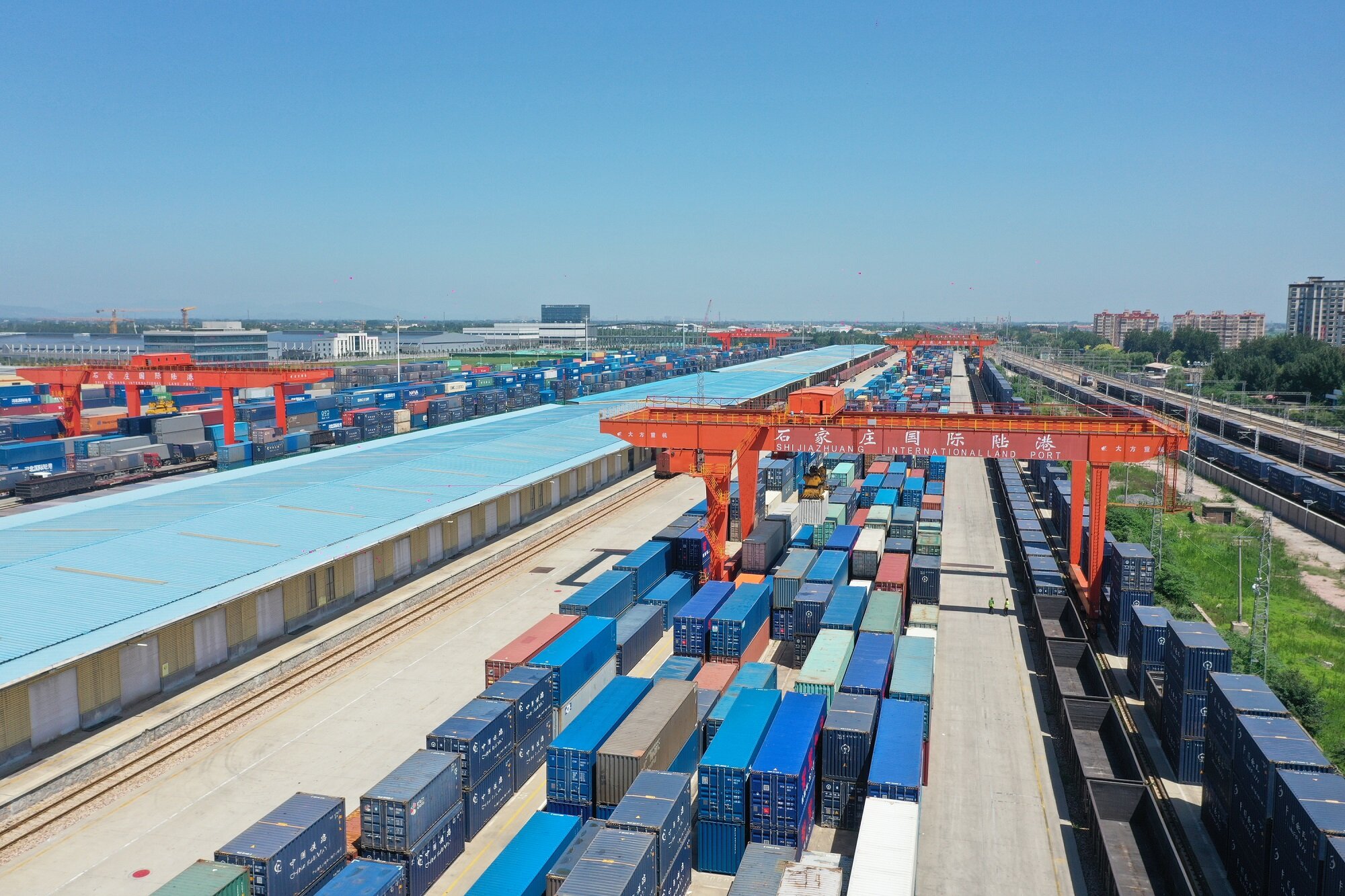
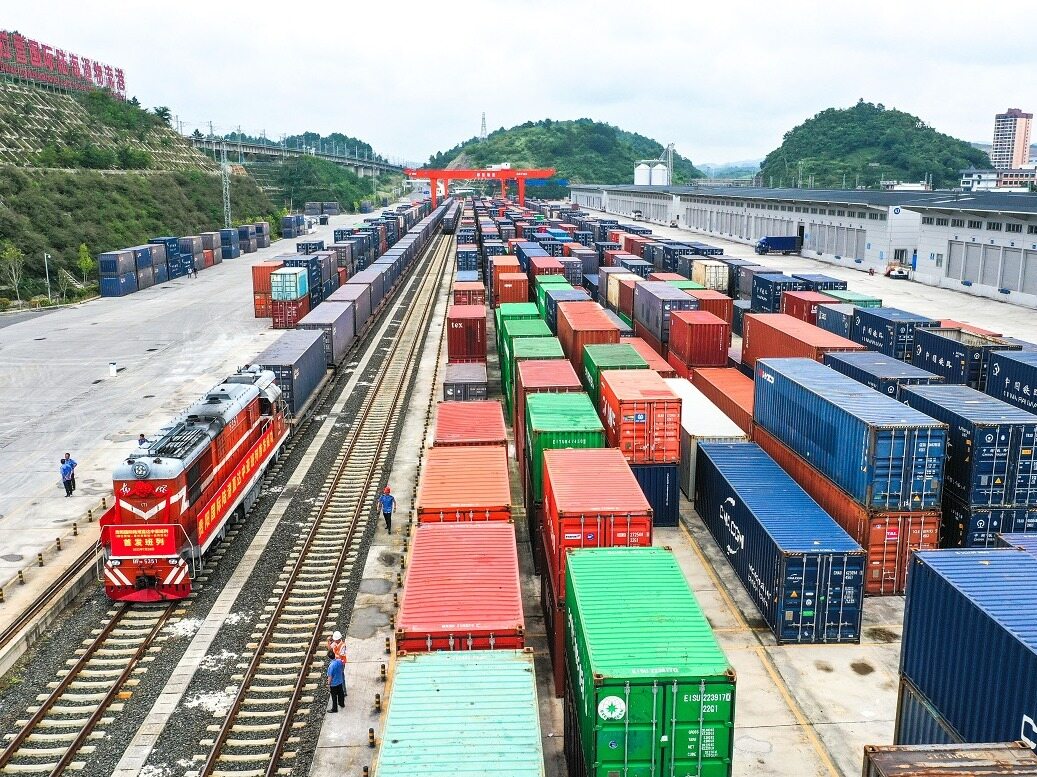
Based on the advantage of being a hub for China Europe freight trains in the North China region, Shijiazhuang International Land Port has formed a transportation pattern of multi station outbound and multi-channel coordination, opening 18 international routes, connecting 10 entry and exit ports, covering more than 50 countries and regions, with an average daily arrival and departure of 3 to 4 trains. By 2025, 1282 China Europe freight trains will be operated, a year-on-year increase of 52.8%, ranking first in scale in North China. The port related industries such as grain storage, bulk commodity trading, automobile distribution, and pharmaceutical logistics are gathering together, and a virtuous cycle of logistics driving industry and industry promoting openness is taking shape.keywords:Dry port logistics news
At present, the cross-border logistics backbone network connecting Central Asia, Europe, and Southeast Asia through the Beijing Tianjin Hebei region is becoming increasingly dense. The business card of the Beijing Railway Yanzhao Express is getting brighter and brighter, and the road for Hebei goods to go abroad is getting wider and wider.Editor/Yang Meiling
Comment

 Praise
 Collect
 Comment

 Share
Share


Write something~