 Search


- Russia restarts cross-border railway concept, shaping a new Eurasian energy transportation channel

The cross Altai railway plan, which has been put on hold for more than 20 years, has once again been proposed by the Russian side. This planned route connects the Altai Republic of Russia with Xinjiang, China, aiming to open up a new direct coal transportation channel to China and alleviate the pressure on the existing Far East trunk line transportation capacity. However, the high cost and market changes have brought variables to the current situation of the project.

Route planning
According to the Russian Businessman, Putin has instructed Russia to restart the Trans Altai Railway project, with an estimated cost of 1.5 trillion to 2.2 trillion rubles, or approximately 17 billion to 25 billion US dollars, for the Russian domestic section. There are four route options to be evaluated for the project, with a total length of 825 to 1276 kilometers. The Chinese section is about 228 kilometers long and ends at Avitan Station. The route passes through the border area of Altai Republic and Kazakhstan Mongolia, which is about 55 kilometers long. The Russian Ministry of Transport plans to evaluate ecological constraints and discuss feasibility with the China Russia Transport Subcommittee, and conduct pre feasibility studies at an appropriate time.
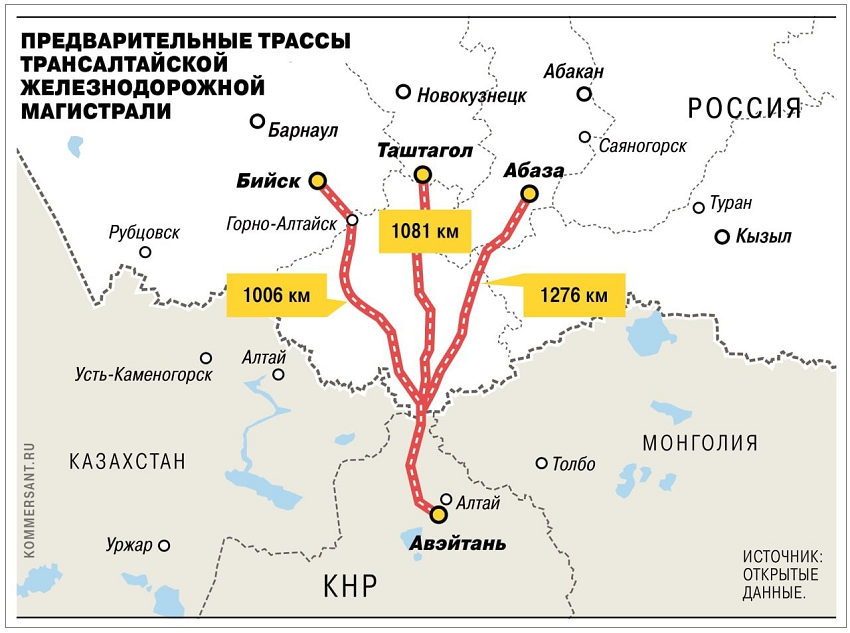
Construction motivation
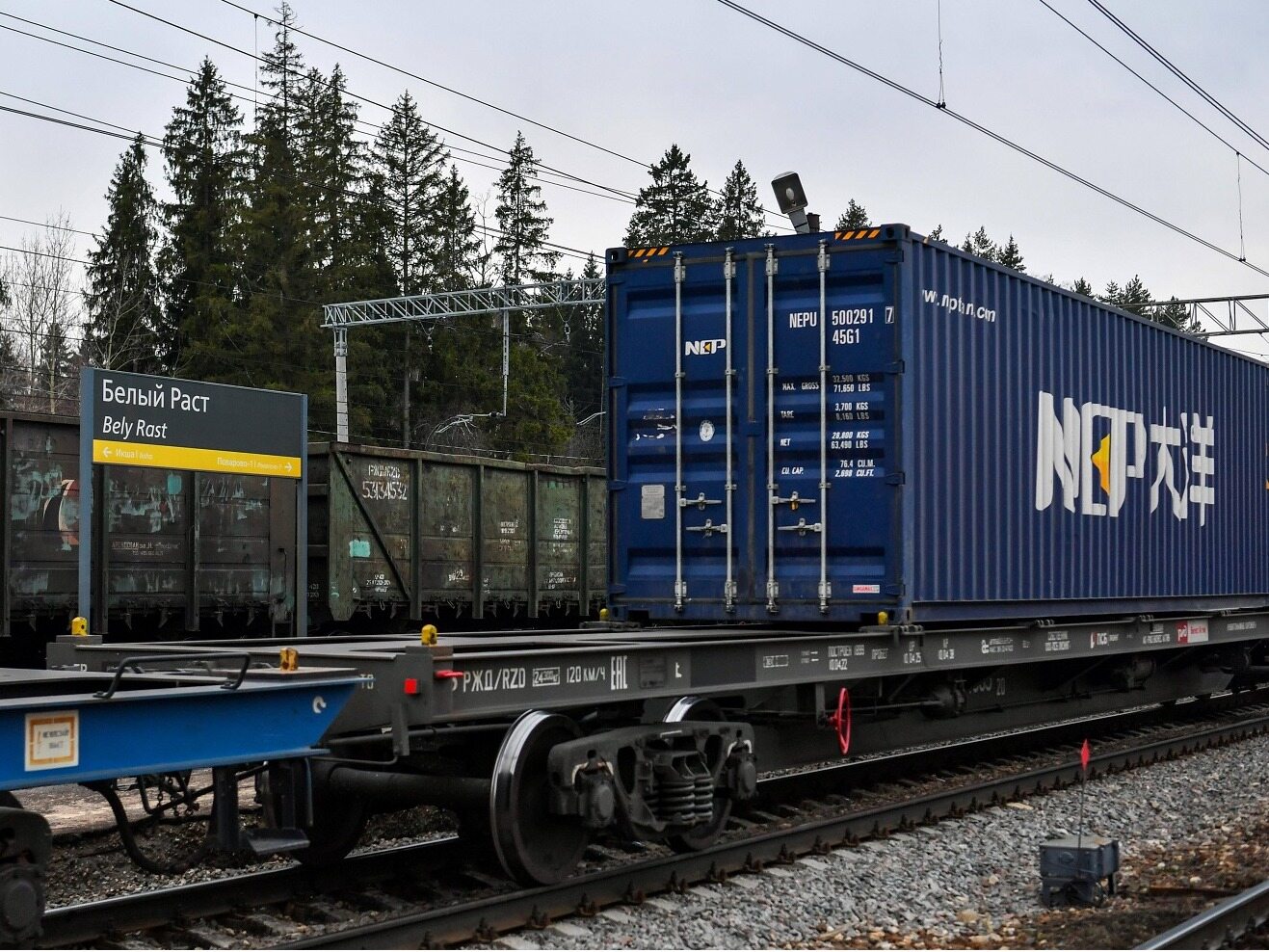
Currently, Russia mainly relies on the Trans Siberian Railway and the Baikal Amur Main Line to transport coal to China. These two lines operate at high loads for a long time, resulting in high logistics costs. After the completion of the Trans Altai Railway, it can provide a shorter export route for coal from West Siberia to China, alleviate the transportation pressure of the Far East Railway, and serve as an alternative channel for the Trans Caspian International Transport Corridor. The project concept was proposed in the early 2000s and was put on hold for a long time due to high costs and complex terrain. Keywords: Trans Altai Railway, Russian coal exports

Prospect Challenge
There is significant uncertainty at the market level, and the International Energy Agency predicts that China's coal consumption will gradually decline before 2030, leading to a contraction in import demand and doubts about project investment returns. The Russian coal industry has suffered losses for three consecutive years. In the first seven months of 2026, China imported 43.94 million tons of coal from Russia, a year-on-year decrease of 15%. The competitiveness of Russian coal in China has weakened. Due to multiple factors, it remains to be observed whether this cross-border railway can be implemented.Editor/Min Jing
Comment




 Praise
 Collect
 Comment

 Share
Share


Write something~