 Search


- Crossing the 200 million ton mark ahead of schedule, Xinjiang's railway transportation capacity has reached a new level
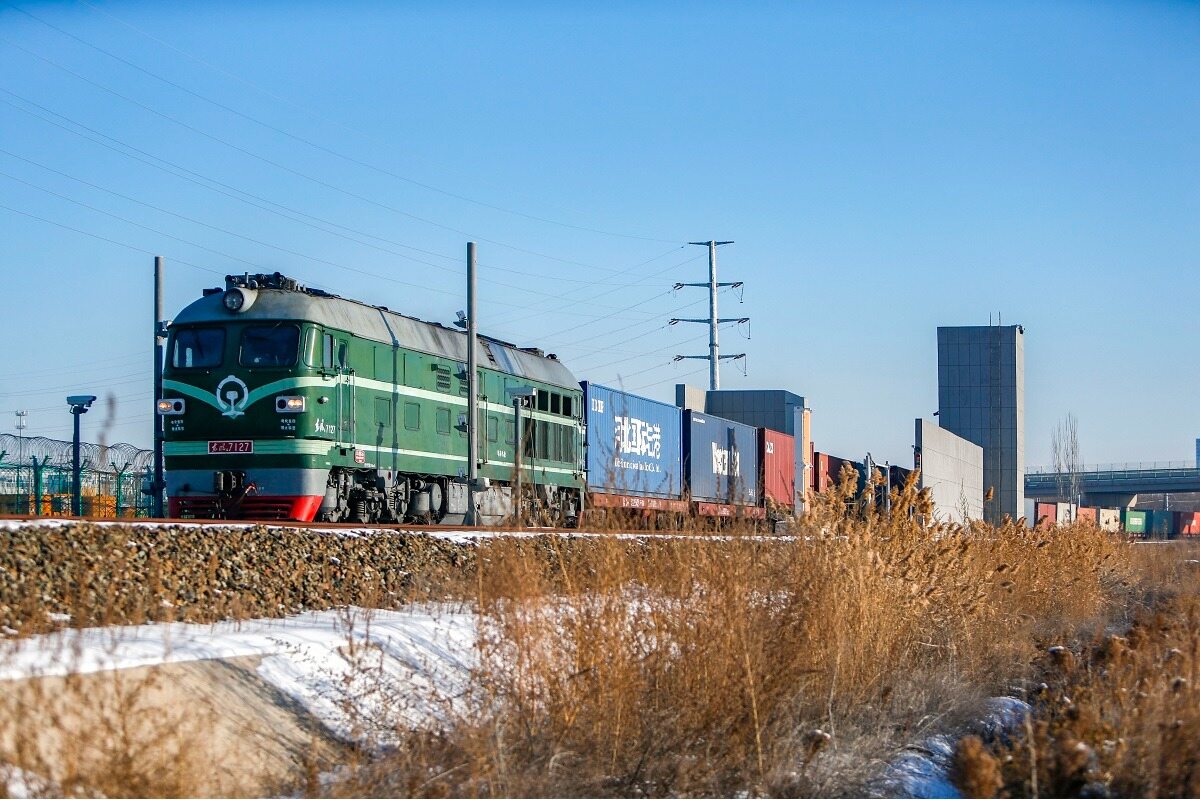
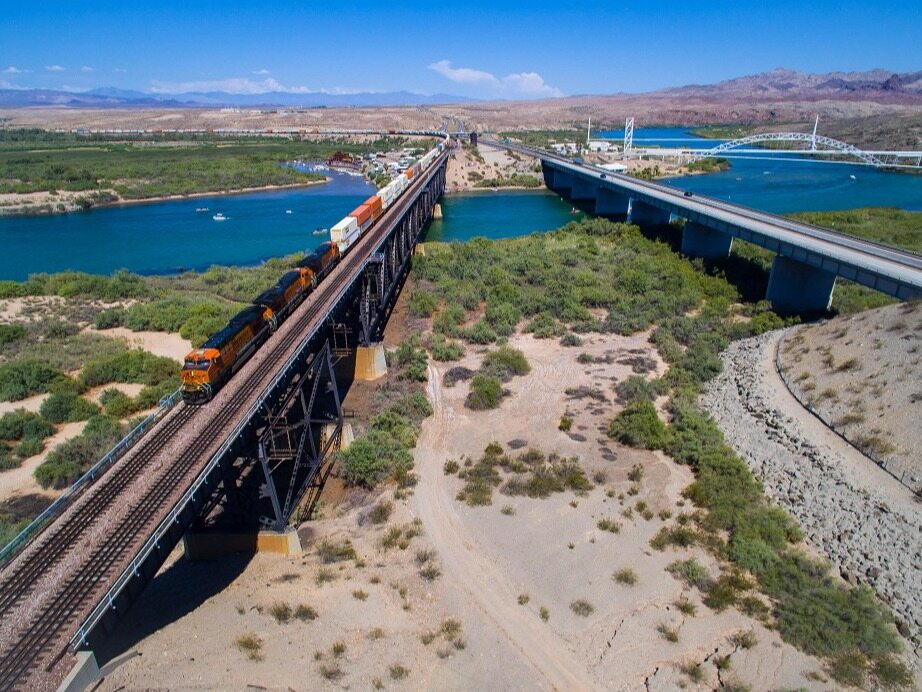
A 5800 ton train loaded with coal on the Lanxin Line, facing the morning light, drove at a constant speed through the foot of the Tianshan Mountains. With the sound of wheels rolling over steel rails, the freight volume of Xinjiang Railway officially crossed the 200 million ton mark in 2026, which is 12 days ahead of the progress in 2025. As of mid October, the number of China Europe freight trains passing through the dual ports of Xinjiang Railway in 2026 has exceeded 7100, and the logistics artery opening up to the west is continuing to operate with higher efficiency.
Building a solid foundation for bulk energy freight transportation
The transportation of coal from Xinjiang is the core support for the increase in railway freight volume in Xinjiang. Since 2026, coal transportation has accounted for over 60% of the total freight volume, and the scale of coal transportation from Xinjiang has increased by over 11% year-on-year. Nearly 140 coal trains are operated daily, of which nearly 90% of the carriages are directly sent to markets outside Xinjiang, providing stable support for energy supply in mainland provinces. The Xinjiang railway department has identified 16 strategic loading stations and 9 reserve strategic loading stations through screening, to strengthen the hardware capabilities of loading and unloading vehicles. At the same time, relying on the multimodal transport mode of "railway+sea transportation", the radiation range of Xinjiang coal transportation has been expanded to central and eastern inland provinces and northern ports.

On the basis of ensuring the transportation of energy and materials, Xinjiang Railway is synchronously promoting the development of all types of goods sources, continuously enriching the Silk Road e-commerce and rural revitalization spectrum freight products, and regularly operating Xinjiang fresh freight trains and Xinjiang cotton outbound freight trains, driving a year-on-year increase of nearly 20% in white freight volume, allowing Xinjiang's characteristic agricultural and light industrial products to quickly leave Xinjiang through an efficient railway network.
Dual port trains activate open momentum
From January to September 2026, Khorgos and Alashankou railway ports will have more than 14000 China Europe Asia trains passing through them, and the cargo volume at the ports will be close to 28.5 million tons, achieving double-digit growth year-on-year. The railway department dynamically optimizes the entire process of wide gauge receiving and dispatching, disassembly, and replacement, implements the priority guarantee mechanism for trains, and makes every effort to reduce the stay time of trains at stations. Currently, the maximum daily traffic of trains at the two major ports exceeds 70, and the efficiency of cross-border logistics turnover continues to improve.
Relying on the auxiliary support of the Linha Railway and the Geku Railway on both the north and south wings, the daily average number of trains passing through the three provincial boundaries of Xinjiang Railway exceeds 140, breaking the historical transportation record 12 times this year. It not only efficiently transports foreign minerals and raw materials into the domestic market to fill the gaps in the industrial chain, but also enables Chinese made products such as mechanical and electrical equipment and new energy products to quickly flow to the Central Asian and European markets, injecting momentum into the continued opening up to the west. Keywords: Xinjiang freight, coal transportation volume
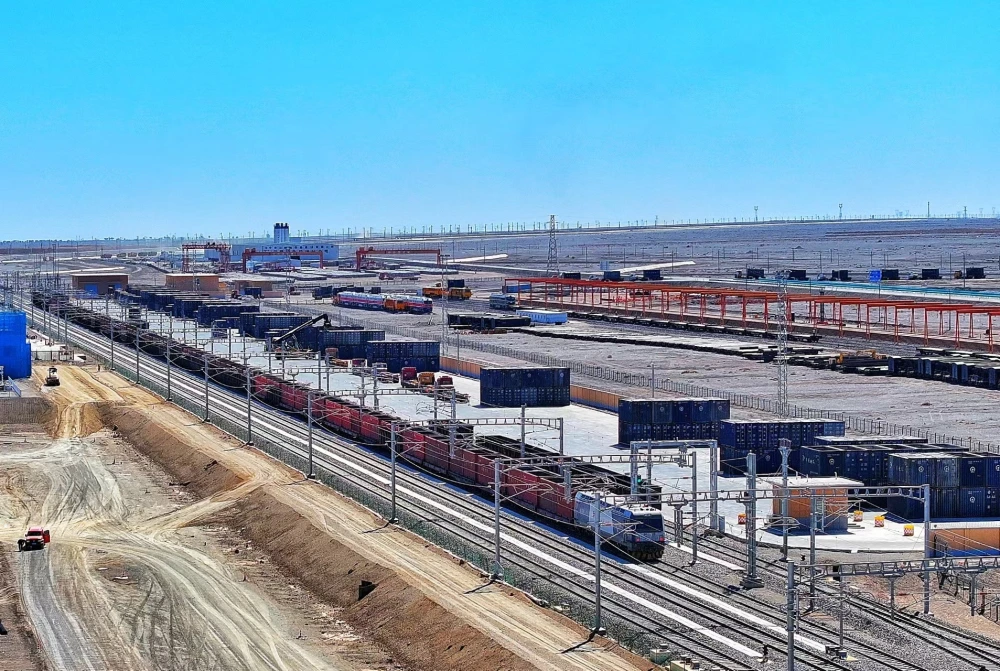
In the late night, the marshalling yard is brightly lit, and the shunting machine is pushing the newly formed freight trains out of the departure yard. The next train loaded with supplies is heading along the steel track to the next destination.Editor/Cheng Liting
Comment




 Praise
 Collect
 Comment

 Share
Share


Write something~