 Search


- This cooperation will align China's technological experience with the industrial needs of Ukraine
- Assist in shaping the local lithium battery industry chain
- Provide dual support of technology and talent for green transformation in Central Asia
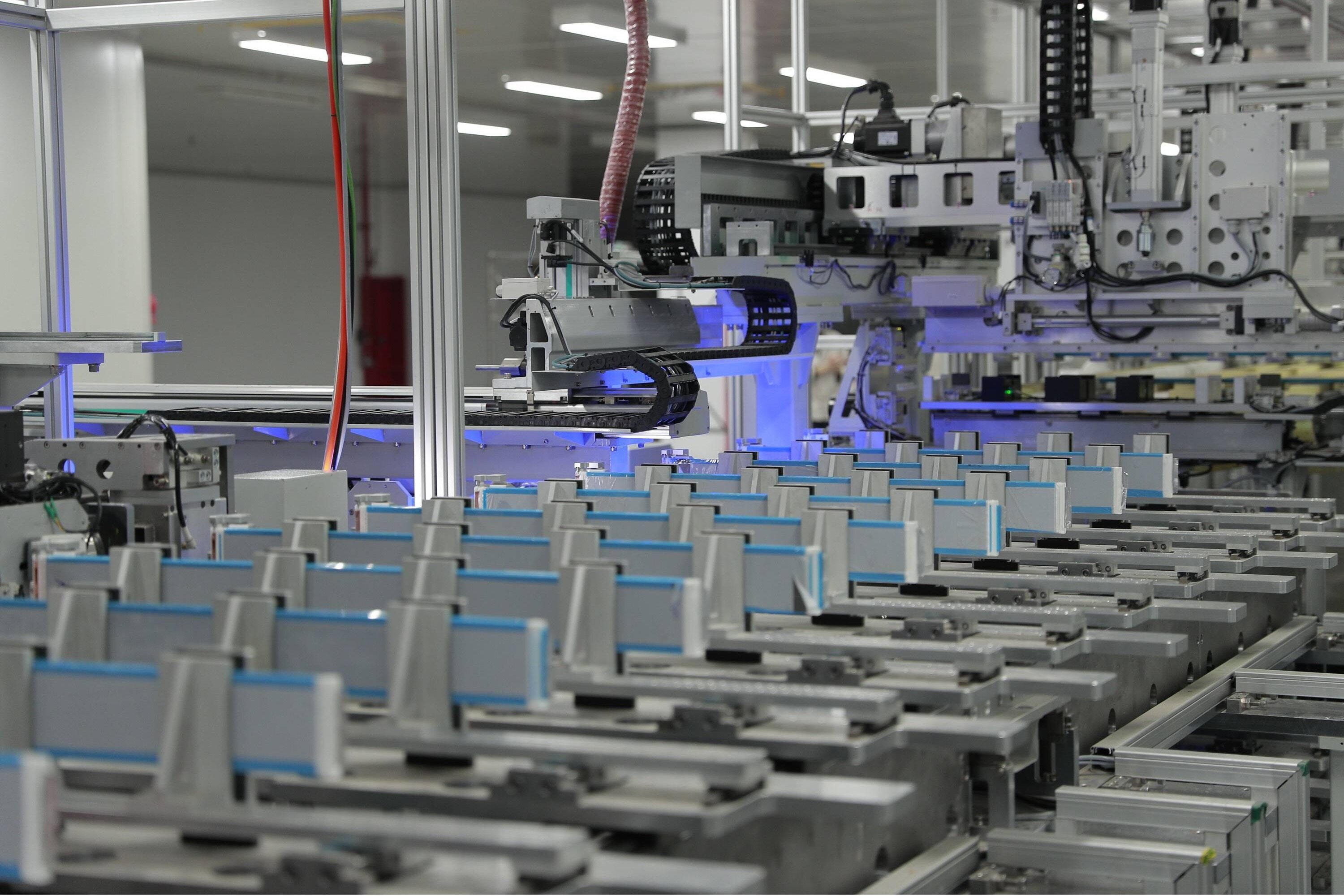
On an autumn afternoon in Syr Darya Oblast, representatives of universities from both countries sat around a table in a conference room at the Yangiyer branch of Tashkent Institute of Chemical Technology. Not far outside the window is the Energy Technology Park under the branch, which is also the real protagonist of this meeting.
In mid October, Tashkent Institute of Chemical Technology in Uzbekistan and Tianjin Agricultural University in China held talks here, with the agenda pointing towards the same direction: how to develop and apply lithium battery production technology.
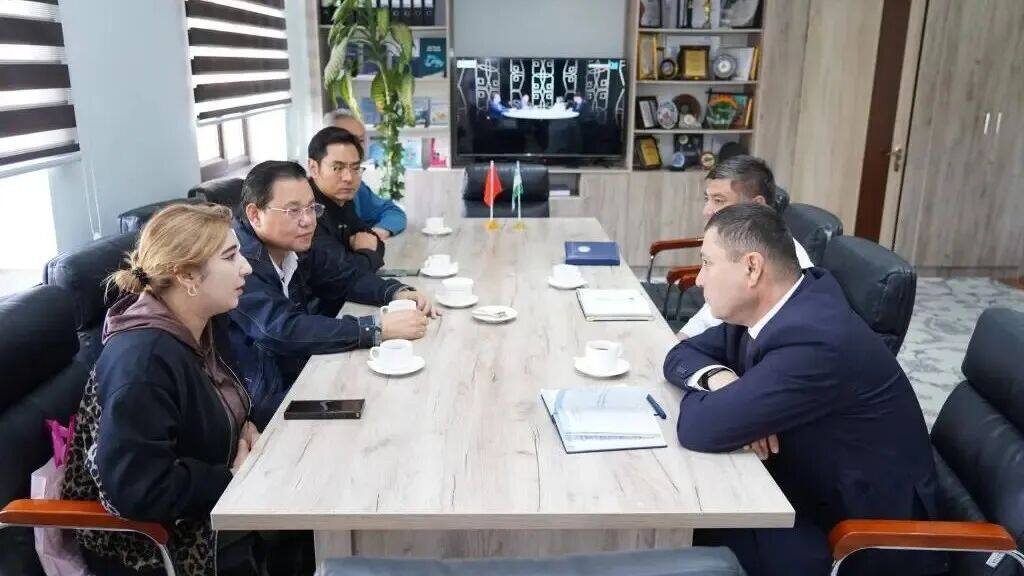
The meeting falls within the industrial park
The focus of this negotiation is on the improvement of lithium battery production technology in the Yangiye branch energy technology park. The two sides are not discussing paper topics, but how modern technological solutions can be implemented and what innovative paths are available for battery production.
This is highly in line with the practical needs of Uzbekistan. The country has proposed to increase the proportion of renewable energy generation to 54% by 2030, with rapid expansion of wind and solar installations and intensified power fluctuations. Energy storage and batteries have become an indispensable link. An energy storage power station invested and constructed by China Energy Engineering Corporation has been put into operation in the suburbs of Tashkent, and BYD's factory in Jizak also plans to gradually localize battery production. The industry is running fast, and technology and talent must keep up.
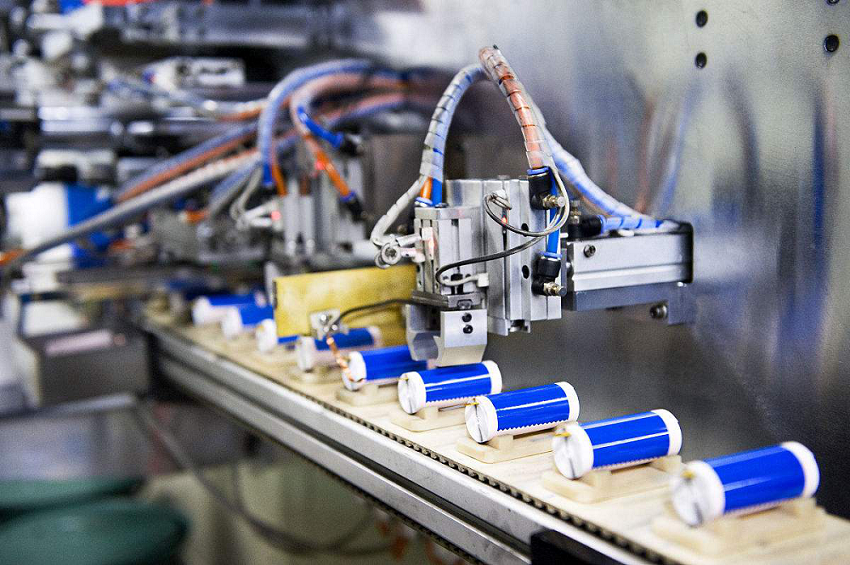
Research leads to production line
Both sides also discussed longer-term matters: expanding scientific research, strengthening technological development cooperation, researching international practices, exchanging professional knowledge, and implementing joint scientific and practical projects.
The keyword is application. The meeting clearly stated that research results should be applied to industrial activities, especially lithium battery production, and that by introducing new technologies, scientific research institutions should be more closely connected to industrial production facilities. For Wufang, the formulas and processes in the laboratory have the opportunity to directly enter the workshop; For China, this is a window for technology to go global and standards to be adjusted.
Technology and capital go hand in hand
Attracting investment in lithium battery production is another main line. Both parties exchanged views on potential investment opportunities, measures to support the development of battery manufacturing technology, and discussed cooperation to implement innovative achievements and improve the technical processes of the energy technology park.

The foundation for cooperation between universities in the two countries has actually been laid for a long time. Tianjin Agricultural University has previously signed a cooperation agreement with Tashkent Institute of Chemical Technology Yangiyer Branch to jointly establish Shennong College, recruiting students locally and jointly cultivating talents through models such as 2+2 and 3+1; The Syr Darya Oblast, where the branch is located, has also become a destination for many Chinese universities to connect energy and chemical cooperation.
Starting from a conference room leads to an industrial chain. When technology, capital, and talent converge in the same park, the lithium battery industry experiment truly has the possibility of landing.Editor/Yang Meiling
Comment


 Praise
 Collect
 Comment

 Share
Share


Write something~