 Search


- Xinjiang's power generation exceeded 450 billion kilowatt hours in the first three quarters
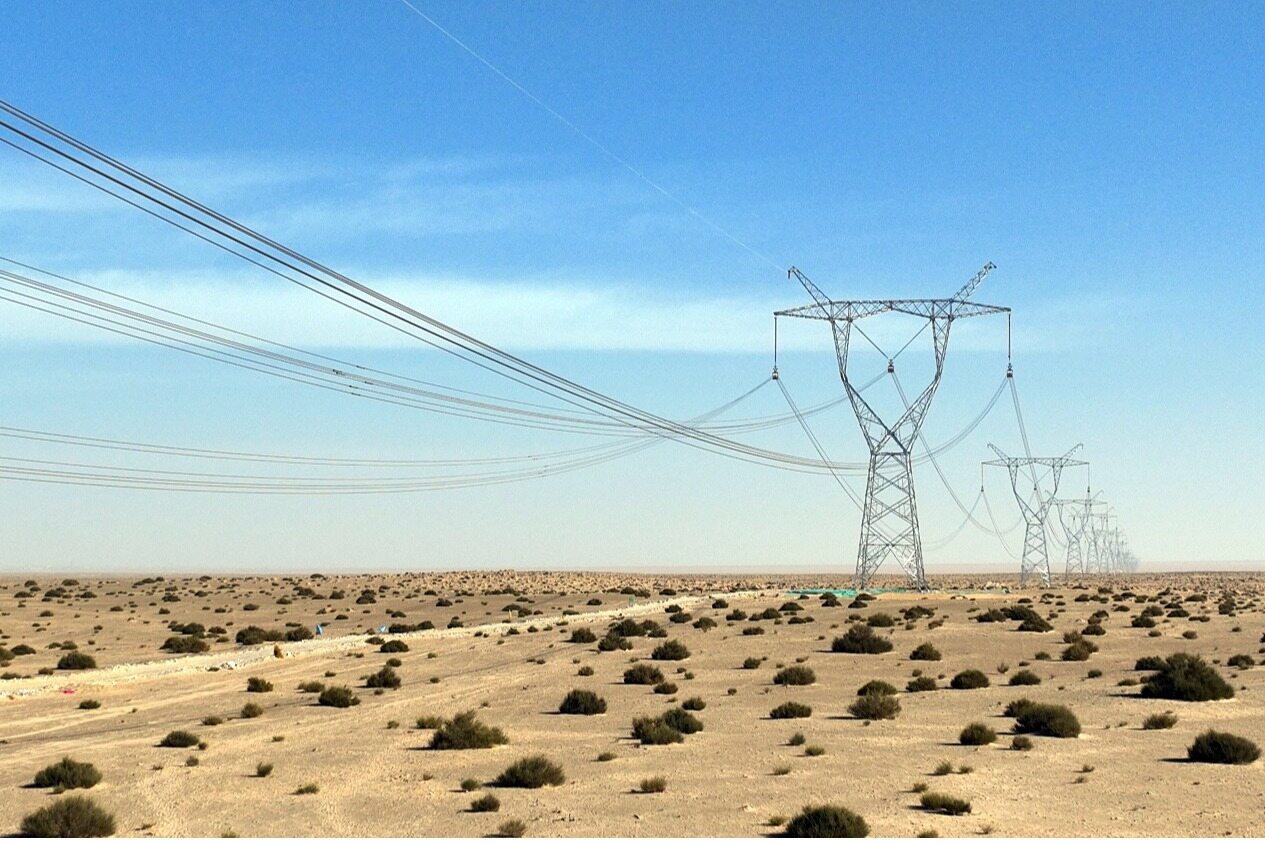
The first ray of sunshine in the early morning of the Gobi Desert covers the continuous photovoltaic panels, and the distant wind turbines start synchronously facing the west wind. In the first three quarters of 2026, the power generation of Xinjiang's power grid officially crossed the 450 billion kilowatt hour mark, and wind solar new energy has steadily become the core engine driving electricity growth with a growth rate of over 40%.
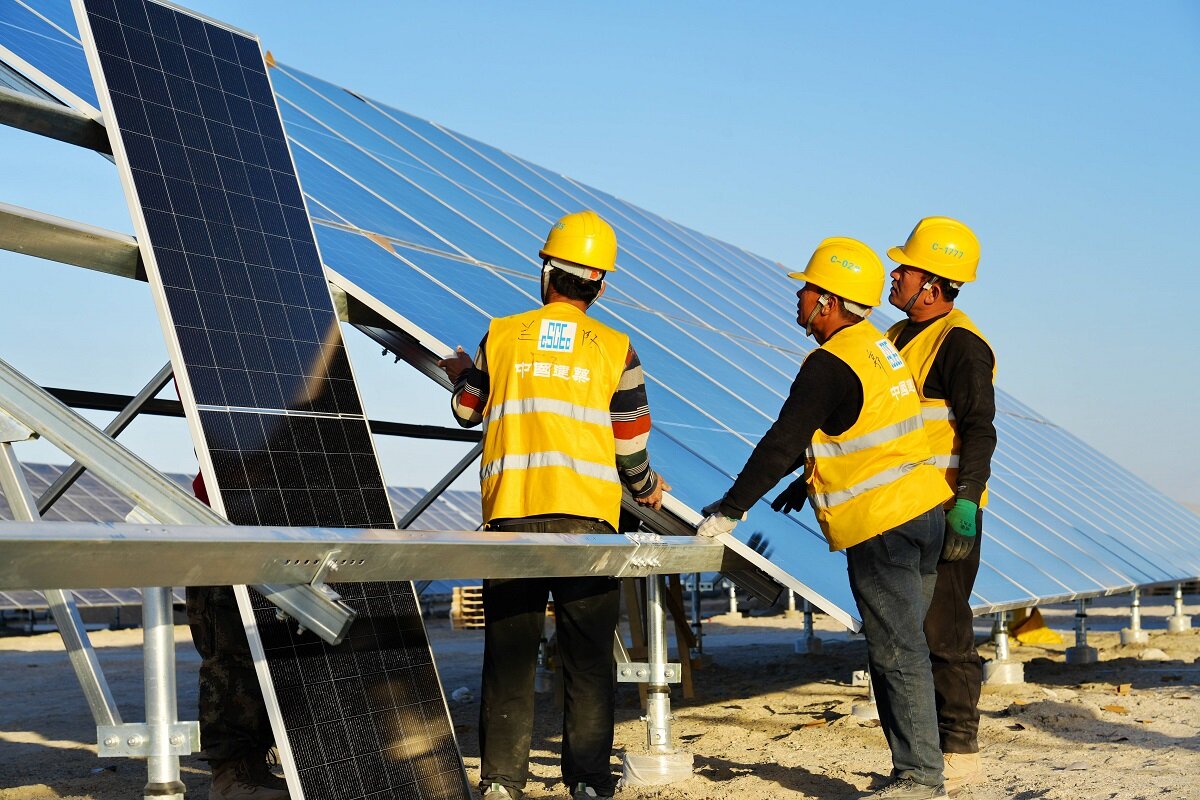
The power structure has completed a landmark switch
As of the end of September 2026, the total installed capacity of power sources in Xinjiang's power grid has reached 280 million kilowatts, of which the installed capacity of new energy has exceeded 184 million kilowatts, accounting for 65.71% of the total installed capacity, ranking among the top in the country in terms of scale. The cumulative power generation of the entire power grid in the first three quarters was 455.69 billion kilowatt hours, a year-on-year increase of 10.98%. The new energy power generation reached 151.453 billion kilowatt hours, accounting for 33.24% of the total power generation, and the proportion of green power supply continued to rise.
Among them, the wind power generation reached 89.907 billion kilowatt hours, a year-on-year increase of 42.44%, and the solar power generation reached 61.546 billion kilowatt hours, a year-on-year increase of 41.52%. The synchronous growth of wind and solar power sources reached over 40%, while the power generation of thermal power and hydropower slightly declined, with the pace of green and low-carbon transformation of Xinjiang's power supply structure further accelerating.
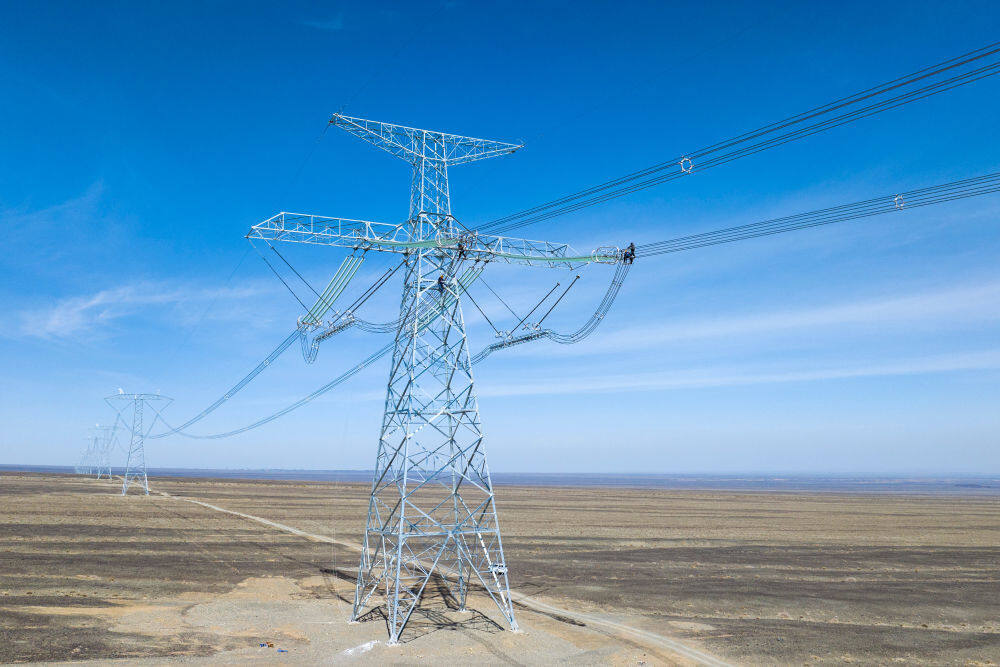
Upgrading the grid structure to open up the green power transmission channel
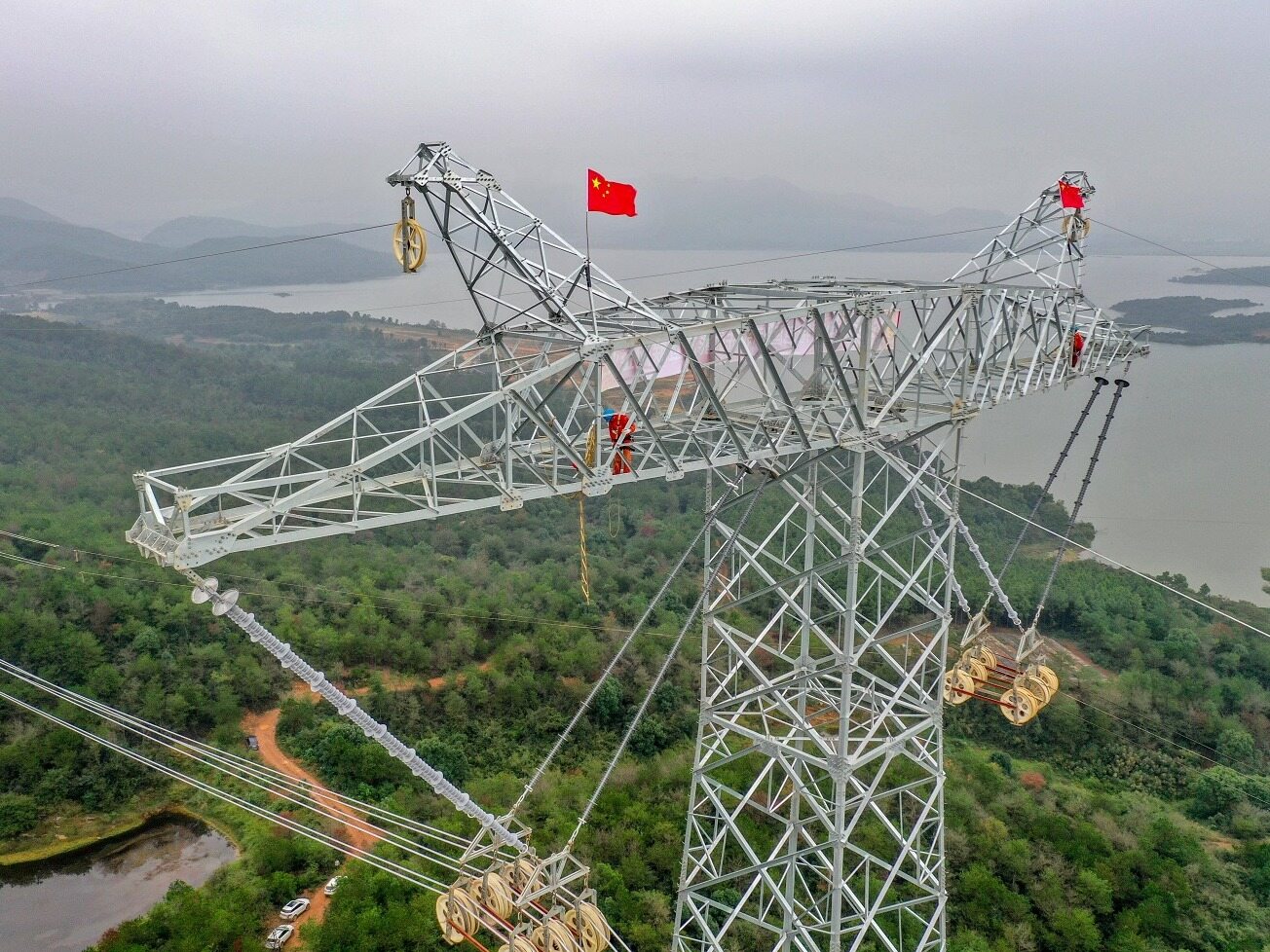
After years of continuous construction, Xinjiang has formed a strong main grid structure with eight ring networks for internal supply and five channels for external transmission. It has built the largest number of 750 kV substations in the country and has the longest 750 kV transmission line in the national provincial power grid, with a total mileage exceeding 15000 kilometers, laying a solid hardware foundation for large-scale on-site consumption and cross regional transmission of wind and solar power. As of mid October 2026, Xinjiang's cumulative external power transmission has exceeded 123 billion kilowatt hours, of which the proportion of new energy transmission is close to 40%, and the scale of external transmission has remained above 100 billion kilowatt hours for seven consecutive years.
Relying on continuously improving ultra-high voltage transmission channels, the clean green electricity produced in the north and south of Tianshan Mountains is continuously transmitted to 23 provinces, autonomous regions and municipalities across the country, providing stable green power support for the eastern power load center. Based on the positioning of the national energy and resources strategic guarantee base, Xinjiang is continuously building a clean, low-carbon, safe and efficient modern energy system, injecting green momentum into the high-quality development of the regional economy. Keywords: power installed capacity, new energy

In the twilight, the Gobi wind farm lights up with inspection lights, and another batch of clean electricity sets off along the ultra-high voltage silver line from the Gobi Desert in Xinjiang to the electricity market thousands of kilometers away.Editor/Cheng Liting
Comment


 Praise
 Collect
 Comment

 Share
Share


Write something~