 Search


- First Cross Guinea Railway Passenger Transport Flight
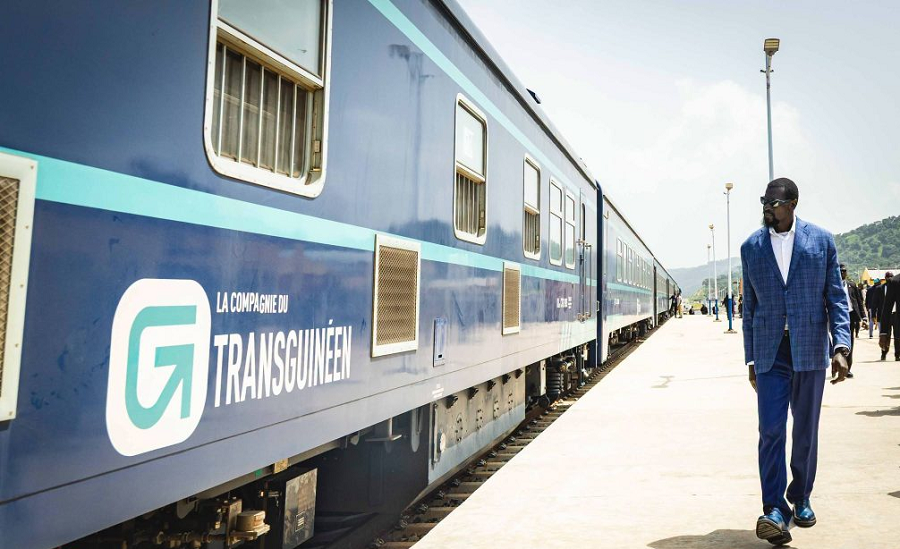
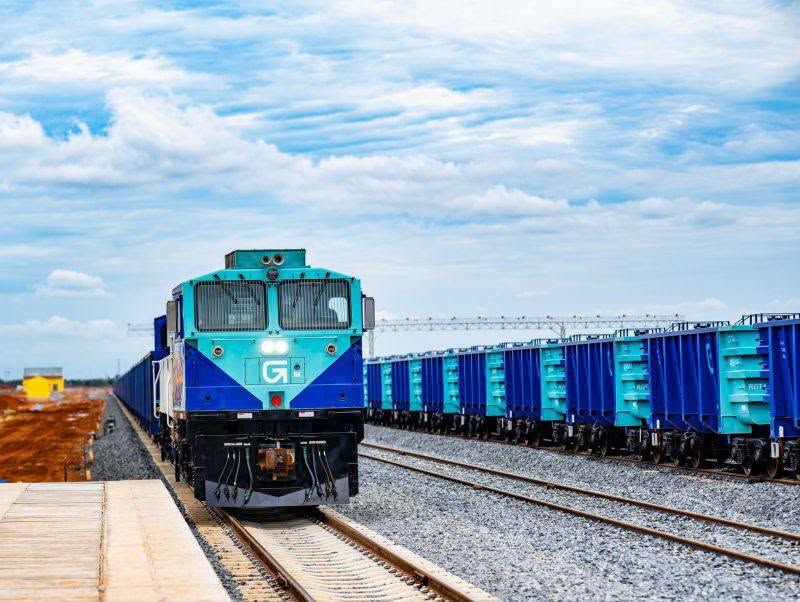
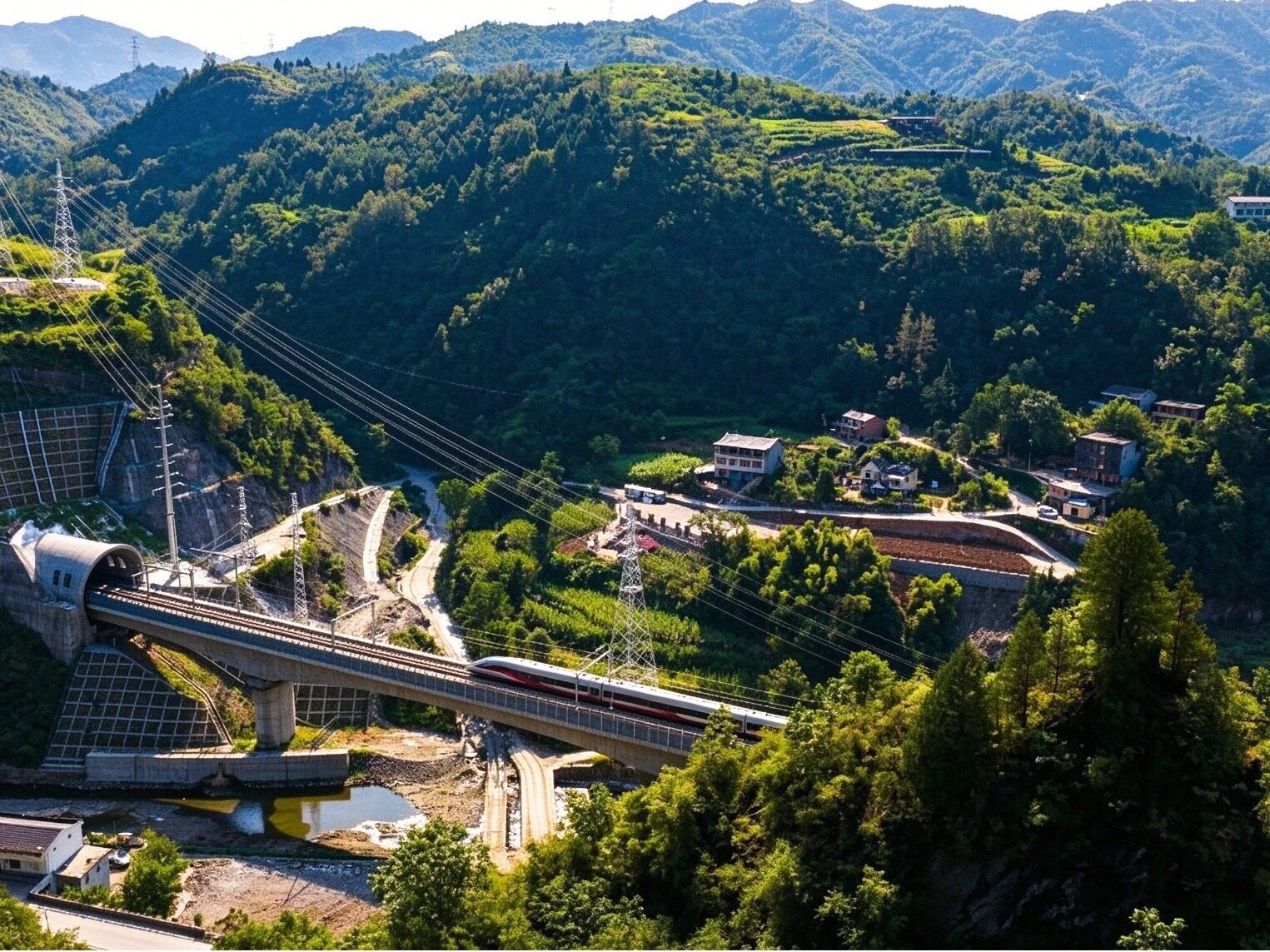
The train slowly started on the platform of Maribaya Port, and Guinea's President Dunbouya boarded the passenger train pulled by the Koma locomotive, heading towards Kasa along the railway that crosses mountains and valleys. The 148 kilometer passenger first voyage not only connects the port and inland areas, but also opens a new page for the expansion of this iron ore dedicated line into a comprehensive passenger and freight channel.
First flight witnesses breakthrough
Guinea's President Dunbouya boarded a passenger train operated by CTG of the Guinea Railway Company and departed from Maribaya Port to Kasa, Orekaba District, Mamou Province, completing the first official passenger operation of the railway. The inaugural train consists of the Koma locomotive and four passenger cars. After the train arrives at Casa Station, the President inspects the station and listens to the introduction. The government of Guinea plans to gradually open up passenger transportation and promote the expansion of railways from mineral transportation to comprehensive passenger and freight channels. Modern stations will be built along the line to provide convenient, economical and high-quality services. Keywords: Trans Guinea Railway, maiden voyage with passengers
Engineering showcases ingenuity
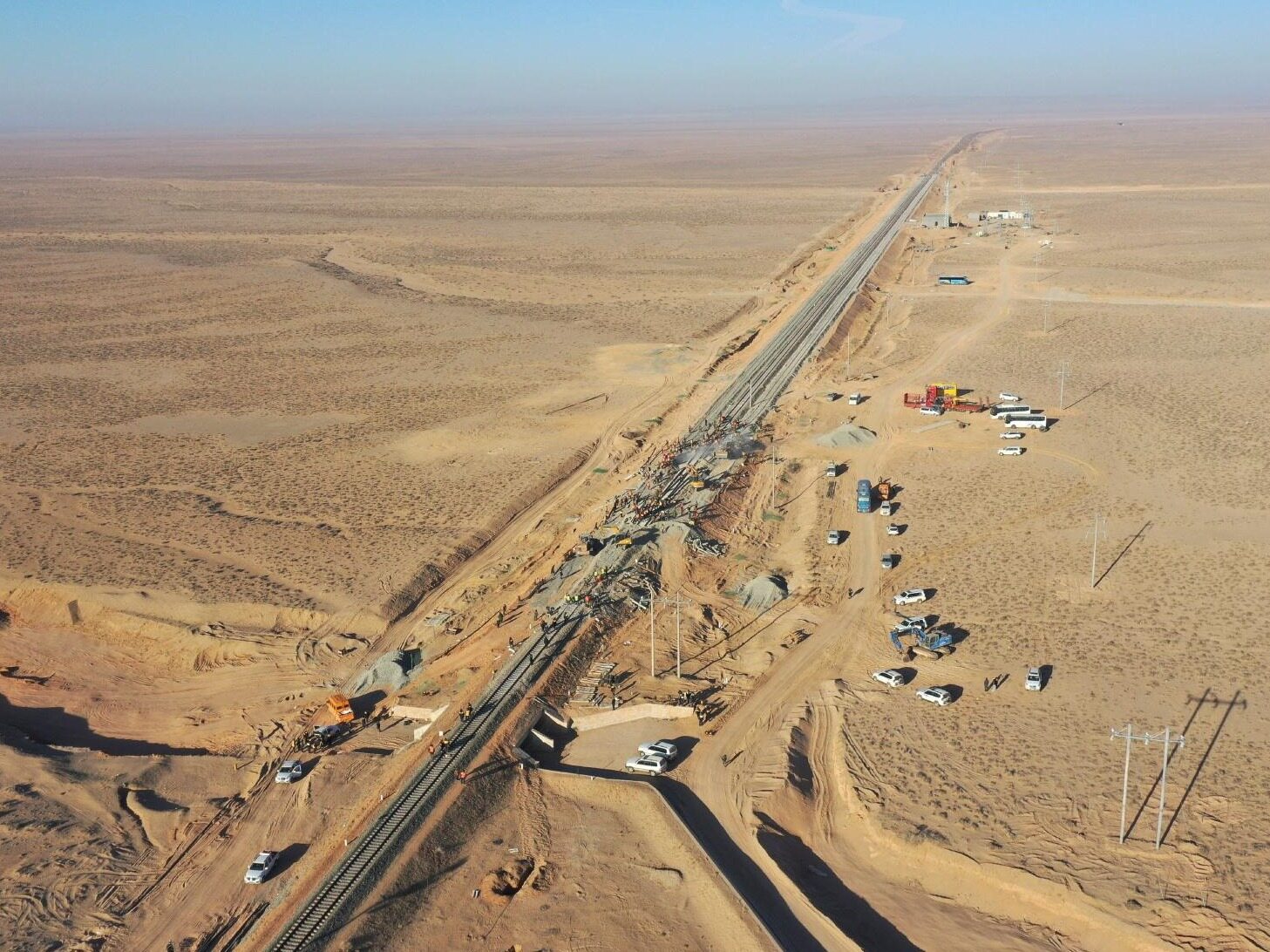
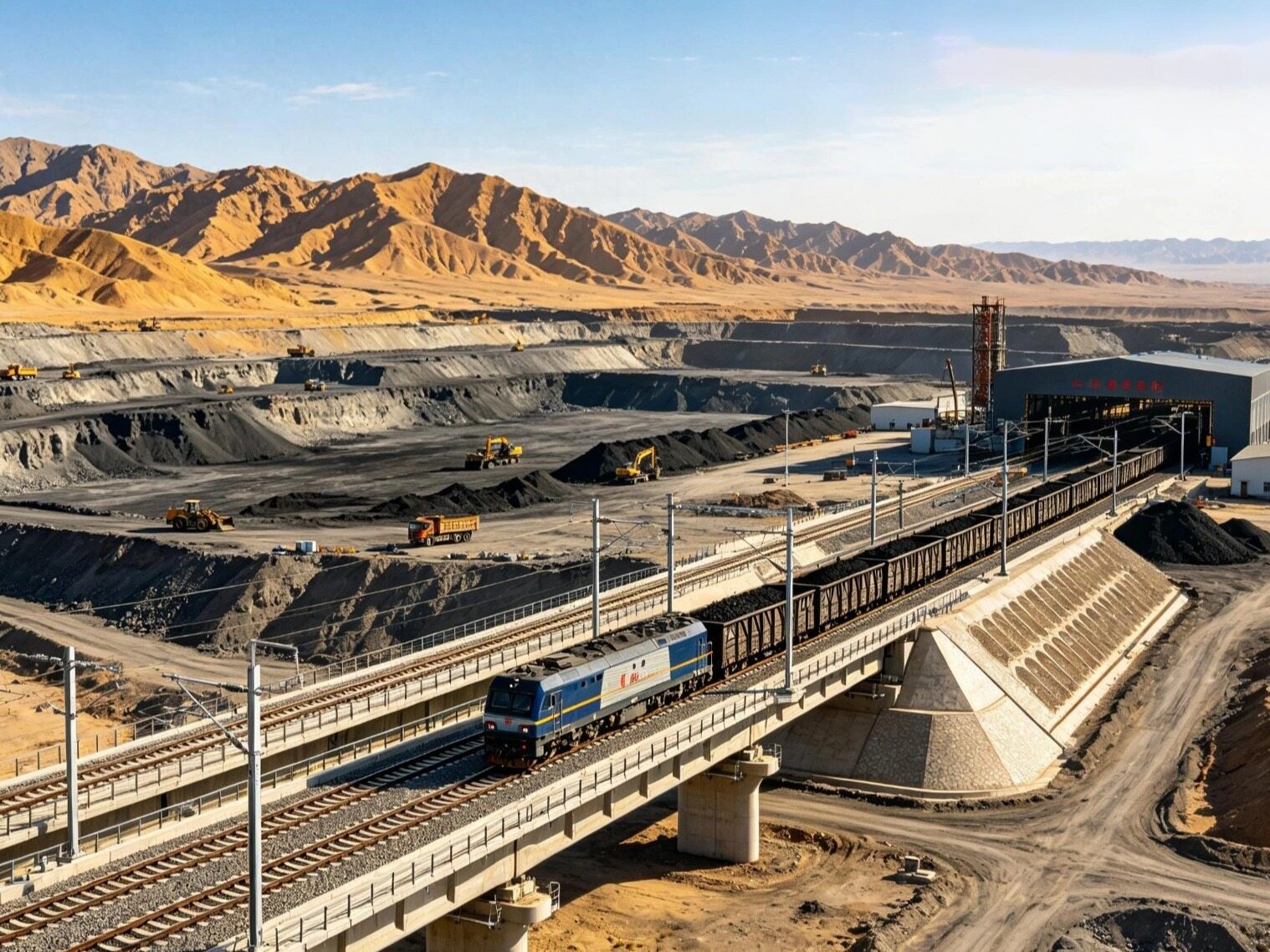
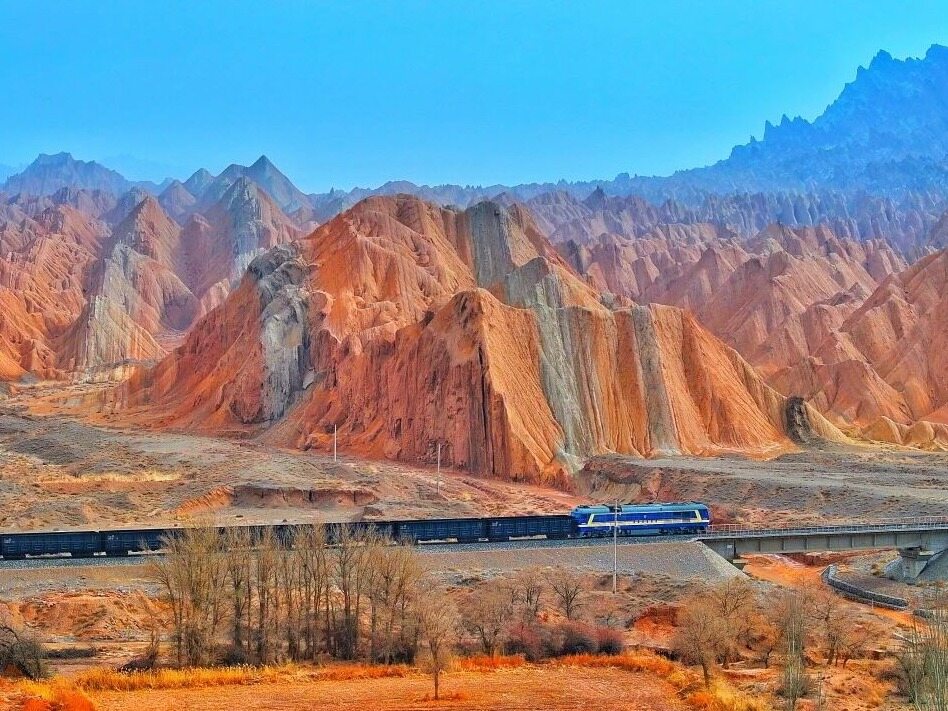
This maiden voyage showcases the achievements of railway construction, with a total of 205 bridges built on the main line. Among them, the Kolomo II viaduct is 2115.94 meters long and has 64 spans, making it the longest bridge on the entire line. The highest bridge pier in the Urekaba area is 64 meters, making it the highest on the entire line. Four new tunnels have been built along the entire line, including the Jindia Tunnel, which is 11.62 kilometers long and crosses the complex mountains of the Futajialong Plateau. There are also 1170 culverts, 26 wildlife passages, 29 overpass bridges and other supporting facilities. The Trans Guinea Railway undertakes the task of transporting iron ore from four mining areas in Simandou to Maribaya Port. In the future, it will expand passenger and freight transportation, drive regional trade and tourism development in agricultural product circulation, and help Guinea diversify its economy and modernize its infrastructure.Editor/Min Jing
Comment

 Praise
 Collect
 Comment

 Share
Share


Write something~