 Search


- After the completion of the project, the annual cargo shipping capacity will soar to about 200 million tons
- Provide stable and reliable heavy-duty channels for the transportation of coal from the west to the east and from Xinjiang to the outside
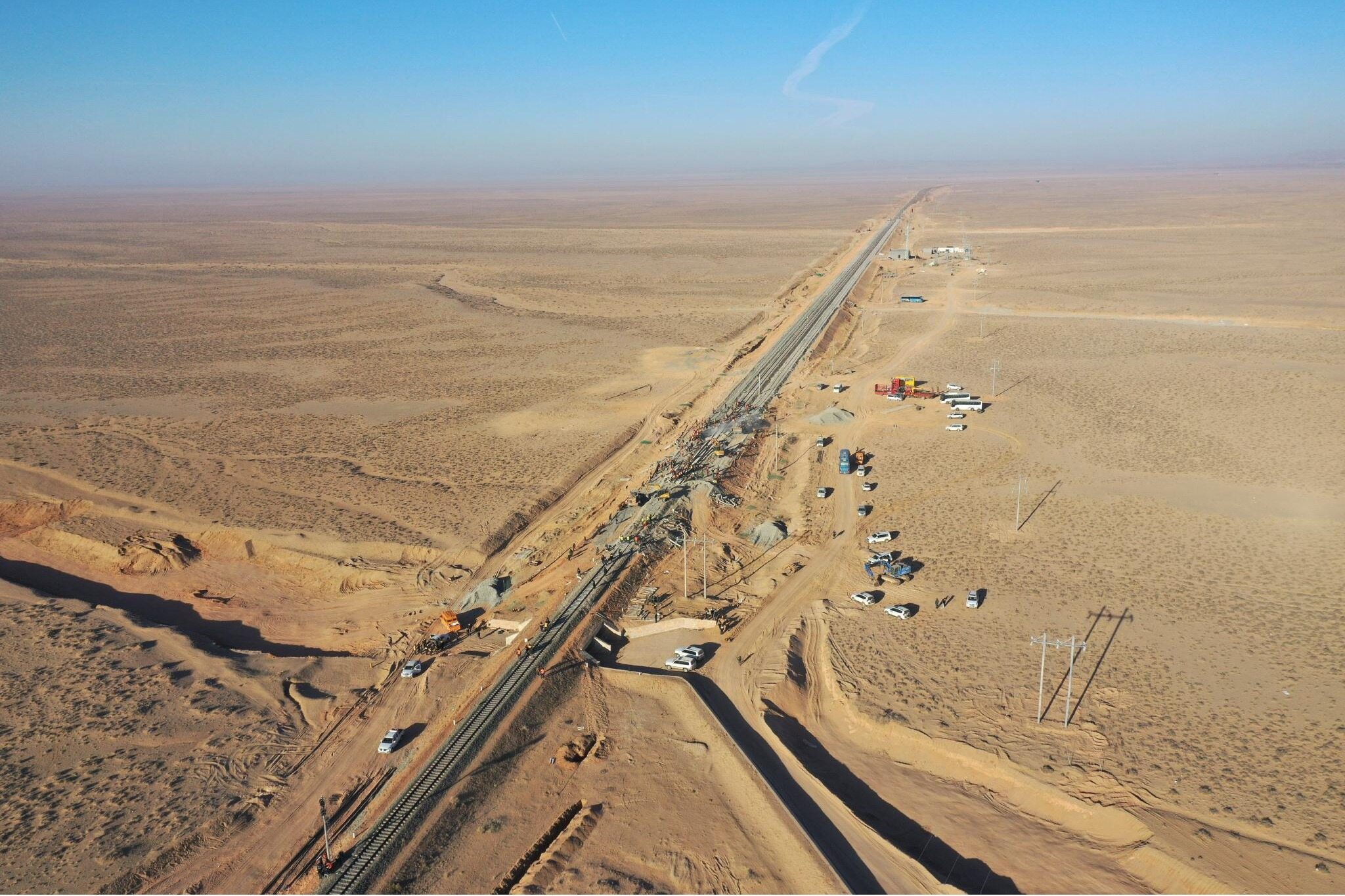
On October 12, 2026, the wind on the Gobi Desert swept over both sides of the route, carrying sand particles. In the section from the west of Swan Lake to Juyanhai, a overhead contact wire steel column is slowly lifted by a crane, stabilized, turned, and lowered in the air, and steadily landed on the foundation. After the surveyors repeatedly checked the limit and verticality, and confirmed that there was no difference, the steel column was officially erected. For the Linha Railway, this is an inconspicuous but significant moment - the contact network specialty of the capacity expansion and renovation project undertaken by the Electrification Bureau has entered the substantive construction stage from the drawings to the site.
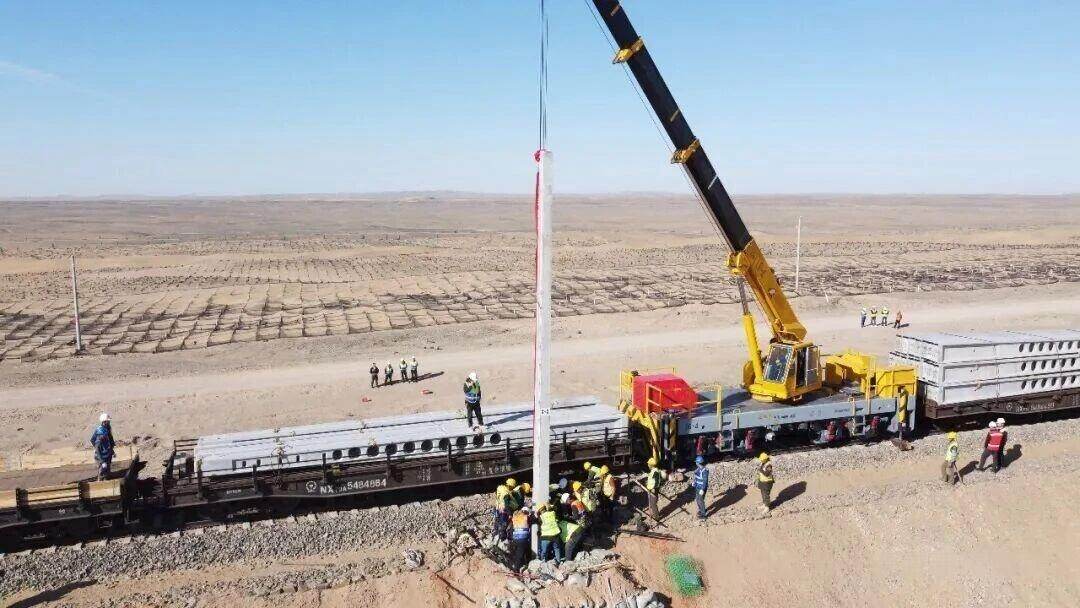
The first pole in the Gobi Desert stands up
A pole is the true starting point of contact network construction. According to the design, a total of 2139.78 kilometers of overhead contact lines will be installed along the entire line, and this steel pillar is the first cornerstone of this long power supply corridor. The first pole assembly involves multiple processes such as foundation retesting, lifting assembly, and limit verification. Any deviation in any of these processes will affect the accuracy of subsequent large-scale construction. Now that the first shot is precise and in place, it means that the work standards, personnel organization, and mechanical coordination have been implemented on site, and all preliminary preparations such as temporary construction facilities, technical disclosure, and on-site investigation have been completed. The construction team can move forward freely to the entire line.
Put the difficult problem at the forefront
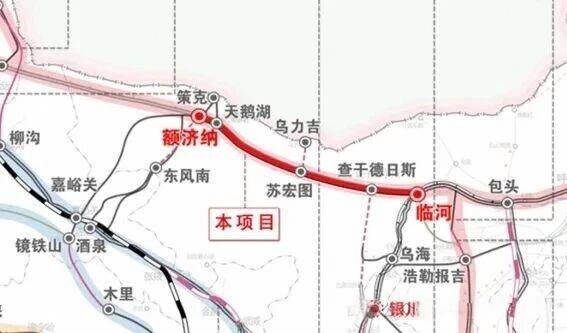
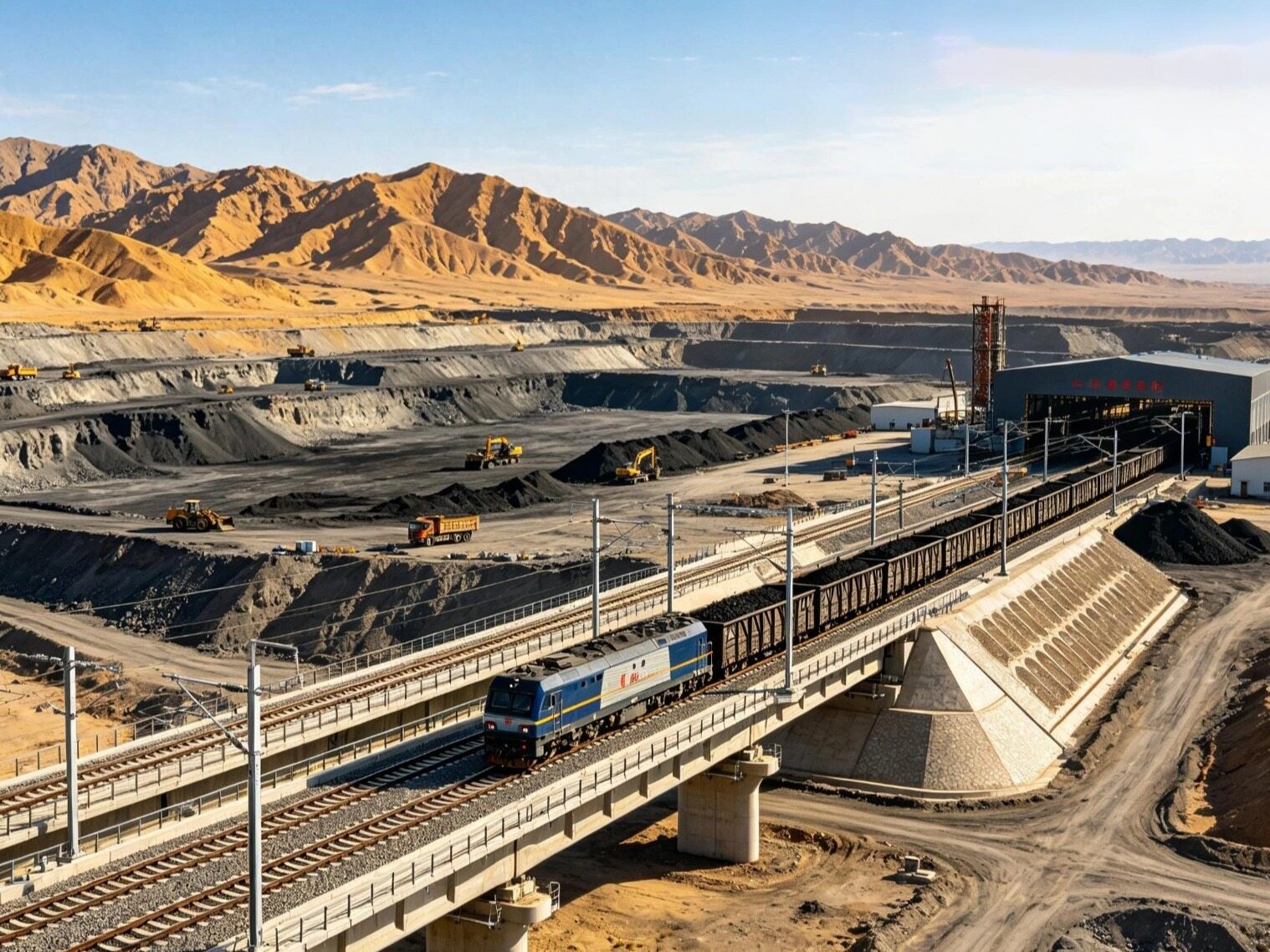
The Linhe Ejina section of the Linha Railway passes through the three major deserts of Ulan Buhe, Yamarek, and Badain Jaran, as well as a large area of Gobi desert. It is characterized by sandstorms, droughts, and inconvenient transportation, each of which is a real test. Since the start of preparation, the project department has strictly implemented standardized and refined management, coordinated and promoted preliminary work such as technical control, safety production, material guarantee, innovation and efficiency creation. The technical team conducted on-site surveys, parameter reviews, and optimized plans in advance, improving key processes such as lifting assembly and transportation layout based on the characteristics of the desert, and accurately overcoming various construction difficulties. Design and construct 158 new bridges of various types around sand hazard control, and build 2 concrete sand prevention open cut tunnels with a total length of 8069 meters in areas with severe sand hazards. Adopt sand fixing measures such as plant protection, PE grid sand barriers, spraying curing agents, and high vertical sand barriers in different sections; The transportation of construction materials relies on the existing railway organization, with staggered arrangement of construction trains to minimize interference with existing transportation.
200 million tons of channel accelerated molding
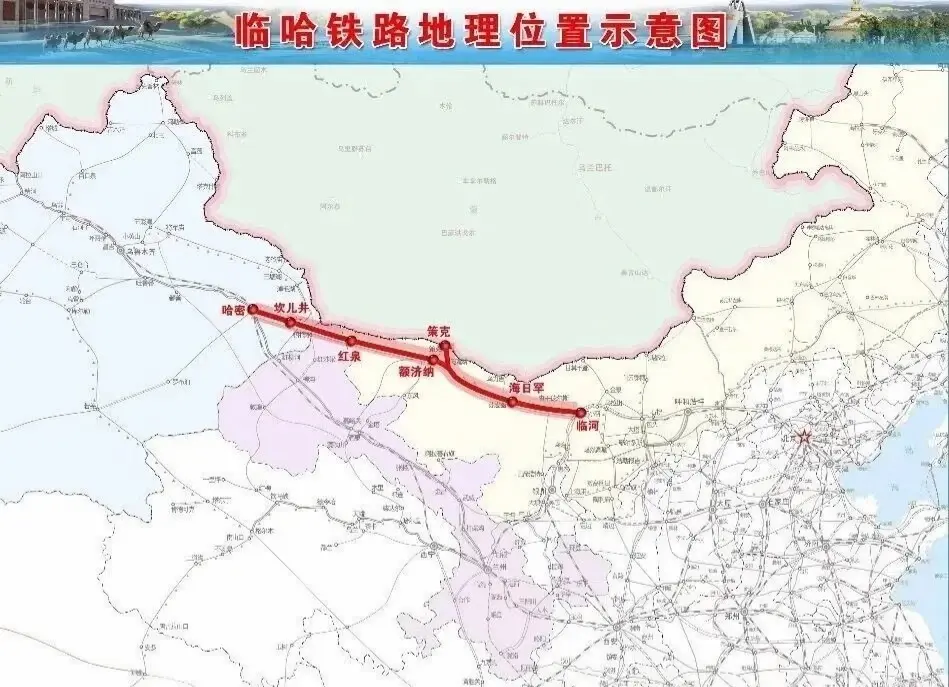
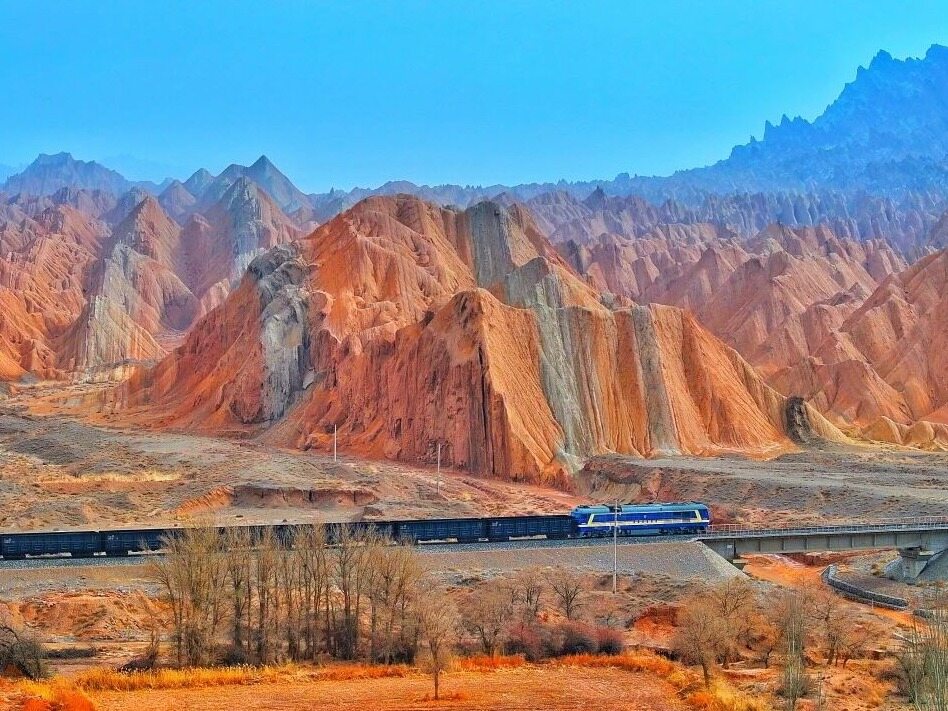
This renovation will upgrade the existing single track non electrified railway to a double track electrified heavy-duty railway, and the Tian'erhu West Station to Ceke Port branch line will be simultaneously upgraded to a single track electrified railway. A new roadbed of 680.64 kilometers will be built, the line design speed will be increased to 120 km/h, and 2 new stations will be built and 22 train stations will be renovated. The system will also upgrade the power support, signal communication, and passenger and freight service facilities. After the renovation is completed, 18 stations will have the conditions to receive and dispatch 10000 ton freight trains, seamlessly connecting with the electrified traction of the Baolan Railway. The annual freight transportation capacity will increase from the current 30 million tons to about 200 million tons. From a broader perspective, the existing Linha Railway has a total length of 1391 kilometers, spanning Inner Mongolia, Gansu, and Xinjiang provinces. It is the shortest route connecting Xinjiang with North China and Northeast China, with a transportation distance about 760 kilometers shorter than the Lanxin and Baolan railways. To the west, it intersects with the Lanxin Railway at Hami East Station, forming a key link in the northern wing of the Xinjiang coal transportation corridor.keywords:Engineering infrastructure
The steel pillar has been erected, and the electric traction artery is extending towards the depths of the Gobi Desert. After the butterfly transformation of this 685-kilometer energy trunk line, it will inject lasting power into improving the layout of the northwest road network, reducing logistics costs for the whole society, ensuring national energy security, and facilitating the travel of farmers and herdsmen along the route.Editor/Yang Meiling
Comment


 Praise
 Collect
 Comment

 Share
Share


Write something~