 Search


- Rongsheng Jintang Project collaborates with domestic and foreign capital to create a model for chemical industry going global
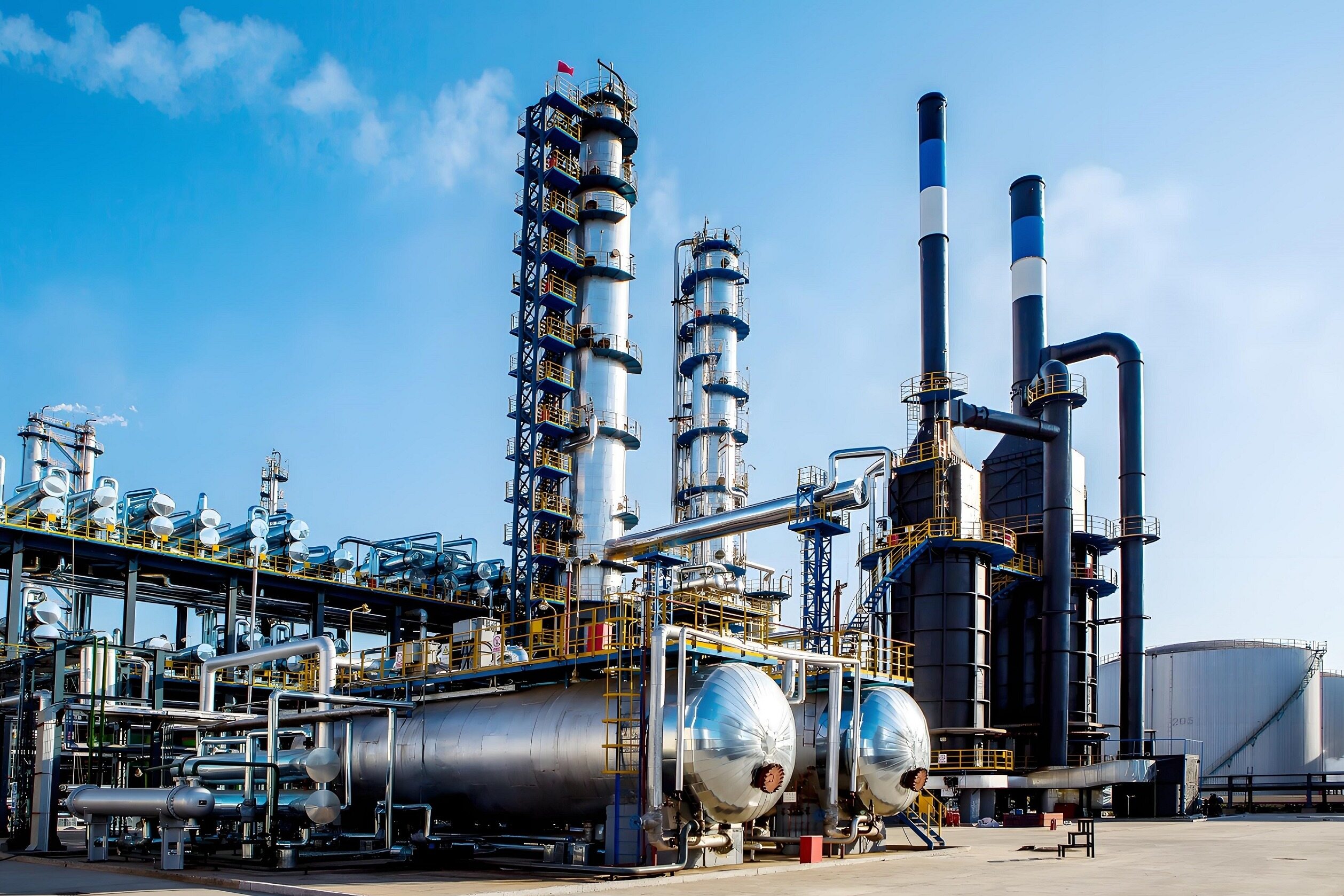
In the current global restructuring of the petrochemical industry, large-scale petrochemical projects in Lingang, China, are no longer just local industrial investments, but also test grounds for Chinese enterprises to practice Sino foreign capital joint ventures, cross-border supply chain coordination, and large-scale chemical EPC general contracting management. Rongsheng Group has landed a 67.5 billion yuan new materials project on Jintang Island in Zhoushan, introducing Saudi capital to participate and invest. Combined with the already formed petrochemical industry cluster in Zhejiang, this new model of Chinese infrastructure, Chinese technology, overseas resources, and overseas capital is providing a new cooperation paradigm for Chinese chemical engineering enterprises to go global. Rongsheng's new project on Jintang Island in Zhoushan focuses on high value-added new materials such as high-performance resins, biodegradable plastics, specialty polyesters, and high-end fibers. Saudi Arabia's SABIC plans to invest in the project, which is not a simple financial investment, but a deep binding of global petrochemical giants to China's complete downstream industrial chain.
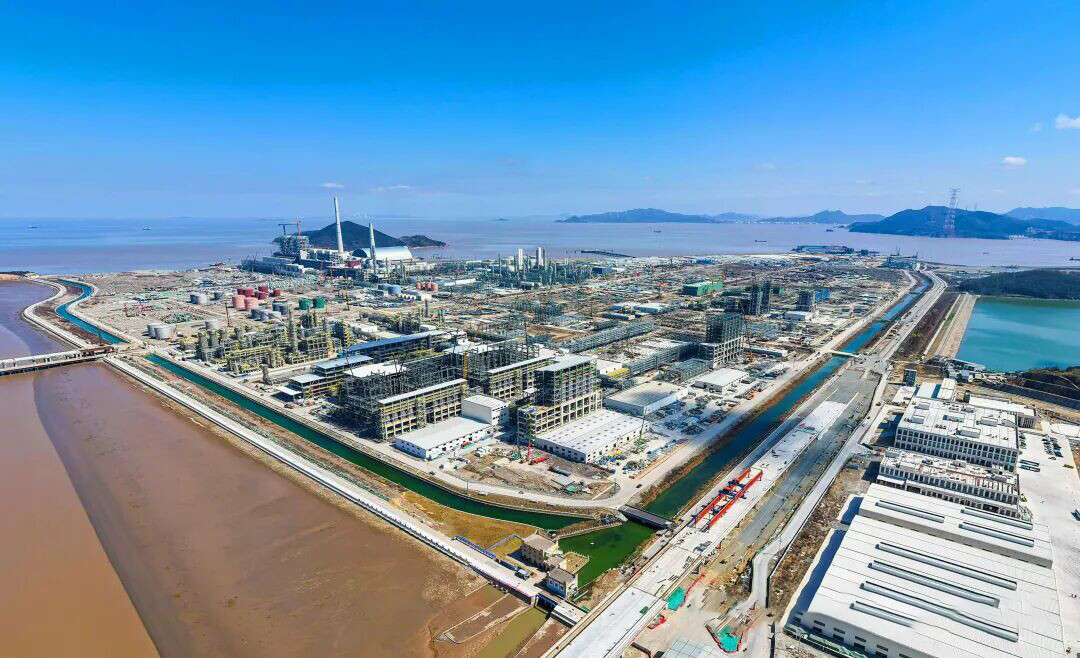
Middle Eastern resources complement Chinese engineering
Looking at the overseas engineering market, the Middle East holds oil and gas resources, but lacks downstream new material processes, engineering construction capabilities, and consumer markets; China has mature EPC general contracting, device design, equipment manufacturing, and park operation and maintenance capabilities, but requires stable low-cost raw materials. The Zhoushan project aims to integrate overseas resource and capital sources with domestic engineering, industry, and market on the same platform. Behind this layout is a shift in the underlying logic of the global petrochemical industry: the demand for refined oil products has peaked, and the demand for new chemical materials continues to grow. In 2025, the domestic consumption of refined oil products will decline, while the use of chemical raw materials will continue to grow. New energy vehicles are squeezing fuel demand, and the refining industry must shift from refining and selling oil to reducing oil and increasing chemical production, converting crude oil into high value-added new materials. This transformation logic also applies to overseas petrochemical markets such as the Middle East and Southeast Asia. Many overseas oil producing countries hope to break away from the simple mode of exporting crude oil and extend the new material industry chain downstream, which is exactly the opportunity for domestic chemical EPC enterprises.
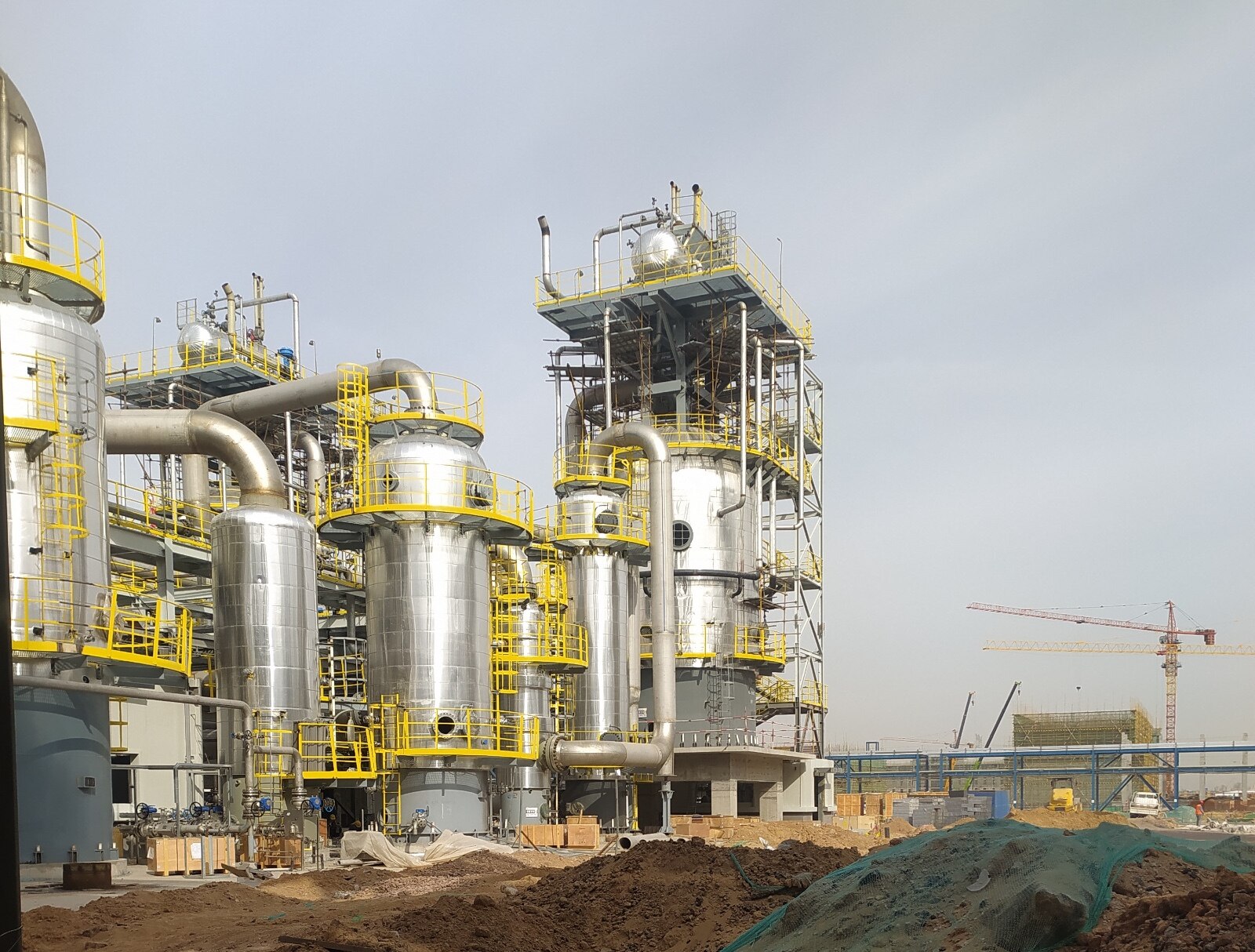
Zhejiang Petrochemical Matrix Precipitation Experience
Zhejiang has established a petrochemical industry matrix that integrates private enterprises, central enterprises, and foreign investment. Rongsheng Zhejiang Petrochemical Yushan Island Base is the world's largest single unit refinery with a total investment of over 300 billion yuan, connecting the entire industry chain from crude oil to PX to PTA to polyester to fiber; Sinopec Zhenhai Refining and Chemical Co., Ltd. is deeply involved in reducing oil and increasing chemical production, with the support of the New Materials Research Institute; The layout of CNOOC Ningbo Daxie project includes high-end raw materials such as POE and lithium battery negative electrode carbon materials; Satellite chemistry has taken a different approach by directly importing ethane from overseas to produce olefins. Multiple leading companies have jointly polished the technology, project management, and environmental protection operation and maintenance system of large-scale port refining and chemical integration projects, accumulating a large amount of engineering experience that can be exported. The advantages of this industrial cluster are highlighted in cross-border engineering cooperation. The cooperation between Rongsheng and Saudi capital is essentially a domestic rehearsal: the Middle East exports oil and gas raw materials and capital, while China exports engineering general contracting, process technology, and downstream markets. In the context of overseas engineering, Chinese EPC companies are no longer simply responsible for contracting projects and receiving project payments, but can participate in project investment, equity cooperation, and long-term operation, upgrading from engineering contractors to project joint development partners. This model of combining capital, engineering, and technology to go global is also the mainstream trend of large-scale petrochemical projects overseas in recent years. Keywords: Chemical news and information, international cooperation, new materials
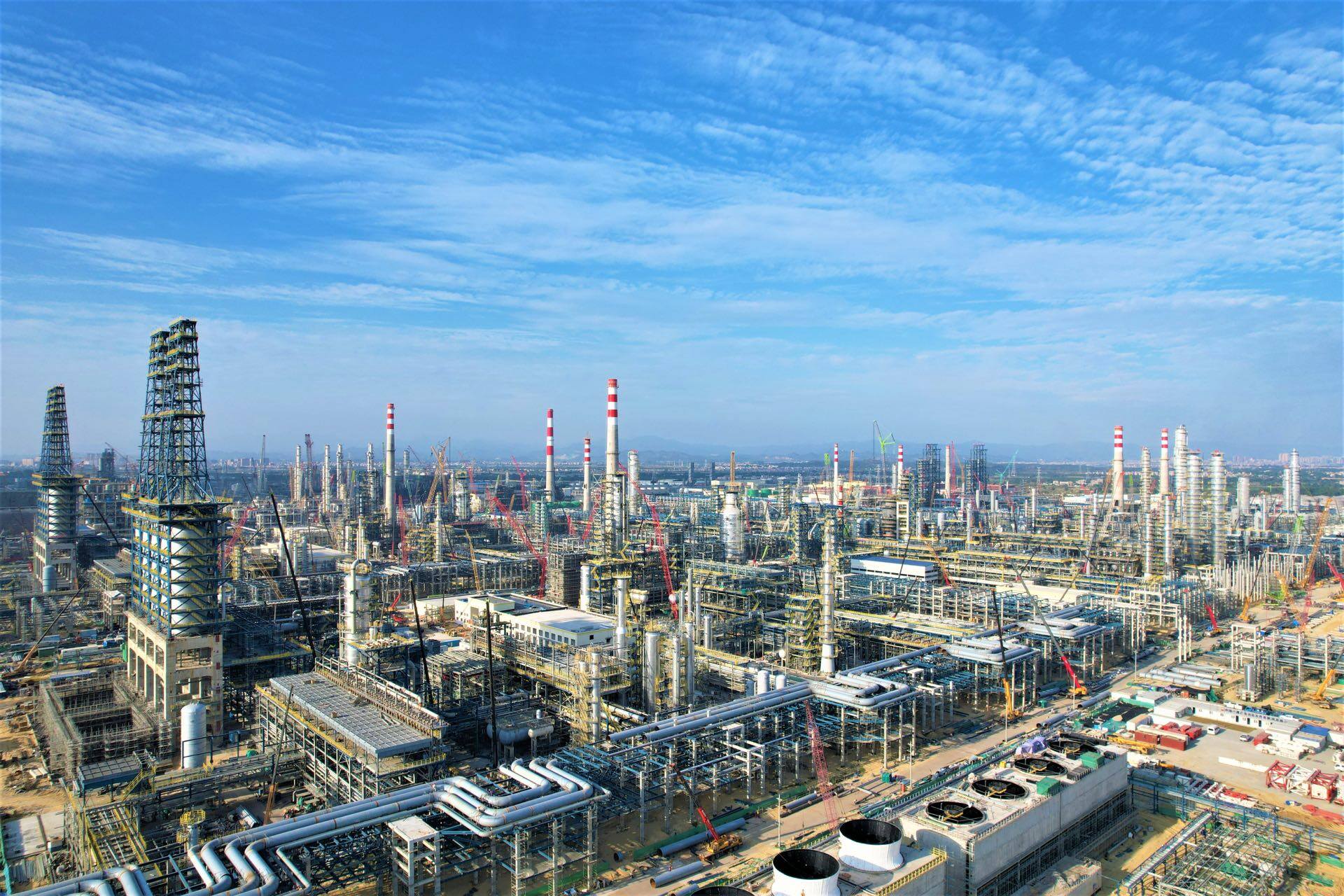
Cross border joint venture model replicated globally
Of course, cross-border joint venture overseas chemical projects pose complex challenges. Cross border shareholder coordination, overseas land and environmental impact assessment, local labor, long-distance transportation of raw materials, international trade compliance, and exchange rate risk are all difficult points. The Rongsheng Jintang project has completed practical exercises in domestic cooperation between Chinese and foreign shareholders, integrated park planning, and new material equipment construction, helping domestic engineering teams to familiarize themselves with the project management standards, technical specifications, and risk control systems of international chemical giants in advance, and reducing the pitfalls of future overseas projects. Looking globally from Jintang in Zhoushan, this cooperation model has strong potential for replication. Middle Eastern countries hold oil and gas resources and urgently develop their local new materials industry; Southeast Asia has ports and a demographic dividend. In the future, Chinese engineering companies can replicate the cooperation plan of resource country capital, Chinese EPC, and Chinese downstream processes when going global, and jointly build integrated petrochemical new material industrial parks in overseas ports. The Rongsheng 67.5 billion Jintang project is not just a move for Zhejiang to layout new materials. It utilizes the large industrial scene in the domestic port area to complete industrial cooperation between Chinese and foreign petrochemical giants. The engineering capabilities accumulated from domestic integrated petrochemical projects, combined with joint venture experience with overseas capital, will become the core competitiveness for Chinese chemical EPC enterprises to enter the global market.Editor/Gao Xue
Comment

 Praise
 Collect
 Comment

 Share
Share


Write something~