 Search


- Turpan's billion dollar coal chemical spinning project will fill the gap in Xinjiang's polyester and chemical fiber industry chain
- Injecting new momentum to ensure the supply of domestic chemical fiber raw materials and promote high-quality regional development
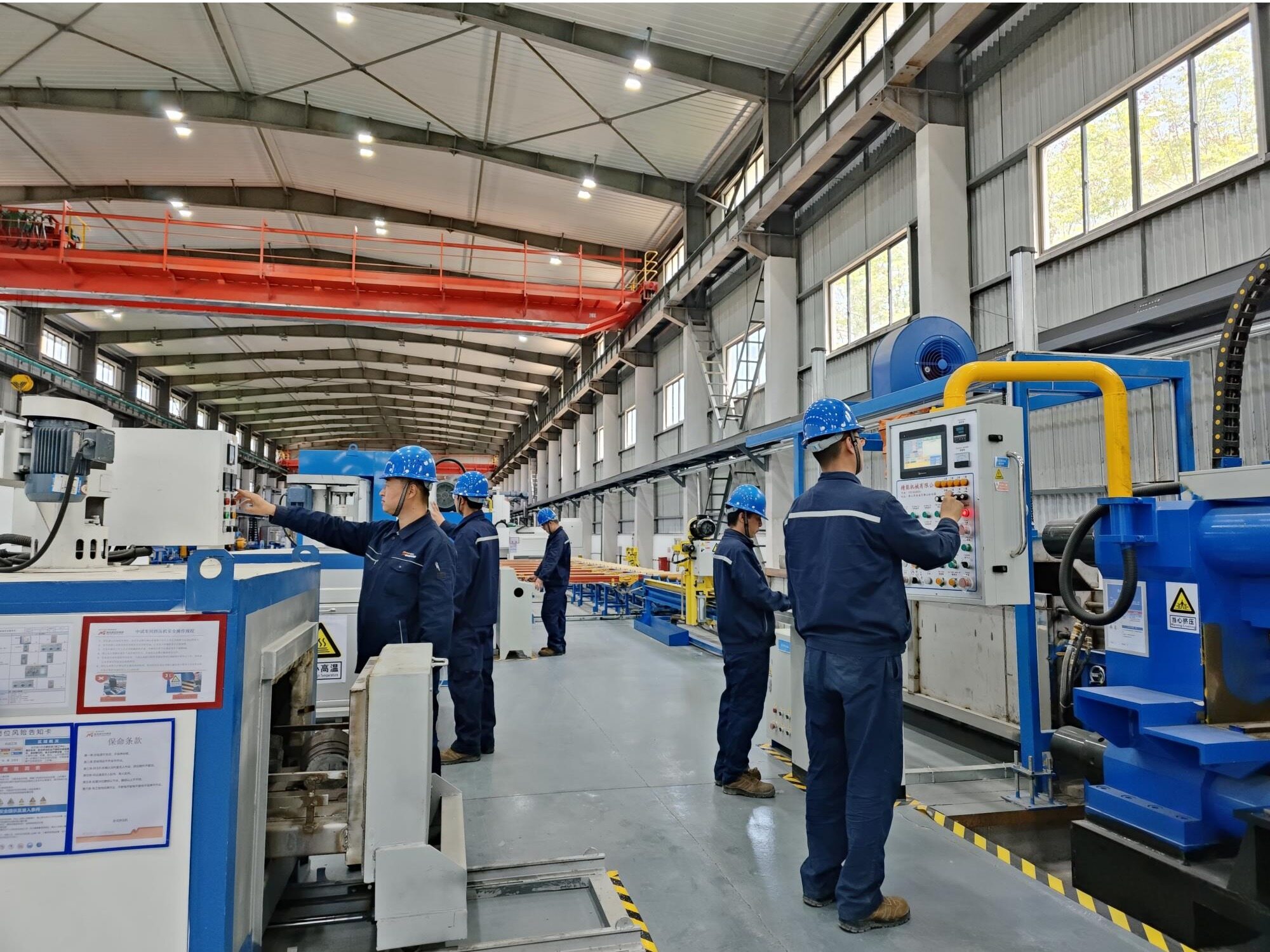
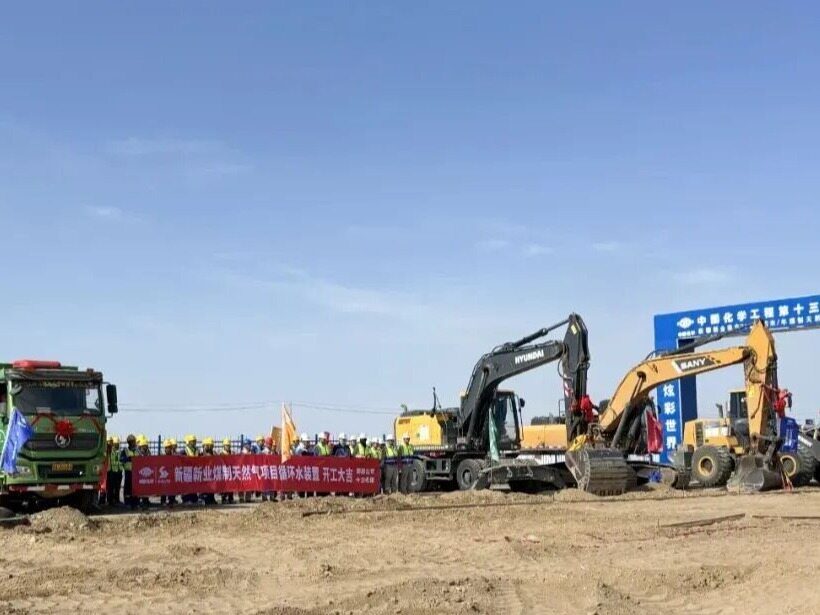
On the Gobi Desert in the early morning, the wind still carries a chill. On an open construction site in Aidinghu Town, Gaochang District, the long arms of excavators kept rolling one after another, and the welding arc light kept flashing between the steel frames. Thousands of builders had dispersed to various work faces, starting their busy day. The low-lying terrain and dry climate here are becoming the starting point for Xinjiang to transform coal into high-end new materials.
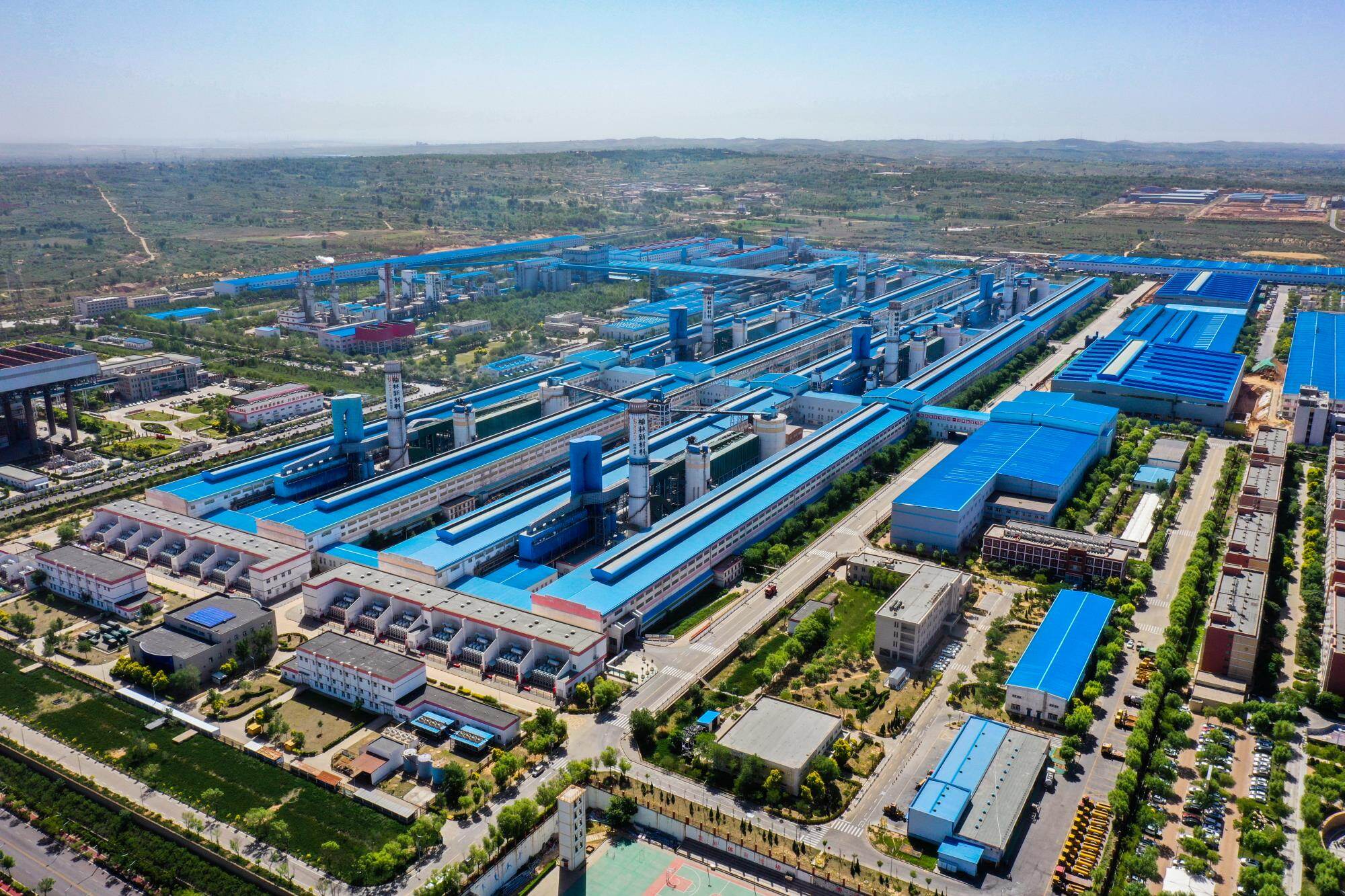
Busy construction at Gobi construction site
Various types of large-scale construction machinery operate in rotation, and civil foundation construction, equipment prefabrication, and welding operations are carried out simultaneously. The steel bar binding on the first floor of the main power plant building, the earthwork operation in the strip coal yard, the steel structure on the fourth floor of the first boiler, and the construction on the first floor of the second boiler have gradually taken shape. The formwork and welding of the gasification unit frame columns have been completed. Yang Longjun, Deputy Manager of the Safety and Environmental Protection Department of Hengyi Energy Technology (Turpan) Co., Ltd., introduced that the civil construction of the ground management, fence, air separation, gasification, purification, power and other sections has been fully launched, and various construction tasks are accelerating according to plan. During the National Day holiday, builders will stick to the front line and protect the ecological red line of the Gobi Desert while accelerating construction.
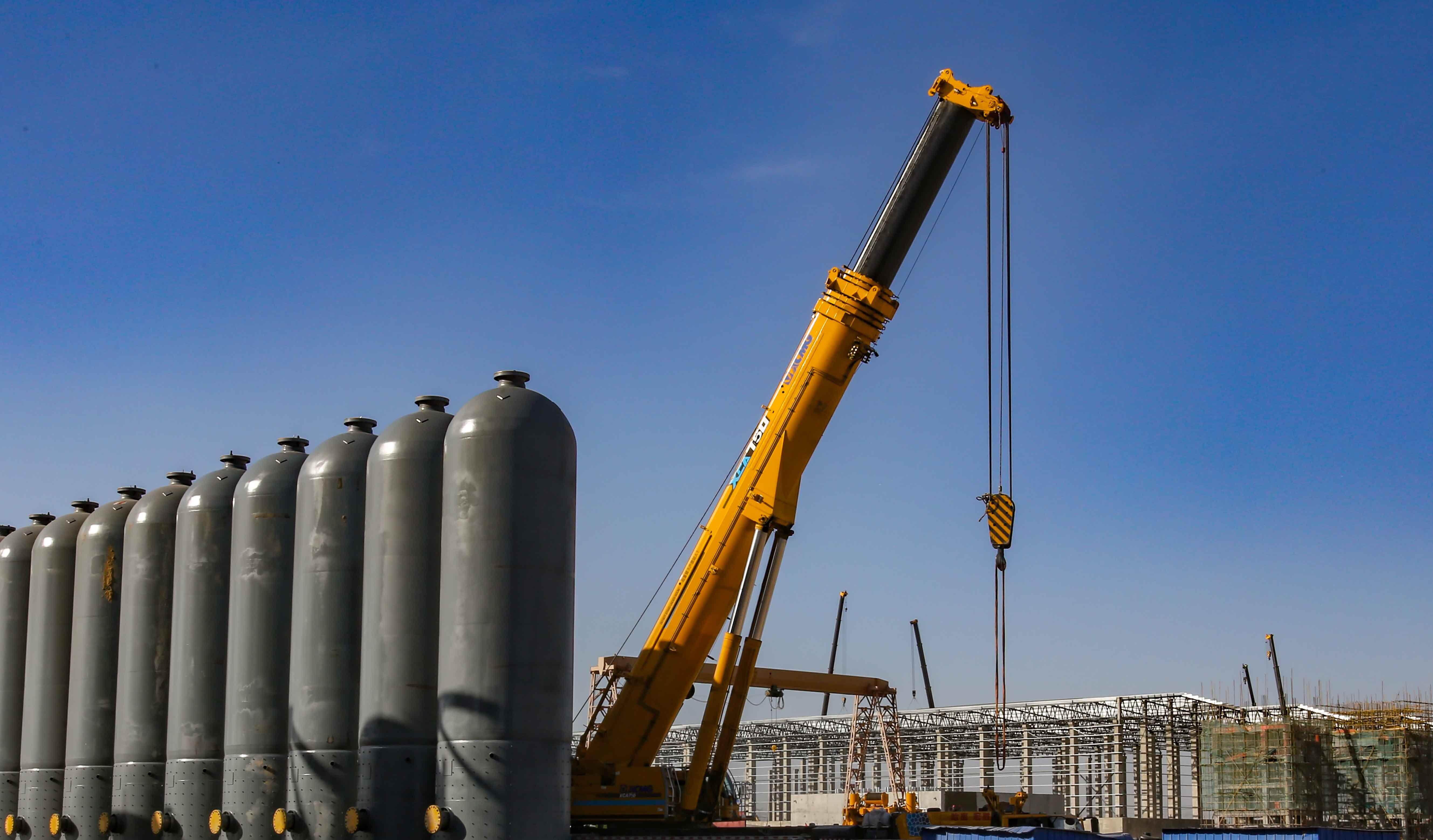
The transformation path of a piece of coal
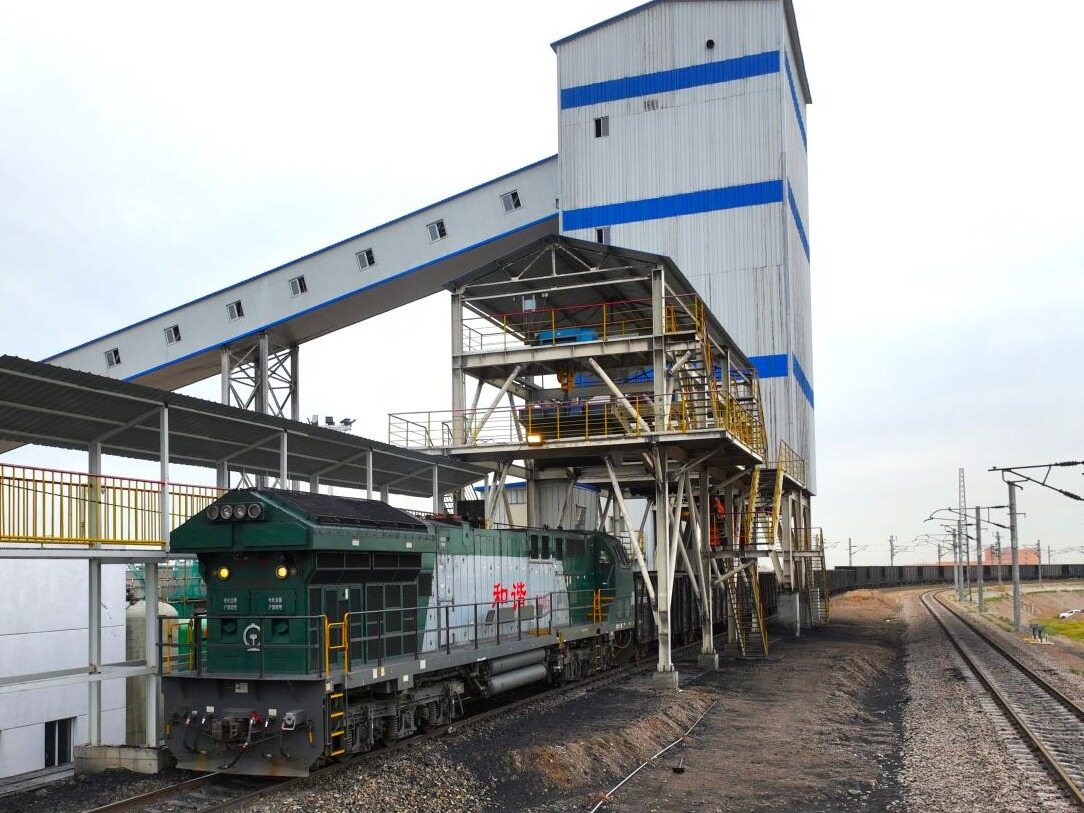
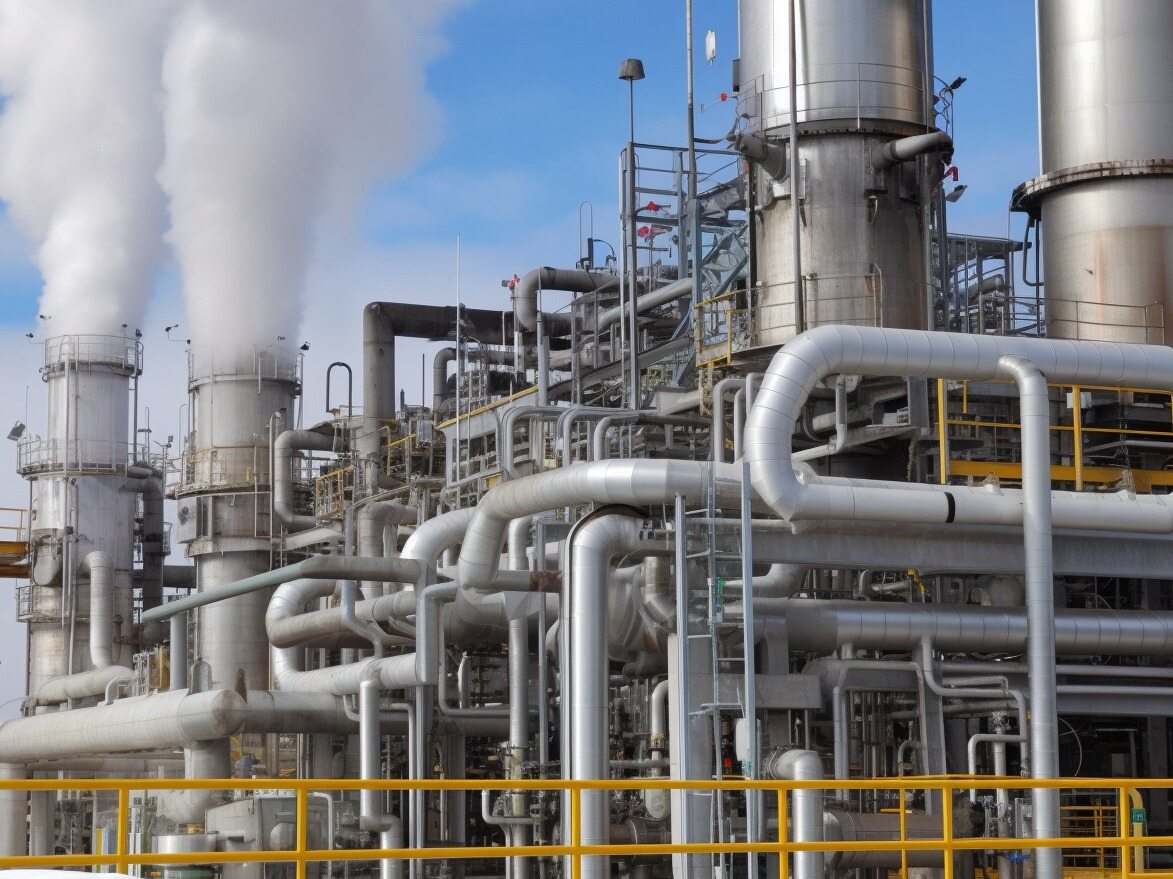
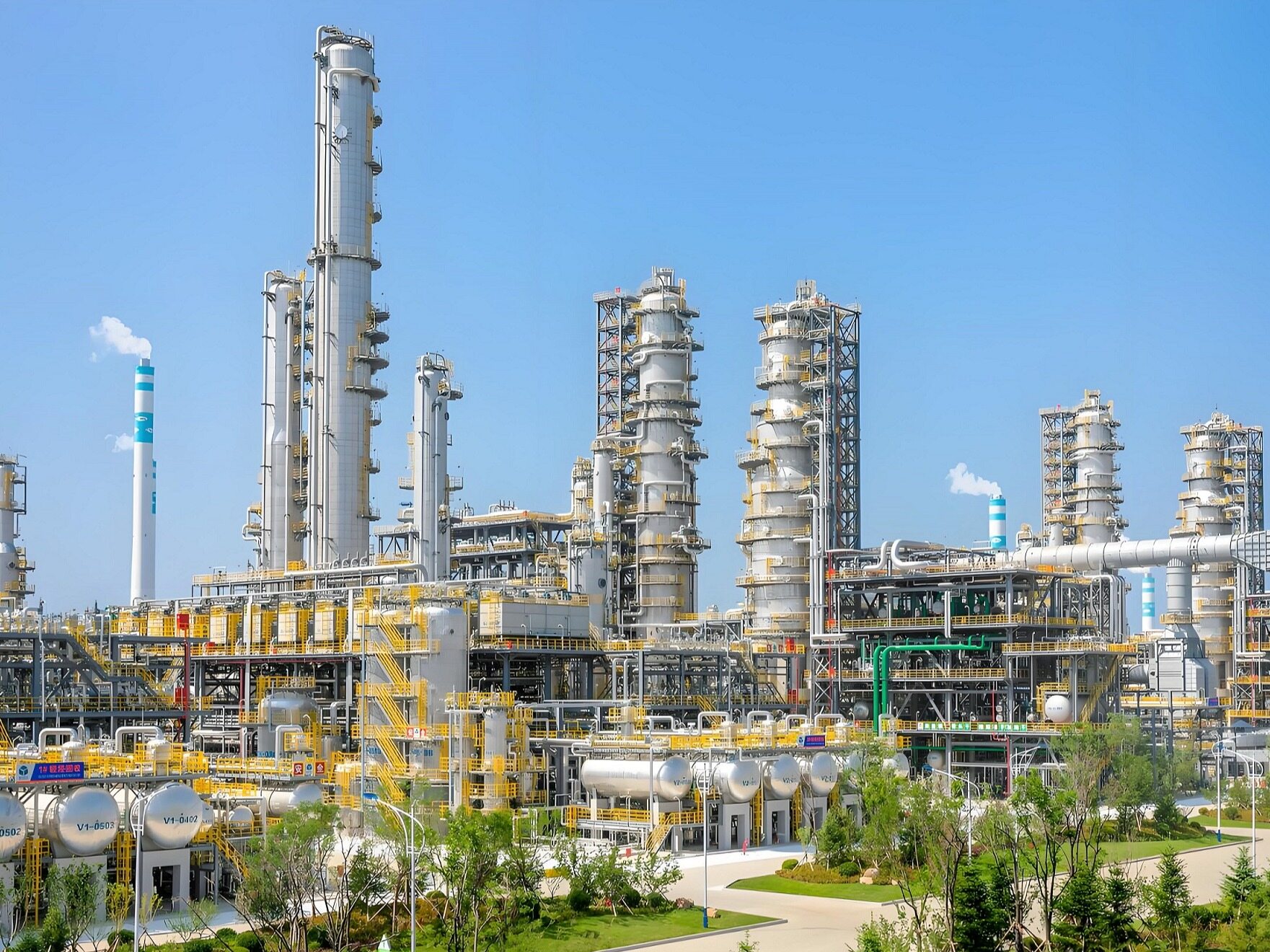
The project will commence construction on March 20, 2026 and is planned to be completed and put into operation within 5 to 8 years. The core of the first phase is the 2.4 million t/a high-quality fiber coal to ethylene glycol production line: using lignite from the Edinhu mining area as raw material, hydrogen and carbon monoxide are separated through gasification, transformation, and purification, and then dimethyl oxalate is synthesized and hydrogenated to produce ethylene glycol. At the same time, high value-added products such as dimethyl carbonate, coal based ethanol, sulfur, and liquid ammonia are produced as by-products. The brown coal, which was difficult to directly utilize due to its low calorific value in the past, has been thoroughly extracted here and converted into polyester grade ethylene glycol, which can be directly supplied to high-end textiles and polyester new materials. The project is synchronized with carbon capture and storage, green electricity coupling, and circular economy systems, introducing Turpan's abundant wind and solar resources into the production process, and promoting the value-added of coal from traditional fuels to chemical raw materials, and then to new chemical fiber materials.
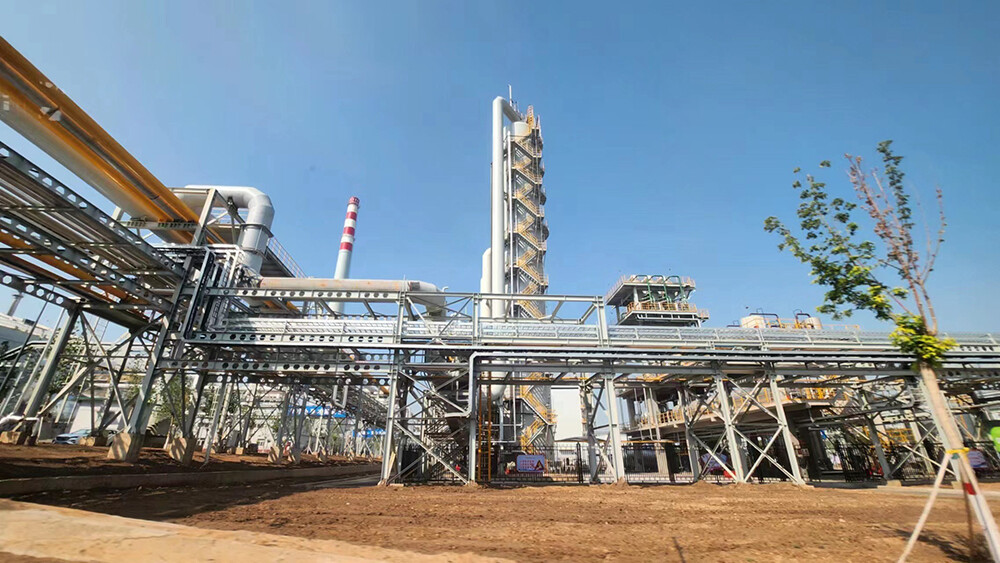
The footsteps of a billion dollar cluster
The project is divided into two phases to build an integrated industrial base for coal chemical spinning new materials, and to construct a vertical integrated industrial cluster of coal ethylene glycol polyester new materials, exploring a high-end, green, and integrated development path from a piece of coal to a piece of cloth for clean and efficient utilization of coal in Xinjiang. The investor, Zhejiang Hengyi Group, is a Fortune 500 company with a complete chain from refining to polyester and spinning. This upstream extension not only allows for independent and controllable raw materials, but also eliminates dependence on a single crude oil. Turpan's coal reserves account for about one tenth of the national total and one fourth of Xinjiang's. A dedicated team has been established in the local area to ensure the use of land, water, electricity, and other essential resources throughout the process.keywords:New energy information network
After the first phase of the project is completed, it can provide more than 1700 job opportunities and is expected to add an annual output value of over 12 billion yuan. After the project is completed and put into operation, it will fill the gaps in the polyester and chemical fiber industry chain in Xinjiang. Relying on the location advantages of the core area of the Silk Road Economic Belt, it will create a new material industry pivot that radiates northwest and faces Central Asia. This is of great significance for ensuring the supply of domestic chemical fiber raw materials, improving the energy and chemical industry chain, and promoting high-quality development of the regional economy.Editor/Yang Meiling
Comment

 Praise
 Collect
 Comment

 Share
Share


Write something~