 Search


- After upgrading the single line, the transportation capacity has been increased to meet the continuous growth demand of port trains
- In the early stage of the launch of the 150 kilometer mixed passenger and freight railway, the Da Lin Zhong Lao corridor has been connected
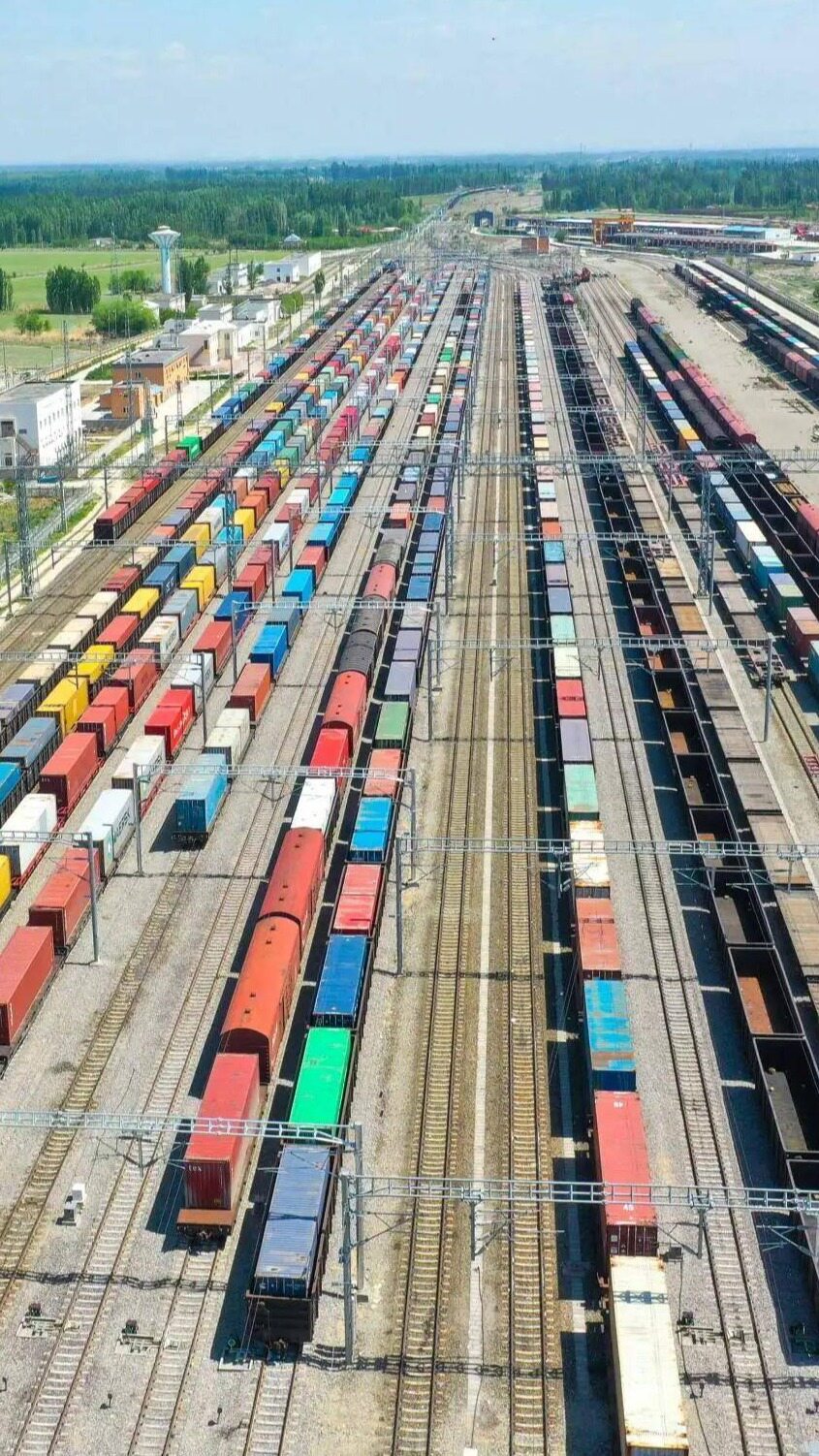
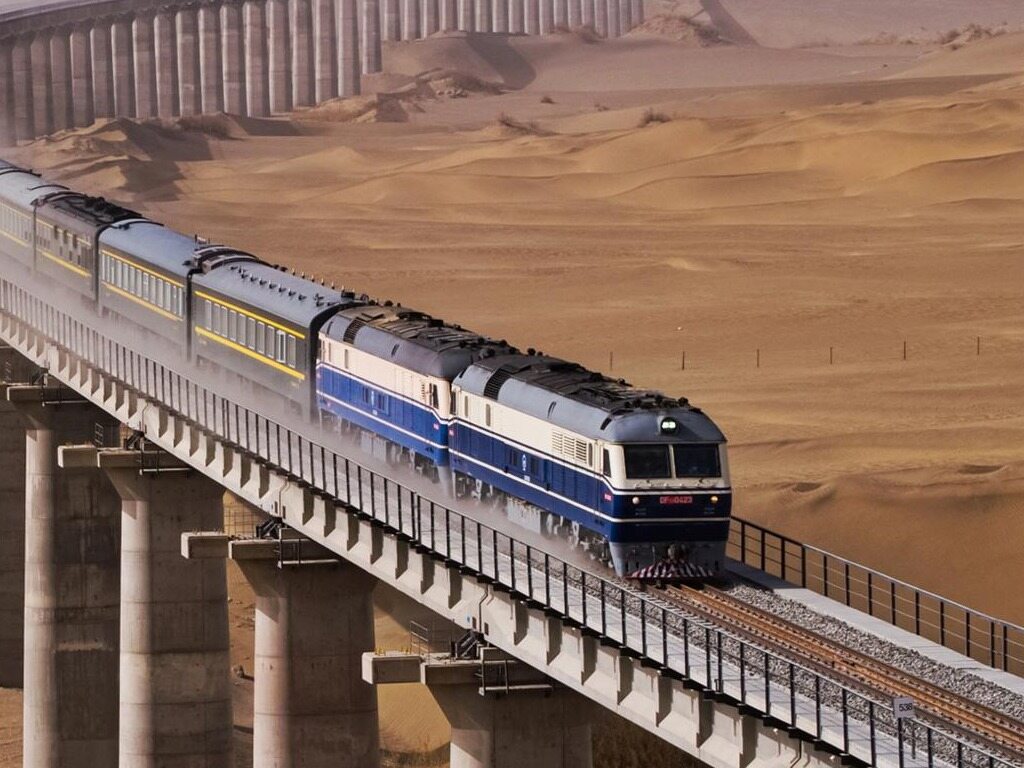
On the Jinghuo railway line at the foot of the North Tianshan Mountain, the China Europe train is moving steadily westward against the westerly wind. On October 13, 2026, the survey and design bidding for the three lines of Lixian Zhangjiajie high-speed railway, Jinghe Khorgos railway expansion and reconstruction, and Lincang Puer railway launched by the State Railway Group was officially announced, which marks the full start of the national level preparatory work of the three lines and lays a solid foundation for the official commencement of the 15th Five Year Plan period.
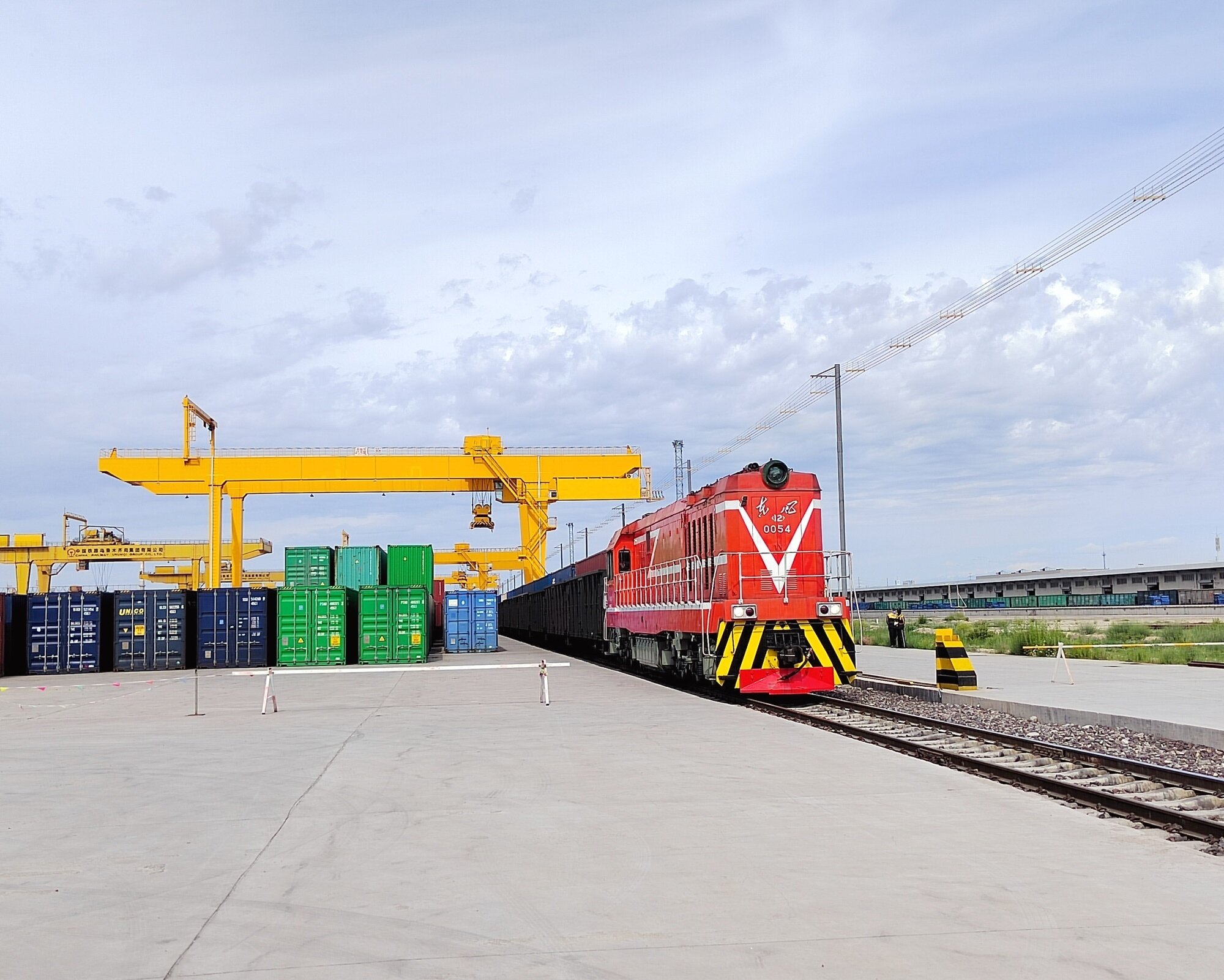
Xinjiang port trunk line capacity expansion to complement Khorgos transport capacity
The Jinghe Khorgos Railway Expansion and Reconstruction Project was previously issued by Urumqi Railway Bureau Group with a full set of design bidding in 2023. At that time, it was only in the stage of railway bureau level promotion. The subject of this bidding was directly upgraded to China Railway Group, and the project was officially transferred to the national level promotion process. Jinghuo Railway was completed and opened to traffic in 2010. It is a Class I single track electrified railway of the national railway. Starting from Jinghe Station of Lanzhou Xinjiang Railway, it crosses the North Tianshan Mountains and goes west along the Ili River Valley to Khorgos Port. The total length of the whole line is about 287 kilometers. It is the only railway trunk line at Khorgos Port.
In the first eight months of 2026, there will be 12473 trains running at the two railway ports of Khorgos and Alashankou. The bottleneck of transportation capacity in the direction of Alashankou has been completely solved by the construction of the second line from Jinghe to Alashankou, which will be put into operation in 2023. However, the single line transportation capacity in the direction of Khorgos is close to saturation. Combined with the Yining Aksu Railway, which will start construction in June 2026, the passenger and freight volume of the Ili River Valley will continue to flow into the existing Jinghuo Railway, and the pressure of single track transportation will further increase. In the reconstruction project, the Jinghe Yining section will be built with a second line of about 205 kilometers, with a design speed of 160 kilometers per hour. The Yining Khorgos section will not add a main line of 74 kilometers, only four new passing stations will be set, and the stations and supporting systems along the line will be reconstructed synchronously. The project has been included in the draft of Xinjiang's comprehensive transportation planning for the 15th Five Year Plan, and is expected to officially start in the middle and later period of the 15th Five Year Plan.
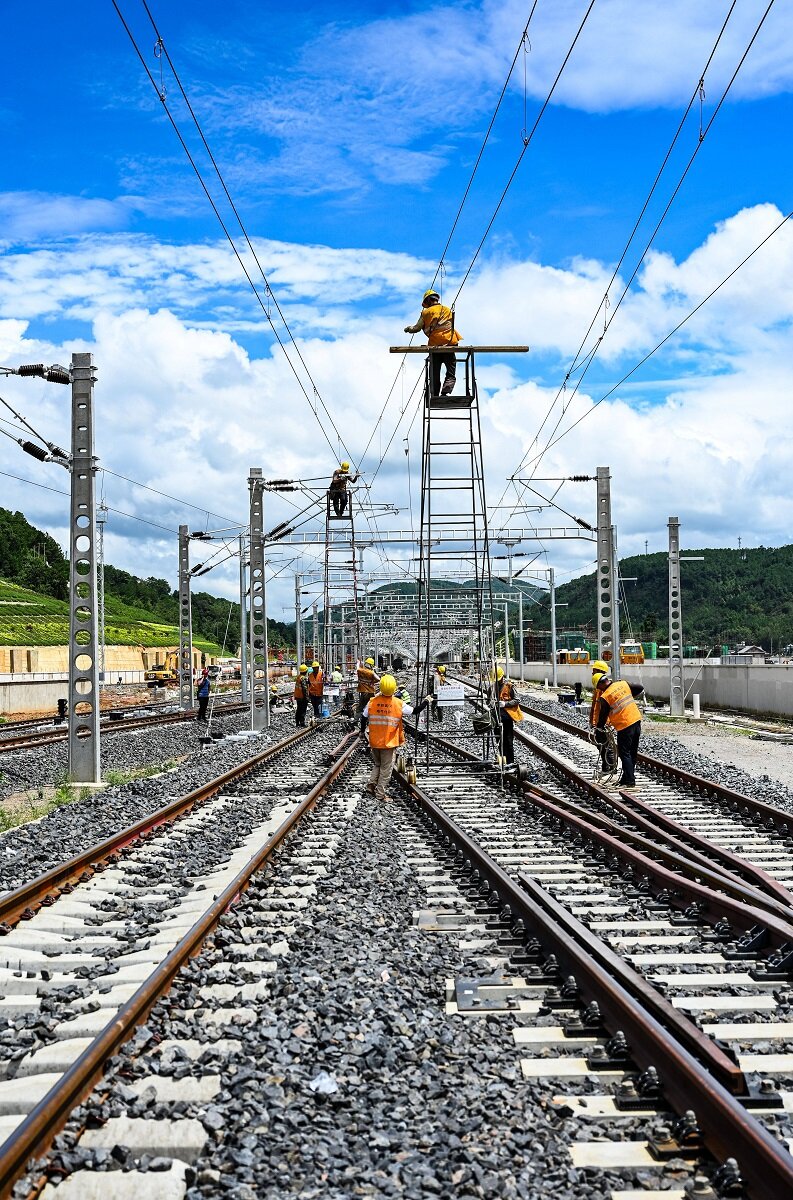
Yunnan horizontal channel opens up the breakpoint of Lincang Pu'er road network
The Lincang Pu'er Railway was previously in the planning and research stage for a long time. With the completion of the national railway centralized bidding, the candidate for winning the bid has been announced, officially upgrading from a provincial-level reserve project to a national level promotion project. In the current Yunnan railway network, Dalin Railway has been opened to traffic, and the whole line of the China Laos Railway runs through Vientiane, but the horizontal railway channel between Lincang and Pu'er is always blank. If you want to access the China Laos Railway from Lincang, you must bypass Kunming, and the transportation distance has been greatly extended.
This newly built line, with a total length of about 150 kilometers, is a Class I mixed passenger and freight electrified railway of the national railway, with a design speed of 160 kilometers per hour. It leads from Lincang Station, crosses the Lancang River, passes through Jinggu County and Ning'er County, and finally connects to Ning'er Station of Yumo Section of the China Laos Railway. After the completion of the project, the Dalin Railway and the China Laos Railway will be directly connected in Yunnan. The goods in Lincang can go south along this channel to the Indochina Peninsula, and Dali to Pu'er and Xishuangbanna will not need to bypass Kunming. The transportation efficiency of the horizontal railway in southwest Yunnan will be improved qualitatively. The two lines still need to complete a series of stages such as feasibility study approval, land pre-approval, environmental impact assessment, and land acquisition and demolition. The final construction nodes will be determined according to the pace of each stage, and both are expected to be officially implemented during the 15th Five Year Plan period. Keywords: railway capacity expansion and renovation, railway
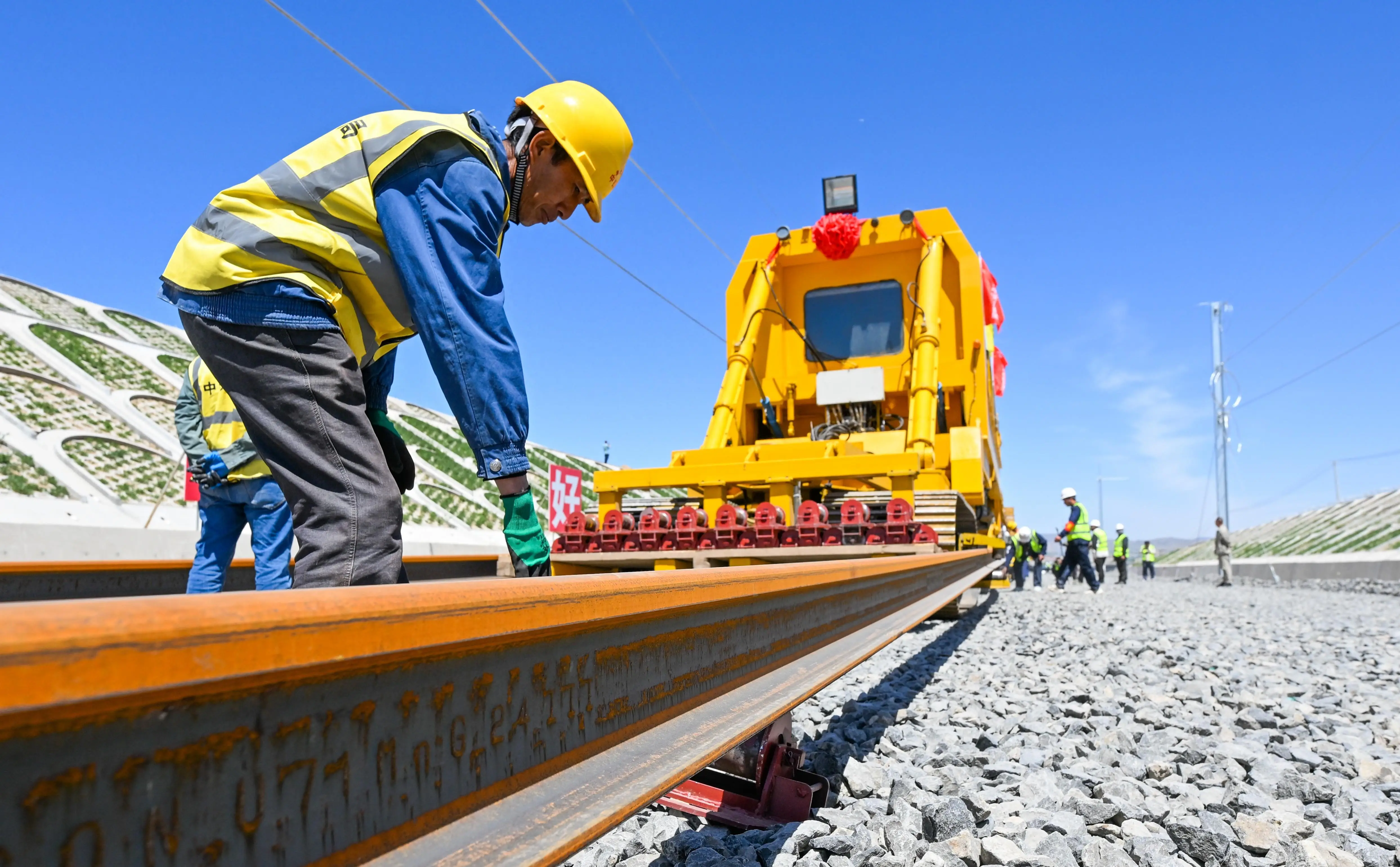
The preliminary work of the two railways from the northwest port to the southwest border has been fully accelerated, and two key road network gaps are being filled for the railway construction map of the 15th Five Year Plan.Editor/Cheng Liting
Comment


 Praise
 Collect
 Comment

 Share


Write something~