 Search


- Chinese civil engineering team up with Middle Eastern company to win $2.7 billion underground structure bid for Dubai's new airport
- Marking the main construction of a $35 billion super airport, China Construction stands at the center of the global aviation hub construction stage
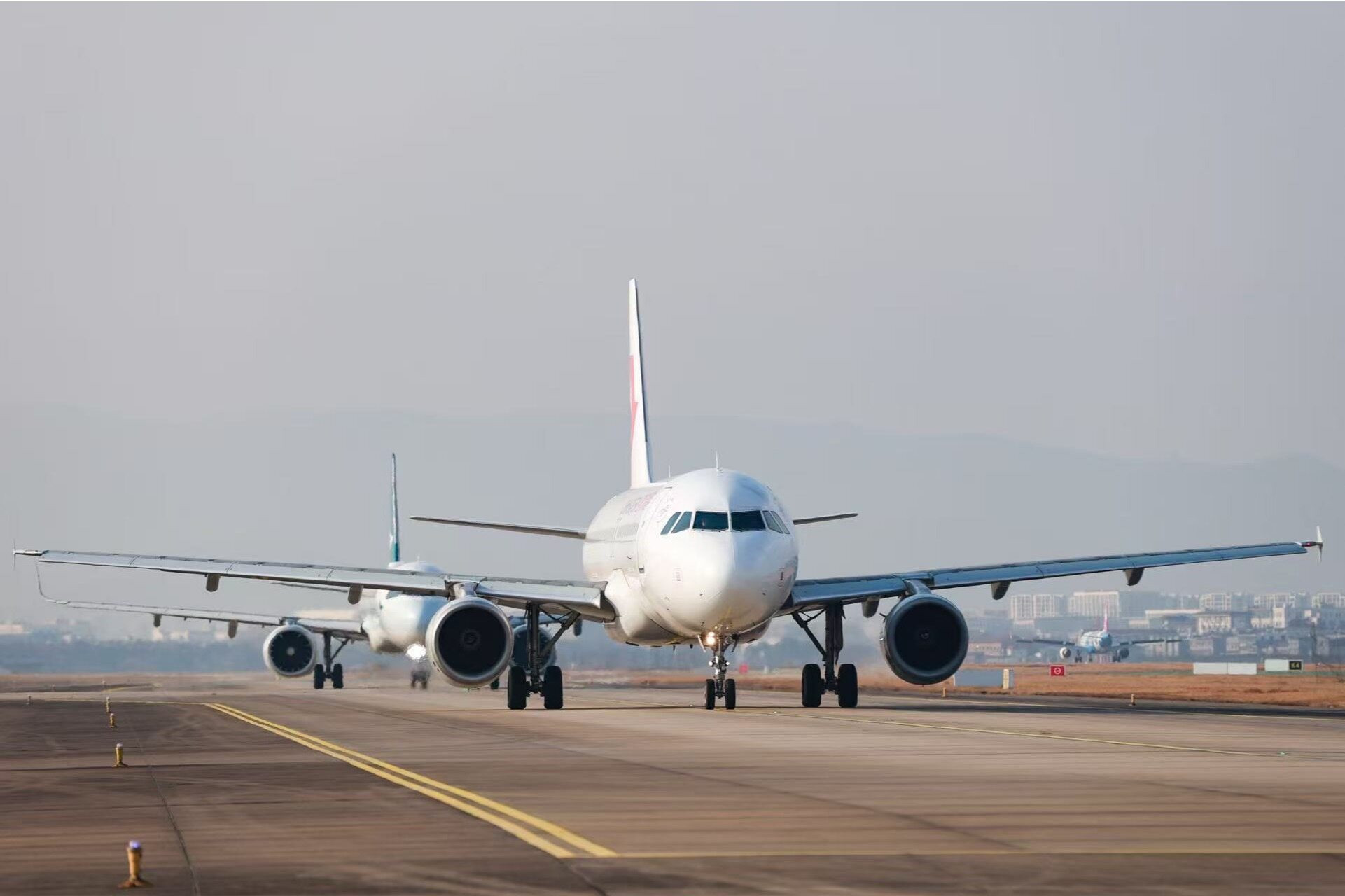
In the desert south of Dubai, a land five times larger than Dubai International Airport is awakening. Over the past fifteen months, more than ten million working hours have been invested on the construction site, 17000 concrete piles have been driven underground, 45 million cubic meters of soil have been removed, and the second runway has been completed. On this scorching sand sea, a heavyweight contract was struck.
China and Arab countries join forces to win a large order
The joint venture between China Civil Engineering Group Co., Ltd. and Tristar Engineering&Construction in Abu Dhabi has won the underground structure contract for the West Terminal of Dubai Al Maktoum International Airport, with a total amount of 10 billion dirhams, approximately 2.7 billion US dollars. The Dubai Aeronautical Engineering Authority stated that the award of this contract marks the beginning of the main construction phase of the $35 billion expansion project at Al Maktoum International Airport.
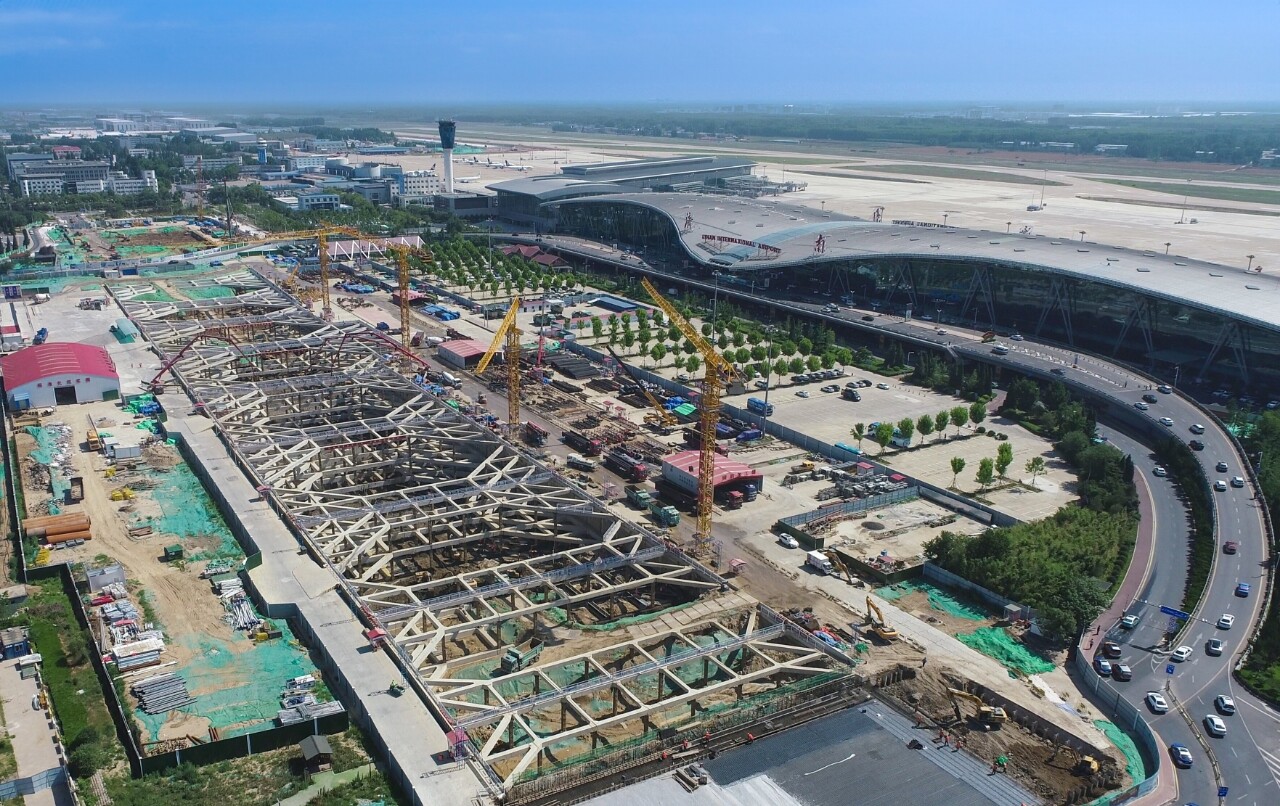
The project content is not easy: foundations, underground walls, columns, basements and ceilings, apron slabs and tunnels, as well as structures and spaces reserved for automated passenger rapid transit systems and baggage handling systems. A set of hard bones such as deep excavation, pile driving, and temporary dewatering have to be gnawed on.
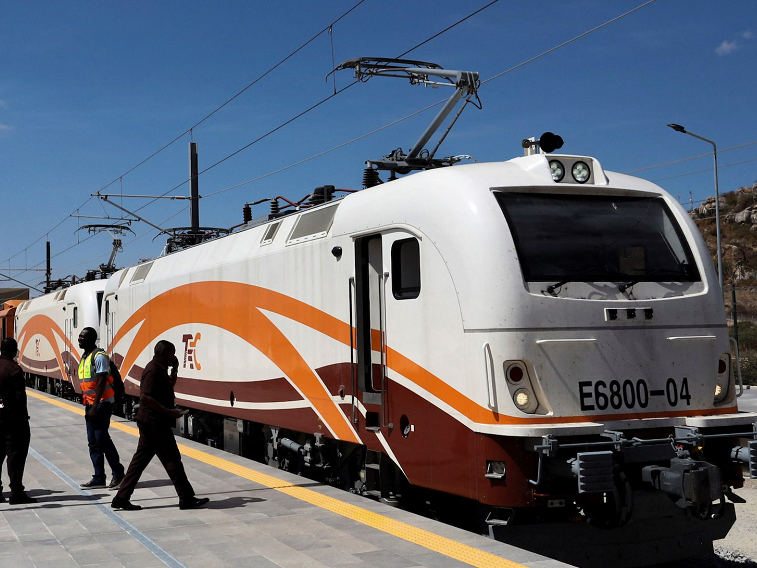
The China Railway Construction Corporation (CRCC), which won this order, is a subsidiary of China Railway Construction Corporation (CRCC). Its predecessor was the Foreign Aid Office of the Ministry of Railways, and the Tanzania Zambia Railway was its iconic starting point. Today, its business covers more than 110 countries and regions around the world, and it consistently ranks among the top 100 international contractors worldwide. This time, teaming up with local companies in Abu Dhabi, one with technical and large-scale engineering experience, and one familiar with local regulations and market environment, is a typical complementary advantage.
Super Terminal Appears
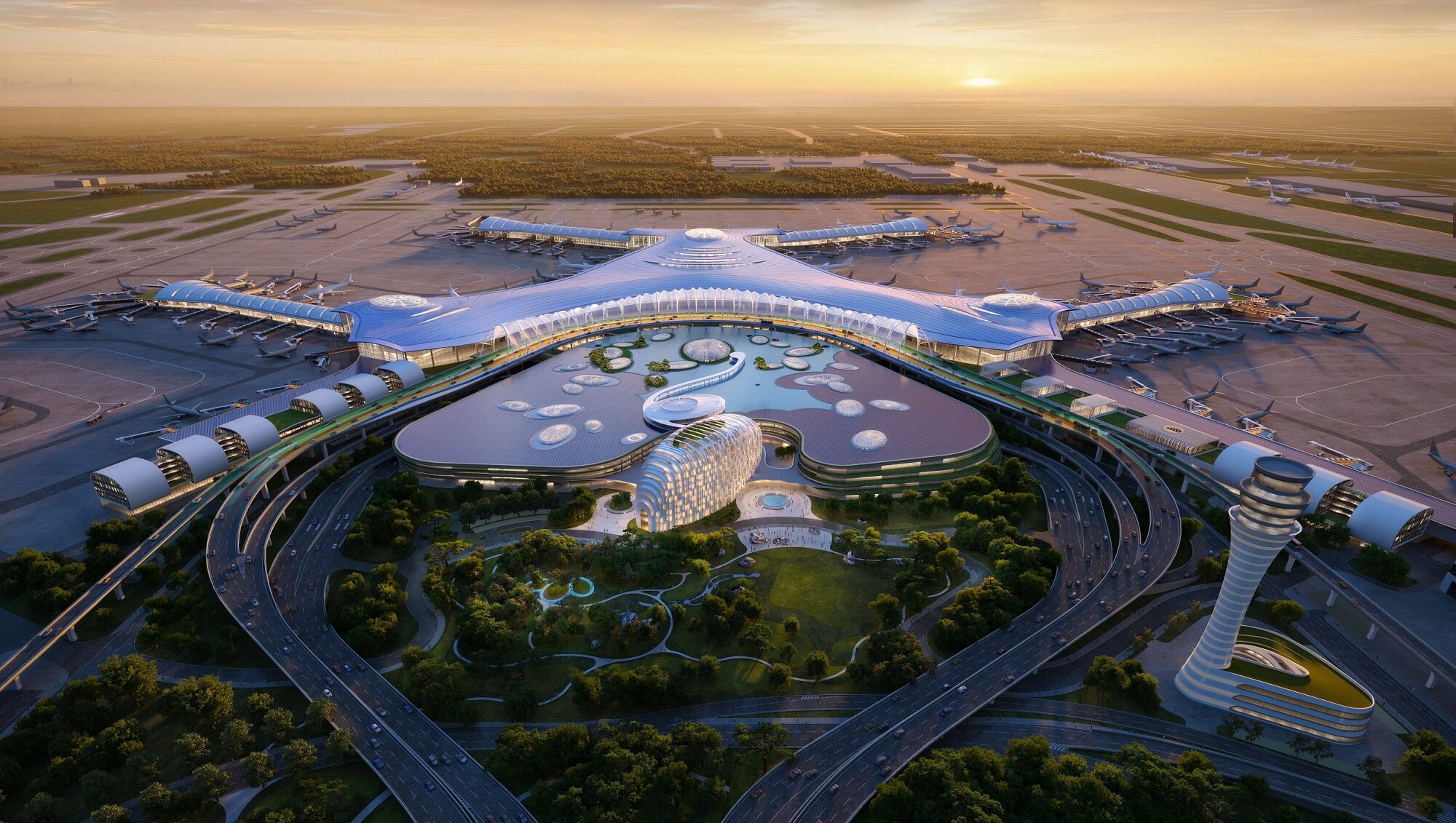
The West Terminal has seven floors and a construction area of 800000 square meters. After completion, the annual passenger throughput can reach 45 million, making it the second of the three planned terminals for the airport. Its connection to the airside relies on an automated passenger rapid transit system, with 14 stations set up at full capacity during construction.
Earlier this year, Dubai Aeronautical Engineering Authority awarded a $1.5 billion passenger rapid transit contract to a joint venture between Mitsubishi Corporation and Larson&Co, covering the first phase of four underground stations. The current contract awarded also includes preliminary engineering, second runway, initial structural foundation, and underground structure of the hall.
Turning the camera away, the overall plan for this airport covers an area of 70 square kilometers and is located south of Dubai. It will have five parallel runways, two terminals, seven halls, and 430 aircraft parking spaces. It aims to accommodate the upcoming peak passenger flow at Dubai International Airport, as well as the city's growth ambitions for the next few decades.
The follow-up bulk orders are still on the way
The underground structure of the West Terminal is just the beginning. The engineering package yet to be tendered includes the upper structure, fourth hall, luggage handling system, as well as exterior facade and roof works. The owner has made it clear that they will continue to award multiple batches of contracts with a considerable total amount within the year, covering areas such as upper structures, large-span structural frameworks, substations, and regional cooling.
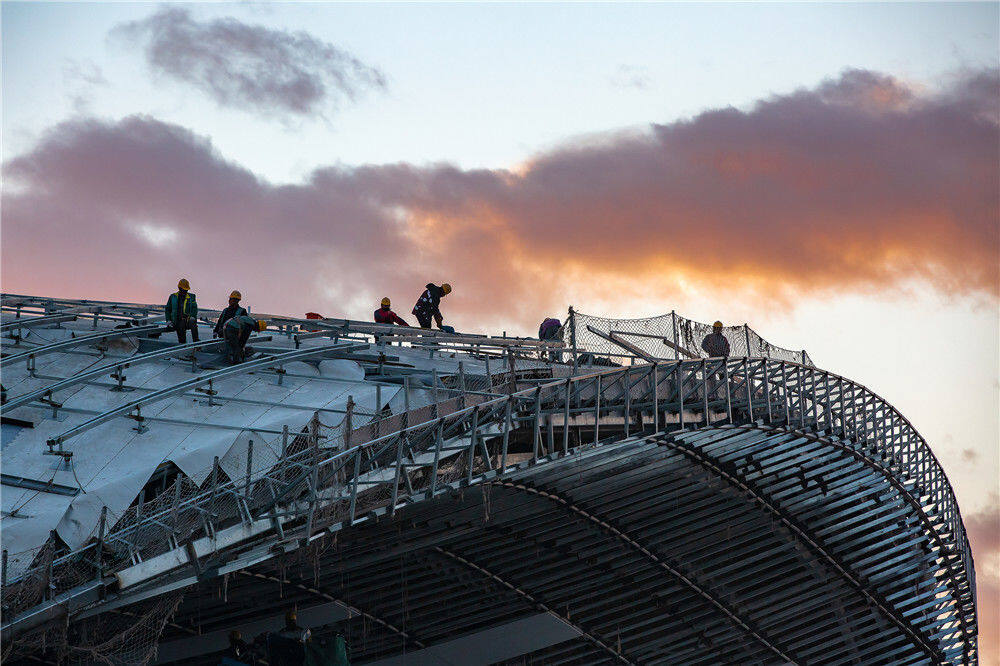
The pace on site is also accelerating. At present, there are about 9000 workers on the construction site, and with the synchronous promotion of the terminal, lobby, and various systems, the peak number of workers will climb to 120000. For the joint venture that has already stepped into the foundation, the completion of the underground structure coincides with the bidding for the upper structure, and the first mover position is already in hand.keywords:Engineering infrastructure
From the Tanzan Railway to the desert airport by the Persian Gulf, the coordinates of Chinese construction are changing, but the task of stabilizing the piles and solidifying the foundation has never changed.Editor/Yang Meiling
Comment

 Praise
 Collect
 Comment

 Share
Share


Write something~