 Search


- Kazakhstan uses three strategies to expand ports, speed up corridors, and streamline regulations
- Transforming the geographical shortcomings of landlocked countries into growth dividends for Eurasian transit, and rewriting the regional trade pattern accordingly
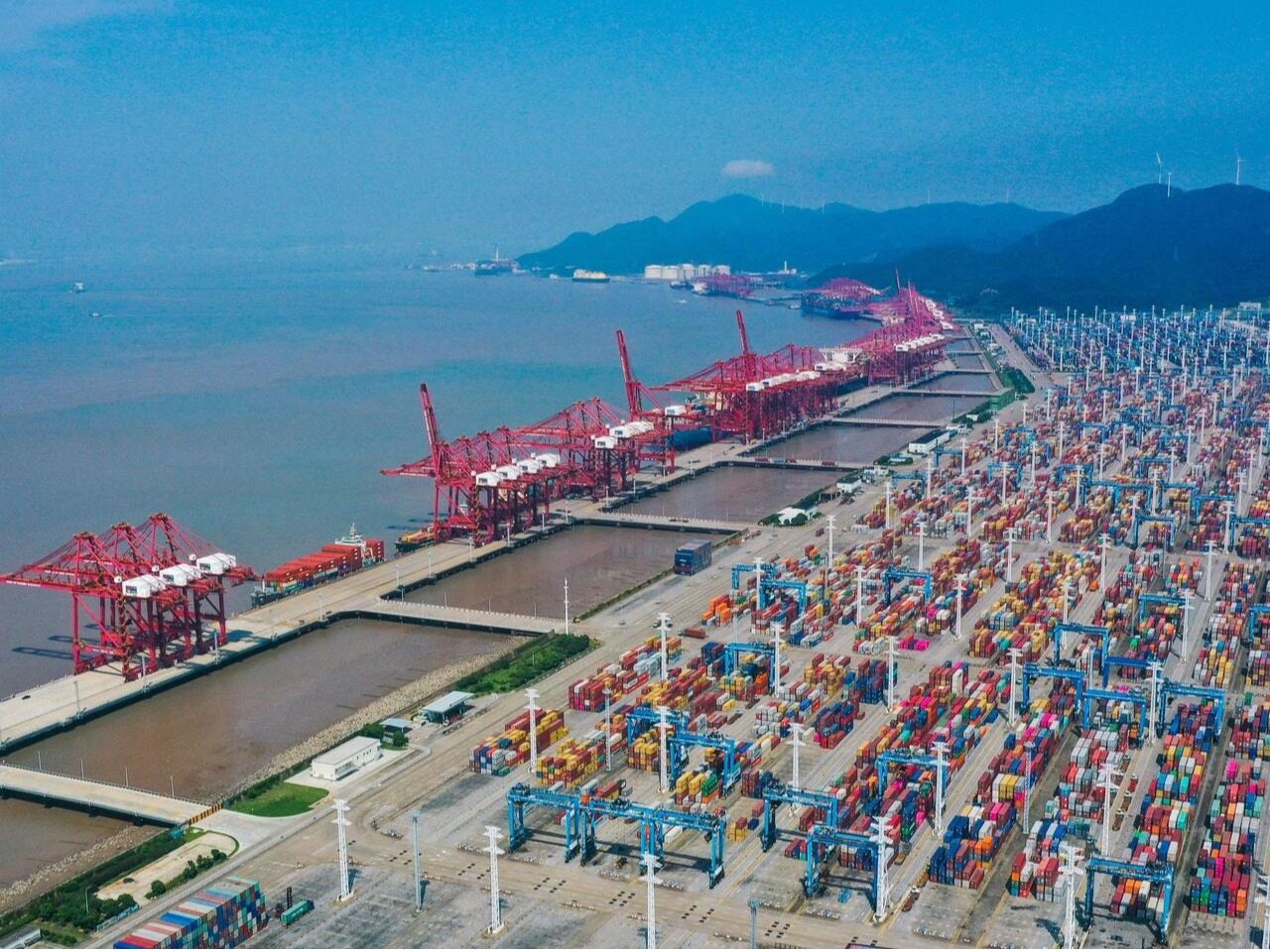
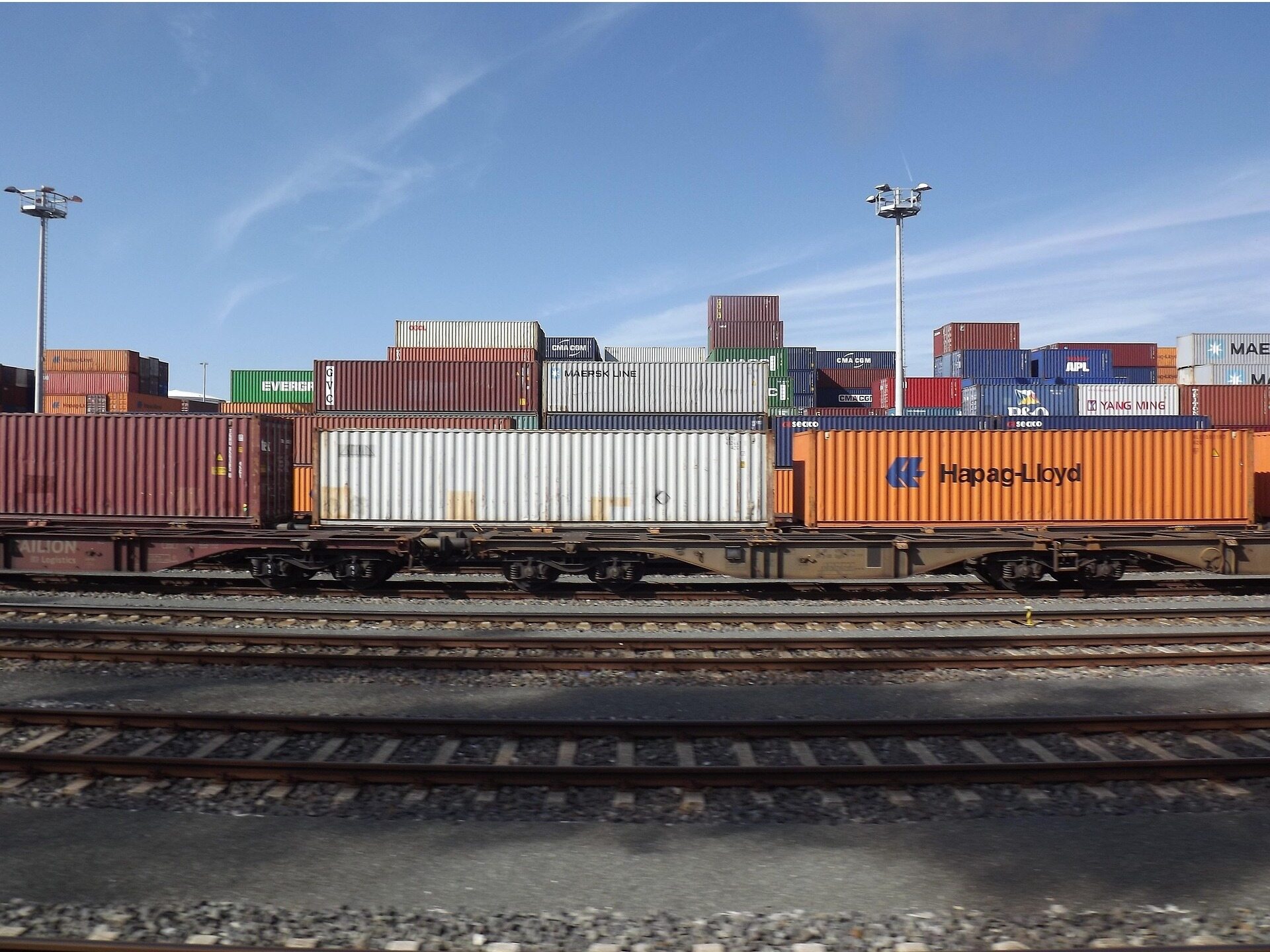
In the early morning on the east coast of the Caspian Sea, the sound of the whistle arrived before the sunshine. A container train loaded with Chinese goods slowly entered the first phase of the Aktau Port container hub operation area. The gantry crane fell and lifted, and the boxes were loaded onto the ship, waiting to cross the Caspian Sea. This scene occurred in July 2026 and is almost a facet of Kazakhstan's changes over the years: a deeply inland country gradually turning itself into a transit hub for the Eurasian continent.
It is this ambition that brought industry experts from about 40 countries to Astana. As part of Kazakhstan Transport Week, unleashing the potential of the transportation and logistics industry has become a core topic. How to coordinate railways, highways, sea and air transportation, how to implement digital solutions, how to improve international freight efficiency, and how to cultivate industrial talents have all been put on the table. Heads of transport departments of Azerbaijan, Armenia, Afghanistan, Belarus, Georgia, Iran, Kyrgyzstan, Pakistan, Russia, Turkmenistan, Türkiye, Uzbekistan and the Czech Republic were present, and representatives of international organizations, large transport and logistics enterprises and diplomatic missions were present.
From landlocked countries to seaports
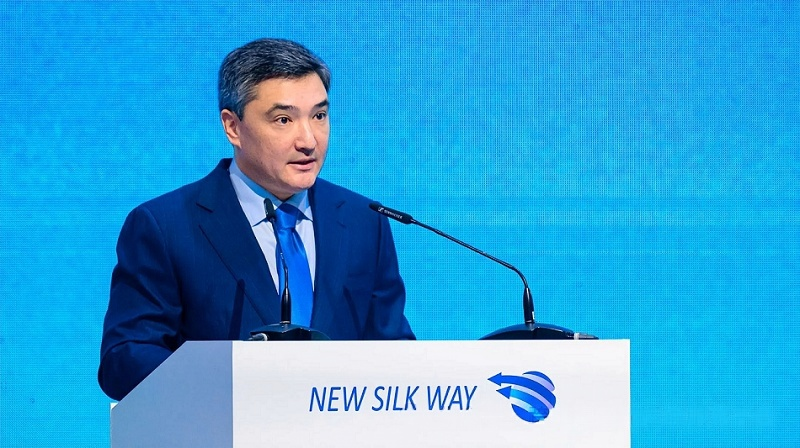
Kazakhstan's Prime Minister Orzas Bektenov emphasized at the meeting that President Kassem Jomart Tokayev has listed the development of transportation and logistics potential as one of the national strategic priorities. He cited the World Bank's estimate that combining infrastructure investment, trade facilitation, and reducing border delays could lead to a GDP growth of approximately 15% for each country. From the data, it can be seen that this industry is indeed ahead - according to the performance of the first nine months of 2026, the transportation industry has a growth rate of 7.2%; By the end of 2025, the transit transportation volume will increase by 18%, reaching 39.1 million tons. According to the plan of the Ministry of Transport, by 2035, the port capacity will increase fourfold, the fleet capacity will increase fivefold, and the transit transportation volume will increase to 100 million tons per year.
From single port to dual port collaboration
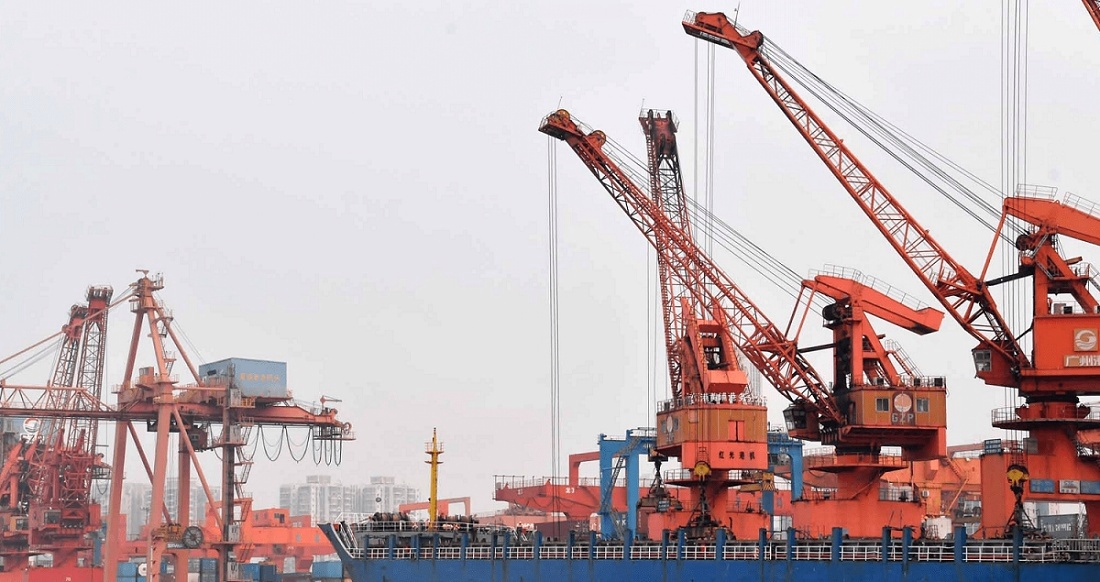
The goal needs to be carried by the port. Two major projects are being promoted in the direction of the Caspian Sea: the Aktau Port Container Hub and the Kulik Port Multi functional Marine Terminal Salza, both of which are included in the Aktau Port Economic Zone. The former is jointly funded, constructed and operated by Lianyungang Port Group and Harbin partners. The first phase has been put into operation with an annual processing capacity of 140000 TEUs, and the second phase is planned to be implemented from 2027 to 2028, increasing to 240000 TEUs by then; It forms a three hub integration with China Kazakhstan Lianyungang Logistics Cooperation Base and Khorgos East Gate Dry Port. Goods leave China, arrive at the port by railway, cross the Caspian Sea to Baku, and then enter Türkiye or Europe via Azerbaijan and Georgia. The latter has also made new progress. China Guoyou Materials Group has signed an agreement to invest about 1 billion US dollars to build the first phase of the Kurek Port multifunctional terminal, with a throughput capacity of up to 15 million tons after completion. The Trans Caspian International Transport Corridor, which was once driven by geopolitical changes, has seen its freight volume increase from 800000 tons in 2020 to 4.5 million tons in 2024. However, the declining sea level and insufficient ship capacity in the Caspian Sea remain bottlenecks that need to be resolved.
From road construction to establishing rules
Beyond hardware are rules. In the past 7 years, Kazakhstan has built and repaired 36300 kilometers of roads, completed the construction and modernization of 5000 kilometers of railways, and simultaneously promoted border, maritime, and airport infrastructure. The aviation safety level has reached 95.7%. Bektenov called on all parties to pay attention to the connection between the east-west and north-south transportation corridors and the trans Caspian and trans Afghan routes, with a focus on eliminating infrastructure restrictions and administrative barriers, introducing green corridors and single window principles, simplifying cross-border procedures, compressing delivery time and costs of goods, and promoting the landing of joint investment projects. According to the plan, Kazakhstan will launch five cross-border hubs from 2026 to 2027 to convert channel traffic into industry and employment.
From a train to a network, Kazakhstan is betting not only on the number of goods passing through, but also on its position in the Eurasian trade map.Editor/Yang Meiling
Comment




 Praise
 Collect
 Comment

 Share


Write something~