 Search


- New Tashkent is transforming from a residential area into a green economic center that combines industry and employment
- Open up new growth opportunities for Uzbekistan
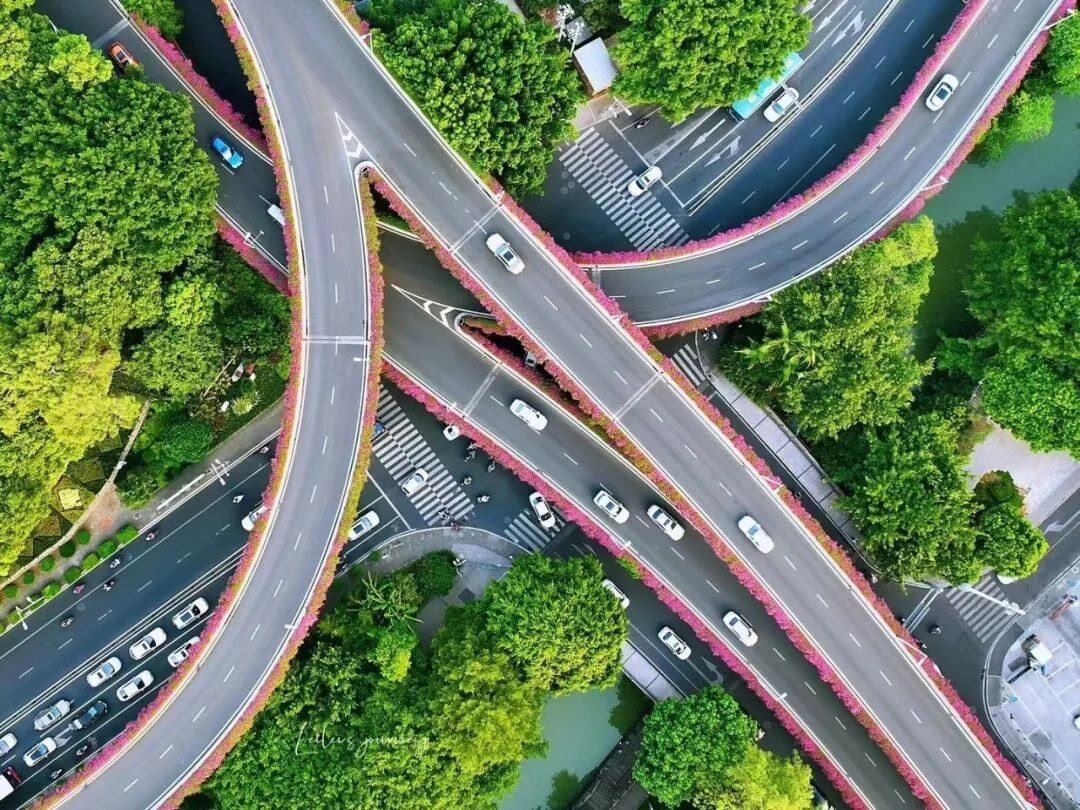
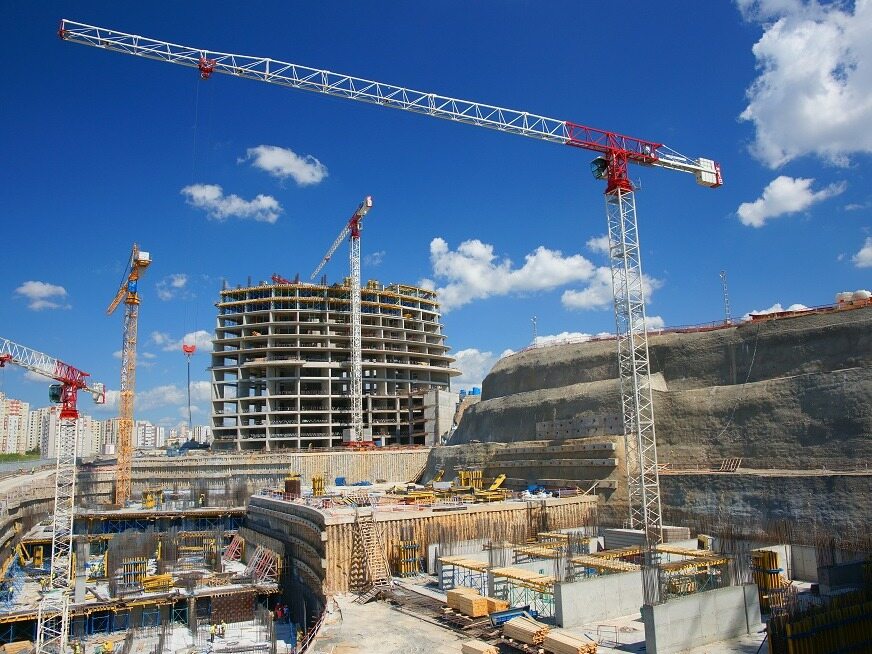
On the banks of the Chilchik River in the early morning, there are already morning runners on the newly built 10 kilometer pedestrian and bicycle path in Sohirbogi Park. A few steps away, about 7000 apartments in the first phase of the Schalke Bahori residential complex are gradually being handed over to residents. Children can walk to the new high school that can accommodate 2000 students, and the heating and cooling of their homes come from the newly put into use cogeneration power plant. Three years ago, this was still an empty land in the eastern suburbs of Tashkent. Now, Uzbekistan's President Mirziyoyev is presiding over the facility delivery and project launch ceremony in New Tashkent, with seven facilities worth $1 billion officially put into use and 10 new projects worth $2.5 billion breaking ground.
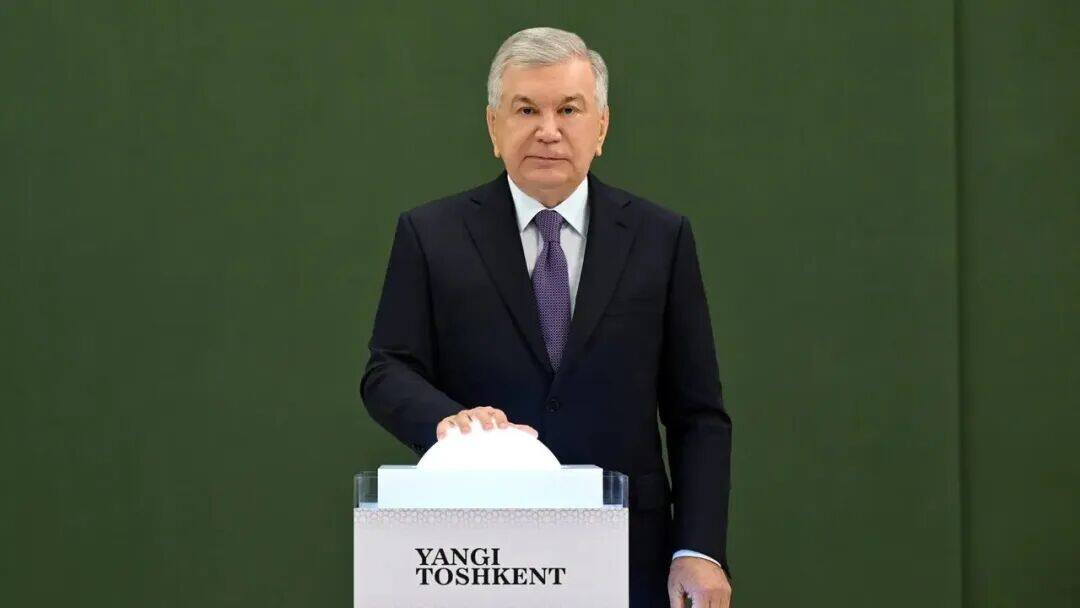
Delivery and commissioning of seven facilities
This batch of facilities covers residential, energy, transportation, and public facilities. In addition to the first phase of the Schalke Bahori residential complex, roads, and infrastructure, it also includes the New Tashkent First Substation, the Combined Cooling, Heating, and Power Plant, the Chamber of Commerce Building, Sohirbogi Park, and the 2000 person high school. Among them, the triple generation power plant with a cost of US $73 million was built by Türkiye enterprise MIMSAN, which can provide heat and cooling for 100000 households and generate electricity at the same time; The substation and high-voltage power grid project is implemented by Chinese enterprise Haocheng Industrial Group Co., Ltd., with a value of 95 million US dollars. Underground also grows synchronously: 18 kilometers of highways, 13 kilometers of sewage pipelines, and 4.5 kilometers of drinking water pipelines have been built in the region.
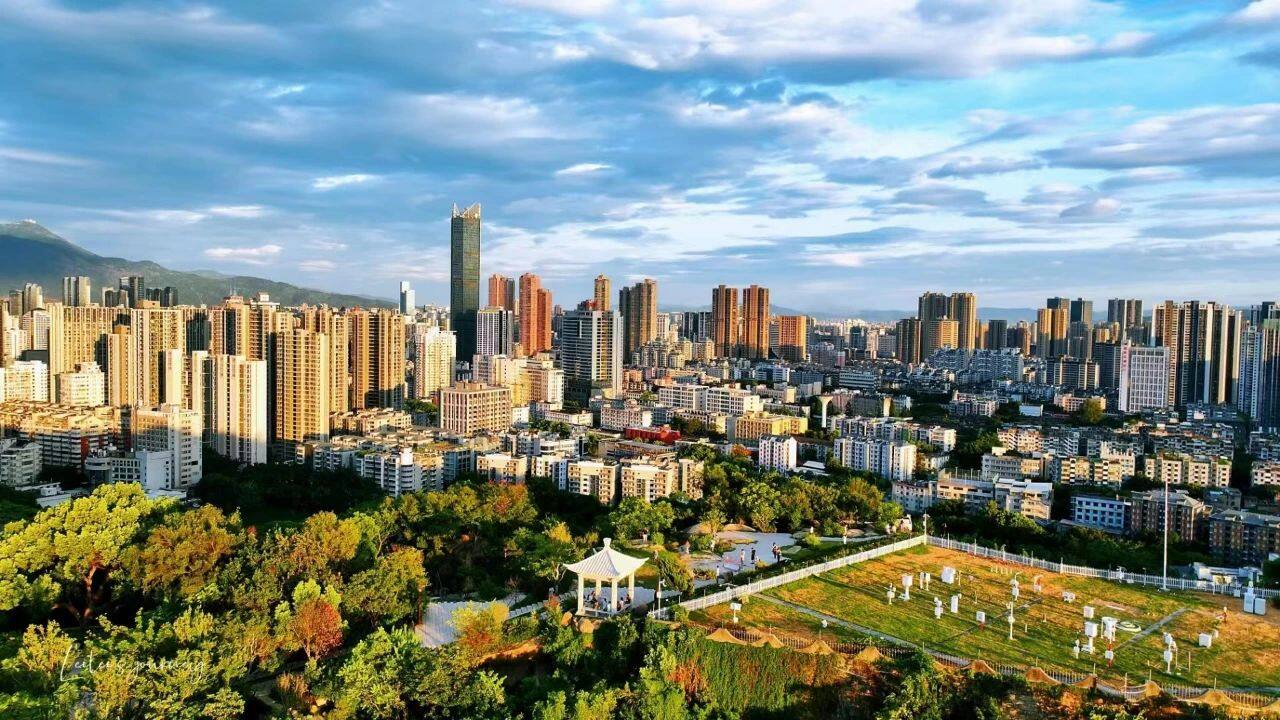
New project betting on high-tech
The 10 newly launched projects will introduce partners from China, Türkiye, the United Arab Emirates and other countries. The most striking one is the deep science and technology park with an allocation of 320 million dollars. This professional industrial zone is aimed at high-tech manufacturing and semiconductor production, and is expected to have projects worth a total of 1.7 billion US dollars settled in the future. Green is another main line: the garbage collection and treatment system in cooperation with Finnish company MariMatic can convert waste into green electricity, and a photovoltaic system with a total capacity of 20 megawatts will also be deployed on the rooftop of the apartment building. The total construction area of the commercial complex in the metropolis exceeds 818000 square meters, of which 500000 square meters are used for commercial purposes, and it is expected to create 1500 job opportunities. In addition, the Silk City, Mavji, and Marjon residential complexes, as well as the new Tashkent Central Hospital with 120 beds, are also planned.
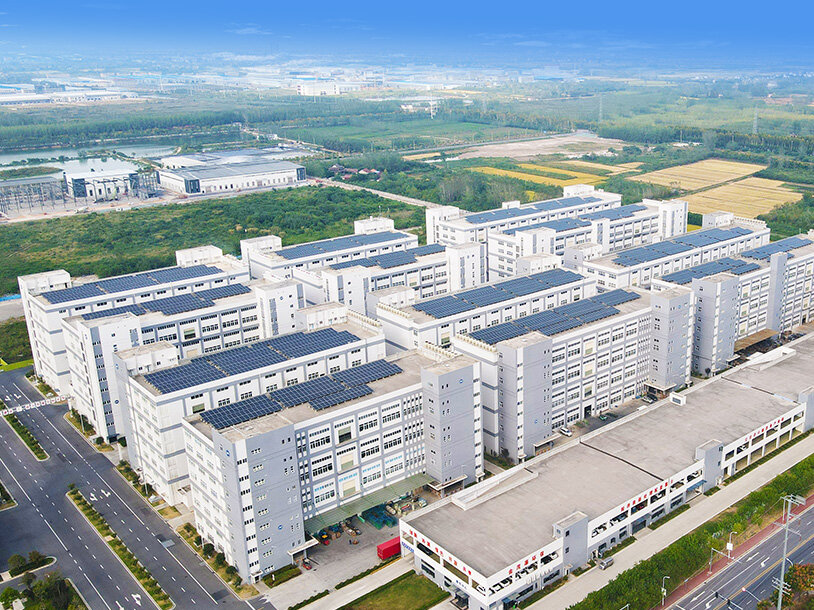
A blueprint worth 50 billion US dollars
The construction of New Tashkent began three years ago and is known as the largest urban development plan in Uzbekistan's history, with a total project amount of 50 billion US dollars planned in the first phase alone. At present, the area has completed construction work worth 2 billion US dollars, with residential buildings, universities, libraries, and circular theaters successively completed. According to the plan, 2000 hectares of green space will be built here, including 500 hectares of parks, and 150 million square meters of residential and non residential buildings will be built according to green building standards. To connect with the capital, a bridge, an overpass, and a 10 kilometer road will be built between Temur Malik Street and 4R12 highway, and an underground parking lot will be constructed near the subway station. Milziyoyev has recently repeatedly requested to accelerate the pace of approval and institutional relocation, reminding investors not to wait indefinitely. With the gradual relocation of construction, transportation, energy and other departments, this new city is transforming from a blueprint on the blueprint to a new economic engine for the most populous country in Central Asia.Editor/Yang Meiling
Comment


 Praise
 Collect
 Comment

 Share


Write something~