 Search


- The construction of high-speed rail connecting two cities will be reduced to 3 hours to facilitate integration

Recently, representatives from Russia and Belarus signed a memorandum of understanding in Minsk, the capital of Belarus. This document establishes a framework for the design, construction, and operation of the Moscow Minsk high-speed railway. A cross-border high-speed railway corridor with a designed speed of 400 kilometers per hour, from the existing 7-9 hour railway journey between the two capitals to a future arrival time of about 3 hours, is transitioning from the initial concept to the stage of survey, design, and technical solution research.
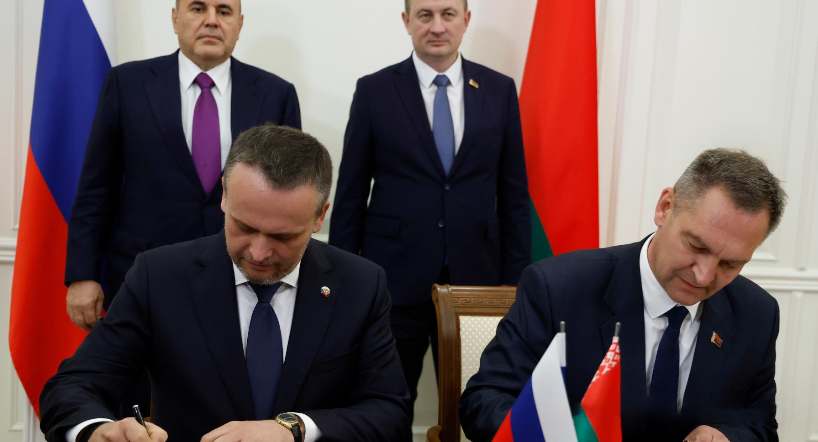
Memorandum signing and initiation stage
On October 1, 2026, Russia and Belarus signed a memorandum of understanding in Minsk regarding the construction of the Moscow Minsk high-speed railway. This memorandum is a cooperation intention document, not a formal construction contract, marking the transition of the project from the initial conception to the practical stage of survey, design, and technical solution research. According to the memorandum, joint development work will be carried out, allowing Russian Railways to begin preliminary technical and economic evaluations. Russian Railways and its Belarusian counterpart will develop technical and project arrangements before any subsequent construction decisions are made. On June 15, 2026, Russian President Putin approved the detailed plan study for launching the high-speed rail project, and Belarusian President Lukashenko also expressed support for the cross-border high-speed rail plan.
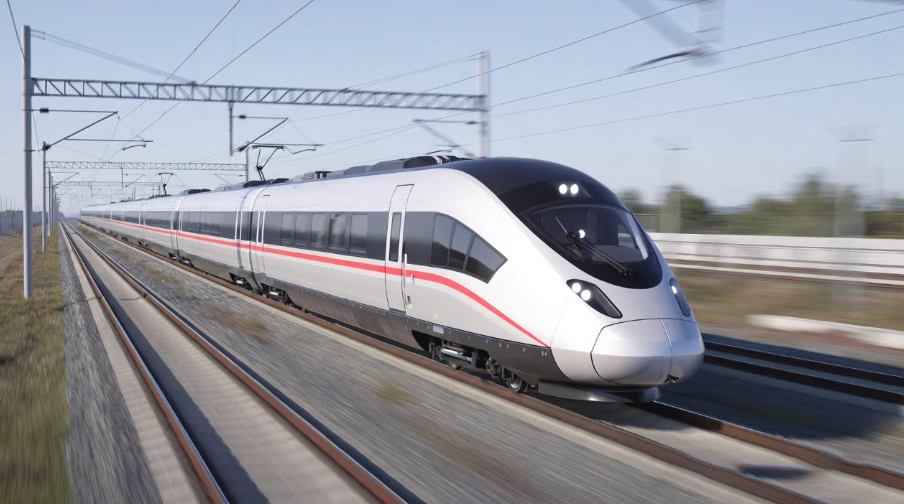
Cross border passage with a speed of 400 kilometers per hour
The project plans a dual track electrified high-speed railway with a total length of approximately 715 kilometers, passing through Smolensk, and a designed maximum speed of 400 kilometers per hour. The gauge adopts the 1520mm wide gauge commonly used by Russia and Belarus, which does not require gauge conversion and eliminates the hassle of cross-border gauge changes. It is expected that the travel time between the two capitals will be reduced to about 3 hours, while existing services require 7 to 9 hours. Russian media reported that the new line will require 21 high-speed train sets, with a preliminary estimate of an annual passenger capacity potential of 5.8 million people. The project belongs to the integrated transportation project of the Russian Belarusian Union countries. In addition to passenger transportation, the goal is to strengthen personnel exchanges between the two countries and the cross-border freight channels of the Eurasian Economic Union. Keywords: the Belt and Road news network, infrastructure, transportation, cross-border high-speed railway
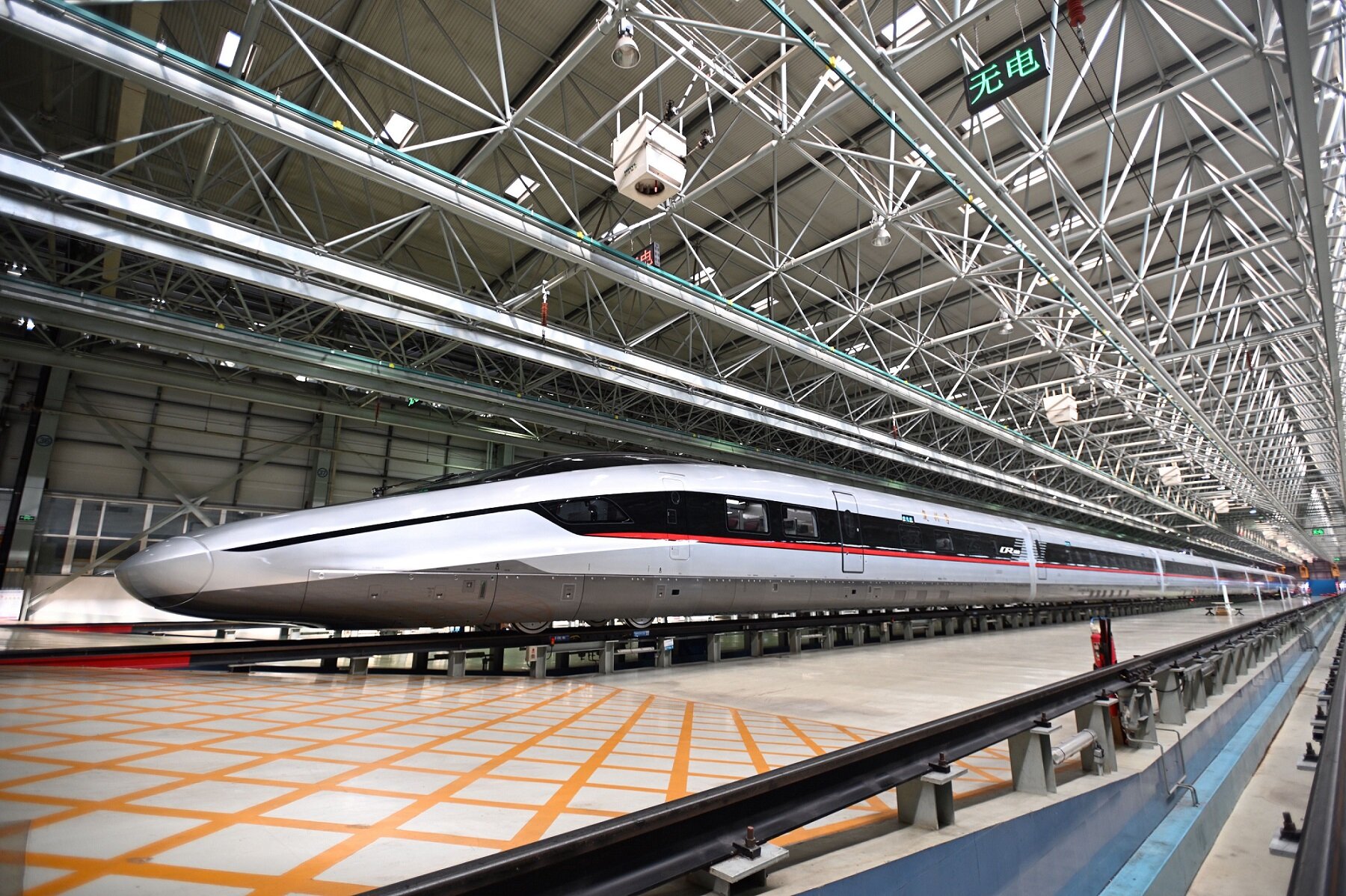
Financing and construction period still need to be clarified
The project has a huge scale of funds and the complete financing model has not yet been finalized. The investment and cost sharing mechanism need to be negotiated in the future. The route crosses the territories of Russia and Belarus and requires separate approvals for land acquisition, demolition, environmental impact assessment, and other related matters to be completed in both countries. The development plan for financial and economic models is scheduled for 2028-2029, and a clear construction schedule has not yet been set. It is expected that construction work will only begin after the completion of Russia's current priority project, the Moscow Saint Petersburg high-speed railway. The project can involve the Eurasian Development Bank in the design of financing plans, and the Russian side aims to determine the project implementation plan before 2028-2029.Editor/Gao Xue
Comment

 Praise
 Collect
 Comment

 Share


Write something~