 Search


- 400000 kW photovoltaic combined with a 100 cubic meter hydrogen production station
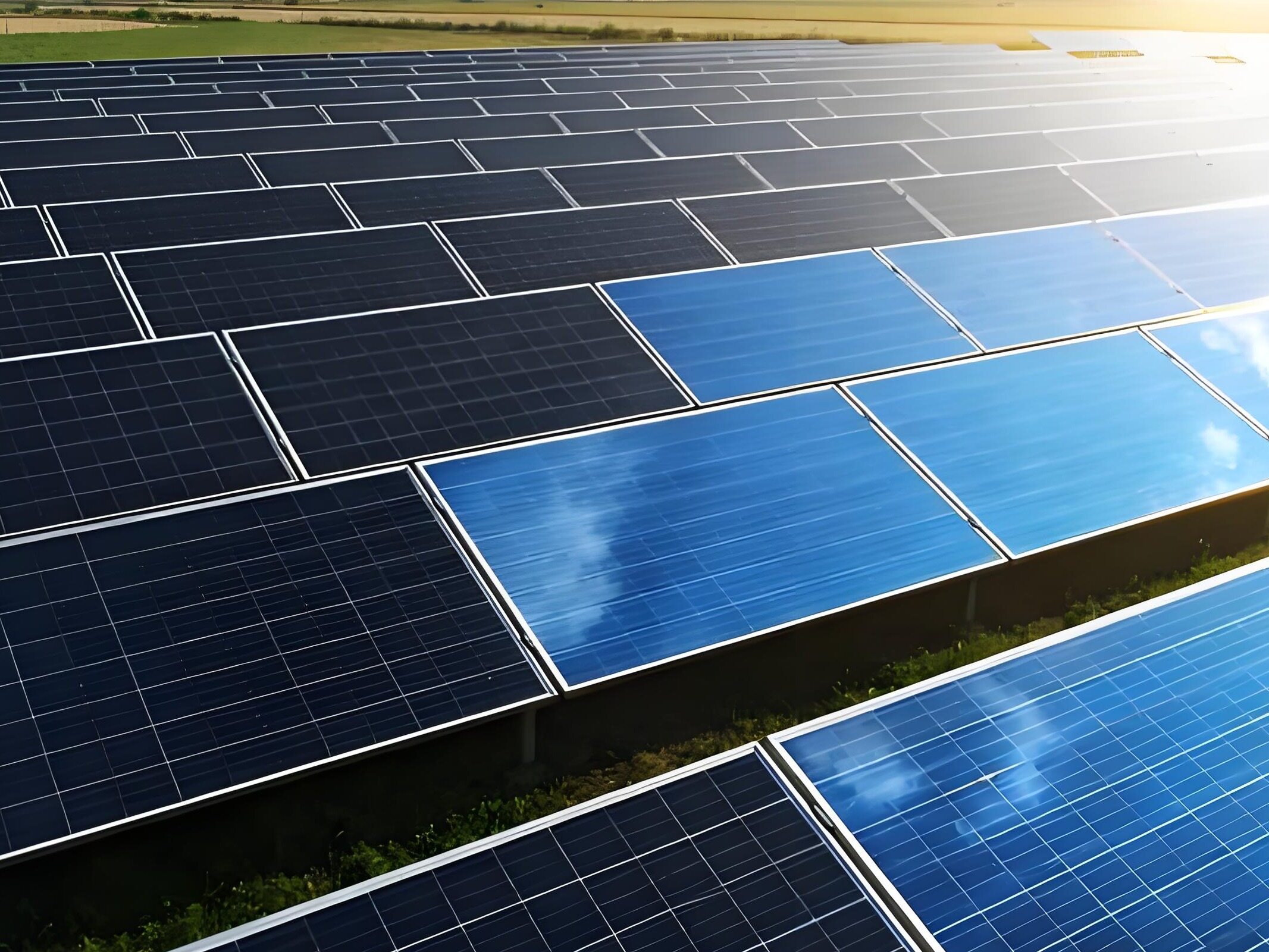
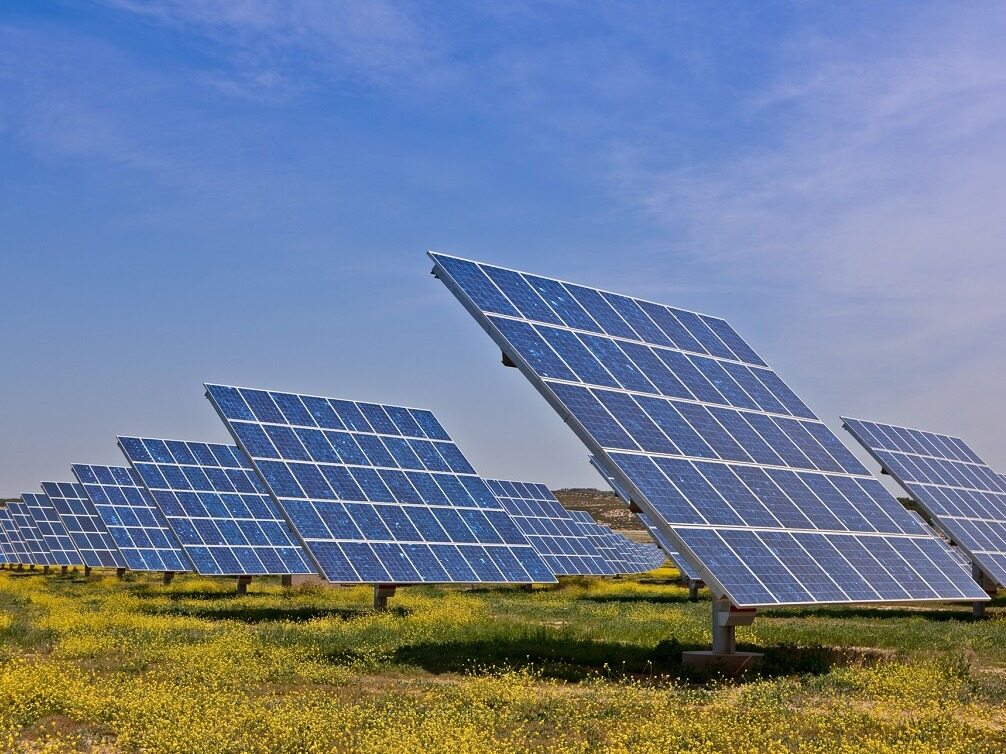
The photovoltaic panels in the coastal mudflat of Rudong, Jiangsu, spread towards the skyline against the sea breeze. In October 2026, the supporting electrochemical energy storage power station of Guohua Rudong 400 MW photovoltaic hydrogen storage integration project was officially connected to the grid and put into operation. The whole core facilities of China's largest photovoltaic hydrogen storage integration demonstration project were put into operation, and the green power development model of the coastal mudflat ushered in a new upgrade.
The full core facilities have been implemented to connect the hydrogen storage chain
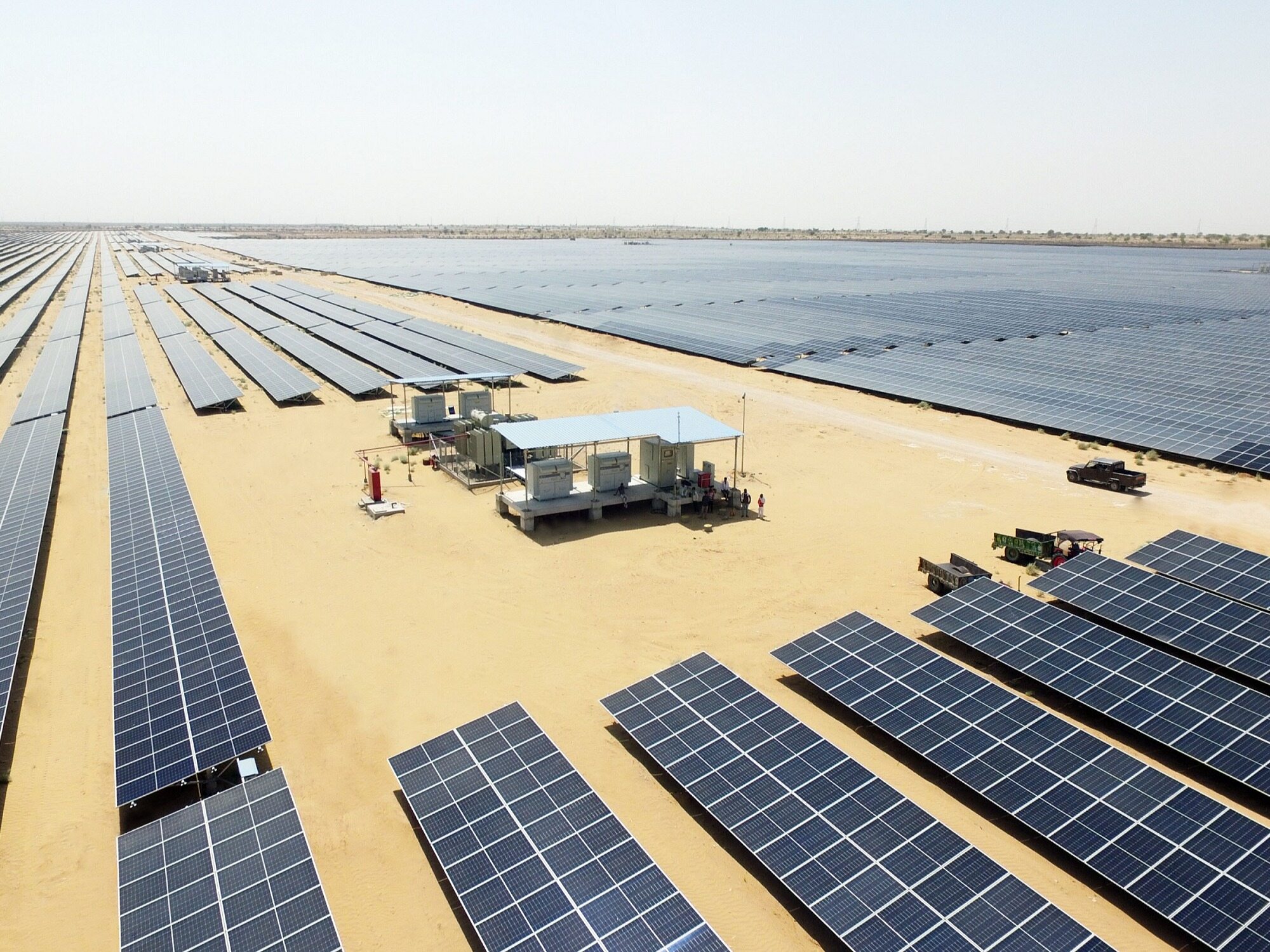
The project is located in the open mudflat area of Rudong coast, with a total installed photovoltaic capacity of 400000 kilowatts. A 220 kilovolt shore based booster station, a hydrogen production station producing 1500 standard cubic meters of hydrogen per hour, and an electrochemical energy storage station that has just been connected to the grid will be built at the same time. After all core facilities are put into operation, a complete electric hydrogen storage composite utilization system will be formed. This is also the first mudflat demonstration project in China to deeply integrate photovoltaic power generation, large-scale energy storage and green hydrogen production.
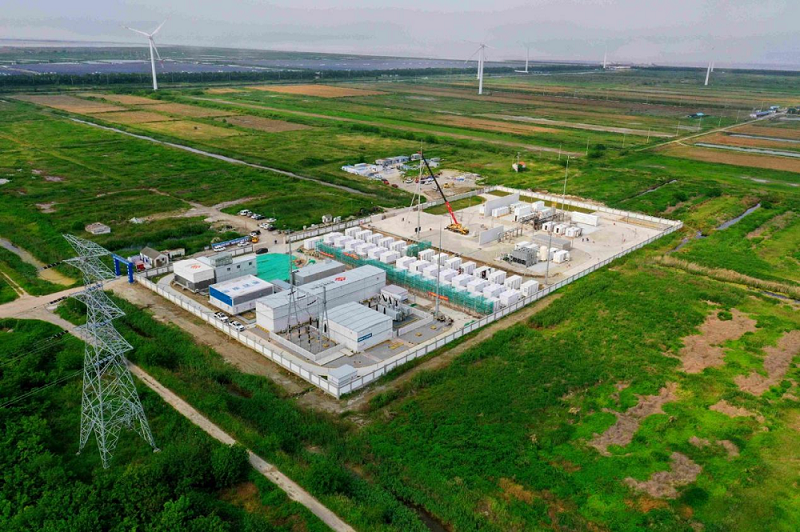
The latest grid connected monitoring data in October 2026 shows that the charging and discharging conversion efficiency of the supporting energy storage power station is stable at over 89%, which can achieve continuous full power energy storage regulation for more than 2 hours and greatly alleviate the intermittent fluctuations of coastal photovoltaics. Relying on the spatial layout of coastal mudflat, the project will simultaneously complete coastal ecological governance while developing green electricity, and achieve two-way synergy between energy development and ecological protection.
New Demonstration Path of Green Power Development in mudflat
This project is one of the few large-scale demonstration projects in China that have realized the full chain of electricity and hydrogen storage. Previously, photovoltaic development in coastal mudflat was mostly limited to a single power generation mode, and the surplus green power was difficult to be efficiently consumed. This combination scheme of light and hydrogen storage directly converts intermittent green power that could not be connected to the grid into green hydrogen products that can be stored and transported, greatly improving the overall utilization efficiency of renewable energy.
According to the project trial operation data in October 2026, during the noon time when there are sufficient light resources, the energy storage power station can store all the surplus photovoltaic power, and the part beyond the energy storage regulation capacity can be directly sent to the hydrogen generation station to be converted into green hydrogen, and the local consumption rate of green power will increase by more than 27 percentage points compared with the traditional mudflat photovoltaic project. The composite development mode of coastal mudflat explored by the project will provide directly reusable technical reference for the subsequent large-scale construction of scenery bases in China. Keywords: photovoltaic, energy storage, new energy
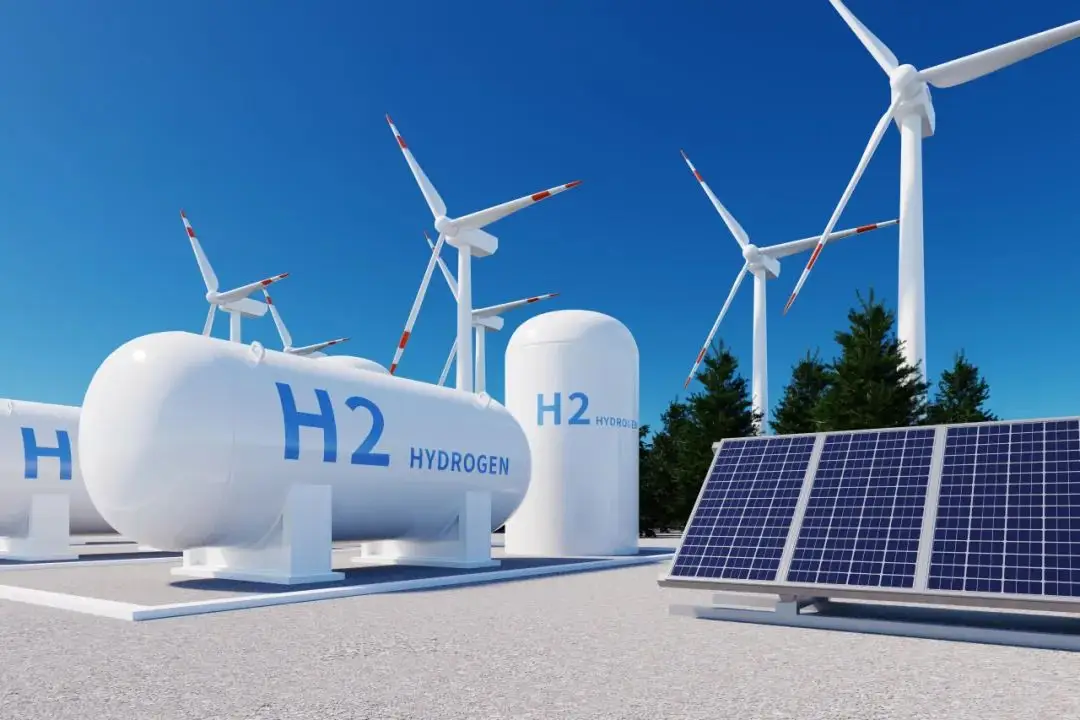
The sea wind blows through the photovoltaic panels, and the clean electric energy is smoothly sent along the line to the energy storage power station and the hydrogen production device. This coastal mudflat is continuously outputting stable and reliable zero carbon energy.Editor/Cheng Liting
Comment

 Praise
 Collect
 Comment

 Share


Write something~