 Search


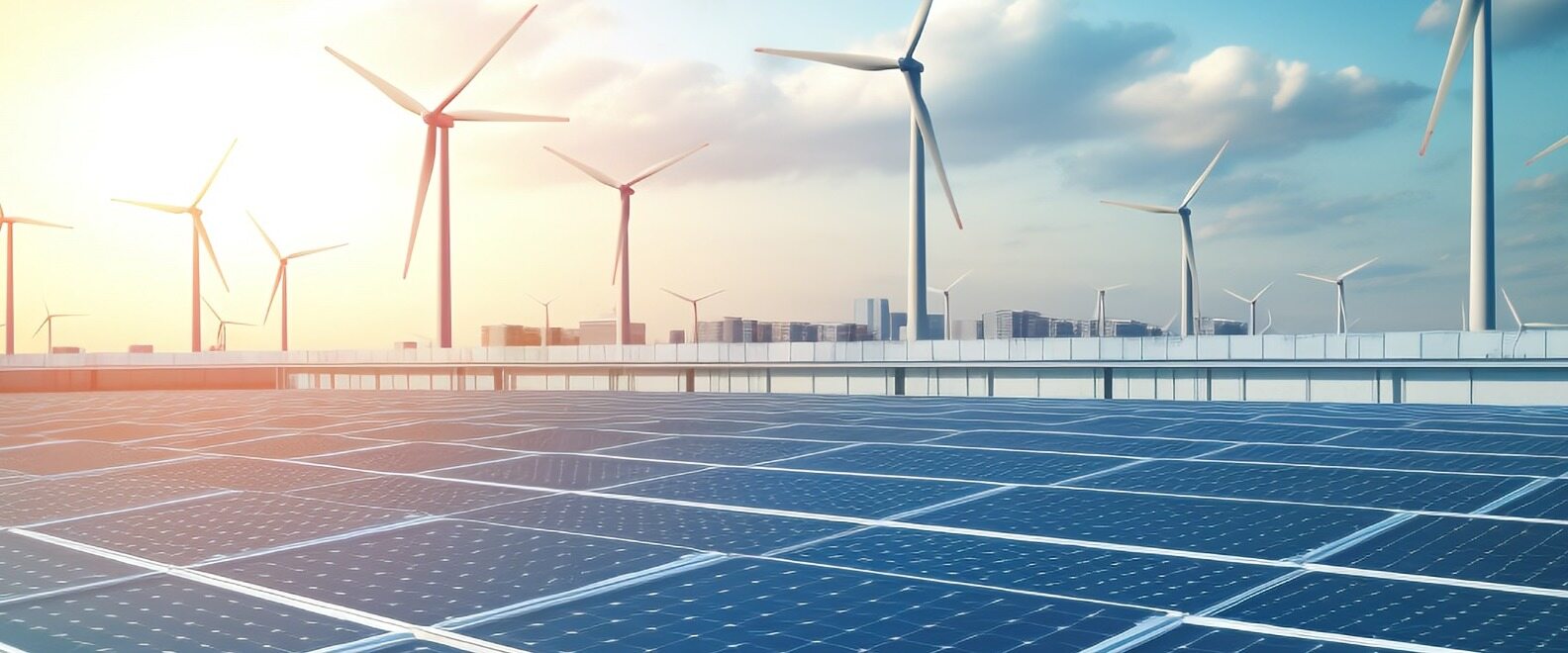
- The two countries package and develop wind, energy storage, and data centers
- Exploring a new path for on-site consumption of green electricity and collaborative computing power in Central Asia, where the power grid is weak but resources are abundant
On the grasslands of southern Kazakhstan, a wind turbine ran for a whole night. The electricity it emits does not rush into the grid, but is first stored in batteries and sent to a row of servers that run day and night after dawn. This scene is exactly what the newly signed agreement between Oman and Kazakhstan wants to become in daily life.
New buyers have arrived on the grassland
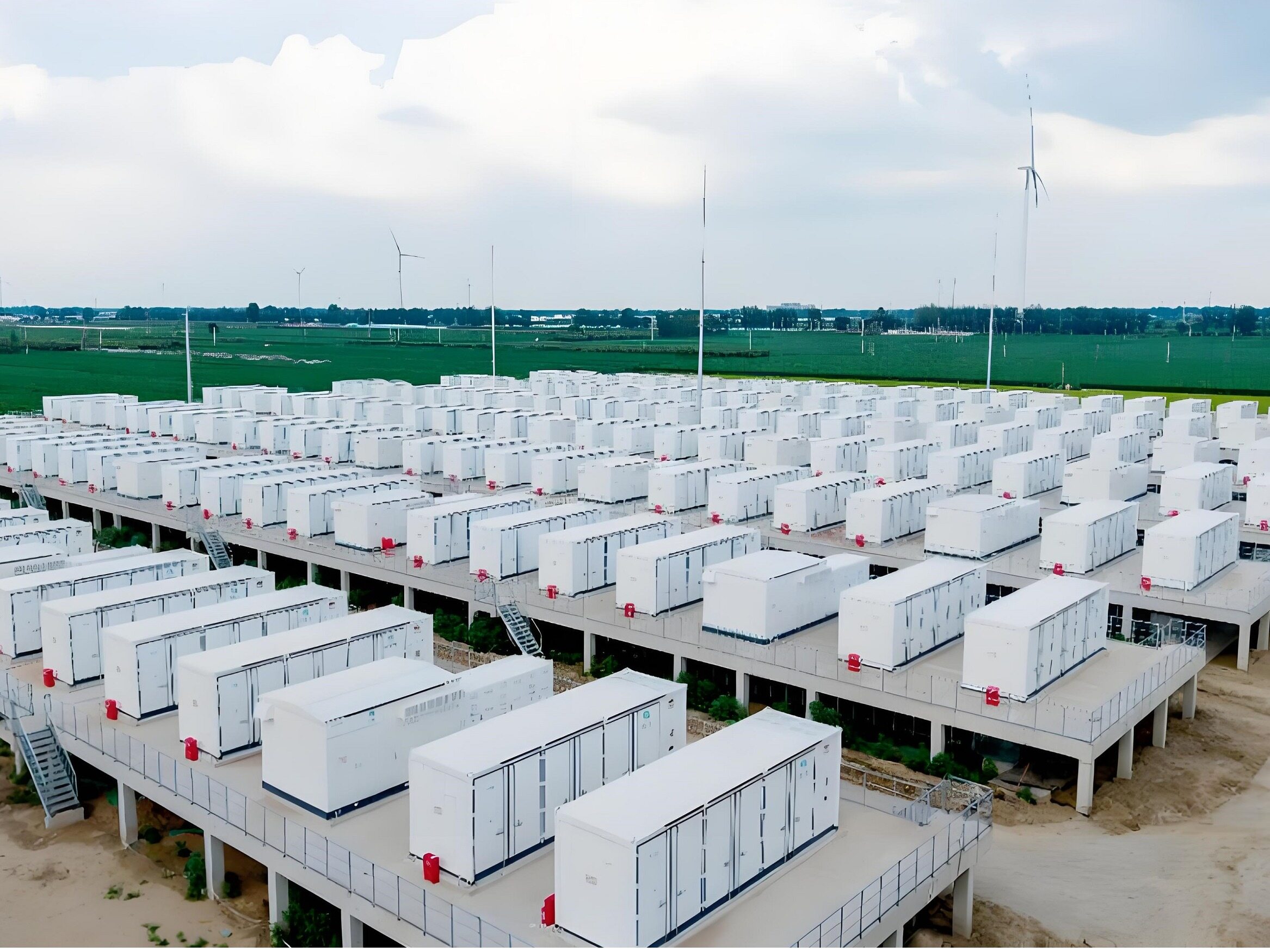
Recently, O-GREEN, a comprehensive energy, technology, and data center platform in Oman, signed a strategic cooperation agreement with Samruk Energy, the national power holding company of Kazakhstan. Both parties will jointly develop approximately 2 million kilowatts of photovoltaic and wind power projects in Kazakhstan, Central Asia, and other international markets, and build supporting battery energy storage facilities, with a focus on industrial facilities, data centers, and other loads that cannot be powered off, exploring all-weather green power supply solutions.
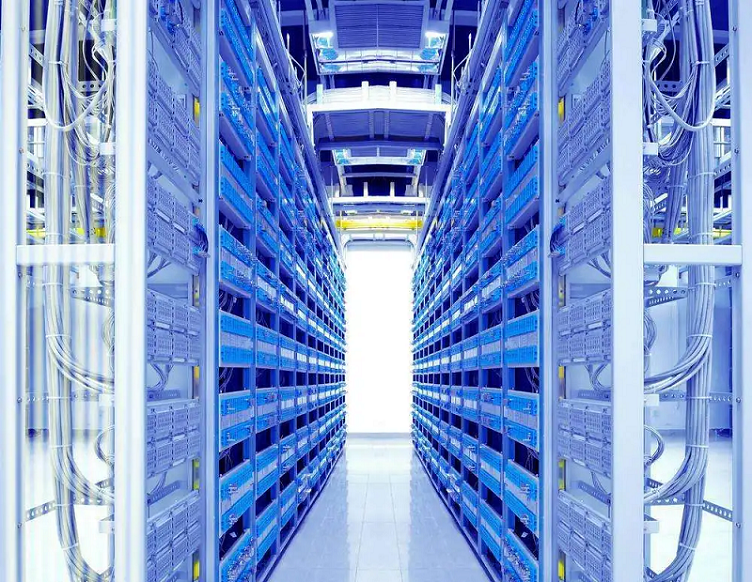
The division of labor is equally clear: O-GREEN focuses on project development and technical support, while Samruk Energy is responsible for coordinating its subsidiaries in Kazakhstan, government regulatory agencies, power system operators, and potential power purchasers; In other markets, both parties work together to coordinate with regulatory authorities, power grid operators, and power purchasers to promote project implementation and financing. For a country that has long relied on coal-fired power and has a relatively weak power grid foundation, it is timely to include energy storage and power purchasers in the agreement.
Green power direct connection computing power
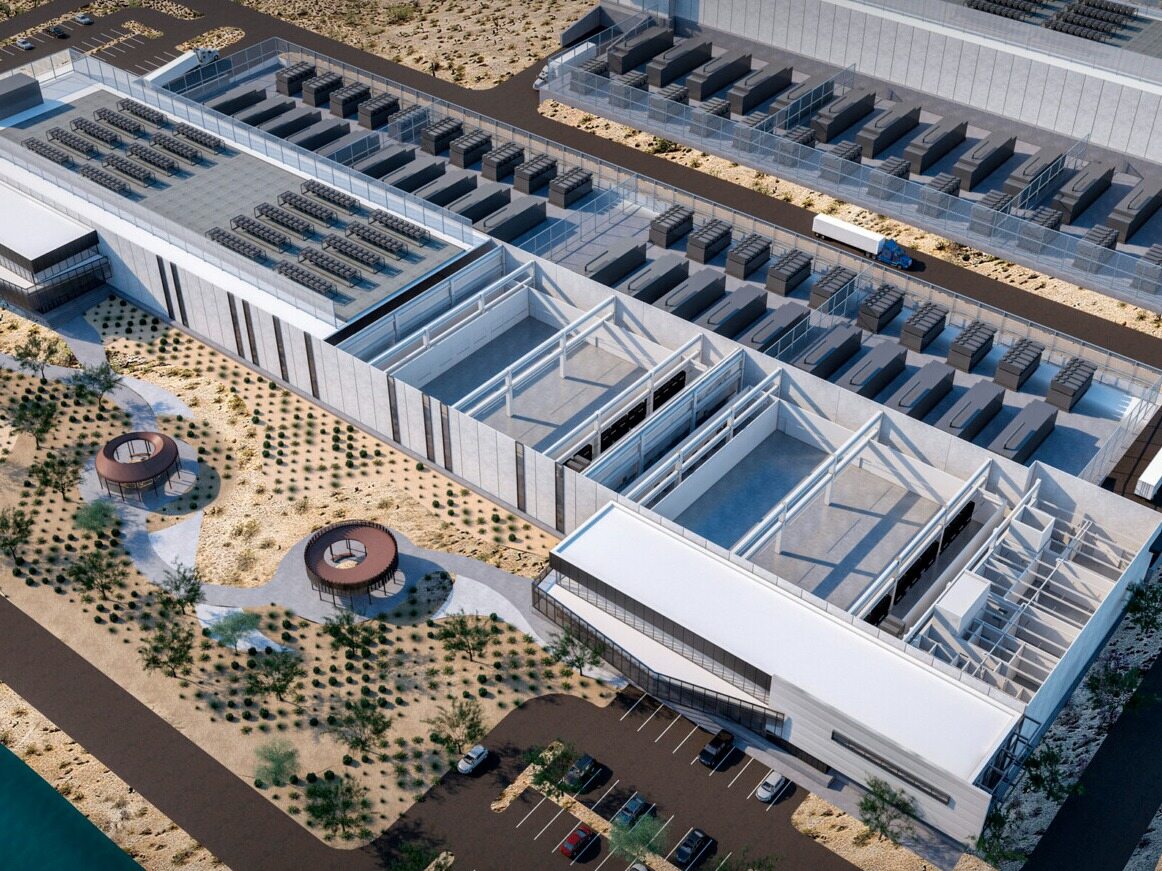
This electricity is not generated for grid connection. The data center is placed at the core of the power consumption end, with green electricity, energy storage, and computing load drawn on the same blueprint. This is in line with Kazakhstan's own pace: the country has designated 2026 as the year of digitalization and artificial intelligence development, and plans to build a national artificial intelligence platform and computing power data center. The long-term computing power of the national data center valley can reach 1 gigawatt, and container data centers, liquid cooling modules, and green power matching will be introduced.
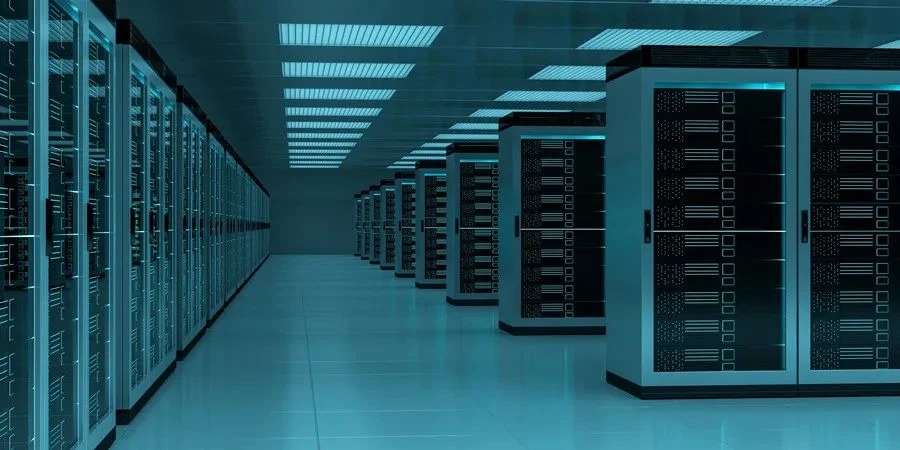
Looking at it globally, the collaboration of computing and electronics is also becoming a new trend. According to data from the International Energy Agency, the global data center electricity consumption is expected to reach approximately 485 terawatt hours in 2025 and may approach 950 terawatt hours by 2030. For Central Asian countries with abundant scenery and land, but relatively tight power grids, providing green electricity to serve computing power loads nearby is more cost-effective than long-distance transmission, and can also turn abandoned wind and solar power into tangible income.
Sovereign funds play a leading role
What truly organized this collaboration were two new roles. Samruk Energy is a subsidiary of the Samruk Kazena Sovereign Wealth Fund, responsible for approximately one-third of Kazakhstan's national electricity generation. Its project portfolio includes coal-fired, gas-fired, hydroelectric, wind, and photovoltaic power, and has previously collaborated with companies from countries such as the United Arab Emirates, France, Qatar, China, and Russia; In September of this year, it also signed a joint development agreement with China Energy Construction Overseas Investment and Sany Heavy Energy for the Jeet Suzhou 1 GW wind power project, supporting energy storage and long-distance transmission lines.
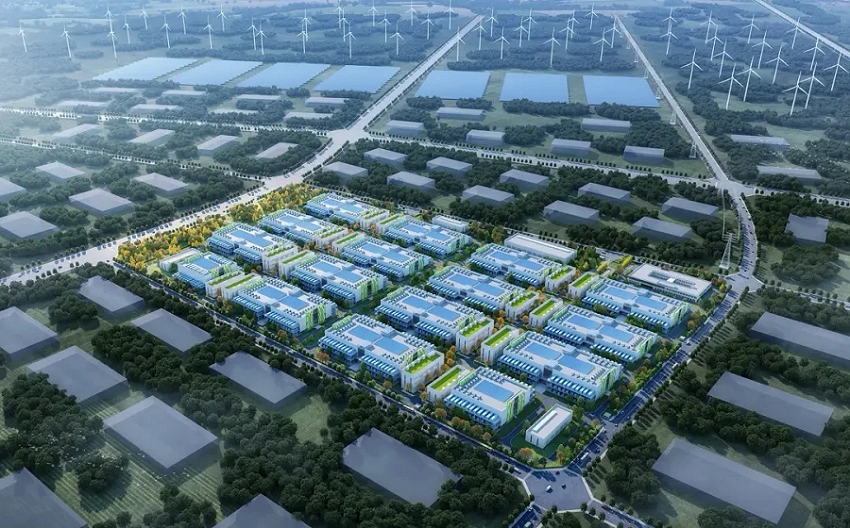
The other party, O-GREEN, was established in 2025 and is a state-owned entity under the Oman Investment Authority. Its business covers renewable energy, energy storage, green technology, equipment manufacturing, and data centers. Currently, it has over 11 million kilowatts of power generation and energy storage project reserves in 12 countries. It is more like a platform that packages resources, technology, and application scenarios to go global. Local sovereign capital contributes resources and credit, while cross-border platforms contribute development capabilities and scenarios. This combination is becoming increasingly common.
Kazakhstan has set itself the goal of achieving a 15% share of renewable energy generation by 2030, increasing it to 50% by 2050, and achieving carbon neutrality by 2060. However, by 2024, this proportion will only be 6.43%, indicating a significant gap. The energy investment demand in Central Asia is about 400 billion US dollars, and the current investment level is only about a quarter of the total demand. In this context, the coordinated layout of green power, energy storage, and computing power load can not only improve the on-site consumption level of renewable energy, but also provide a replicable development and financing sample for regional energy transformation.Editor/Yang Meiling
Comment


 Praise
 Collect
 Comment

 Share


Write something~