 Search


Investment
China Kazakhstan old partner signs new contract, AI enters Gobi to search for mines
10-21
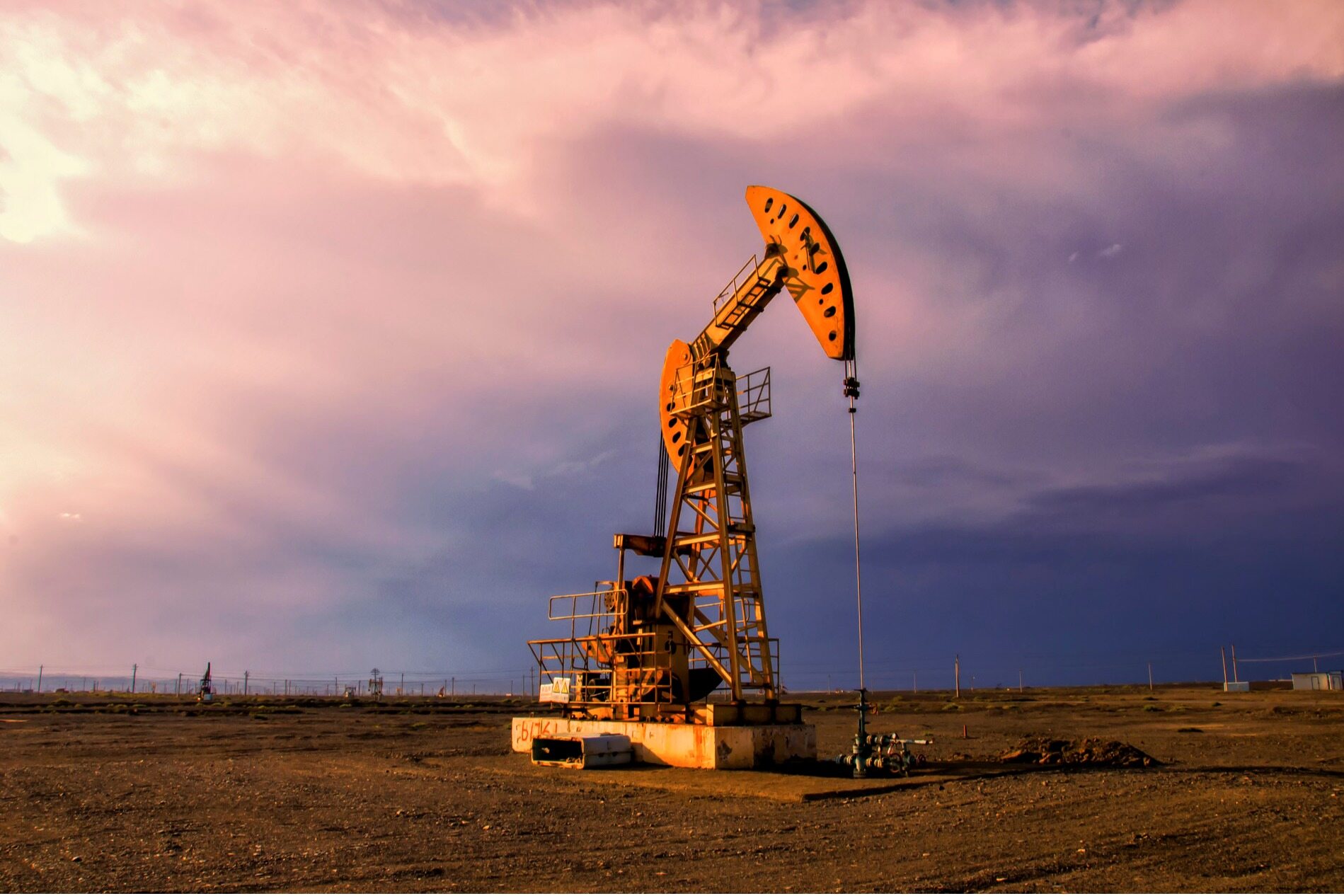
On October 14, 2026, a 25 year land lease agreement was officially signed within the Shah Salman Energy Park. Dalipal, an oil and gas equipment manufacturer from Hebei, China, is preparing to invest approximately $2.1 billion in Saudi Arabia to build an industrial base with an area of over 1 million square meters. From Cangzhou, Hebei to the Persian Gulf coast, from exporting products to building factories overseas, Dalipal is trying a model of going global with greater capital investment and deeper connections with local industries.
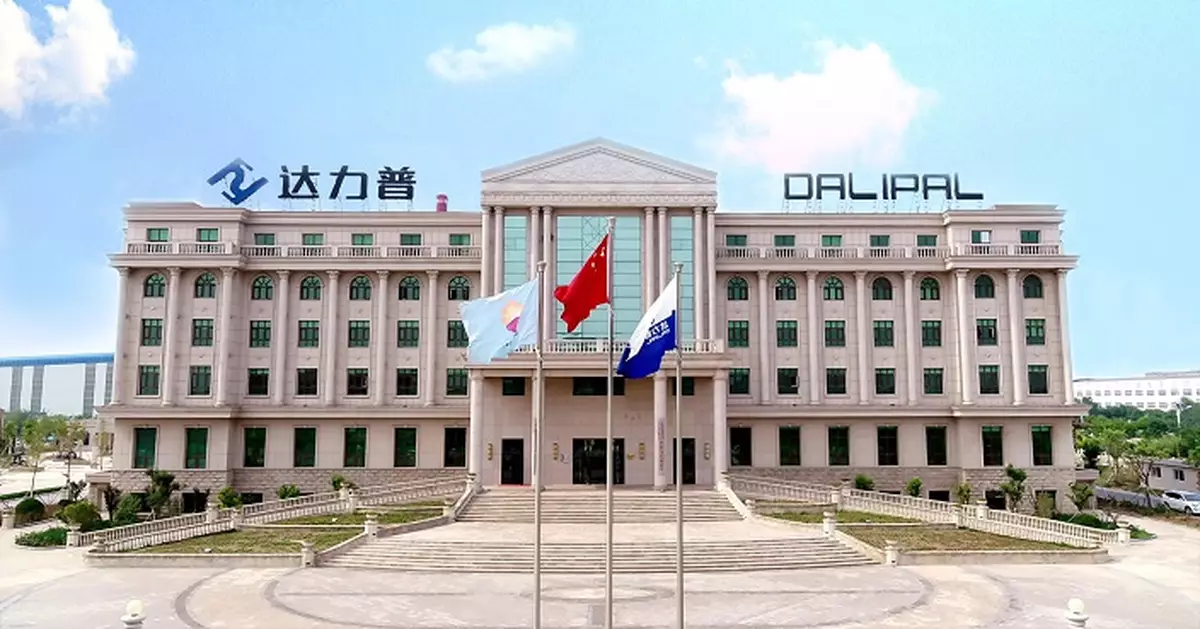
A base of over one million square meters
The total planned investment for the project is approximately 2.1 billion US dollars, with an estimated initial investment of 600 million US dollars. The factory covers an area of 1.03 million square meters and will produce seamless steel pipes, drill pipes, and hydrogen transportation pipelines for oil and gas wells. According to the currently announced plan, this factory will serve both Saudi Arabia, other Middle Eastern countries, and the international energy market in the future. For Dalipal, the significance of entering Saudi Arabia lies in establishing production bases in the location of important customer groups in the oil and gas industry, shortening delivery distances, and striving to enter the long-term supply system of local energy projects.
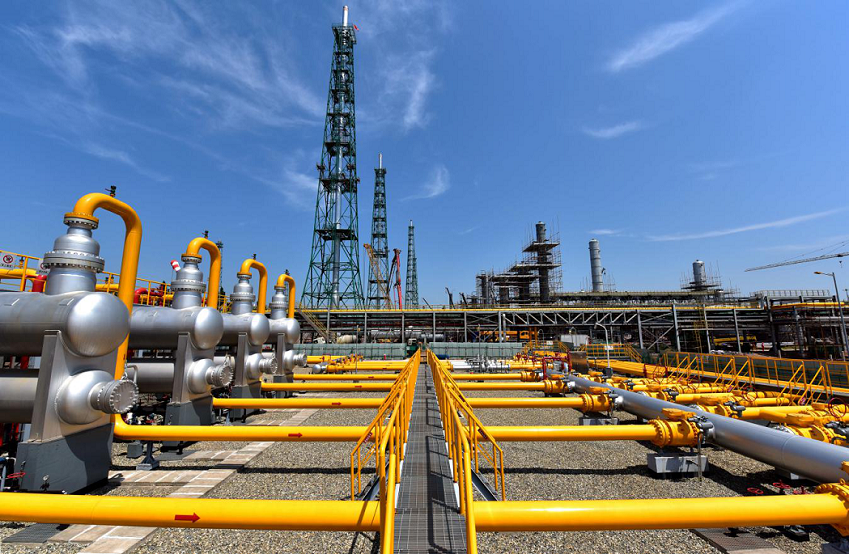
Two years of brewing and finally landing
This investment has been brewing for nearly two years. In November 2024, Dalipal and SPARK signed a letter of intent at the Abu Dhabi International Oil Show. In 2026, the company disclosed that the Dammam base in Saudi Arabia has made phased progress, completed preliminary design, started operating the Saudi office, and entered the local energy sector's localized industrial platform. The signing of a 25 year land lease agreement means that the project is further advancing towards formal construction. Dalipal Holdings was listed in Hong Kong in 2019, mainly engaged in the research and development, production, and sales of oil and gas pipes and other seamless steel pipe products. By 2025, it will achieve a revenue of approximately RMB 3.463 billion, a year-on-year increase of 5.2%, and turn losses into profits. Keywords: the Belt and Road News Network, Middle East, Oil and Gas
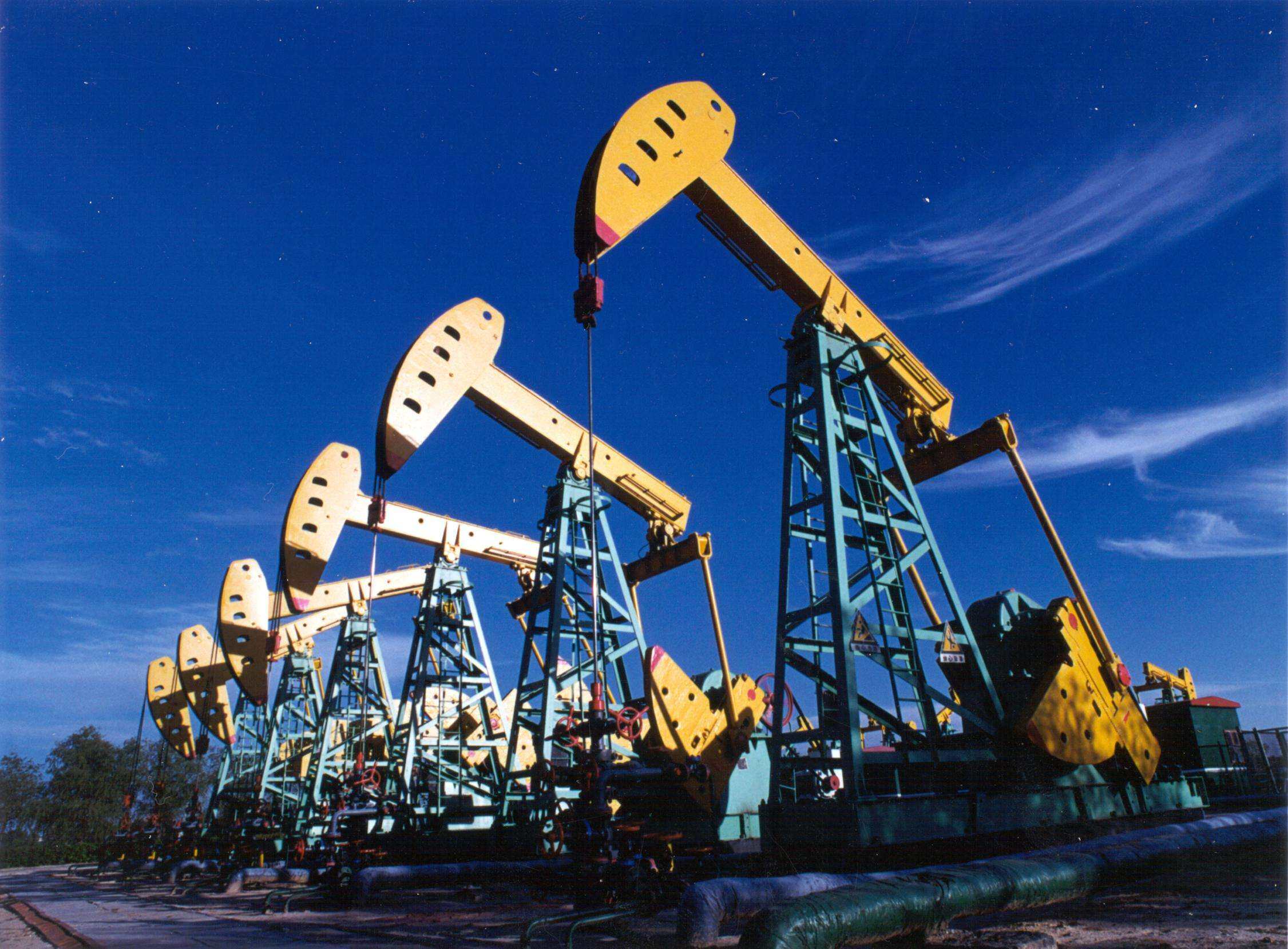
Targeting the Middle East supply chain
The project is located in SPARK Energy Industrial Park, with a total planned area of approximately 50 square kilometers. It is situated between Dammam and Abu Gage, connecting important local oil and gas production, processing, and logistics facilities. The park gathers oil and gas equipment, industrial manufacturing, chemical and logistics enterprises, with the goal of transferring energy equipment and supporting services that relied on imports in the past to Saudi Arabia. In May 2026, ASMO, a joint venture between Saudi Aramco and DHL, announced the construction of approximately 1.4 million square meters of logistics facilities in SPARK. Saudi Aramco has long had a huge demand for oil and gas production and equipment procurement, and the Saudi government is also promoting localized manufacturing of energy equipment. In the past, Chinese companies often played the role of equipment suppliers and engineering contractors in energy projects in the Middle East. Nowadays, more and more manufacturers are considering setting up factories locally to strive for long-term entry into customer procurement systems. Compared to its current revenue scale, the overall investment plan of $2.1 billion for the Saudi project is quite large, and subsequent financing, construction pace, and capacity release will become the focus of market attention.Editor/Gao Xue
Comment

 Praise
 Collect
 Comment

 Share


Write something~