 Search


Investment
China Kazakhstan old partner signs new contract, AI enters Gobi to search for mines
10-21
Recently, a signing ceremony is ready in the Ethiopian Ministry of Mines building in Addis Ababa. Wang Dong, Executive President of GCL Group and President of Jurong Group Africa Industry Group, and Lin Rongsheng, Chairman of China Jurong Group, led their teams to visit the newly appointed Minister of Mining, Alemchai Bolos, and held work talks; Subsequently, witnessed by the minister, Jurong Group Energy Investment Co., Ltd. Ethiopia Branch and Jurong Group (Holdings) Co., Ltd. officially signed a contract for liquefied natural gas contracting, construction, and commissioned processing. Fu Zhidong, Executive President of Jurong Group Africa Industry Group Ethiopia Regional Liquefied Refining Business Unit, and Yi Min, Vice President of Jurong Group, respectively signed the contract on behalf of both parties.
From Framework to Contract
This is not the first handshake between the two companies. As early as May 18, 2026, senior officials from both sides had in-depth exchanges and signed strategic cooperation framework agreements in Nantong and Suzhou. This signing extends the cooperation from intention to the specific implementation level of engineering contracting and processing, covering the entire process of engineering design, construction, natural gas liquefaction, and processing. Jurong Group will leverage its accumulated experience in natural gas liquefaction resource integration, project lifecycle management, and international storage and transportation trade, closely collaborate with GCL Group, and simultaneously improve supporting infrastructure, storage and transportation systems, and international trade channels.
The first phase runs through the entire process
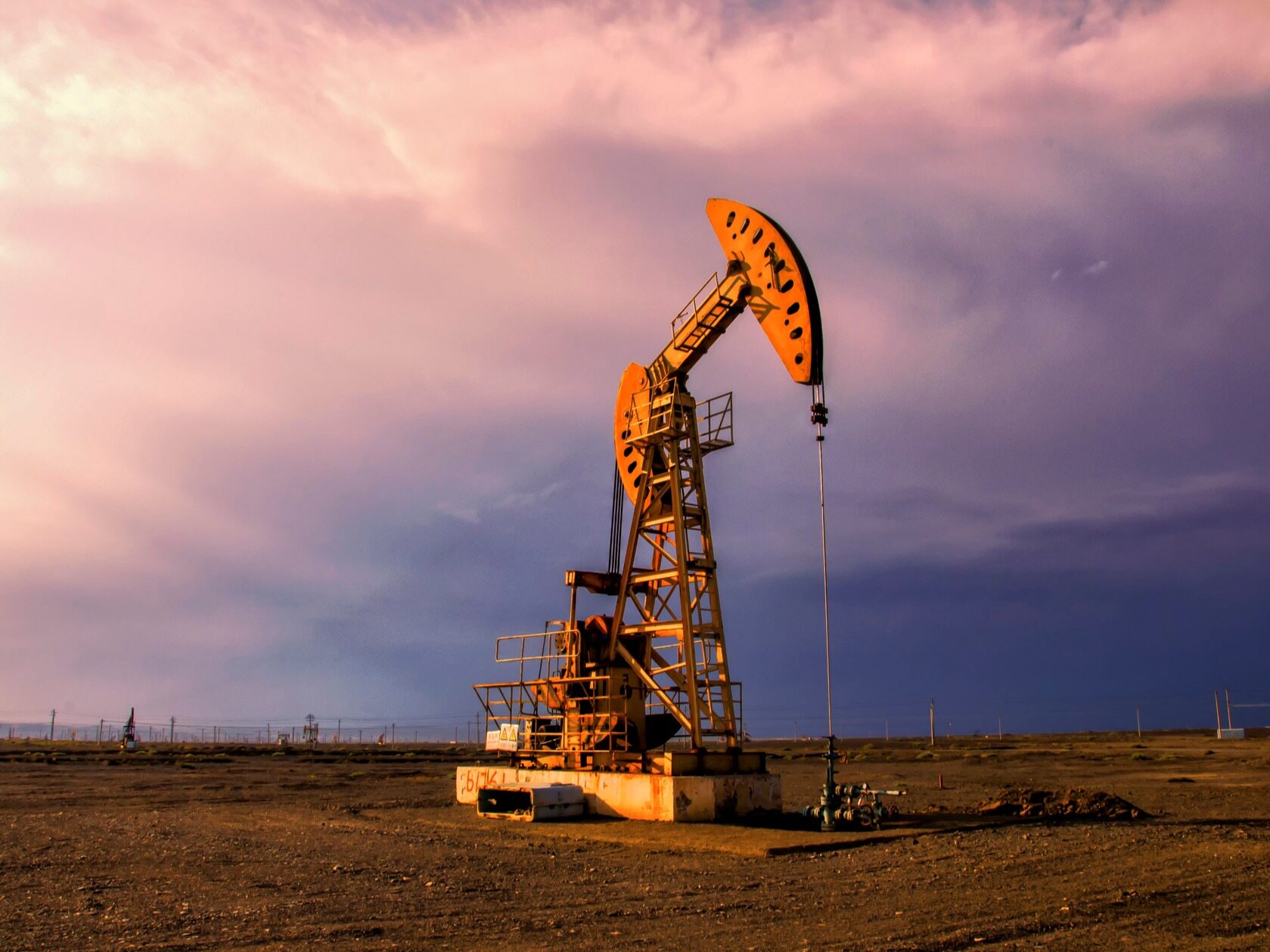
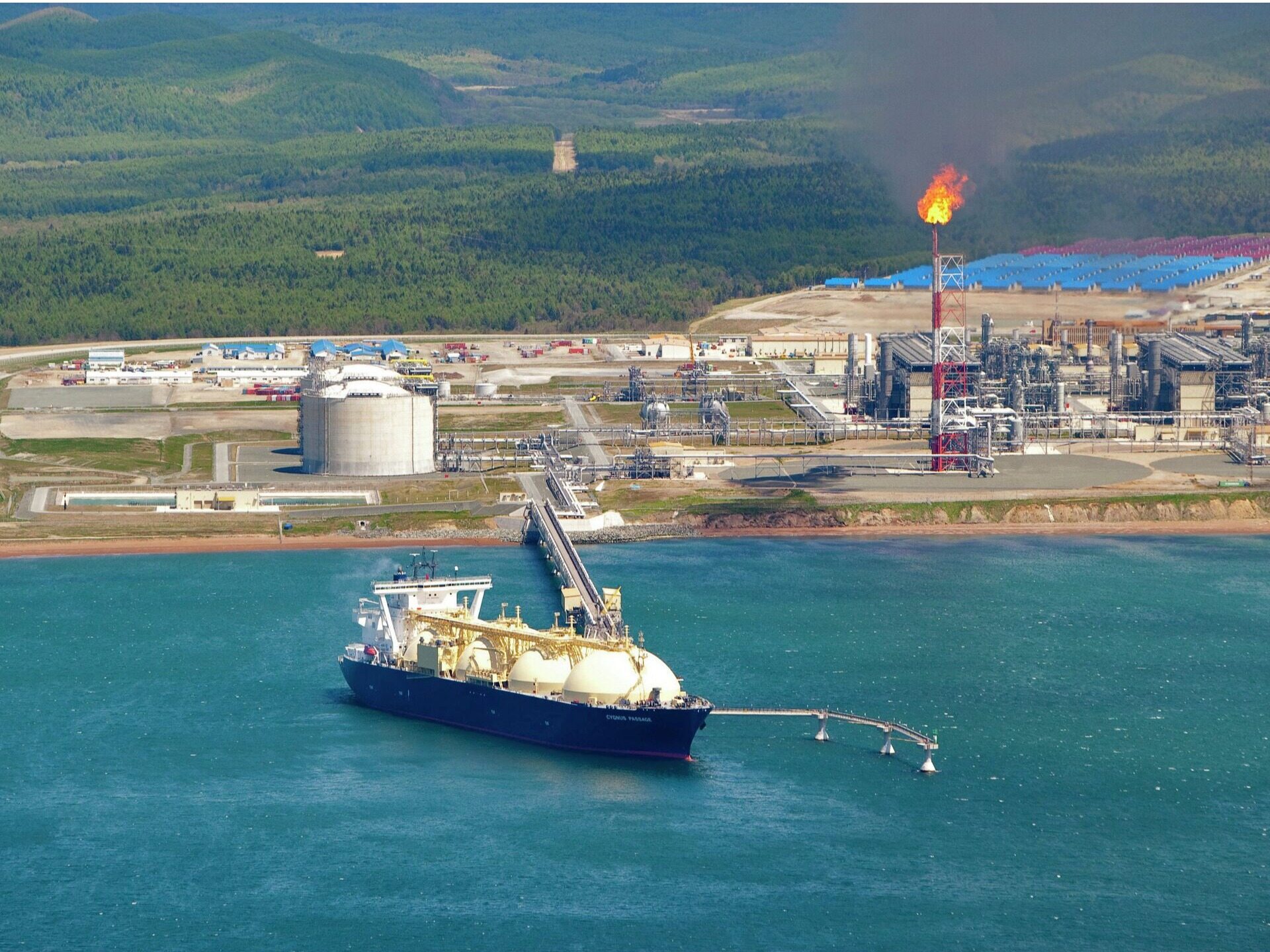
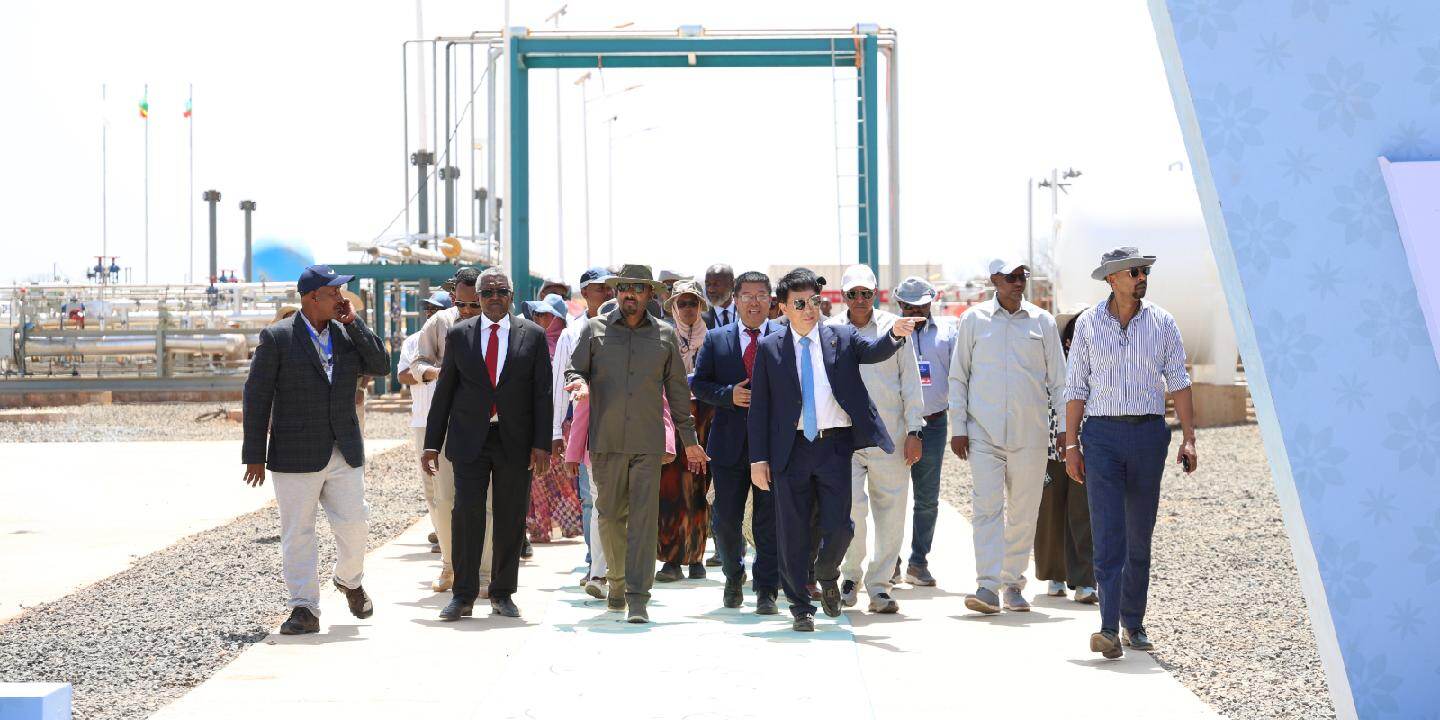
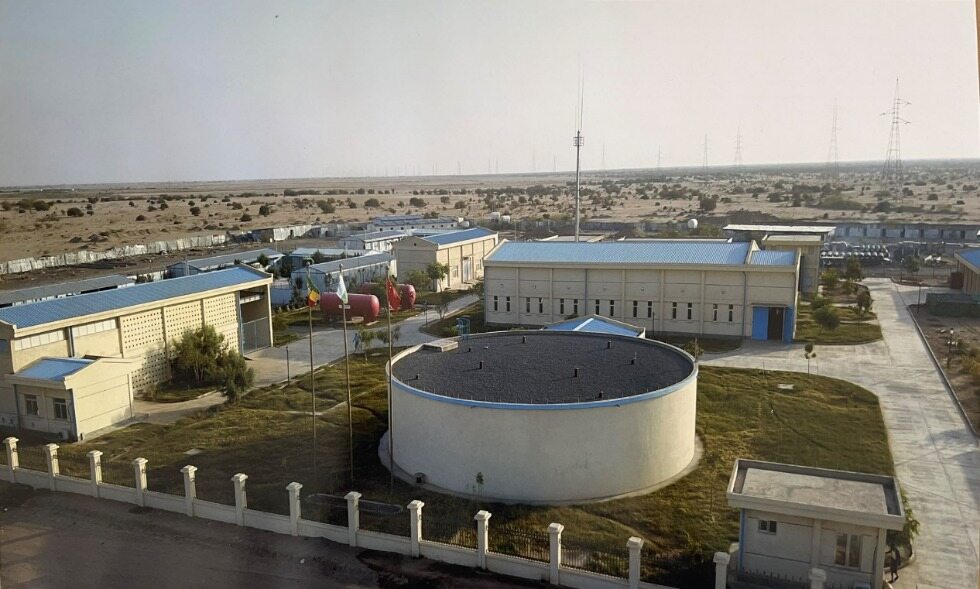
Return to October 2, 2025. At the Karubu Camp in Somalia, Ethiopia, the equipment roared and dozens of LNG tank trucks lined up in a row. The GCL Group 200000 cubic meter liquefied natural gas plant was officially put into operation, and Prime Minister Abi personally visited the site. This is the first time in modern times that Ethiopia has achieved oil and gas production, and it has been listed as a major national project along with the Renaissance Dam and Dangote Fertilizer Project, marking the country's transition from relying on imports to independent development in energy independence. This device processes 200000 cubic meters of natural gas per day and produces approximately 50000 tons of LNG per year. It is the first skid mounted liquefaction device in Ethiopia, and its products are mainly aimed at domestic industrial parks and end users. The scale is not large, but it has verified the feasibility of the entire chain from gas fields to liquefaction and then to loading and transportation. Phase II is to take this module as the starting point to stack up and expand the capacity.
The Chess Game Behind the Gas Field
The total 2P geological reserves of Karubu and Hilala gas fields are approximately 190.7 billion cubic meters, with a rich resource base. In March 2026, GCL Group also signed a 25 year natural gas supply agreement with Dangote Group, with a total amount of approximately 4.2 billion US dollars. The gas will be transported to a fertilizer plant in the Gold region through over 100 kilometers of dedicated pipelines, and a project with an annual output of 3 million tons of urea is taking shape. At the same time, Ethiopia and Djibouti continue to negotiate a two-stage oil and gas export corridor, and hydrocarbons from Somalia are expected to enter the international market through the Djibouti channel; The bus oil to gas test promoted by GCL Group in Ethiopia is a domestic transportation gas road.
Baoluo welcomes the joining of Jurong and highly recognizes the contribution of GCL Group as a long-term trusted strategic partner of the Ethiopian government and the Ministry of Mines. We promise to provide comprehensive policy support and service guarantees, and explicitly require both parties to quickly start the construction of the first phase module of LNG Phase II, striving for early production and effectiveness. Following this path, both parties will build an integrated natural gas value chain covering mining, liquefaction, storage, transportation, and utilization, and continue to deepen cooperation in energy technology, equipment manufacturing, cross-border trade, green and low-carbon fields. The pace of the second phase of the project will be determined by the collaboration of both parties and the Ministry of Mining.Editor/Yang Meiling
Comment

 Praise
 Collect
 Comment

 Share


Write something~