 Search


- Tashkent talks drive China Ukraine hydropower cooperation from intention to implementation
- Injecting new energy into Uzbekistan to fill the electricity gap and achieve the 2030 green energy goal
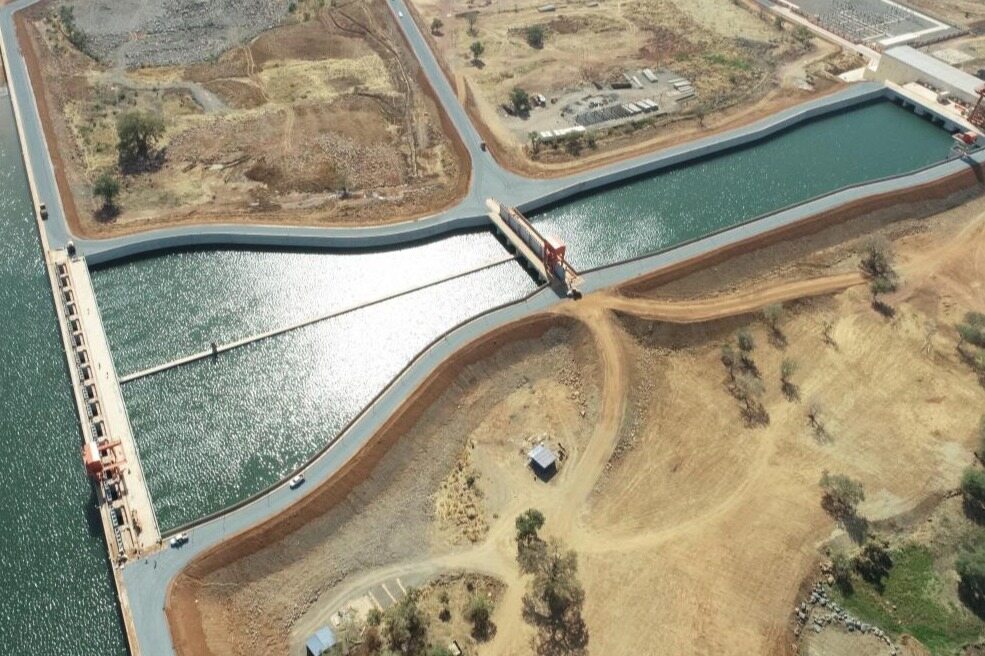
Autumn comes early in Central Asia. To the northeast of Tashkent, the melting snow from the Tianshan Mountains flows into the Cherchik River, passing through the largest hydroelectric power station in the country, the Charwak Hydroelectric Power Station, which was built in the 1970s and is being given a new mission. On October 14, 2026, in a conference room in Tashkent, Islam Abdulrahmonov, Chairman of the Board of Directors of Uzbekistan State owned Hydroelectric Company, sat opposite Lv Zexiang, Chairman of CEEC, discussing the country's hydroelectric wealth and future major projects.
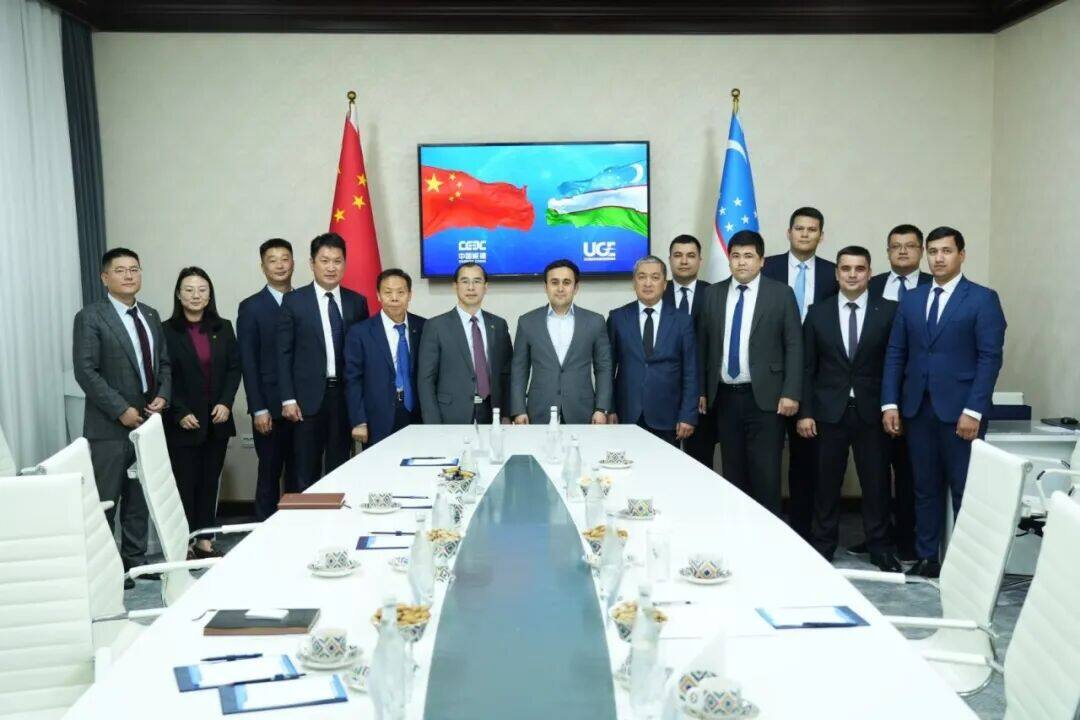
An autumn meeting
According to the statement released by Uzbekistan Hydroelectric Company after the meeting, the two sides exchanged in-depth views on expanding strategic cooperation, attracting investment, and promoting large-scale hydropower projects, with a focus on how to implement Resolution PQ-163 signed by President Mirziyoyev on May 1, 2026- the core of which is to step on the accelerator for the hydropower industry. The Ukrainian side hopes to accelerate the development of hydropower and expand installed capacity, while the Chinese side brings funding, technology, and a complete set of engineering solutions.
Water and electricity resources and gaps
Uzbekistan's electricity has long relied on natural gas and coal, with hydropower accounting for only about 10% to 12%. But changes are happening: the number of hydropower stations in the country has increased from 36 in 2017 to 100 by 2025, and the total installed capacity has increased from 1.6 gigawatts to 2.4 gigawatts, an increase of 50%. From 2026 to 2032, the country has planned 73 key projects with a total investment of 5.8 billion US dollars and an expected increase in installed capacity of 3.6 gigawatts; By 2026 alone, 13 hydropower stations are planned to be put into operation, with a total installed capacity of 114 megawatts and an annual power generation of 537 million kilowatt hours, creating 254 job opportunities. What is missing between resources and blueprints is the ability to turn blueprints into units.
Collaboration is not just about building websites
During the meeting, both sides turned their attention to finer details such as introducing modern technology, improving the efficiency of existing power generation facilities, and jointly implementing promising projects. They also considered the idea of establishing a personnel exchange project with the design institute under the Wu Hydropower Company, so that the experience could truly stay in the local area. Developing long-term strategic cooperation, applying international best practices, and adopting modern engineering solutions have become the consensus of both parties.keywords:Engineering infrastructure
This is not CEEC's first landing in Central Asia. From the 1 GW photovoltaic project to the Navoi integrated wind, solar, and energy storage project, from Bukhara wind power to the Syr Darya gas power station, and to the demonstration project for modernizing the power grid, CEEC has regarded Uzbekistan as a core market in its global layout. After the meeting, both sides expressed their willingness to expand mutually beneficial cooperation, strengthen pragmatic partnerships, and develop and implement new joint projects. When the water flow of the Syr Darya and Amu Darya rivers meets China's engineering capabilities, the green landscape of Central Asia is becoming increasingly concrete.Editor/Yang Meiling
Comment




 Praise
 Collect
 Comment

 Share
Share


Write something~