 Search


- Once this cross sea cable is built, it will connect India's clean power with Saudi Arabia's transformation needs
- Open up new space for energy cooperation and regional power grid interconnection between the two countries
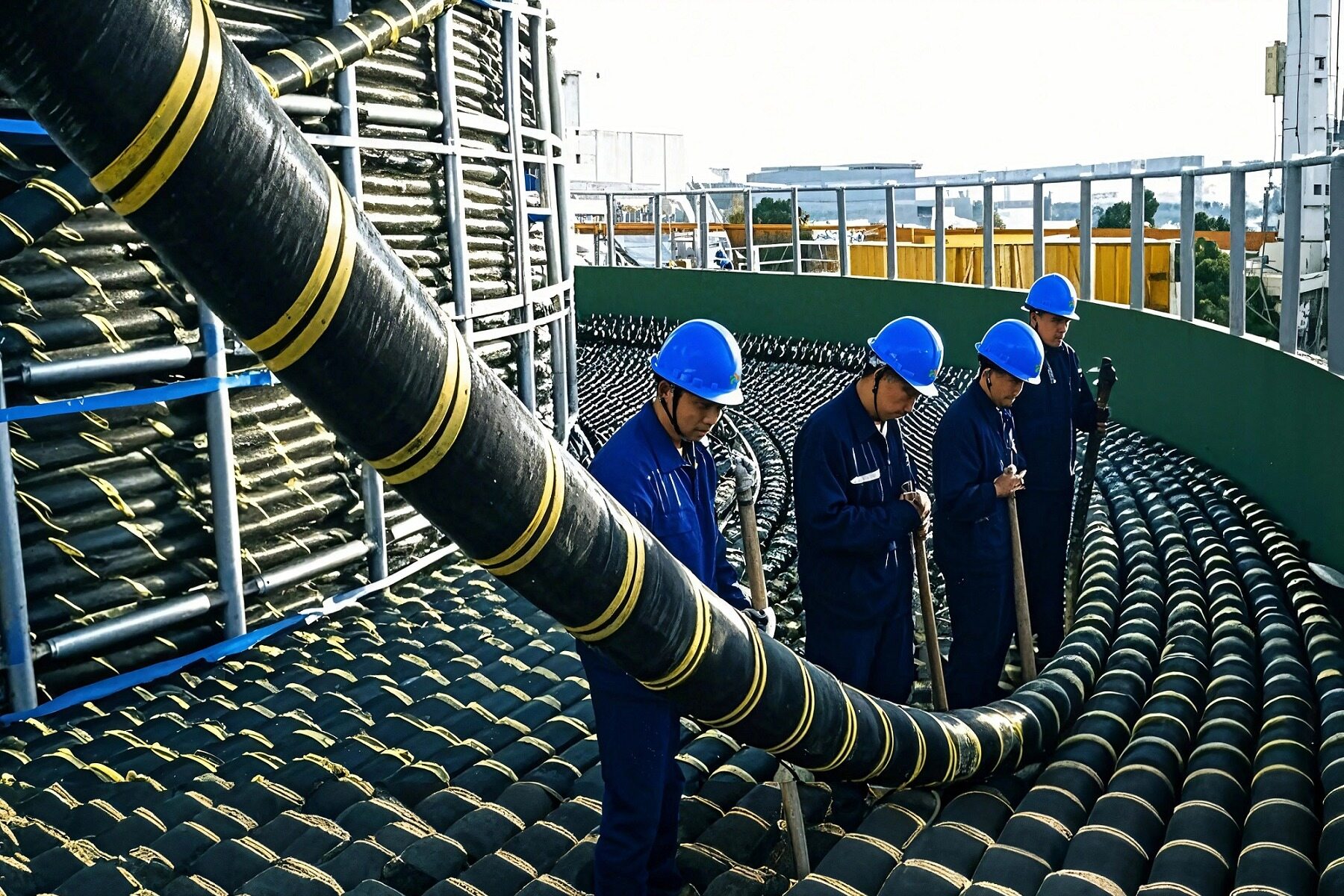
The wind season in the Arabian Sea has just passed, and the survey team on the west coast of India has once again unfolded the route map that has been revised multiple times. The dashed line in the picture starts from land, diagonally crosses the Arabian Sea, and reaches the east coast of Saudi Arabia. More than three years ago, it was just a sentence in the communiqu é of the meeting between the two countries; Now, it has entered the final stage of feasibility study and has become the top topic of discussion for Indian and Saudi power officials every time they meet.
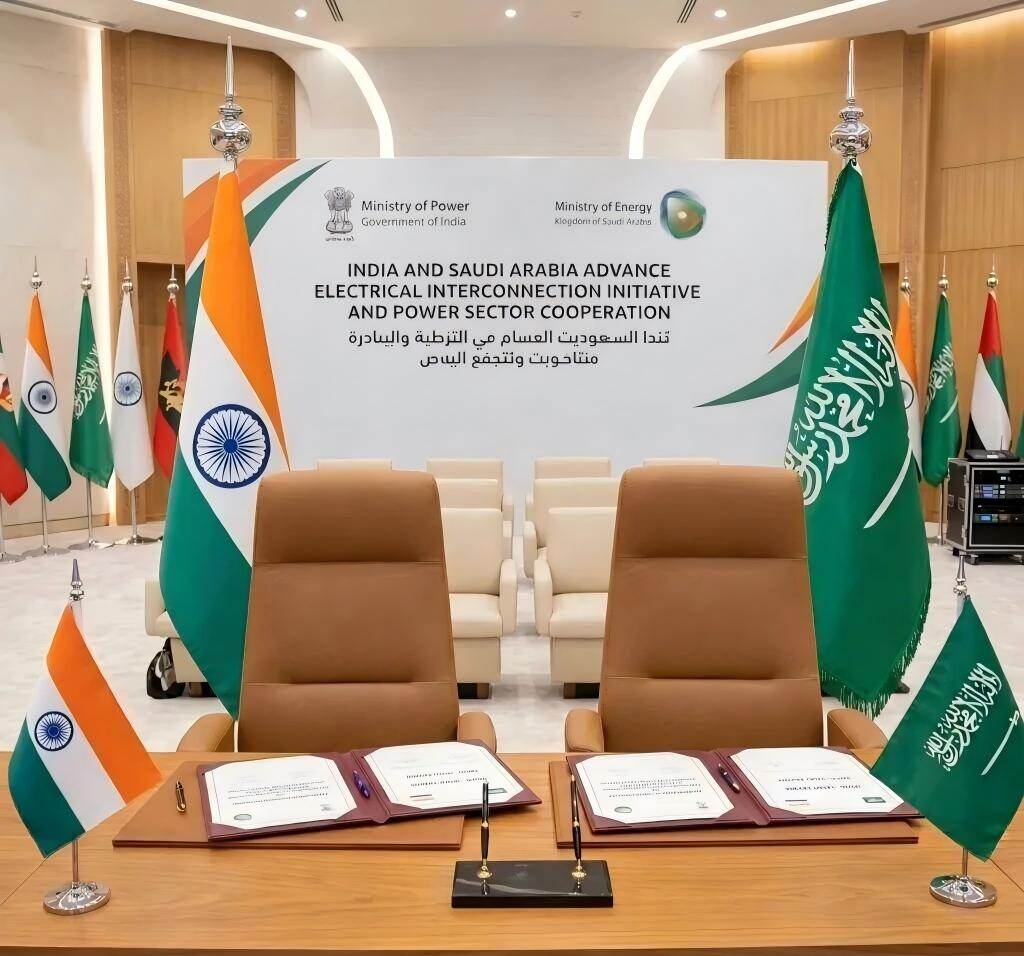
Not long ago, the two countries held another bilateral electricity work conference online. Pankaji Agarwal, Secretary of the Indian Ministry of Electricity, and Nasser Al Khatani, Assistant Minister for Electricity Affairs at the Saudi Ministry of Energy, jointly chaired a review of the latest developments in this cross sea power grid and agreed to maintain communication and work together to promote its implementation.
From paper to the seabed
The concept of power interconnection between the two countries began in 2023. In September of that year, the two sides signed a comprehensive agreement on energy cooperation; The following month, a memorandum of understanding was specifically signed on power interconnection, specifying the use of submarine cables to connect the east coast of Saudi Arabia with the west coast of the Indian subcontinent, replacing natural gas pipelines with power pipelines. In October 2024, India's Central Transmission Company signed a feasibility study agreement with Saudi Arabia's National Electricity Transmission Company, and a detailed submarine cable research tender will be launched in 2025. The research completed by the Indian side took more than a year, and the latest plan is proposed: the total length of the line is about 2100 kilometers, using high-voltage direct current technology, with a transmission capacity of 3 gigawatts and an investment of about 9 billion US dollars. Compared to the initial estimate of about 5 billion US dollars, the cost increase is significant, and how to calculate the project has become a focus of negotiation. According to previous public statements, the Saudi Arabian route is approximately 1400 to 1700 kilometers long, transporting 2 gigawatts, while India's synchronized investment in the UAE route is also in the range of 5 billion US dollars. These ideas have been incorporated into India's One Sun, One World, One Grid vision, which aims to enable the free flow of clean electricity across time zones.
Ultra high voltage becomes a new focus
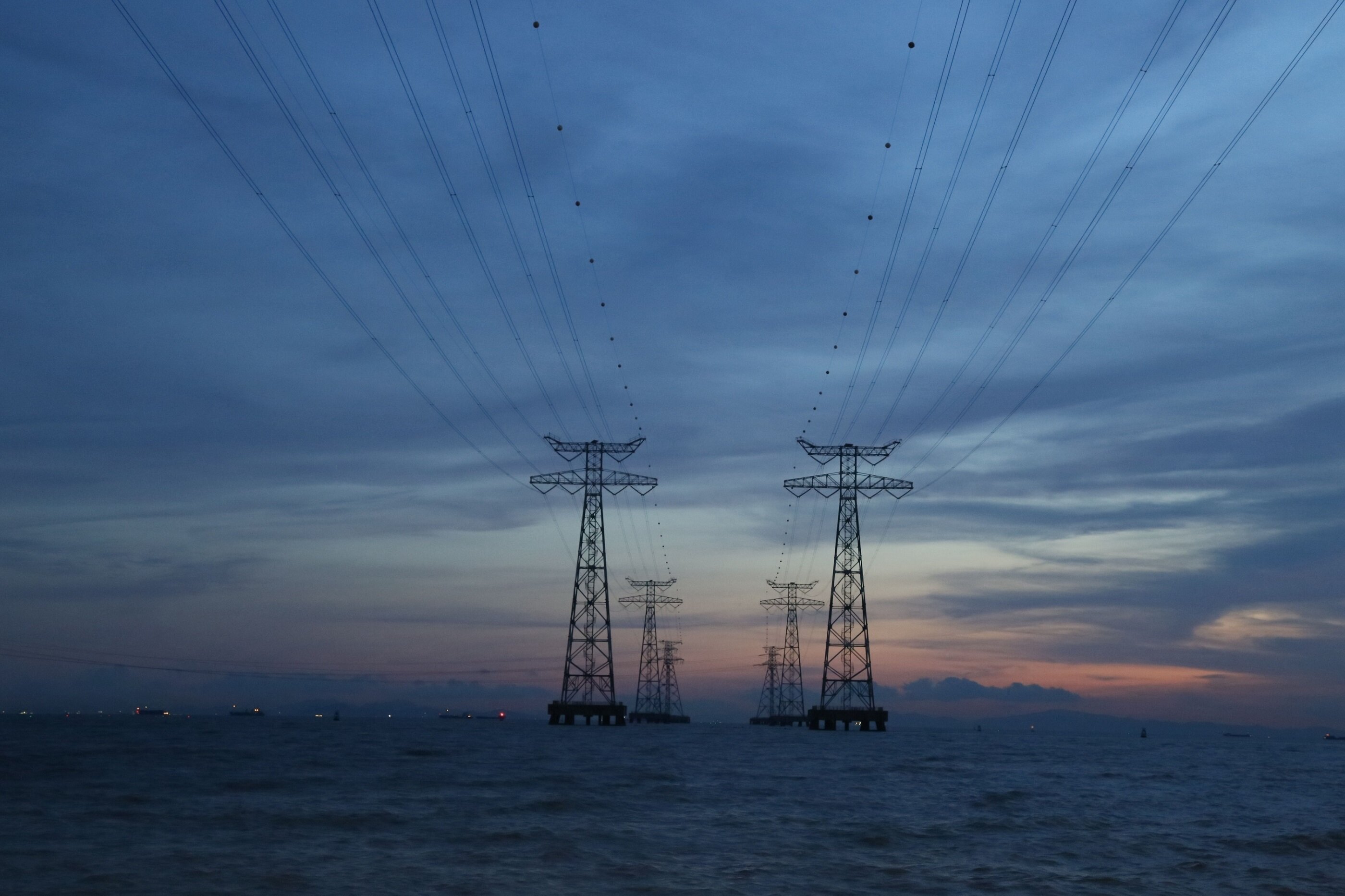
The topic of the meeting did not stop at one line. Saudi Arabia has clearly expressed its intention to deepen cooperation in the field of ultra-high voltage transmission systems, which is directly related to the path of increasing the proportion of renewable energy under Saudi Arabia's 2030 vision. Both sides have also turned their attention to the technical and operational challenges faced by the large-scale integration of high proportion new energy, such as fluctuations in wind and solar power output, decreased grid inertia, and increased peak shaving pressure, which are new challenges that the power grids of both countries are facing together. Along with it, revising the power grid regulations and adapting the rules to the new operating mode of the power system have also been listed as core issues.
Prepare power for the data center
The construction of data centers in the region is accelerating, and such loads have much higher requirements for power supply stability and power quality than ordinary users, and are almost uninterrupted. Both parties exchanged ideas on the construction of supporting power infrastructure around the continuously growing electricity demand of data centers, including discussions on access plans and backup support.keywords:Engineering infrastructure
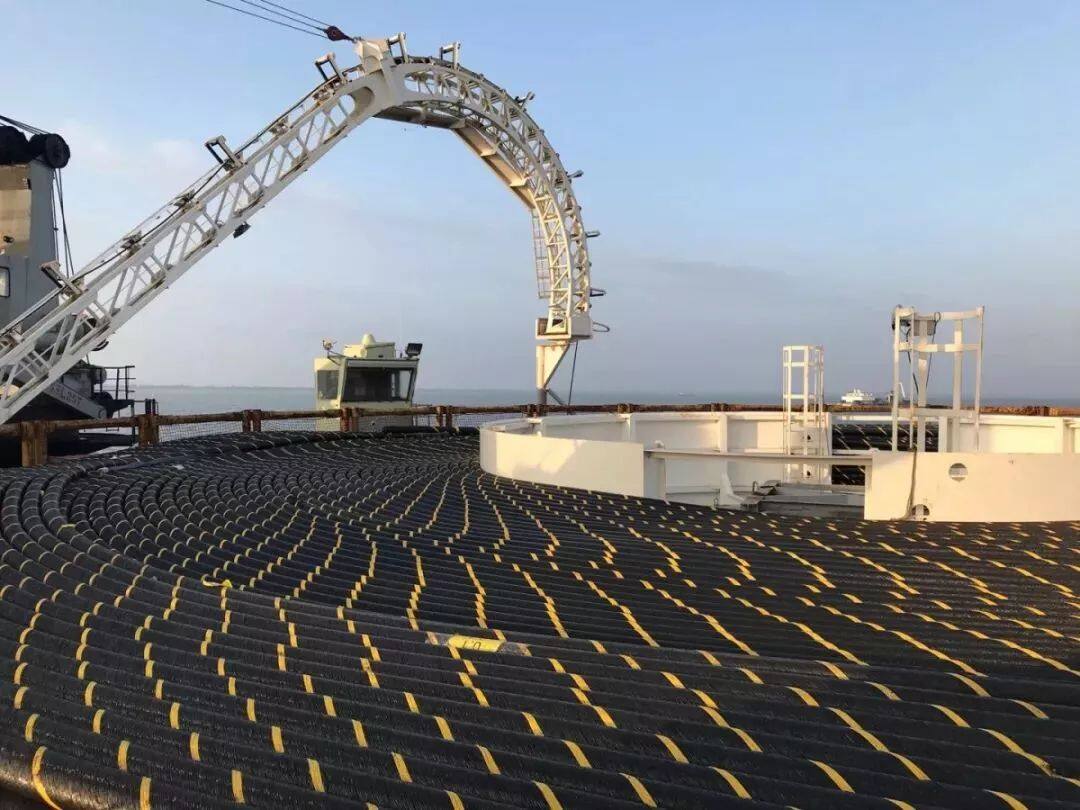
A cable pulls out a whole game of transmission, technology, rules, and emerging loads. After the meeting, both sides reiterated their commitment to maintaining constructive dialogue, maintaining regular communication, and steadily implementing cooperation in the field of electricity. The signal released by this meeting is very clear: the two countries are willing to share technological accumulation, jointly polish solutions, and keep up with the continuous evolution of the power industry.Editor/Yang Meiling
Comment

 Praise
 Collect
 Comment

 Share


Write something~