 Search


- Laying the foundation for national energy security and 2050 green goals
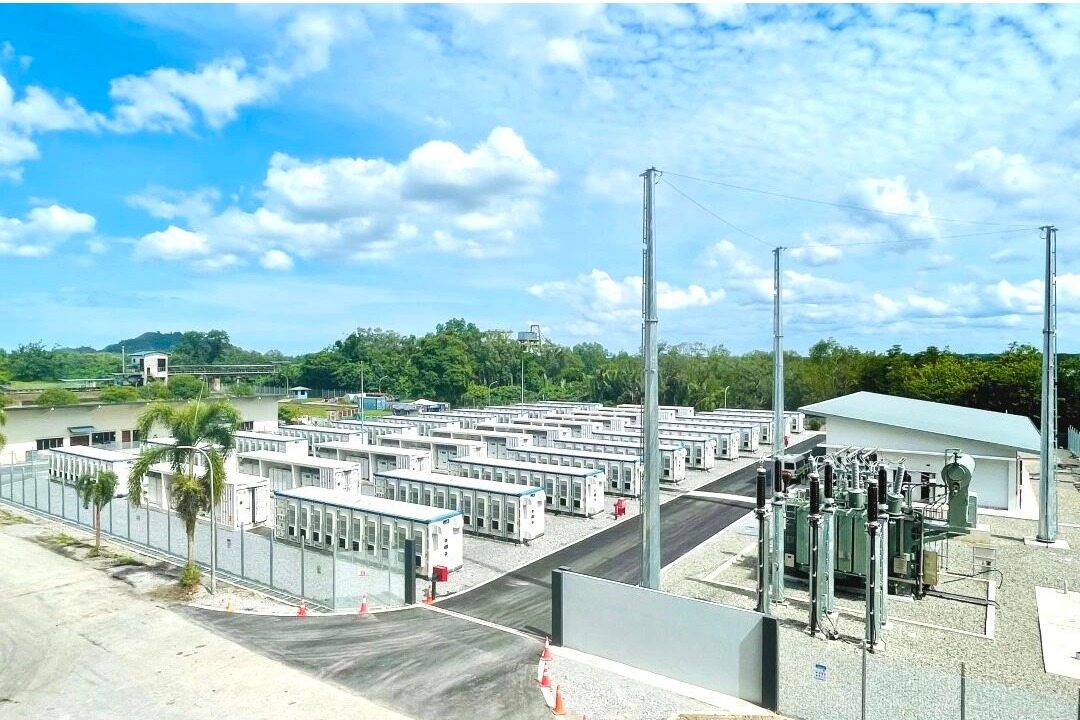
At six o'clock in the evening, an ordinary Malaysian household turned on the air conditioning, the rice cooker in the kitchen began to emit heat, and the electric bike in the yard was connected to a charging station. At the same time, thousands of servers are running day and night in data centers tens of kilometers away. Electricity is being consumed at an unprecedented rate, and the power grid that carries all of this has been running for decades.
Faced with the pressure of this growth, the National Energy Company of Malaysia (TNB) spoke out immediately after the release of the 2027 budget: welcoming the government to allocate RM15 billion (approximately USD 3.675 billion) to strengthen the national power grid. This power giant, which holds the lifeline of national power transmission and distribution, is well aware that money is just the starting point. The real test lies in how to prevent electricity prices from getting out of control and lights from going out in an era of soaring demand.
Where does RM15 billion go
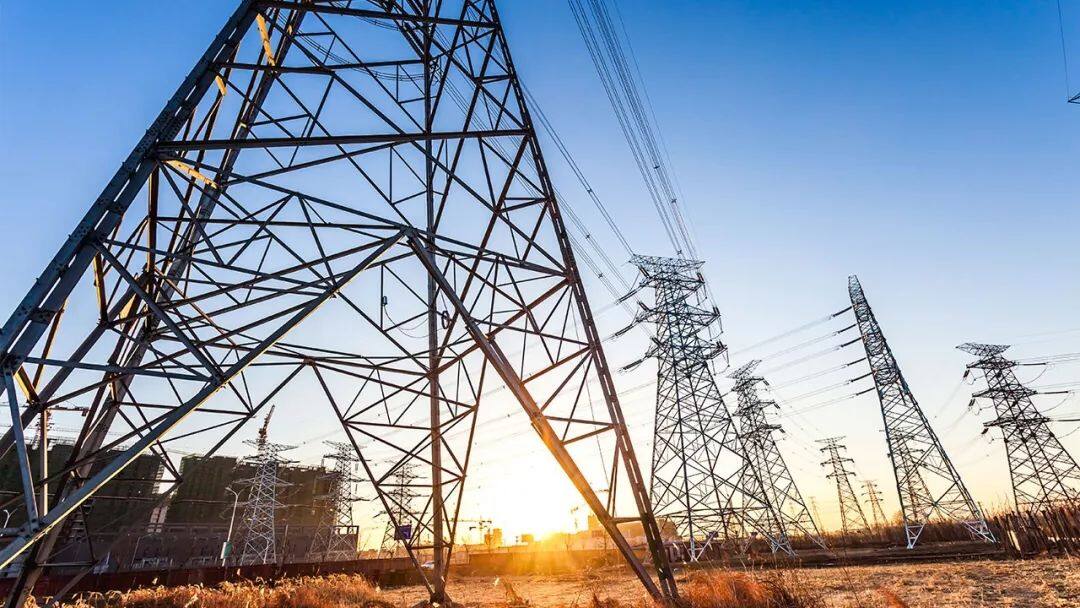
This expenditure of RM15 billion is not an isolated one. It is a key component of TNB's total investment plan of RM43 billion from 2025 to 2027, with only one goal: to complete a thorough modernization of the national power infrastructure.
In the past few years, Malaysia's electricity consumption structure has undergone significant changes. The electrification of data centers, electric vehicles, and manufacturing has made the load curve steeper and more difficult to predict than before. If old transmission lines and substations are not reinforced and expanded in advance, the consequences will not only be tripping, but also an increase in the cost of the entire industry chain. TNB's investment is aimed at this pain point - upgrading the power grid from energy consumption to reliable and smart consumption.
For TNB, this is also a role transition. It is no longer just a company selling electricity, but a platform builder for energy transformation: it must be able to withstand the growing high-density load in the city and deliver to the corners of the rainforest where electricity consumption is still unstable.
Electricity bill ledger for 8 million households
If power grid investment is a long-term story, then electricity bill protection is currently the most direct livelihood account book.
According to the budget plan, the government has decided to expand the scope of electricity protection from households with a monthly electricity consumption of 600 kilowatt hours (kWh) to households with a monthly electricity consumption of up to 800 kWh, and the protection period will continue until December 31st. Don't underestimate the 200 kilowatt hour gap, it means that more households with moderate electricity consumption are included in the safety net.
This measure is expected to benefit over 8 million households, accounting for 90% of Malaysia's domestic electricity users. In other words, the vast majority of Malaysian households will not have to worry about fluctuations in international energy prices in the coming year. For a country undergoing economic transition, stabilizing the cost of electricity for residents is equivalent to stabilizing consumer confidence and social expectations.
TNB supports this. In its view, protecting consumers and ensuring energy security are not contradictory, but rather two sides of the same thing: only when people's electricity bills are affordable, can the energy transition receive lasting social support.
Towards a 70% green future
After the power grid becomes stronger, what can it carry? The answer is more green electricity.
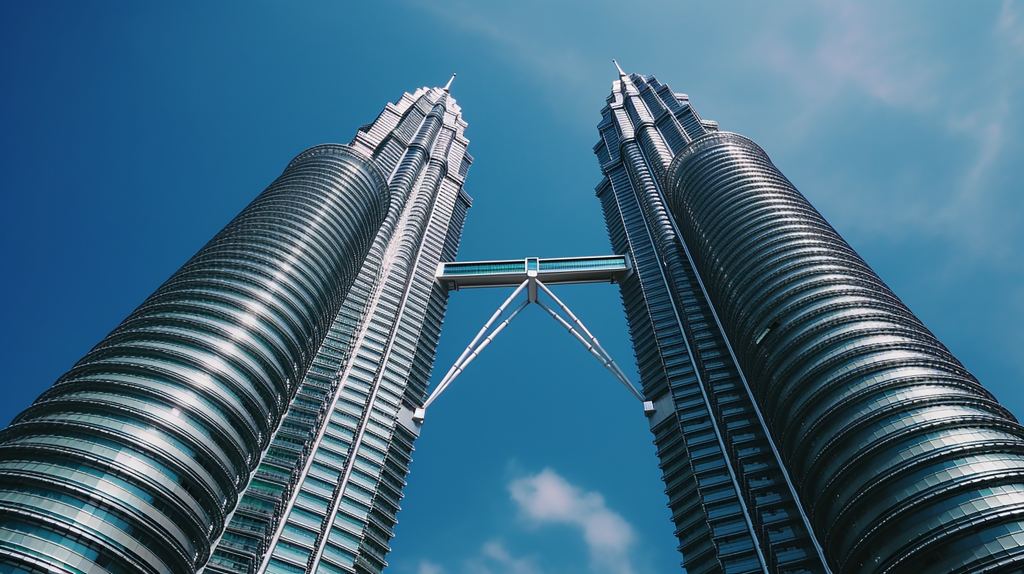
TNB reiterated in the statement its commitment to expanding renewable energy capacity and supporting Malaysia's goal of achieving 70% of installed power generation capacity from renewable energy by 2050. This is an ambitious number - wind, solar and hydropower are inherently intermittent, and in order for them to account for 70% of the power system, there must be a sufficiently flexible and strong power grid to support them. This also explains why RM15 billion needs to be spent on the power grid first.
At the same time, TNB also stated that it will work more closely with the government to accelerate rural electrification projects, including improving power supply to indigenous settlements, religious schools, and Islamic schools. From data centers in cities to villages deep in rainforests, the same power grid is being given the same meaning: opportunities for development should not be discounted due to geographical location.
As the night deepened, the lights of that household remained on. Just this time, what supports this lamp is a national power grid that is becoming stronger, smarter, and greener.Editor/Yang Meiling
Comment



 Praise
 Collect
 Comment

 Share


Write something~