 Search


- From single point projects to systematic layout, the the Belt and Road cooperation continues to deepen and become more practical
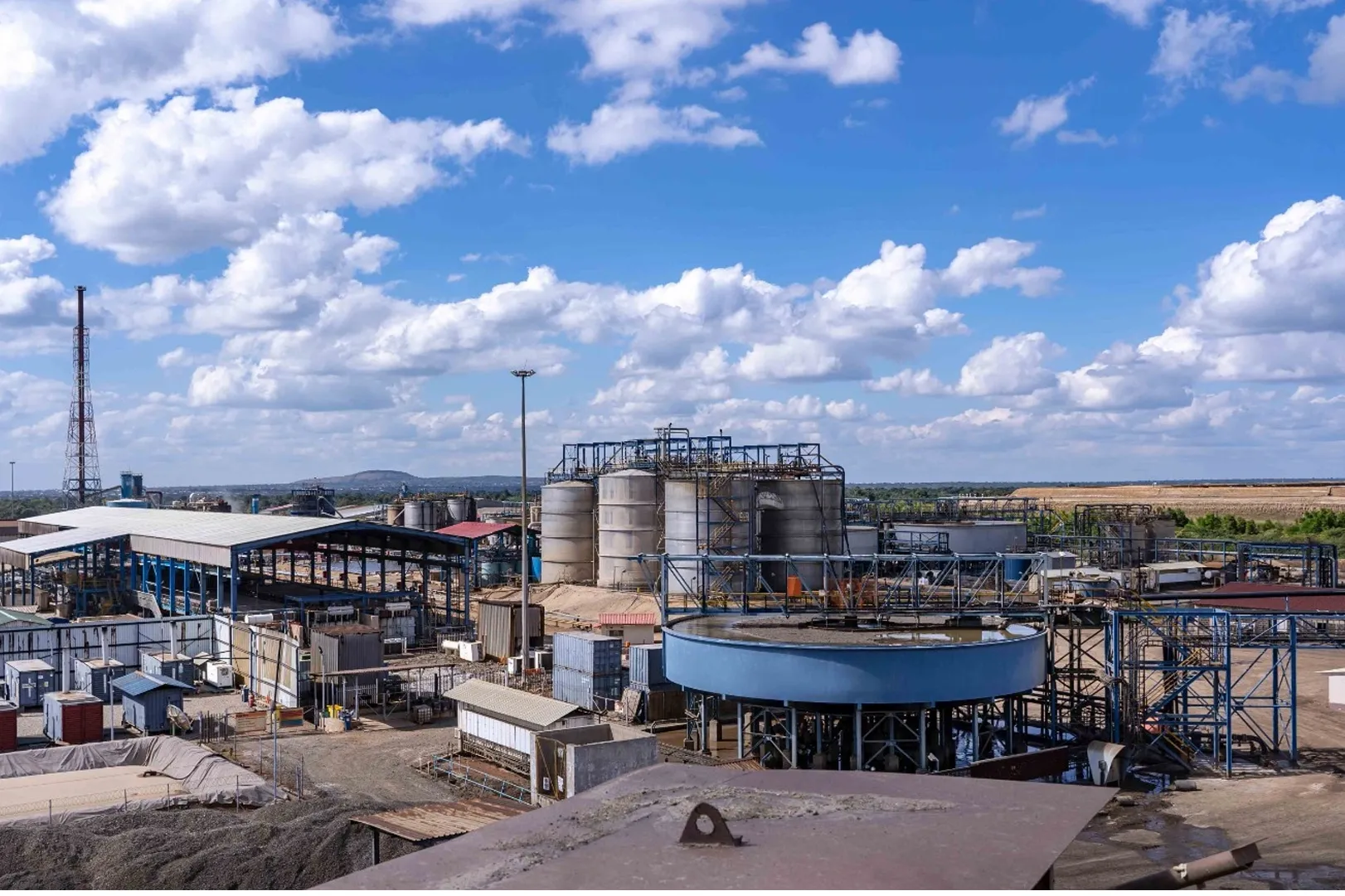
On the morning of October 20, 2026 local time, the Zambian capital Lusaka was sunny, the salute sounded, and the foundation was laid. The opening ceremony of the Zambian Joint Capital Fertilizer Complex Project was officially launched. This large-scale fertilizer production base, built on Chinese technical standard equipment, set another key piece on the map of Southeast Africa for the joint construction of the the Belt and Road.
Continuous iteration and upgrading of technology going global mode
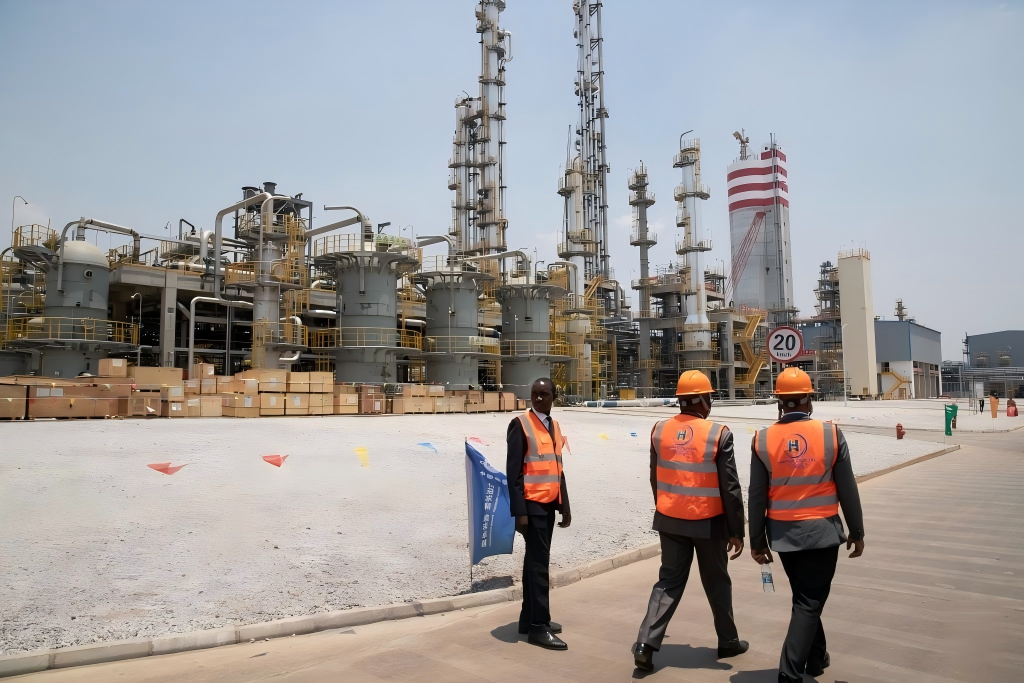
The project is invested by Zambia United Capital Fertilizer Co., Ltd. and constructed by China Wuhuan Engineering Co., Ltd. through a T+EPC model. It adopts Wuhuan's independently developed high-efficiency synthetic low-energy urea technology and plans to produce 520000 tons of urea and 400000 tons of ammonium nitrate annually. The entire production process is connected to Chinese technology, standards, and equipment. This is not the first industrial project that China's Fifth Ring Road has landed in Zambia. Previously, the company had successfully implemented the 300000 ton annual urea project and the 300000 ton annual ammonium phosphate project in Zambia, providing full lifecycle services covering EPC construction, commissioning, operation, and maintenance. The 300000 ton annual urea project was praised by Zambian President Hitchlaima as a vivid example of China Zambia friendship and pragmatic cooperation.
From the early single point project delivery to the whole chain technology output, the layout of China's Fifth Ring Road in the Southeast African market has moved from a single point breakthrough to systematic cultivation. The fertilizer complex project launched this time is the latest landmark achievement of the continuous deepening of China Zambia industrial cooperation under the framework of the joint construction of the the Belt and Road. After the project is put into operation, it will directly drive the deep processing and high-value utilization of Zambia's coal resources, promote the extension of the local chemical industry from basic raw materials to high value-added products, and help Zambia cross from a fertilizer importing country to a regional fertilizer exporting country.
Simultaneous release of livelihood and industrial value
During the construction and operation phase of the project, approximately 2000 direct employment opportunities will be created for the local area, accompanied by a mentorship skills training system. The joint construction project of health clinics between Chinese enterprises and local communities will be implemented simultaneously, deeply integrating technology output with the improvement of people's livelihoods. After the implementation of the previous phase of the project, the self-sufficiency rate of fertilizers in local agricultural production has significantly increased, directly driving the increase in grain production and income of surrounding farmers. Advanced urea production technology has been directly implemented from engineering drawings to the fields, effectively improving the well-being of local people.
The follow-up project team will continue to deeply cultivate overseas engineering construction and long-term operation and maintenance services, and write the accuracy and speed of Chinese engineering into every process pipeline in Lusaka. Activating a local industry with a set of modern devices and connecting the deep trust between the two countries with a practical project. The commencement of Zambia's fertilizer complex project marks that the practical cooperation between China and Zambia in jointly building the the Belt and Road has officially entered a new stage of development.Editor/Cheng Liting
Comment





 Praise
 Collect
 Comment

 Share


Write something~