 Search


- The new momentum of foreign trade continues to solidify the foundation of China's economic growth

The global market is constantly changing, and China's exports have delivered impressive results. Behind the single quarter export record of 8 trillion yuan, emerging industries are shouldering the banner of growth, and market layout and enterprise management ideas are undergoing synchronous transformation. Experts have also provided research directions around the coordinated development of the three pillars.
Structural upgrade track
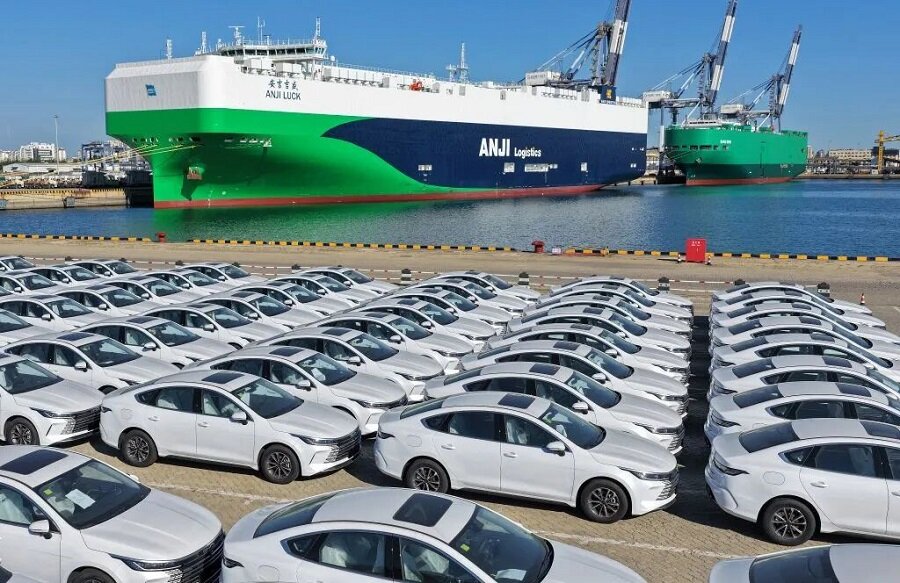
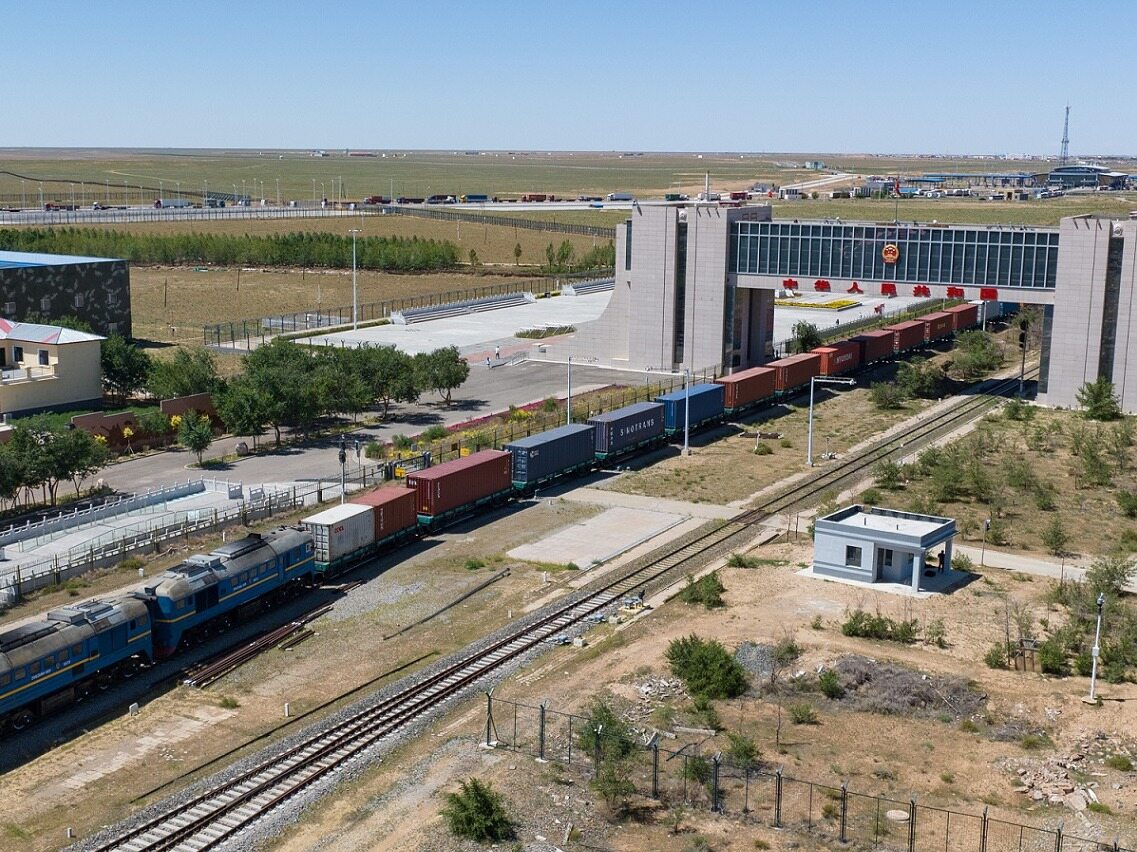
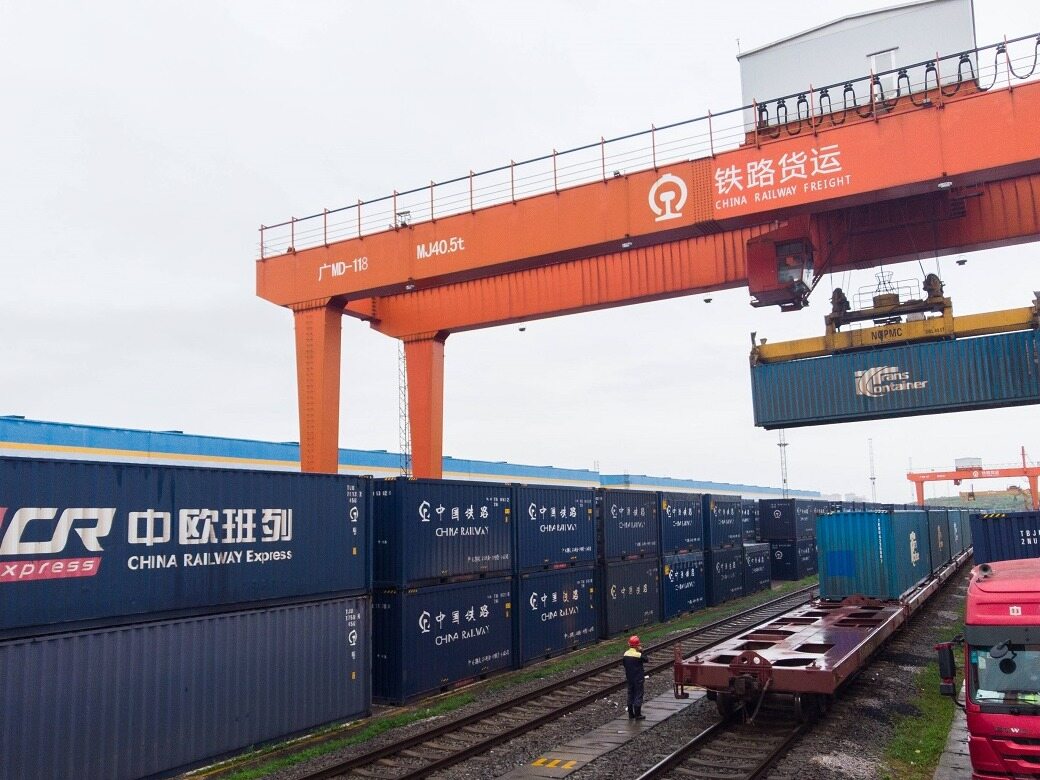
In the first three quarters of 2026, China's exports increased by 16.4% year-on-year, surpassing 8 trillion yuan for the first time in the third quarter, with a single quarter growth rate of 22%. Electromechanical, new energy, and computing products became the main drivers of growth. In recent years, under multiple tests such as global industrial chain restructuring and external shocks, exports have continued to steadily rise, mainly due to the deep adjustment of industrial structure, and the continuous shift of export commodities from labor-intensive to technology intensive. The market layout was optimized synchronously, and the focus was extended to the the Belt and Road co construction countries, ASEAN, the Middle East, and Latin America, so as to effectively disperse the risks of the single market and strengthen the resilience of foreign trade. Keywords: foreign trade exports, industrial transformation

Concentrated Balanced Growth
Export enterprises are gradually bidding farewell to low price competition and turning to high value-added products, complete services, and independent brand construction. In the first three quarters, the export growth rate of mechanical and electrical products reached 23.7%, higher than the overall level. Experts suggest that under high growth, it is still necessary to rationally predict the risks of overseas demand fluctuations. Looking at the macro situation, stable consumption and strong export performance, coupled with weak private investment, have become weaknesses that constrain balanced development. Boosting business confidence, stabilizing orders and profits are the key to activating private investment. At the same time, we need to continue to tackle core technologies, improve supporting facilities for people's livelihoods, unleash domestic demand potential, and promote steady economic development.Editor/Min Jing
Comment



 Praise
 Collect
 Comment

 Share


Write something~