 Search


- Provide stable base load power supply for Central Asian countries with long-term power shortages
- Expected to drive tens of thousands of jobs and localize 40% of technology, becoming a model project for regional energy transformation
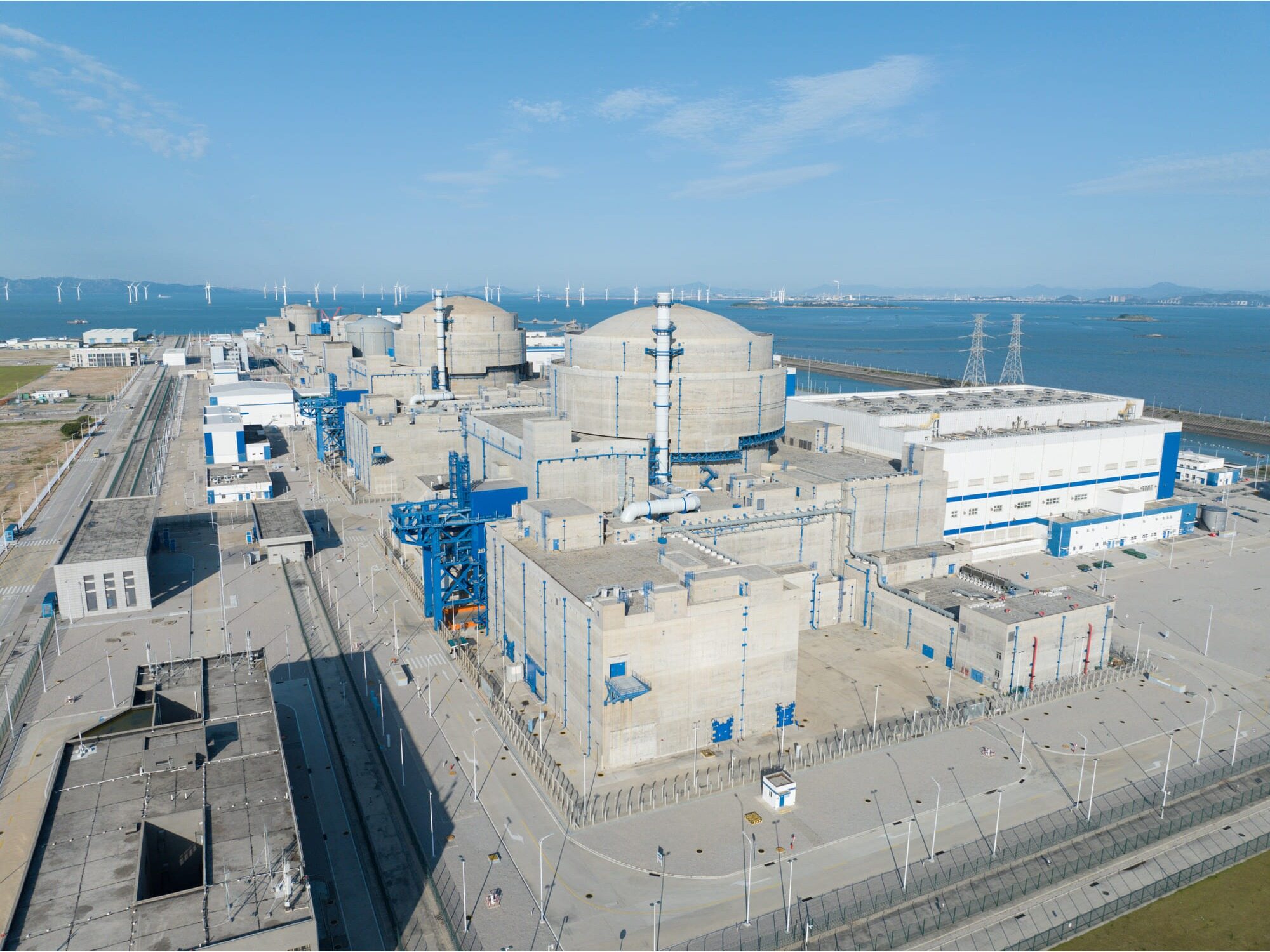
On the Gobi Desert in Farish District of Jizak State, there used to be only the sound of the wind. In May 2024, a contract changed the fate of this place - the Russian State Atomic Energy Corporation won the first export order for a small modular reactor in atomic energy history, and the contracted nuclear power plant fell on this barren land. Subsequently, the excavator excavated a foundation pit up to 13 meters deep, and in June 2026, the first unit poured the first tank of concrete. Currently, about 1000 builders are stationed on site. On October 23rd, the General Manager of the Russian State Atomic Energy Corporation, Likhachev, announced to reporters at the construction site that the entire project will enter the large-scale construction phase in 2027.
From a thousand to ten thousand people
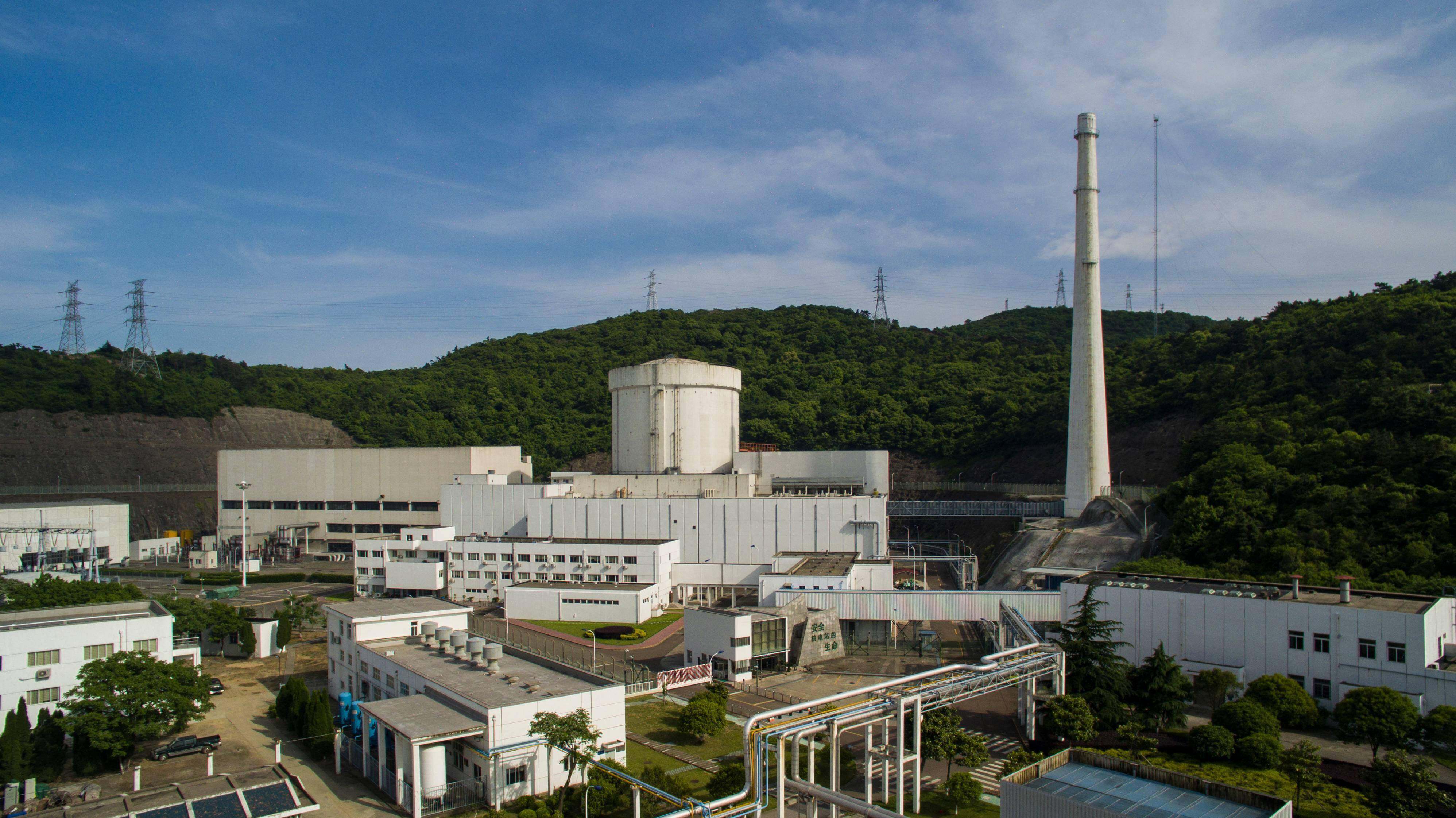
According to the plan, the concrete pouring of the foundation plates for two small nuclear power plant reactor buildings will be completed within this year, and the construction of the control building, reactor building, and turbine building will be initiated; Complete the survey and design work for a large nuclear power plant in 2027, and officially start construction. Correspondingly, the number of on-site personnel will increase from the current around 1000 to a peak of 12000 to 13000 people. This power station consists of two 1000 megawatt VVER-1000 units and two 55 megawatt RITM-200N small reactors, with a total installed capacity of 2110 megawatts. After full operation, the annual power generation will be about 17 billion kilowatt hours, accounting for 12% to 15% of the national power generation. The design life is 60 years. The first large unit is expected to be put into operation in 2033, and the entire project will be completed in 2035.
The plan is not fixed. When the contract was signed in 2024, there were six small reactors with a capacity of 330 MW. In 2025, the two parties signed a supplementary agreement to adjust to two high-power units and two small reactors, increasing the total installed capacity to over 2100 MW, becoming the world's first project to mix large and small reactors at the same site. A large pile provides predictable base load electricity, while a small pile flexibly adjusts peak load during morning and evening rush hours, and peaks when wind and photovoltaic power output is unstable, providing an additional layer of protection for this country that has long relied on natural gas power generation.
Local people shoulder the heavy responsibility
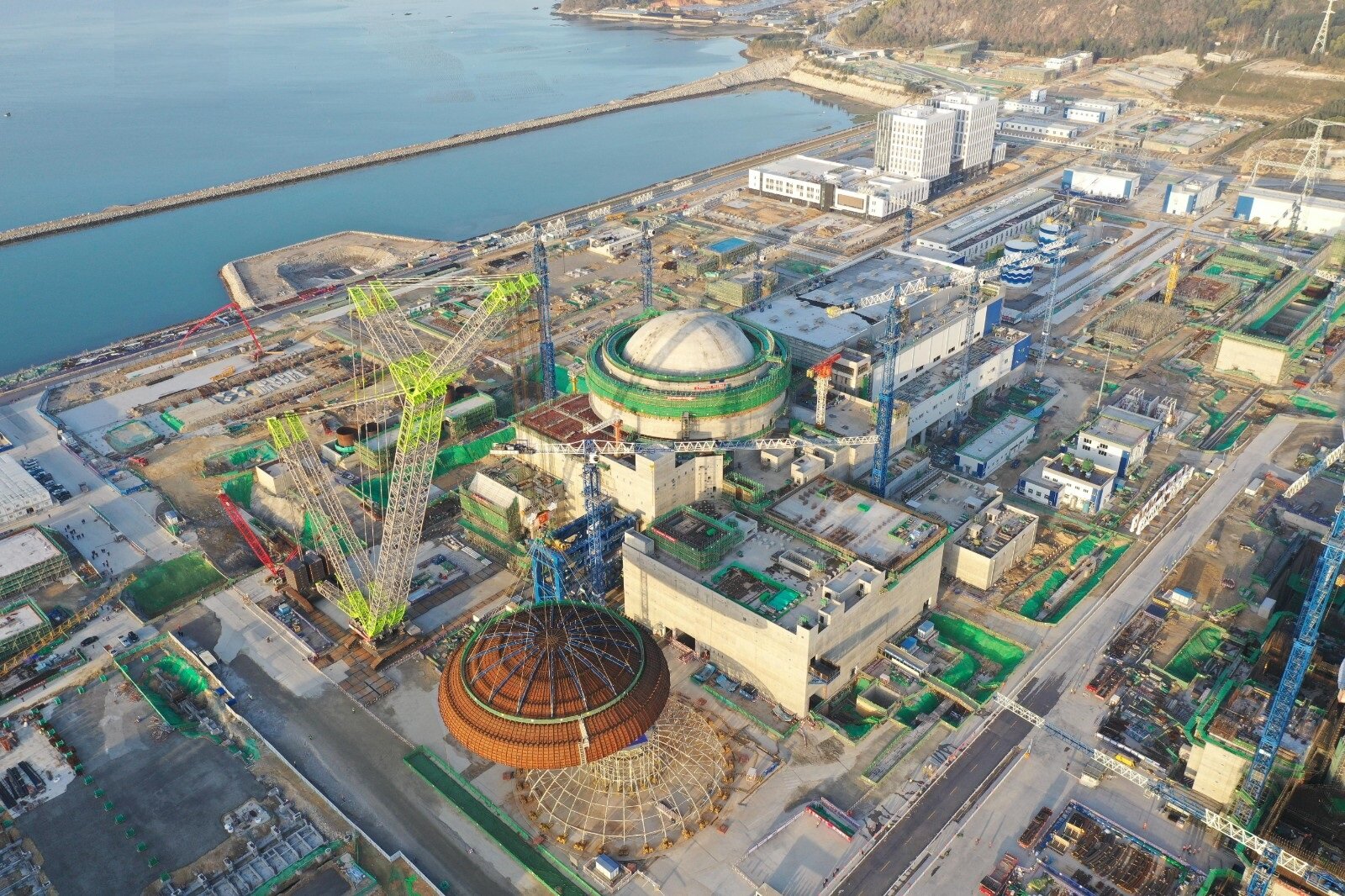
Localization is another main thread. Ukrainian contractors, including a designated subcontractor, have been deeply involved, and the Russian side expects the localization rate of professional technical capabilities required for the project to reach 40%. Likhachev believes that the more work undertaken locally, the more effective the economic model of the project, and the more stable the talent pool. Synchronized promotion of talent cultivation: About 350 people are studying at the Tashkent branch of the Moscow Institute of Engineering Physics, and about 900 people are receiving education at Russian universities, including professional colleges under the Russian State Atomic Energy Corporation. These people will also go to Russian construction sites in other countries in the future. A nuclear industrial new city with a capacity of 33000 people has been planned next to the power station, equipped with energy-saving residential buildings, schools, medical and sports facilities. Previously, the Russian side had expressed its willingness to build more nuclear power plants in Uzbekistan.keywords:New energy information network
From a single contract to a construction site with tens of thousands of people, this power plant in Jizhak Oblast is pushing Uzbekistan from a uranium rich country in Central Asia to a country with truly independent nuclear power.Editor/Yang Meiling
Comment


 Praise
 Collect
 Comment

 Share


Write something~