 Search


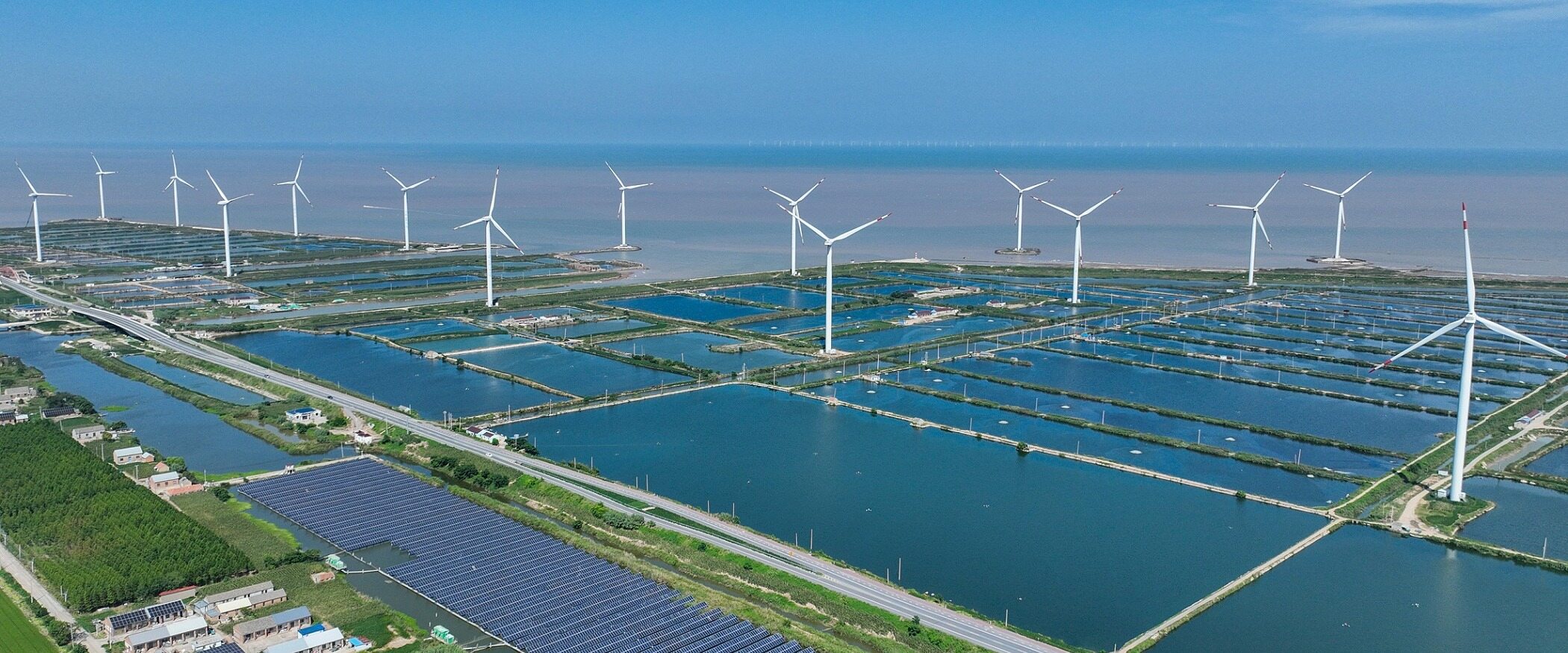
- China goes global with photovoltaics, hydropower, and off grid energy storage
- Assist the global South in achieving a win-win situation of low-carbon and wealth for the people through electricity replenishment, cost reduction, and talent cultivation
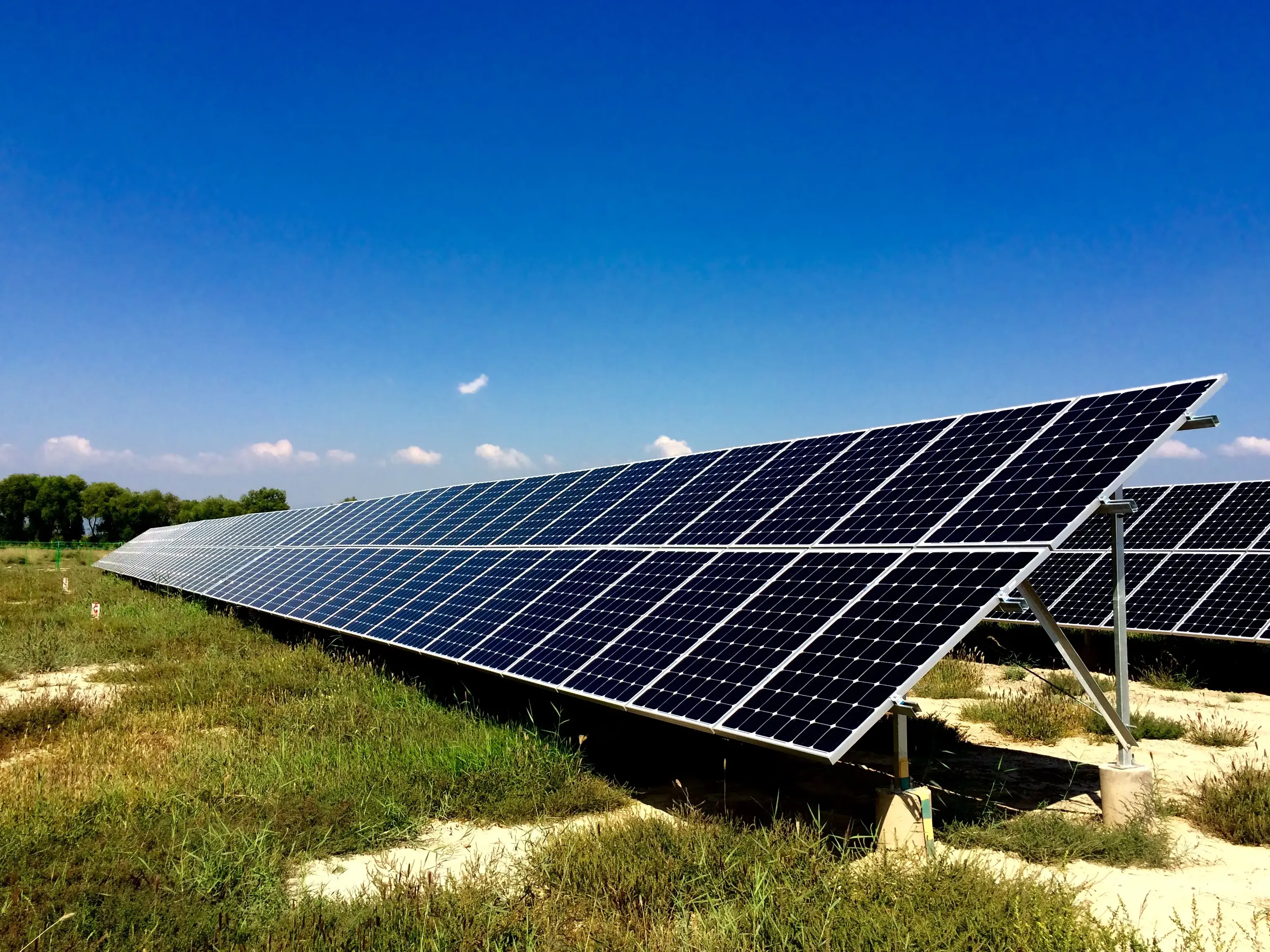
In the early morning, the Karawang Industrial Park in West Java, Indonesia, had not yet fully awakened when photovoltaic panels were quietly converting sunlight into electricity. Local youth Salas stared at the central control screen, recording inverter data - two years ago he didn't understand photovoltaic systems, but now he can independently inspect equipment. This power station not only emits light, but also leaves technology in the ground.
Photovoltaic power supply and education
The electricity peak in Southeast Asia comes quickly and fiercely. China Power Construction Corporation has completed the Karawang 100 MW photovoltaic project in Indonesia. After it is put into operation in 2024, it will deliver over 150 million kilowatt hours of green electricity to the park annually, reducing carbon emissions by about 19800 tons and saving 8800 tons of standard coal. In response to the lack of experience in large-scale projects and skilled workers in the local area, the Chinese side has been teaching while carrying out construction, bringing out more than 300 technical workers who can work independently.
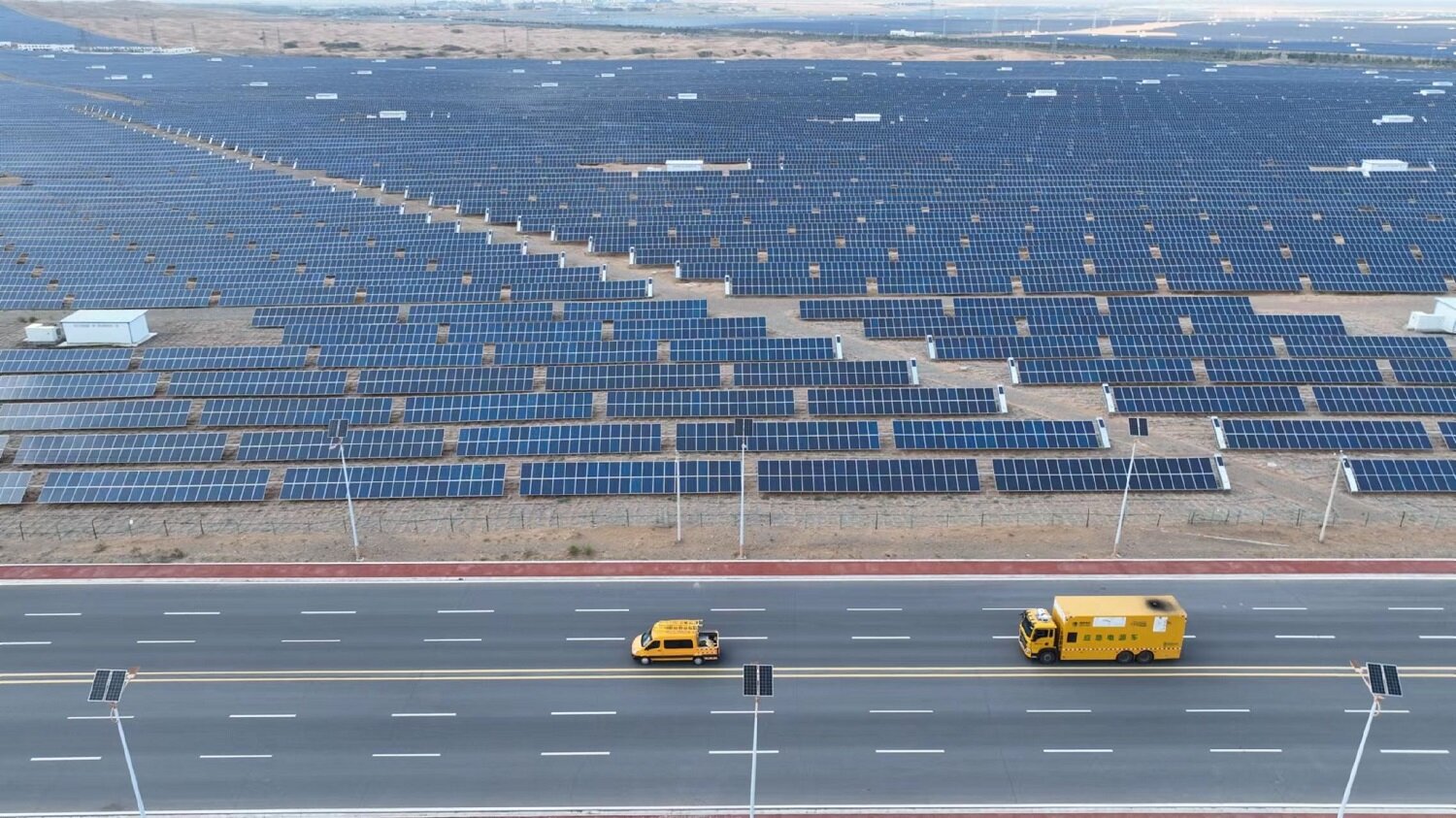
The coastal saline alkali sandy land in Gia Lai Province, Vietnam used to be tough: high temperatures, salt spray, and typhoons took turns to attack. The Chinese side optimized equipment selection, improved brackets, and built a 330 MW photovoltaic power station in Fumei, with an average annual power generation of 520 million kilowatt hours and an annual carbon reduction of about 400000 tons; The construction peak provides over 2000 local positions and continuously cultivates operation and maintenance capabilities. From photovoltaics to wind power, hydropower, and waste to energy generation, China Vietnam green cooperation has become a network.
Green electricity reduces electricity costs
Pakistan has long been plagued by power shortages, high electricity prices, and unstable power supply. After the introduction of photovoltaic equipment, technology, and complete solutions in China, millions of households have access to rooftop green electricity. The company has also introduced flexible installment plans, bringing the threshold within the reach of ordinary households and effectively reducing electricity bills.
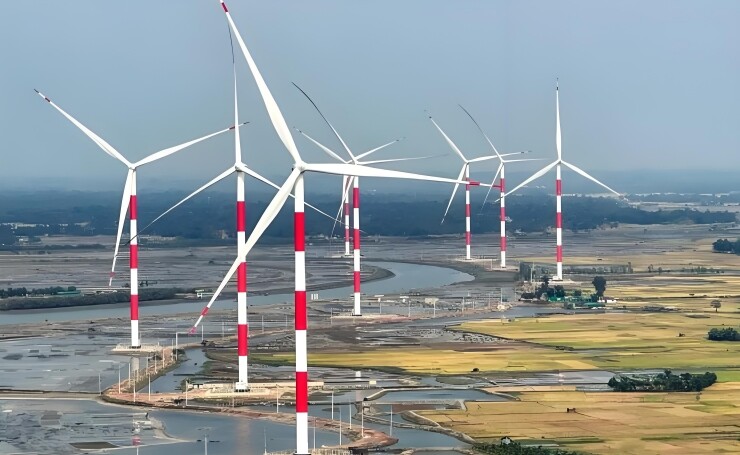
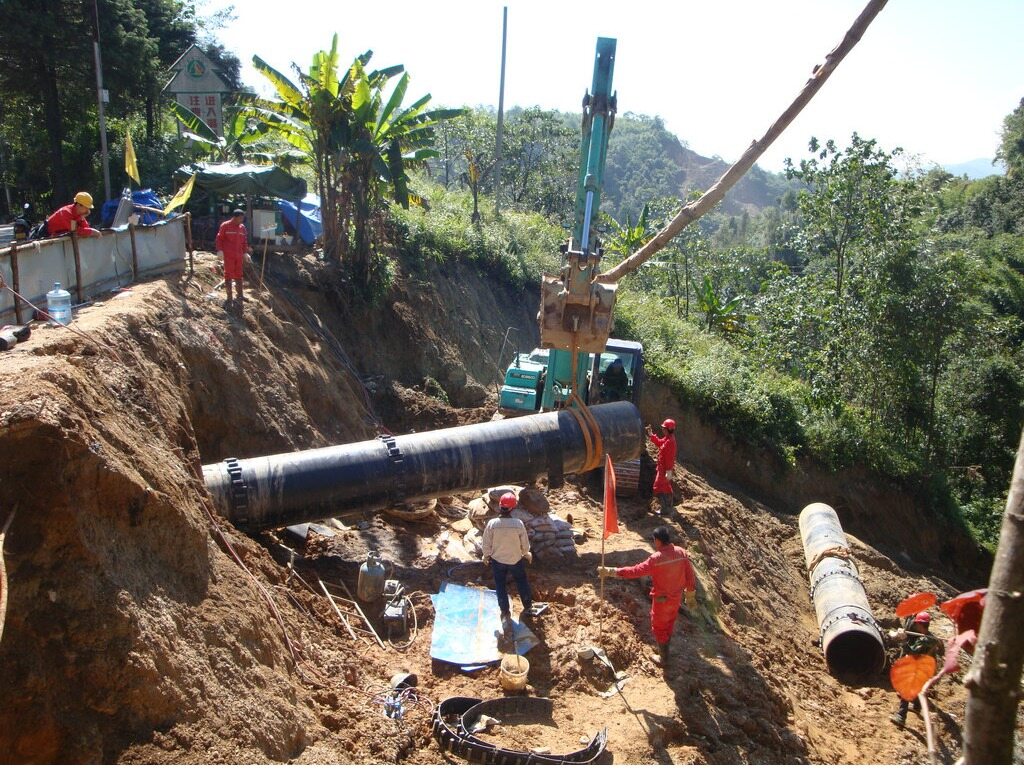
In Khyber Pakhtunkhwa Province, the Mohmand hydropower station is being intensively constructed, with an expected annual power generation of 2.86 billion kilowatt hours, and will become a stable clean power source after being integrated into the national grid. The project has created over 5000 jobs, bringing together the engineering capabilities of local workers. Compared to the fluctuating prices of oil, gas, and coal, free and predictable wind, solar, and water supply has enabled businesses and residents to access affordable electricity once power stations are operational. Small factories, workshops, and irrigation systems have also come to life.
Open up the last kilometer off the grid
The grasslands, pastoral areas, and refugee camps in Africa are too large and scattered, and it is not cost-effective to install a large power grid. China has moved lightweight off grid photovoltaics with energy storage directly into villages: without relying on the main grid, they can also light up, cool down, and pump water.
In the pastoral areas of Kenya, energy storage systems have replaced diesel generators, allowing schools to have classes at night. Photovoltaic water pumps have reduced irrigation costs and increased crop yields by about 30%. From demonstration villages in Mali, West Africa to mountainous areas in Ethiopia, household solar energy storage systems are being implemented in batches. China has also launched South South cooperation projects such as the African Light Belt, delivering household systems, training, and operation and maintenance together, making electricity truly accessible to households and people.keywords:New energy news
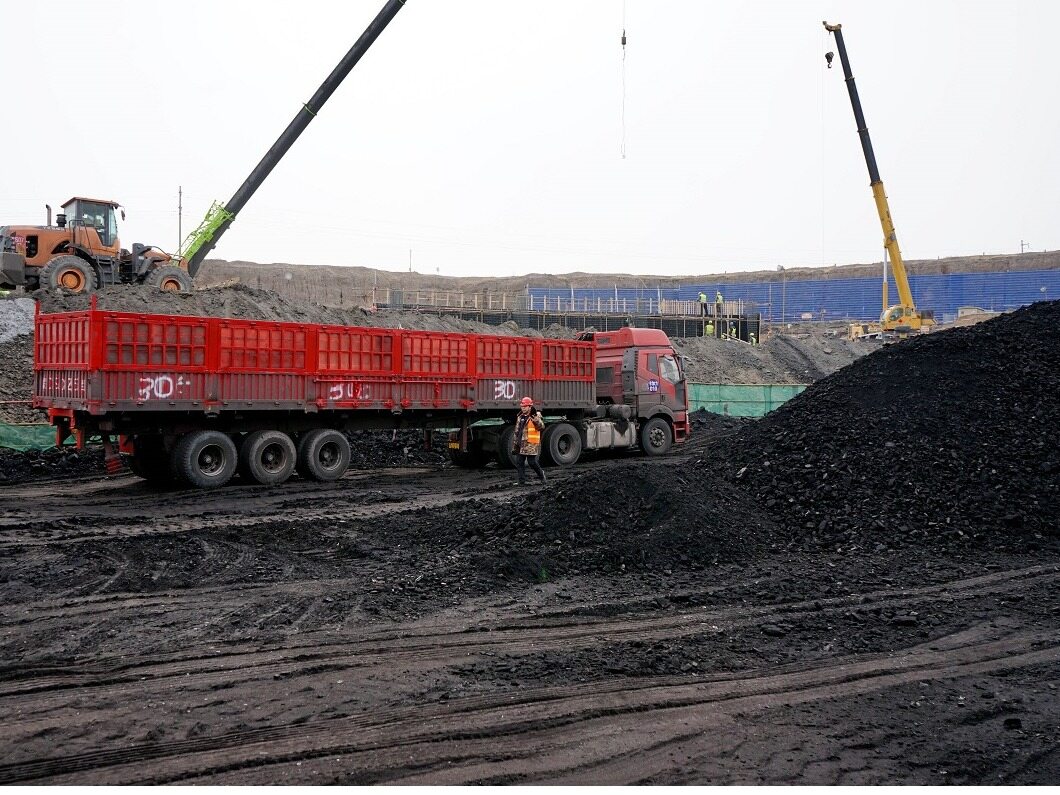
The logic of China's energy cooperation has changed from actively withdrawing from overseas coal-fired power plants in 2021 to now going global with green power, technology, and industrial chains. It is not just about turning over the key, but about building a team, leading an industry, and retaining a set of capabilities. When sunlight, wind, and river water are replaced with affordable electricity, developing countries not only benefit from low carbon, but also from more stable growth and brighter days.Editor/Yang Meiling
Comment

 Praise
 Collect
 Comment

 Share


Write something~